On this page
Penang vs Kuala Lumpur: Which Malaysia City Should You Visit?
Most visitors to Malaysia do both — but if you can only do one, here's how Penang and KL compare on food, culture, cost, and vibe.
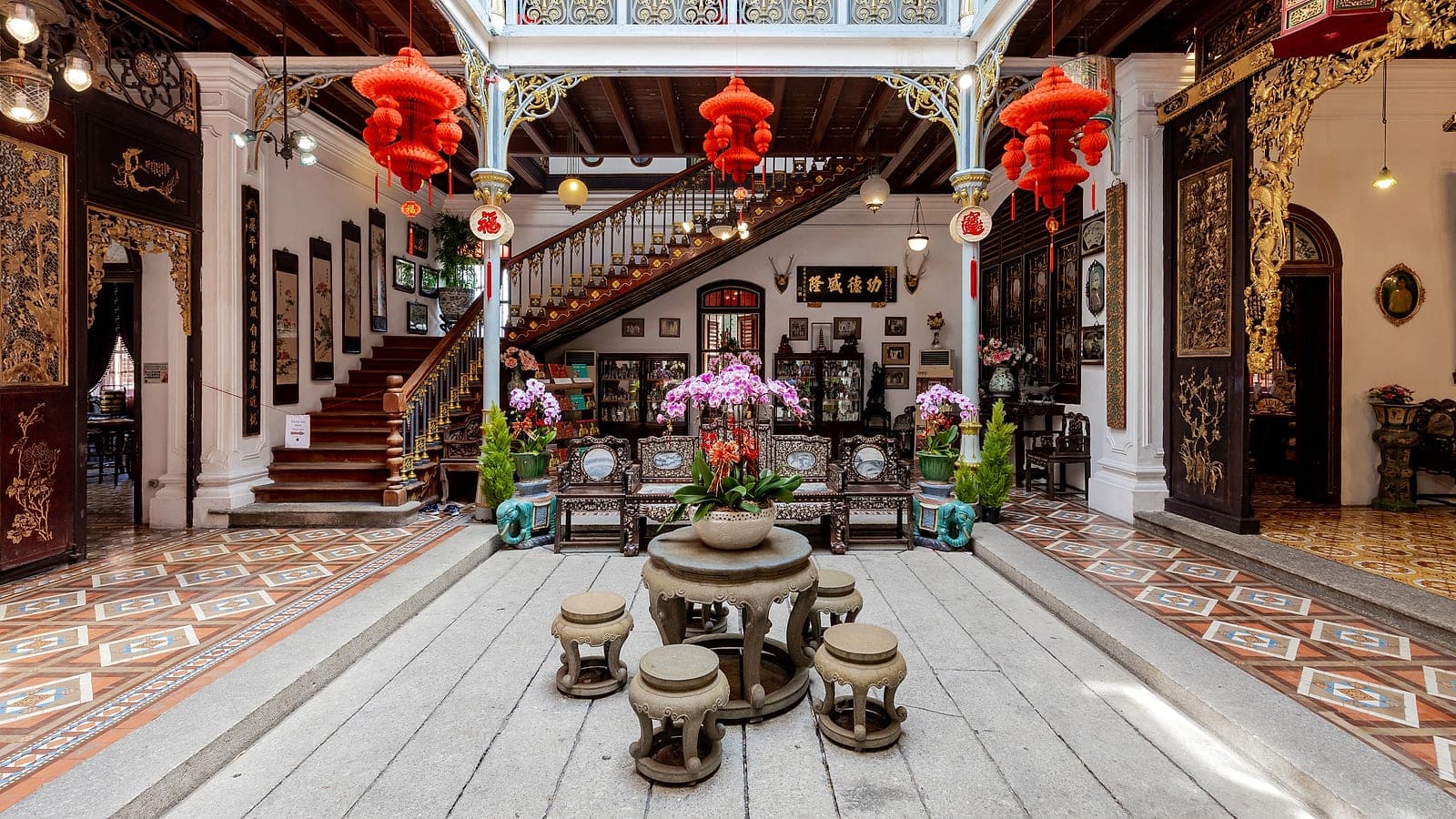
Most people who visit Malaysia visit both Kuala Lumpur and Penang. The KL-to-Penang ETS train is one of the better ways to experience two completely different versions of the same country in a single trip. But if you are choosing one — limited time, a specific itinerary, or genuinely undecided about where to anchor — this is the comparison that will settle it.
The short version: KL wins on city scale, shopping, and the Petronas Towers postcard shot. Penang wins on food, heritage walking, and the slower cultural depth that makes a place feel worth knowing rather than just ticking off.
Both are excellent. They are not interchangeable.
This guide covers food, city sights, cost, culture, getting around, and how to travel between the two. If you have already decided on Penang, build your itinerary →. For the combined trip, see the KL + Penang itinerary guide →.
First-time Malaysia visitors choosing between KL and Penang; travellers planning how to split a 7-10 day Malaysia trip; anyone wondering whether both cities are worth the time
Quick Verdict
Choose Penang if you:
- Rank food at the top of your priority list — George Town's hawker scene is in a different league from KL's, even accounting for KL's genuinely strong options
- Want to spend time in a walkable heritage city — the George Town UNESCO zone is best explored on foot, and most of it is within 2km
- Have 3–5 days and want the most concentrated version of what makes Malaysia interesting
Choose Kuala Lumpur if you:
- Want the Petronas Towers and KLCC skyline — the quintessential Malaysia image, and it genuinely delivers in person
- Are a serious shopper — Pavilion KL, Suria KLCC, Mid Valley, and the Bukit Bintang strip are some of the best shopping in Southeast Asia
- Are flying in internationally — KLIA is the main entry point for most long-haul routes, making KL the natural first stop
Comparison at a Glance
| Category | Penang | Kuala Lumpur | Winner |
|---|---|---|---|
| Food | Best hawker food in Malaysia | Strong hawker scene, more variety overall | Penang |
| City sights | George Town heritage zone, Penang Hill | Petronas Towers, Batu Caves, KLCC skyline | KL |
| Mid-range hotel (per night) | RM 150–250 | RM 180–350 | Penang |
| Heritage / culture | George Town UNESCO, 250 years of multicultural history | Batu Caves, Islamic Arts Museum, Chinatown | Penang |
| Shopping | George Town boutiques, Gurney Plaza, Queensbay Mall | Pavilion, Suria KLCC, Mid Valley, Bukit Bintang | KL |
| Nightlife | Low-key bars, late-night hawker stalls | Bukit Bintang bars, rooftop clubs, TREC | KL |
| Getting around | Walkable heritage zone; Grab beyond | MRT / LRT / monorail + Grab | KL |
| English spoken | Very high | Very high | Even |
Food
Penang wins this category, and it is the most important one for most visitors to get right.
George Town's hawker food — char kway teow, assam laksa, nasi kandar, Hokkien mee, cendol — is the product of generations of vendors who have refined the same dish over decades. Gurney Drive Hawker Centre, New Lane Hawker Centre, and the kopitiam cluster around Kimberley Street are among the best places to eat in all of Malaysia. A full meal costs RM 10–18.
Kuala Lumpur has excellent food and far more variety — everything from Mamak stalls open until 3am (Pelita Nasi Kandar on Jalan Ampang being the classic example) to decent hawker courts (Jalan Alor is tourist-facing but reliable) to Michelin-listed restaurants in the KLCC area. The hawker food in KL is genuinely good. But food-obsessed Malaysians from both cities will tell you honestly: the originals are in George Town. The char kway teow doesn't taste the same anywhere else.
KL wins on variety, international cuisine, and range of price points. Penang wins on hawker quality and consistency.
City Sights
KL wins this category clearly.
The Petronas Twin Towers remain the most recognisable building in Southeast Asia. The KLCC park view at dusk — towers lit against the sky, fountains running, families at the lake — is Malaysia's postcard and earns it. The Skybridge observation at Level 41 (book in advance, RM 85 for foreigners) gives full scale of the city.
Batu Caves, 13km north of the city centre, is one of the most dramatic religious sites in Malaysia — 272 painted concrete steps up to a limestone cave temple complex, a 43-metre gold deity at the base. The Islamic Arts Museum near Perdana Botanical Garden is the best of its kind in Southeast Asia. Petaling Street Chinatown has street food, cheap goods, and is pleasant for an evening wander.
Penang's George Town, by contrast, is the sight. The UNESCO heritage zone — with the Khoo Kongsi clan temple (1906), Chew Jetty water village, Penang Peranakan Mansion, four active places of worship on 200 metres of Harmony Street, and the Ernest Zacharevic street murals — is extraordinary and walkable. Penang Hill (funicular, RM 30 for foreigners) gives views across the Strait of Malacca. Kek Lok Si Temple in Air Itam is the largest Buddhist temple complex in Malaysia.
Both cities fill 3–4 days without repeating yourself. KL gives more landmark scale; Penang gives more texture per square kilometre.
Cost
Both cities are affordable by international standards. Penang is modestly cheaper.
Mid-range hotels in the George Town heritage zone run RM 150–250 for a well-located guesthouse or boutique hotel. The equivalent in KL's Bukit Bintang or KLCC area runs RM 180–350. Budget guesthouses in both cities start from RM 60–80.
Food is cheaper in Penang for hawker eating — RM 8–15 per meal versus RM 10–20 in KL at comparable stalls. The difference is modest. Where it adds up: Grab fares in KL cost more than in Penang, because KL is a larger city and distances to restaurants and attractions are greater. In George Town, you may not need Grab at all for the first two days — the heritage zone is compact enough to walk.
A 4-day mid-range trip to Penang costs roughly RM 800–1,400 per person including accommodation and food. The equivalent in KL runs RM 1,000–1,800, mainly driven by higher accommodation rates and more frequent Grab usage. Use the budget calculator to estimate your daily Penang costs before you book.
Getting Around Each City
Penang is easy once you are in George Town — the UNESCO heritage core is roughly 2km across and best explored on foot. Grab is reliable and cheap for the beach or Penang Hill (RM 15–25 from Georgetown). Rapid Penang buses cover the island for RM 2.70 per journey.
Kuala Lumpur has a functioning metro system — the MRT Putrajaya Line and LRT Kelana Jaya Line cover most tourist areas, with a KL Monorail covering the Bukit Bintang corridor. A token ride costs RM 1.60–5.50. Grab fills the gaps efficiently. The city is large and not walkable between major sights; budget 20–40 minutes of transit time between attractions.
KL has better public transport infrastructure; Penang's heritage core requires no transport at all.
Getting Between KL and Penang
The two cities are 360km apart. Options:
ETS Gold train (recommended): KL Sentral → Butterworth, 3.5 hours, RM 85–120. One of the better train journeys in Malaysia — comfortable, punctual, scenic stretches through oil palm country. The Butterworth station connects by a 10-minute ferry (RM 1.20) directly to the Georgetown waterfront. Book via KTM Intercity.
Flight: KLIA2 → Penang Airport, 55 minutes, RM 60–150 on AirAsia or Batik Air. Fastest option, but factor in airport transfer time on both ends.
Bus: RM 35–45, 4–5 hours from TBS (Terminal Bersepadu Selatan). Reasonable for budget travellers who are not in a hurry.
Many visitors fly one direction and train the other — see the KL + Penang itinerary guide for how to sequence 7–10 days across both cities, or the KL to Penang transport guide for full booking details.
Most People Do Both — And Should
The 3–4 days KL + 4–5 days Penang split is the standard Malaysia trip for a reason: the two cities complement each other almost exactly. KL gives you modern Malaysia — towers, malls, scale, MRT. Penang gives you layered Malaysia — colonial shophouses, street murals, and hawker food that has been refined across generations. Neither destination fully makes sense without the other as context. If you have 7 days, do both.
Who Should Choose What
Choose Penang if you are:
- A food obsessive — this is where Malaysia's hawker tradition runs deepest
- Interested in heritage, street art, Peranakan culture, or walking a living 19th-century city without getting in a car
- On a tighter timeline (3–4 days) and want density over scale
- Returning to Malaysia and have already seen the Petronas Towers
Choose Kuala Lumpur if you are:
- On your first trip to Malaysia and want the full postcard-shot experience
- A serious shopper — KL's malls and the Bukit Bintang strip are unmatched in the region
- Arriving on a long-haul international flight — KLIA is the main hub and starting in KL removes one transfer
- Travelling with a group that wants urban energy, easy metro connections, and a wider range of nightlife
Do both if you have 7+ days. The train is comfortable, the cities take a different half of the trip each, and you will not feel like you have rushed either one.
Decided on Penang?
Plan your Penang trip → — the trip planner builds a day-by-day itinerary based on how long you have and what matters to you.
Looking for accommodation? Browse Penang hotels →
Keep reading
Guides that pair well with this one.
Best Places to Visit in Malaysia (2026): An Honest Guide by Traveller Type
Malaysia has jungle, beaches, colonial cities, and the world's best street food. Here's where to go based on what you actually want from a trip.
8 min readplanningPenang on a Budget: Travel Well for Under RM 150 a Day
How to see Penang's best without overspending. Daily budget breakdown, cheapest accommodation, hawker centre strategy, free attractions, and transport tips for budget travellers.
6 min readplanningPenang from Singapore: The Complete Day Trip and Weekend Guide
Penang is 55 minutes from Singapore by air. Here's how to do it in a day, what to do on a long weekend, and which flights, hotels, and food stops to prioritise.
7 min readplanningFirst Time in Penang? Everything You Need to Know
The essential guide for first-time Penang visitors. What to see, where to stay, how to get around, what to eat, safety, weather, and a practical 5-day itinerary.
8 min read