Snake Temple
Bayan Lepas
Daily 6am-7pm
Free (RM5 for snake photo opportunity in outdoor enclosure)
20–40 minutes
Early morning (6–8am)
English signage available
What is Snake Temple?
The Snake Temple (Ban Ka Lan) in Bayan Lepas is a working Hokkien Buddhist temple built in 1850 and dedicated to healer-monk Chor Soo Kong. It is famous for live Wagler's pit vipers that drape freely over the altar and incense burners — not caged, not restrained. The snakes are mildly venomous but naturally docile, and the warm incense-filled air keeps them especially lethargic. Entry is free. The outdoor snake-handling show nearby is a separate commercial operation unconnected to the religious site.
Photos5 photos
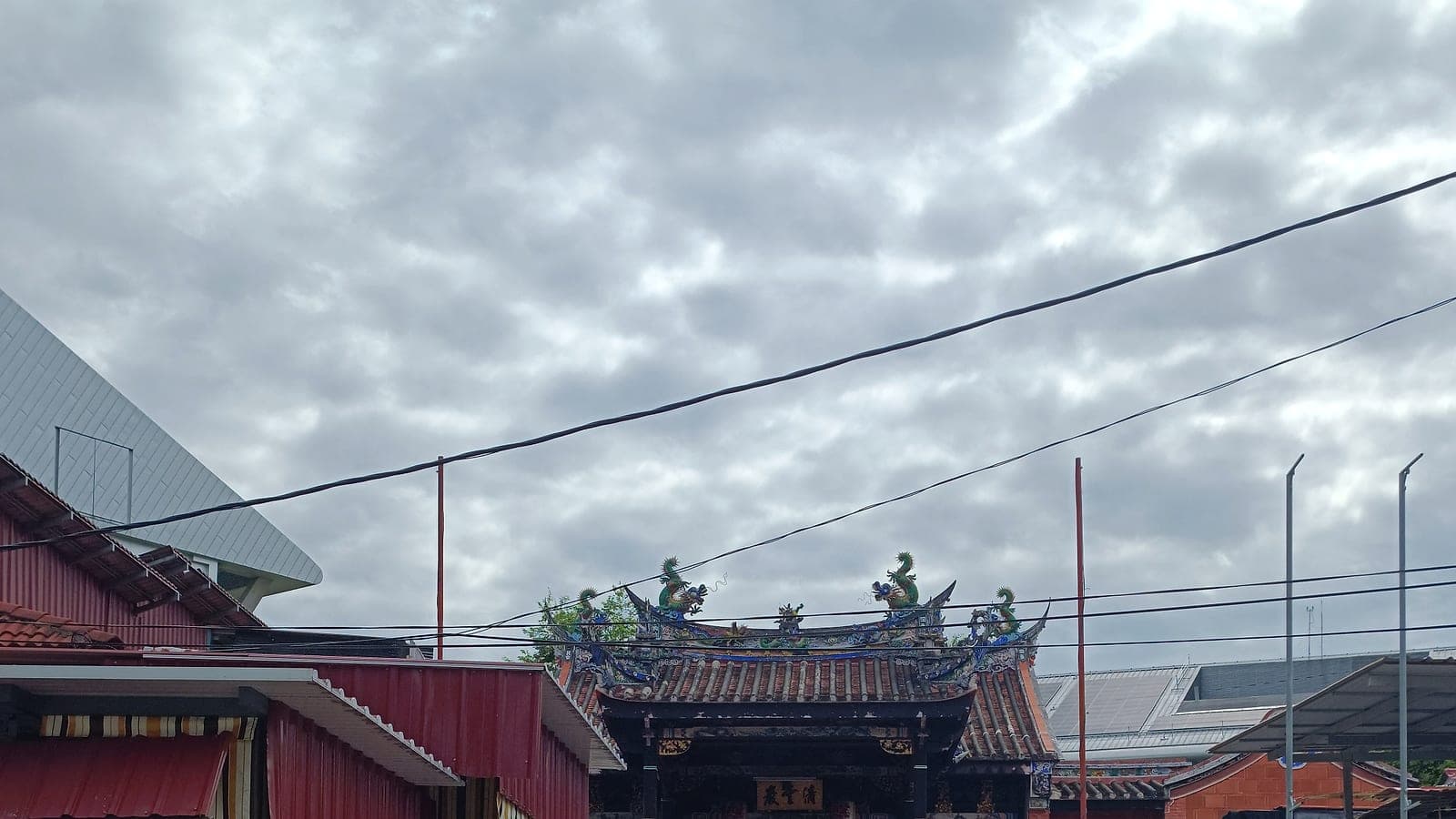
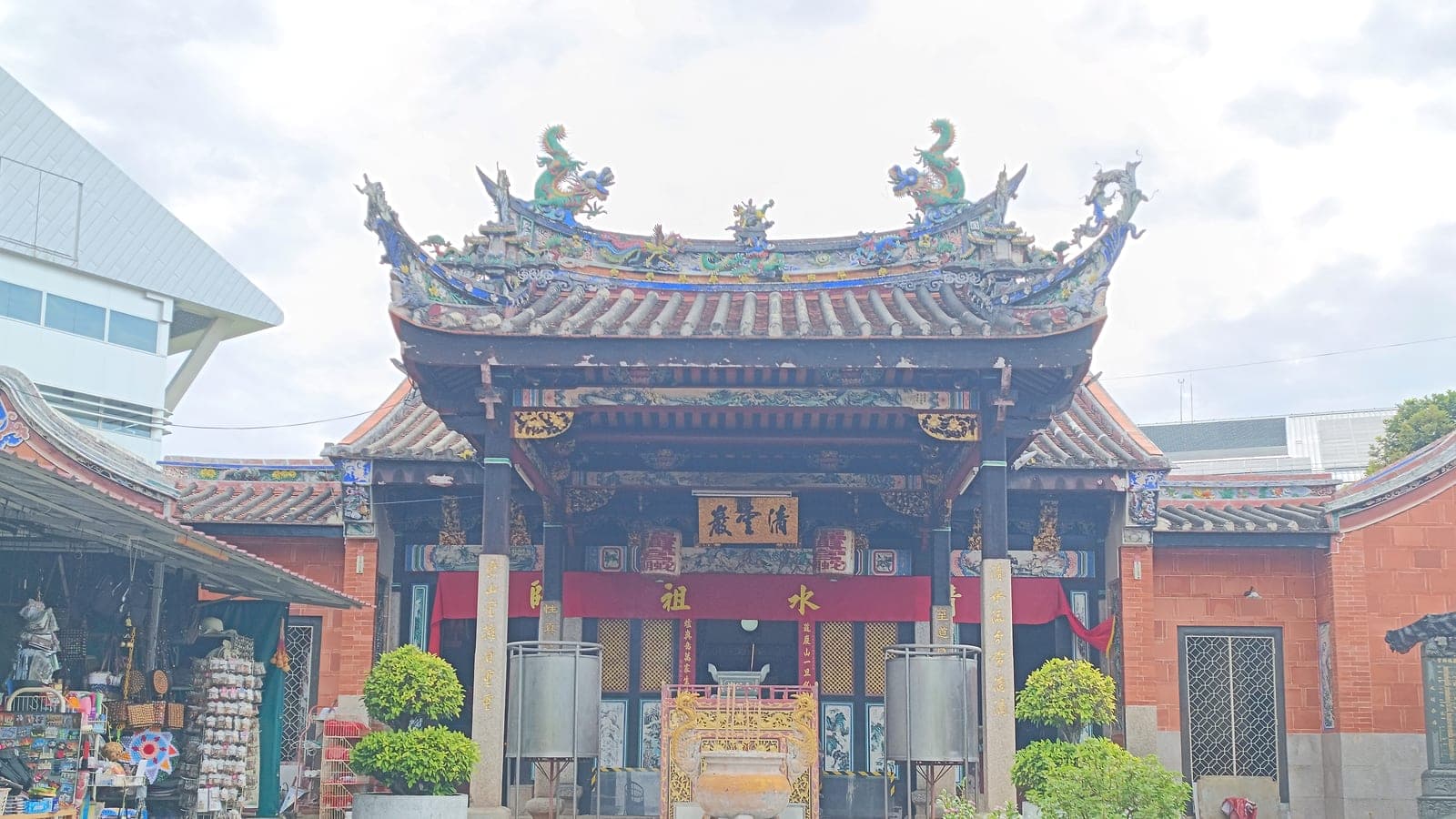
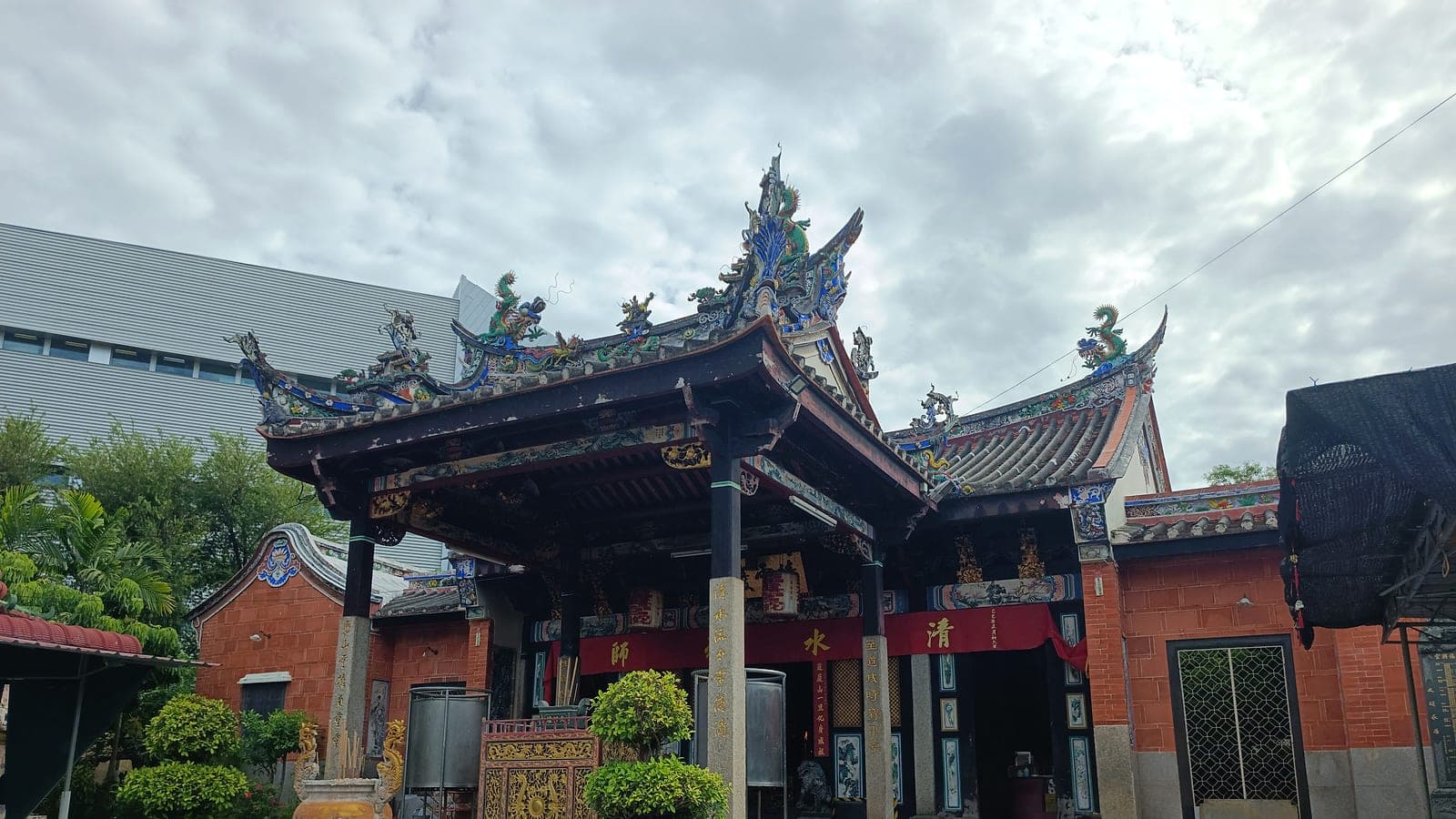
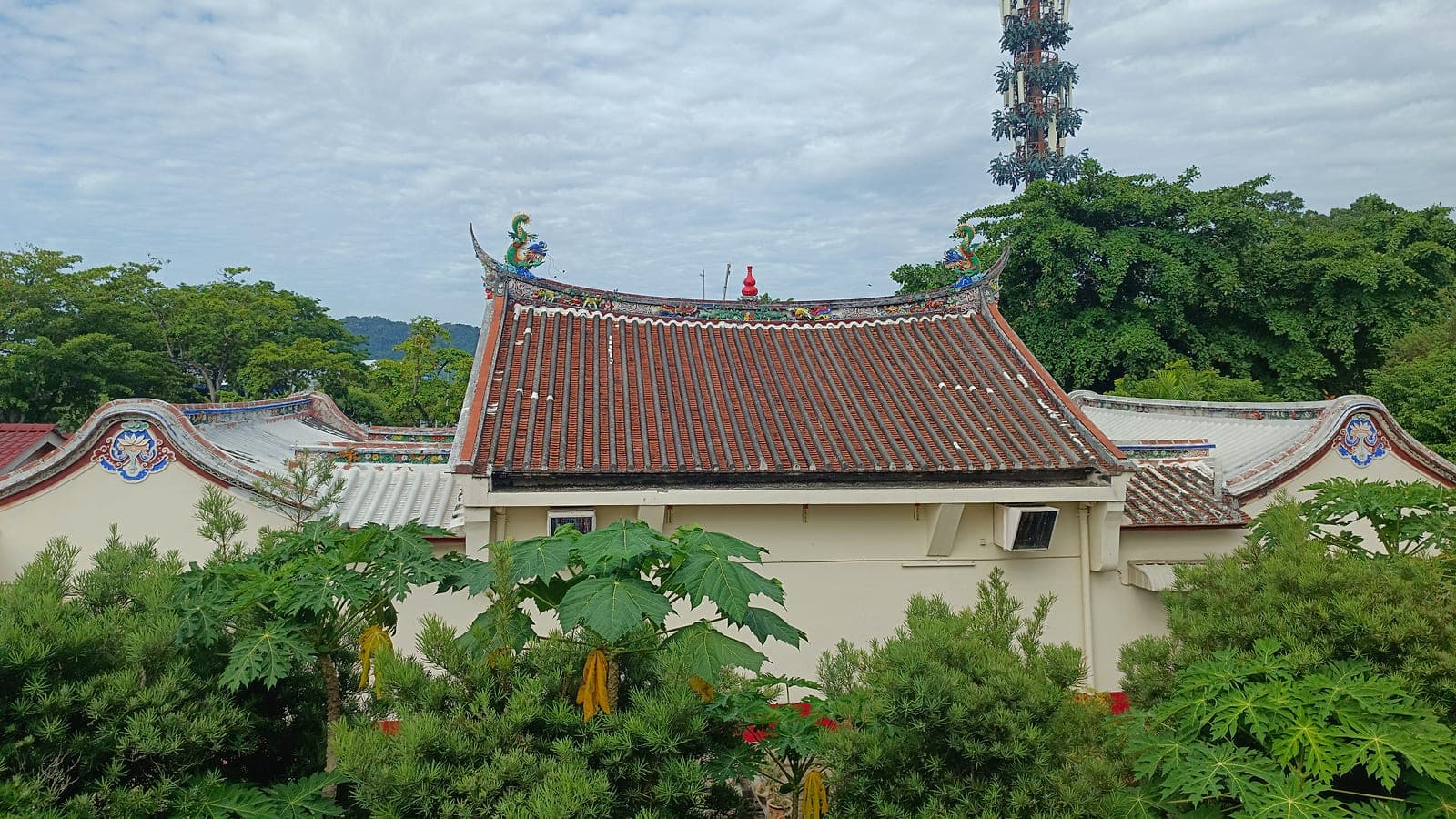
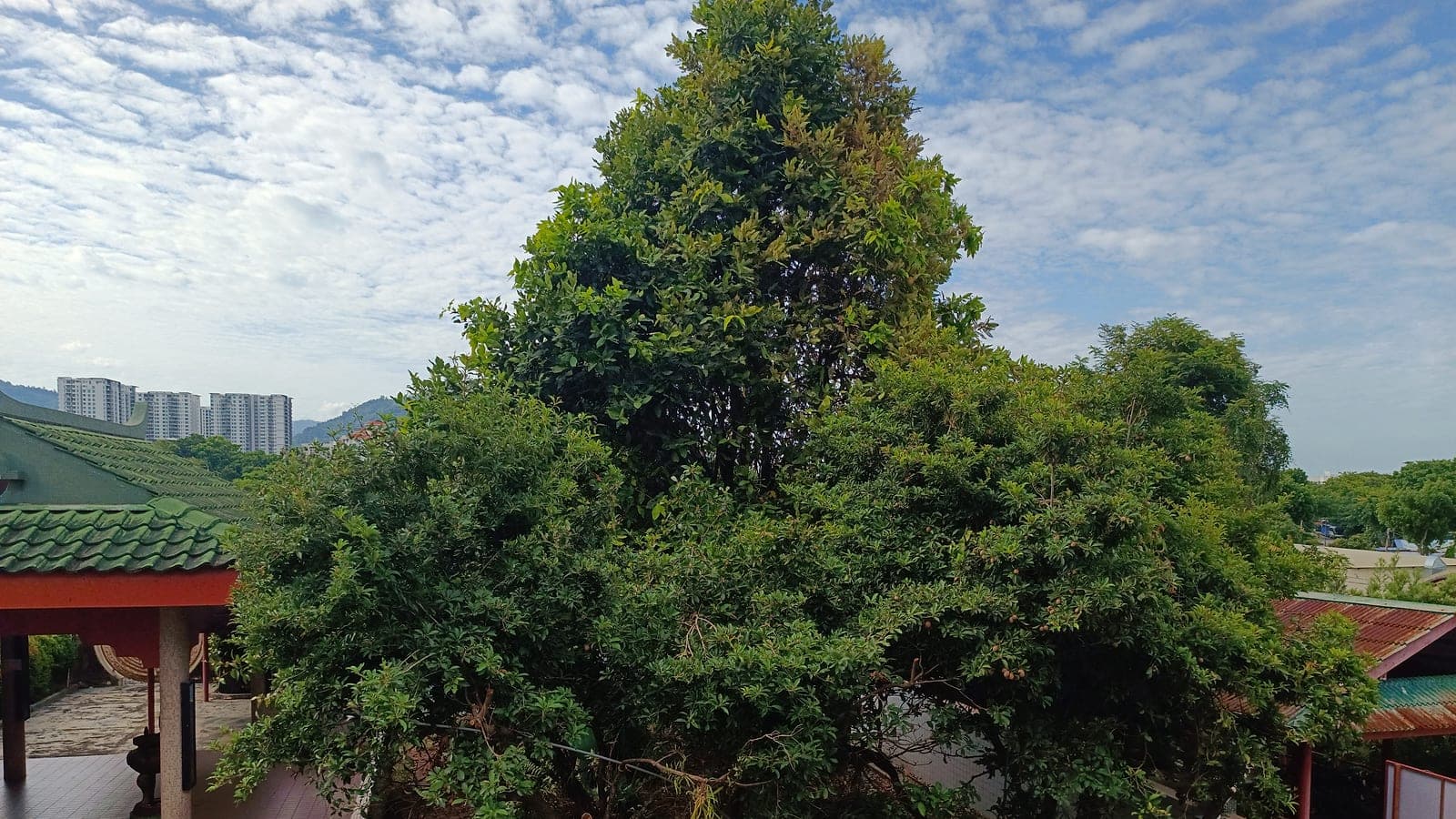
The Temple of the Azure Cloud, better known as the Snake Temple
LEE 003 / Wikimedia Commons (CC BY 4.0)
Most temples announce their purpose with drums, incense, and gilded statues. The Snake Temple announces it with a slow-moving Wagler's pit viper coiled around an incense burner, forked tongue tasting the smoky air. This is Ban Ka Lan — the Temple of the Azure Cloud — and it has been this way since 1850, when the first snakes appeared on the freshly completed altar and the community took it as a blessing from the deity Chor Soo Kong.
What makes the experience unusual is the total absence of theatre. The snakes are not wrangled or positioned for tourists. They move when they want, rest where they like, and the priests and worshippers simply work around them. The religious life of the temple — the chanting, the incense offerings, the devotees pressing palms together before the altar — proceeds as it always has, with the snakes as unremarkable fixtures. That calm normalcy, more than any single serpent on a perch, is what stays with most visitors.
History
Read the full history of Snake Temple
The temple was built in 1850 in Bayan Lepas on the southern tip of Penang island, dedicated to Chor Soo Kong — a Chinese Buddhist monk and healer who became a deity figure revered across the Hokkien diaspora. According to temple tradition, Wagler's pit vipers appeared on the altar shortly after completion, and devotees interpreted their arrival as the deity's blessing and protective presence.
The Wagler's pit viper is native to Southeast Asian forest canopies — slow-moving, tree-dwelling, and rarely aggressive without provocation. The enclosed temple environment, continuously warm from burning incense and body heat, suits their lethargic temperament. Whether incense smoke has any physiological sedating effect is debated, but the snakes' docility is primarily a species trait.
The site drew travellers and naturalists throughout the colonial period. In the 20th century a separate commercial operation was established adjacent to the grounds offering photo opportunities with pythons and king cobras, which has created ongoing confusion and mild controversy among conservationists. The religious temple itself remains a functioning place of worship and entry is free.
Photography Guide
- Best time
- Early morning (6–8am) — cooler air, fewer visitors, softer light from the altar lamps
- Best position
- Low angle at altar level to show snake and incense urn in the same frame using existing altar lamp light
- What's allowed
- Photography permitted throughout the temple; no flash — it disturbs the snakes and is disrespectful in an active place of worship
Tips
- Do not use flash — it disturbs the snakes and is disrespectful in an active place of worship
- Wide-angle to show the temple context, then zoom in on individual snakes draped on incense burners
- Incense smoke creates natural atmosphere — position yourself so it drifts into frame
- The corridor leading to the main altar has strong visual depth that frames the scene well
Plan Your Visit
Before your visit
No suggestions yet.
After your visit
15 minutes by car — both sites are in south Penang and together make a good half-day circuit away from Georgetown
Travel times are approximate.
Map & Directions
Insider Tips
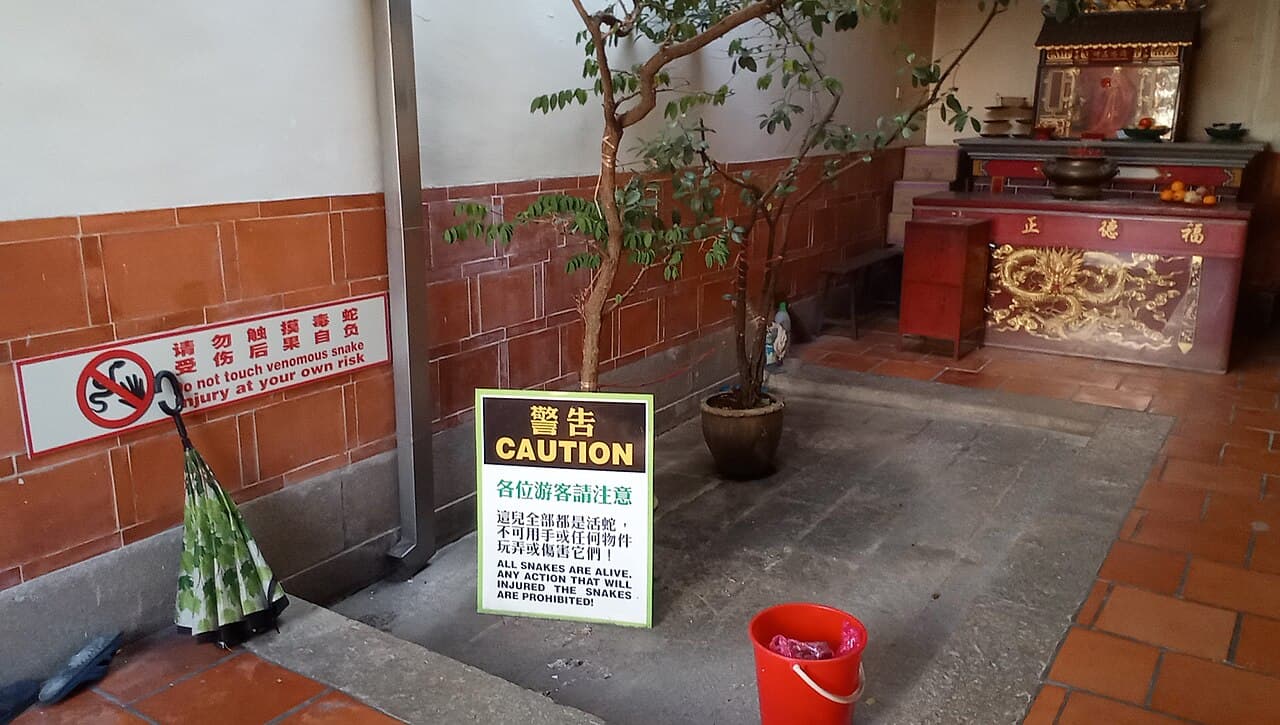
- •The snakes inside the temple are mildly venomous but docile - do not touch or disturb them
- •Fewer snakes are visible during the day; they are more active in cooler early morning
- •The outdoor snake handling area is a separate commercial operation - not part of the temple
- •The temple is near the airport, making it a good stop before or after a flight
- •Visit on the deity birthday (6th day of the 1st lunar month) for special celebrations
Frequently Asked Questions
Are the snakes actually venomous?
Yes — Wagler's pit vipers are mildly venomous. However they are naturally slow-moving, tree-dwelling snakes with very low aggression. In the warm temple environment they are especially docile. No incident has been recorded involving a visitor who did not handle the snakes. The rule is simple: look, do not touch.
Is the outdoor snake show part of the temple?
No. The outdoor enclosure featuring pythons, king cobras, and albino snakes for photo opportunities is a separate commercial operation managed independently of the religious temple. Entry to the temple itself is always free. The outdoor area charges approximately RM5–10.
When is the best time to visit?
Early morning (6–8am) when fewer tourists are present and the snakes may be slightly more active in cooler air. The most significant annual event is the deity birthday on the 6th day of the 1st lunar month (Chinese New Year season) — major celebrations with rituals and increased community presence.
Is it appropriate to visit as a non-Buddhist?
Yes. The temple welcomes all respectful visitors. Standard temple etiquette applies: dress modestly, remove footwear at the entrance, keep voices low, and do not disturb the snakes or the worshippers.
How do I get there without a car?
The easiest option is Grab from Georgetown — approximately 30 minutes and RM25–35 one way. The airport area has no practical bus service. The temple works well as a final stop before a flight or first stop after arriving at Penang International Airport.