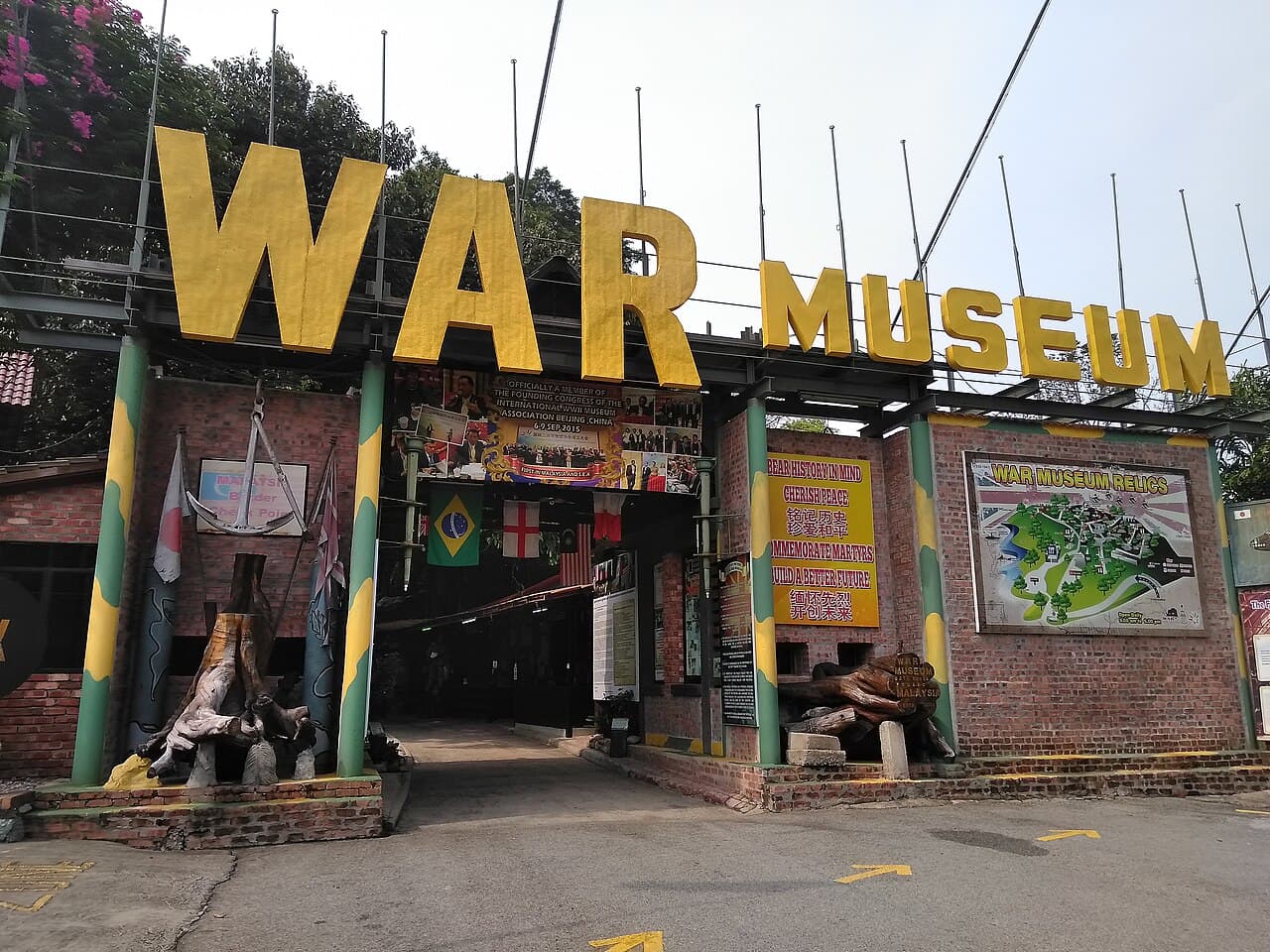
Penang War Museum
Batu Maung
Daily 9am-6pm
RM30 adult, RM15 child (foreigner); RM15 adult, RM8 child (Malaysian)
2–3 hours to cover the full 5-acre site properly
Morning (9–11am) before the tropical heat makes the hillside walk uncomfortable; the forested site provides shade but the open cannon emplacements are fully exposed
English, Malay
What is Penang War Museum?
The Penang War Museum at Bukit Batu Maung is a preserved British WWII fortress built between 1936 and 1941 as part of Penang's coastal defences. On 11 December 1941 — the day Japan invaded — British forces evacuated Penang without a fight, leaving 250,000 civilians behind. Under Japanese occupation the site became an interrogation centre and execution ground. The five-acre hilltop complex preserves original structures: ammunition stores, cannon emplacements, an underground military hospital, sleeping barracks, detention cells, and an execution chamber.
Photos5 photos
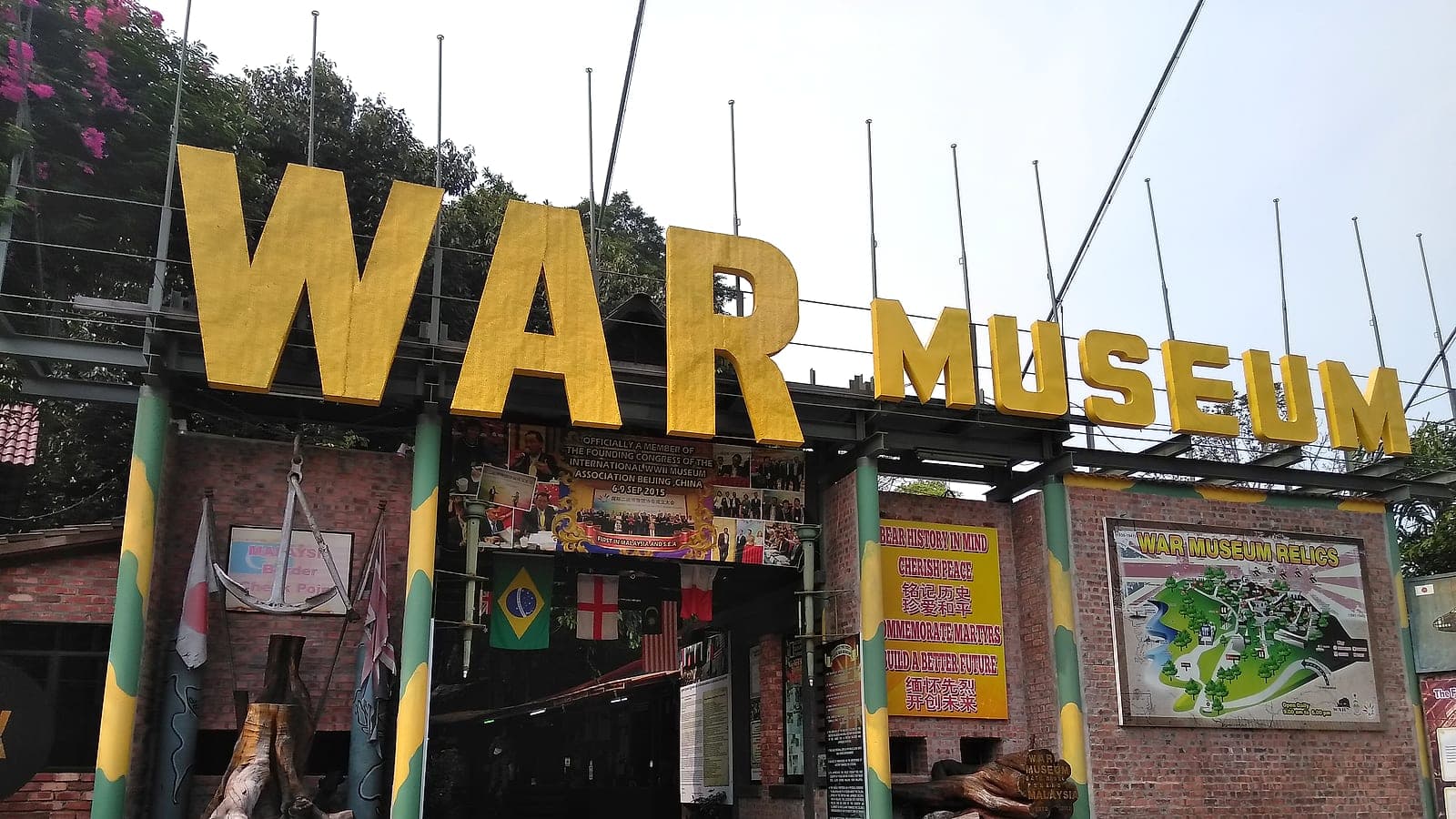
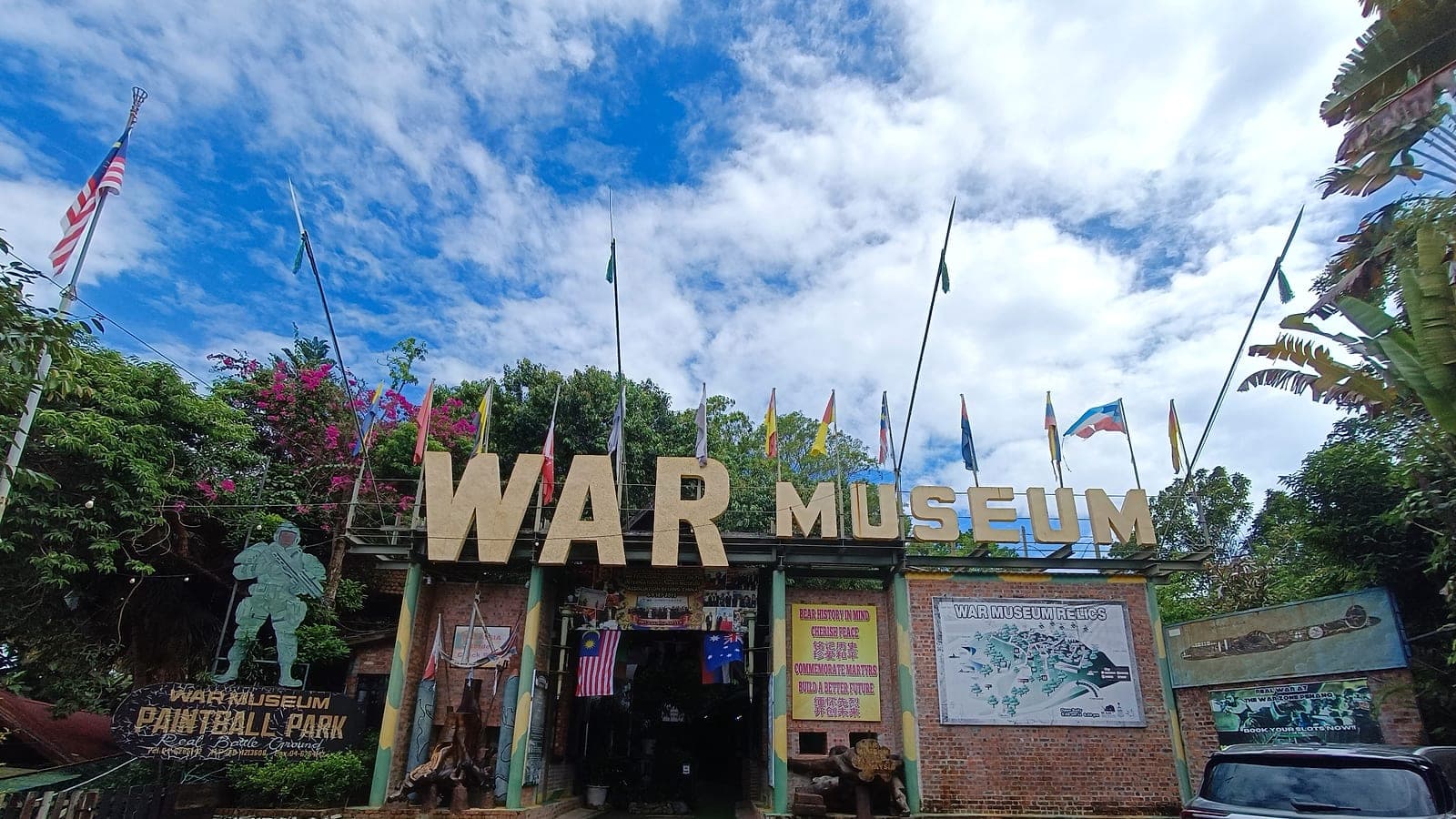
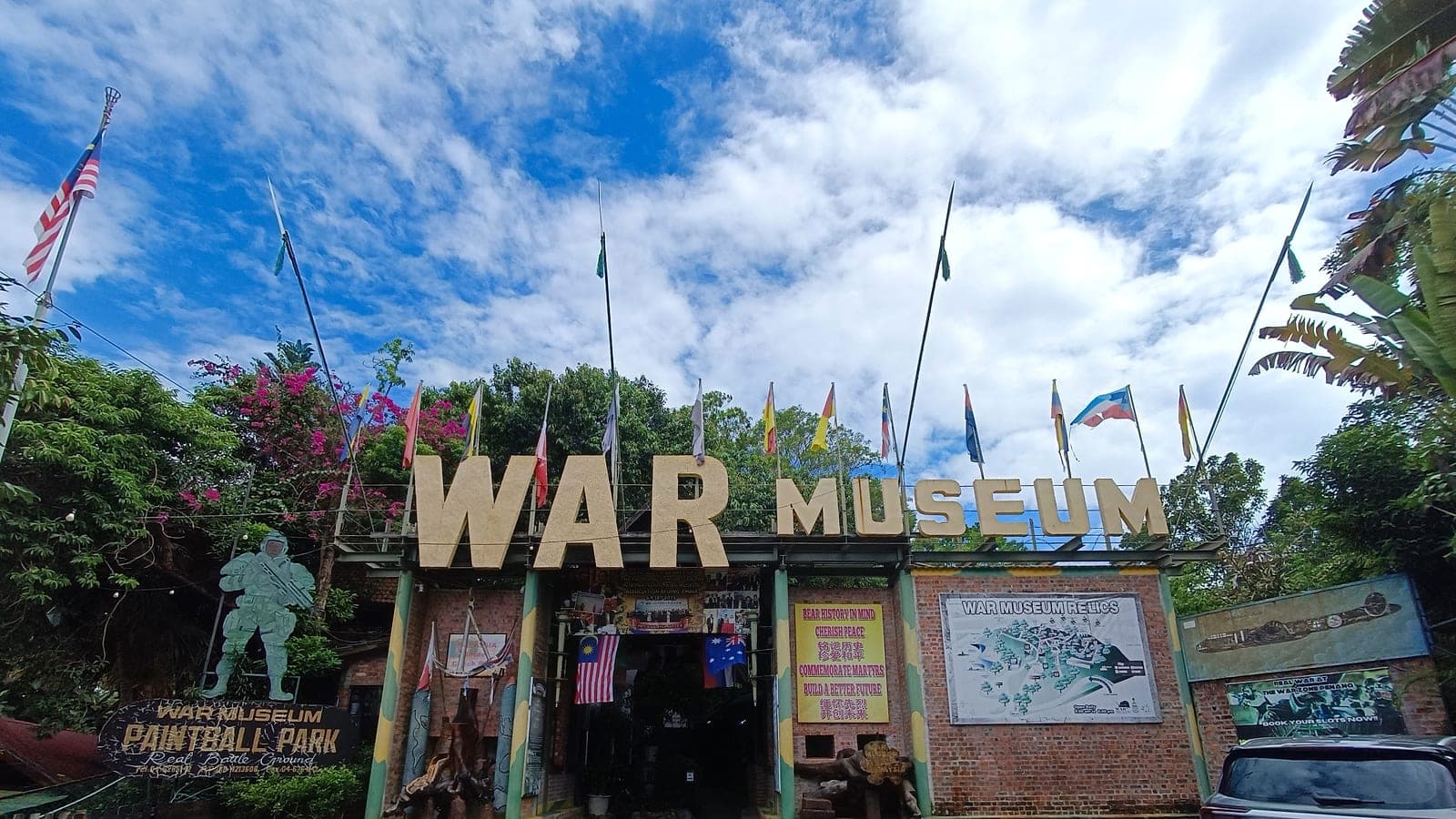
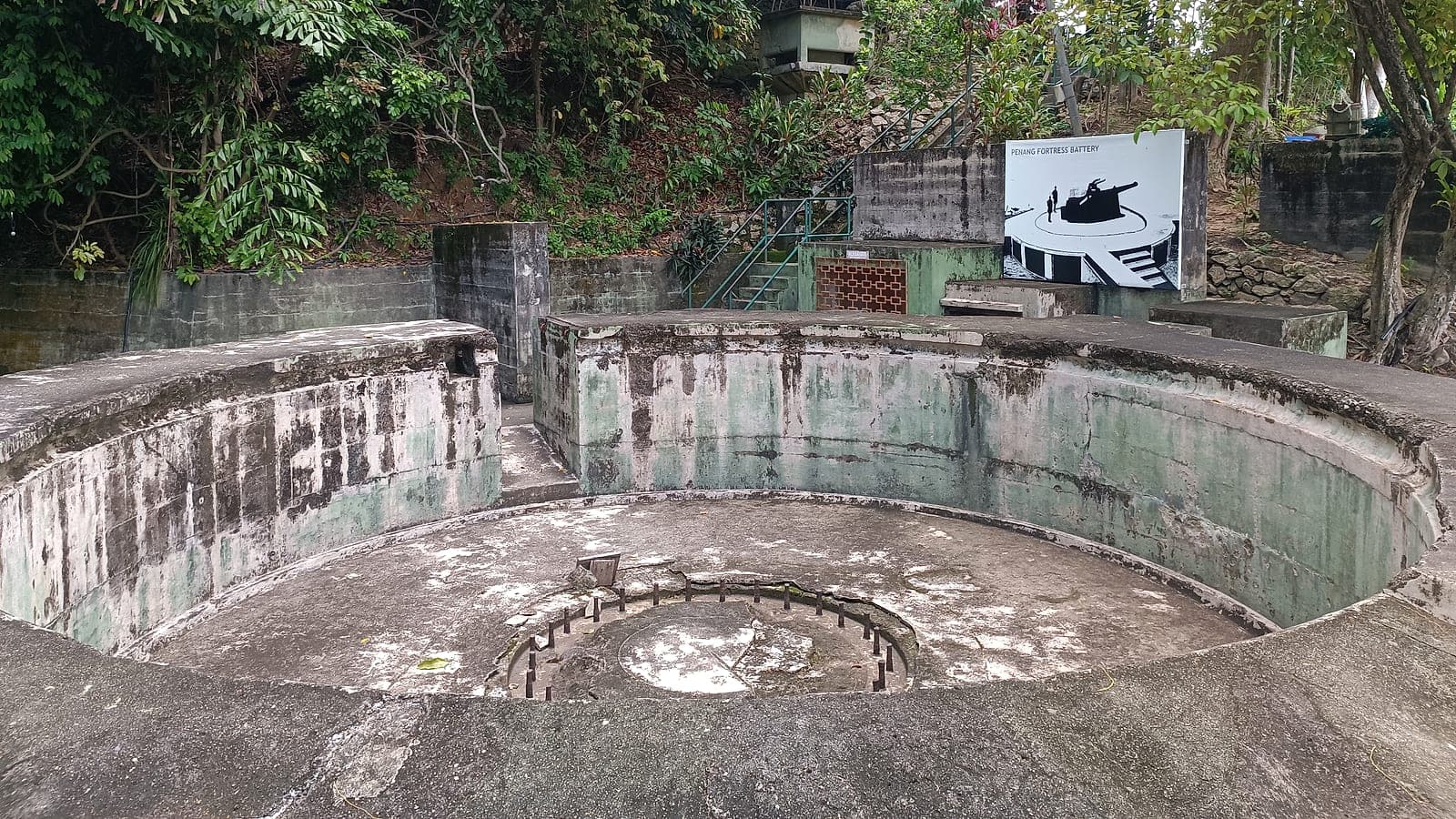
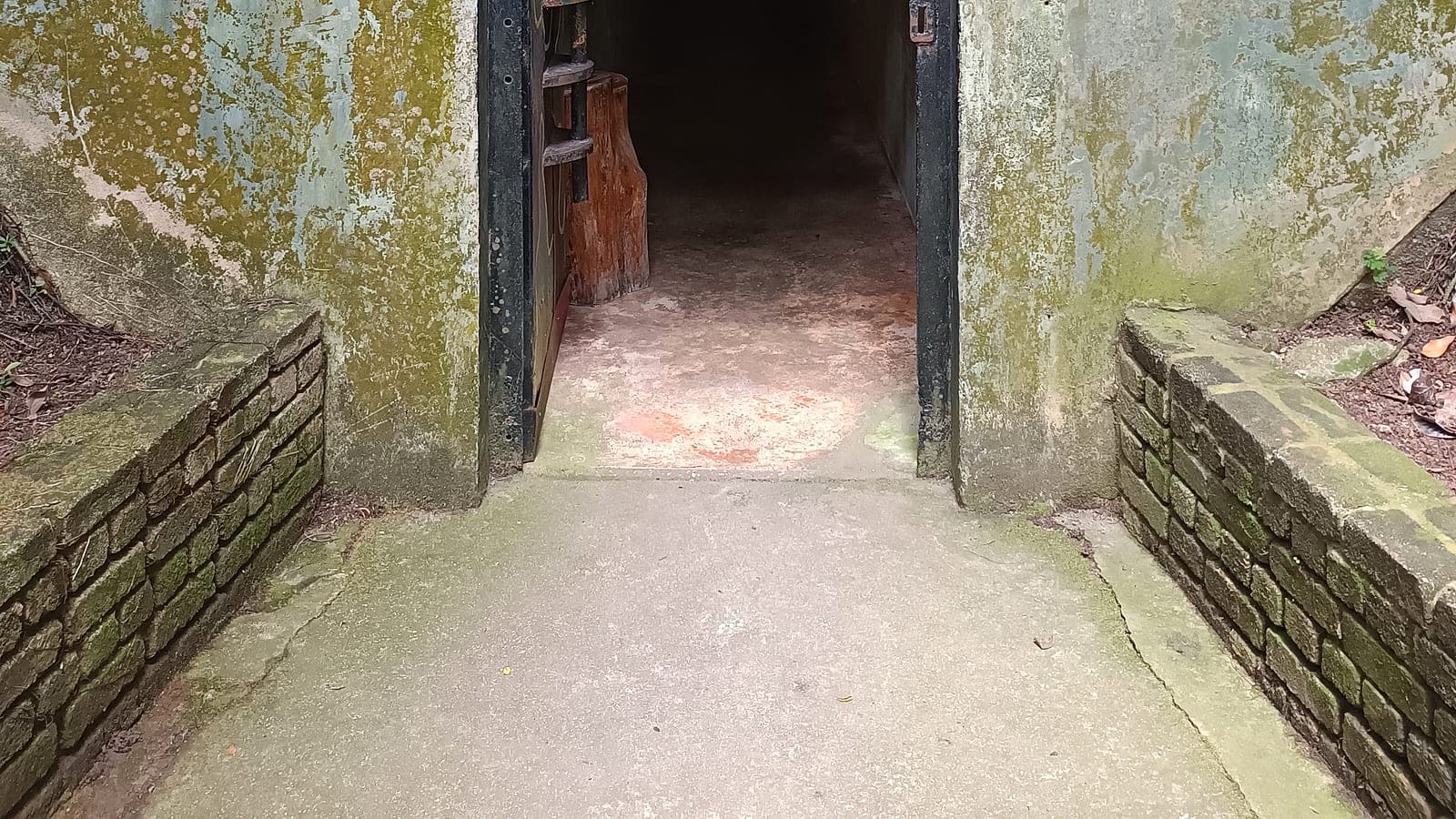
The Penang War Museum at Batu Maung
*angys* / Wikimedia Commons (CC BY-SA 4.0)
On 11 December 1941, four days after Pearl Harbor, British civil and military personnel loaded onto boats and left Penang. No defence was mounted. No warning was given to the population. Approximately 250,000 civilians — Malay, Chinese, Indian, Eurasian — woke the next morning to find the colonial administration gone and the Japanese army entering the island. Winston Churchill was furious when he heard. The evacuation of Penang without resistance became one of the most controversial decisions of the Malayan campaign.
The fortress on Bukit Batu Maung had been built between 1936 and 1941 specifically to defend against this kind of threat. Its cannon emplacements, observation posts, and ammunition stores were state-of-the-art for their era. Under Japanese occupation, the site took on a different function: interrogation centre, torture facility, execution ground for Allied POWs and suspected resistance members. Today Heritage Trail Sdn Bhd operates it as a war museum, and the original structures survive largely intact — the underground hospital tunnels, the detention cells, the field kitchen, the execution chamber. It is one of the most honest and sobering heritage sites in Malaysia.
History
Read the full history of Penang War Museum
Bukit Batu Maung is a hilltop at the south end of Penang Island, close to the airport, with clear sight lines across the Malacca Strait. British military planners chose the site in the mid-1930s for a coastal artillery fortress as part of a broader defensive network intended to protect Penang's harbour and the northern Malayan coast. Construction ran from approximately 1936 to 1941, producing a complex of seven ammunition stores, two major observation posts with cannon emplacements, barracks for sleeping and administration, a field kitchen, an underground military hospital in a tunnel system cut into the hillside, and command facilities.
The fortress was never used for the purpose it was built. When Japanese forces swept down the Malayan peninsula in December 1941, British commanders made the decision to evacuate Penang rather than attempt a defence. The evacuation on 11 December 1941 — three days after the Japanese landings at Kota Bharu — was the first fall of a British colonial capital in the campaign and left the civilian population entirely unprotected. Japan occupied Penang until 28 August 1945. During that period the Bukit Batu Maung site functioned as an interrogation and detention facility. The site was opened as a heritage museum in 2002.
Photography Guide
- Best time
- Morning (9–11am) before the tropical heat makes the hillside walk uncomfortable; the forested site provides shade but the open cannon emplacements are fully exposed
- Best position
- The cannon emplacements looking out over the strait for context shots; the underground hospital tunnel entrance for atmospheric low-light photography; the ammunition store interiors for texture and shadow detail
- What's allowed
- Photography throughout. Interior tunnels require a torch — flash alone is insufficient. Mannequin displays in detention areas are graphic; frame carefully for general audiences.
Tips
- The underground tunnels are very dark — bring a torch or use your phone torch; camera flash alone will not capture the tunnel depth
- The exterior concrete structures photograph well in overcast light; direct sun creates harsh shadows on the bunker walls
- Wide angle is better than telephoto for the tunnel interiors — the spaces are narrow
- Be aware that the mannequins in the detention and execution areas are graphic; consider framing carefully if shooting for general audiences
Plan Your Visit
Before your visit
No suggestions yet.
After your visit
15 minutes by car further north along the south Penang coast — a brief and unusual stop that works well as a decompression after the weight of the war museum
Travel times are approximate.
Map & Directions
Insider Tips
- •Wear sturdy shoes and bring a torch or phone light for the darker tunnels
- •Allow 2-3 hours to explore the entire hillside complex thoroughly
- •Bring water and insect repellent - the site covers a large forested area
- •The site can be emotionally heavy - it was a real execution ground
- •Best visited in the morning before the afternoon heat makes the hillside walk tough
Frequently Asked Questions
Why did the British leave Penang without a fight in 1941?
The decision to evacuate rather than defend Penang on 11 December 1941 was made by British military commanders as part of a wider strategic withdrawal down the Malayan peninsula. Penang's defences were assessed as insufficient to hold against the Japanese advance, and the island had no strategic depth. Approximately 250,000 civilians — of all ethnicities — were left without warning or protection. Churchill later described the evacuation as a disgrace. It remains one of the most controversial command decisions of the Malayan campaign.
Is the site suitable for children?
The museum is not recommended for children under 10. The detention cells, torture chamber, and execution ground contain graphic mannequin displays and documentation of atrocities. For children aged 10–12, parental judgement applies. Teenagers with an interest in history will find the site genuinely educational.
How long does the visit take?
The site covers five acres of hillside. A thorough visit — reading the informational panels, entering all the structures, walking the full perimeter — takes 2.5 to 3 hours. Allow more time in the morning; afternoon heat on the exposed sections of the site can be exhausting.
Is the site accessible for visitors with mobility limitations?
The site is on a hillside with uneven terrain, steps, and unpaved paths. The underground hospital tunnels require bending in places. Wheelchair access is not feasible for most of the site. Visitors with limited mobility can access some of the ground-level structures near the entrance but cannot complete the full site.
How do I get to the Penang War Museum without a car?
Grab is the practical option from Georgetown — approximately 30 minutes and RM25–35. There is no direct public bus service to Bukit Batu Maung. If using Grab, book your return ride before going in; the site is remote and Grab availability from this location can be limited, especially mid-afternoon.