Fort Cornwallis
George Town
Daily 9am-6pm
RM20 adult, RM10 child (foreigner); RM5 adult, RM2 child (Malaysian)
30–60 minutes
Late afternoon when the Esplanade catches golden hour light and the sea turns silver
Self-guided; museum exhibit texts in English and Malay
What is Fort Cornwallis?
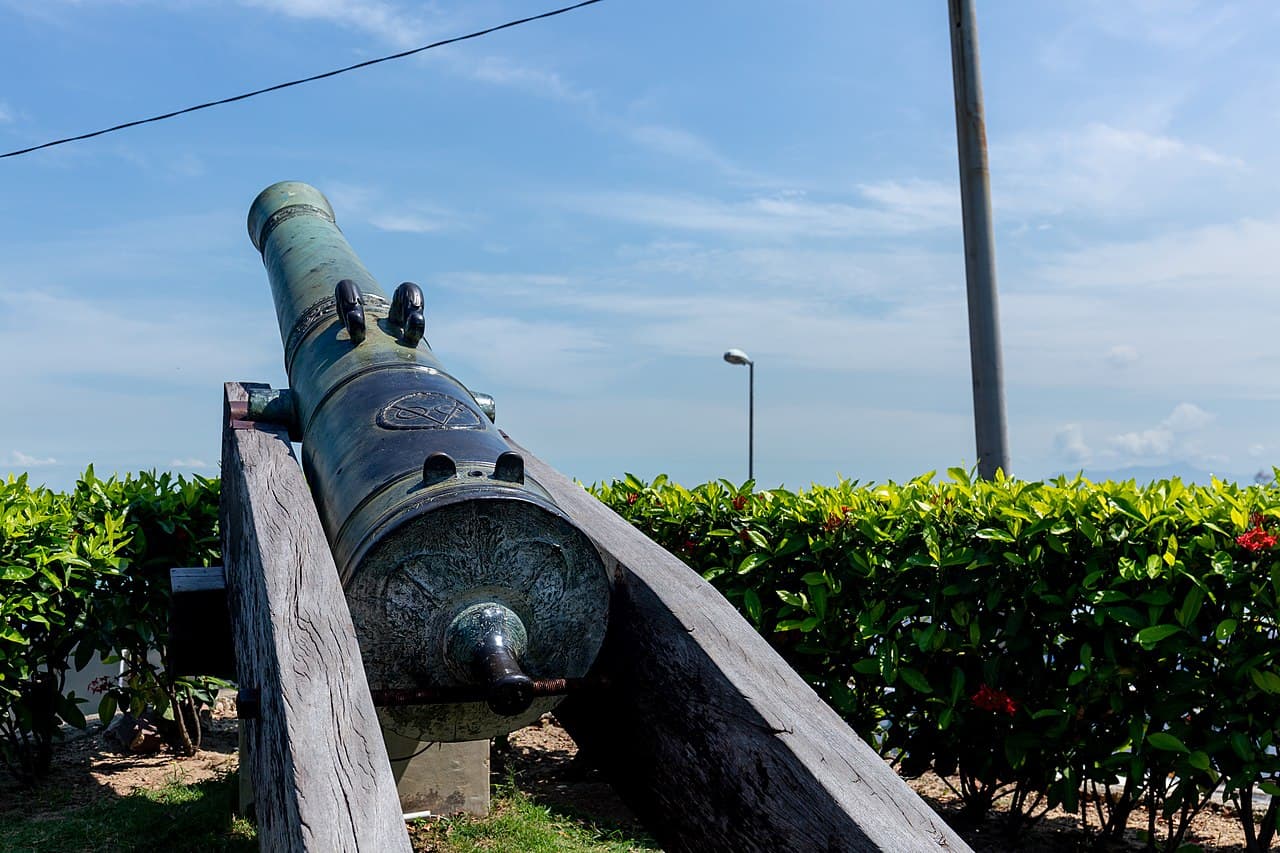
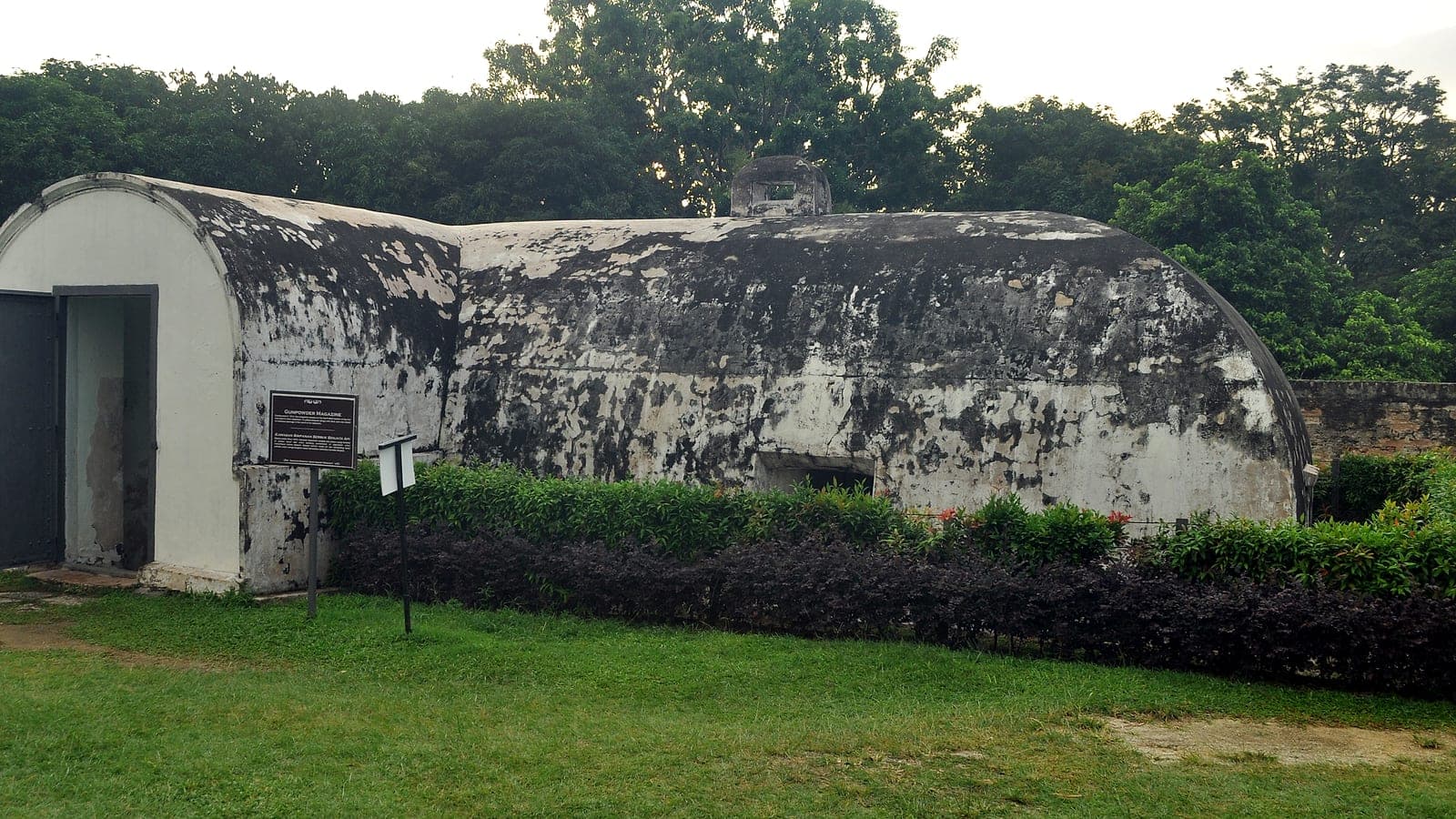
Fort Cornwallis is Malaysia's largest standing fort, built at the beach where Captain Francis Light landed on 17 July 1786 to claim Penang Island for the East India Company. The star-shaped stone fort (rebuilt 1808–1810) never saw battle; it houses a small museum, a chapel-turned-gallery, gunpowder magazines, and the 17th-century Seri Rambai cannon that locals believe has fertility powers. Admission is RM20 adult (foreigners), RM5 adult (Malaysians); open daily 9am–6pm.
Photos5 photos
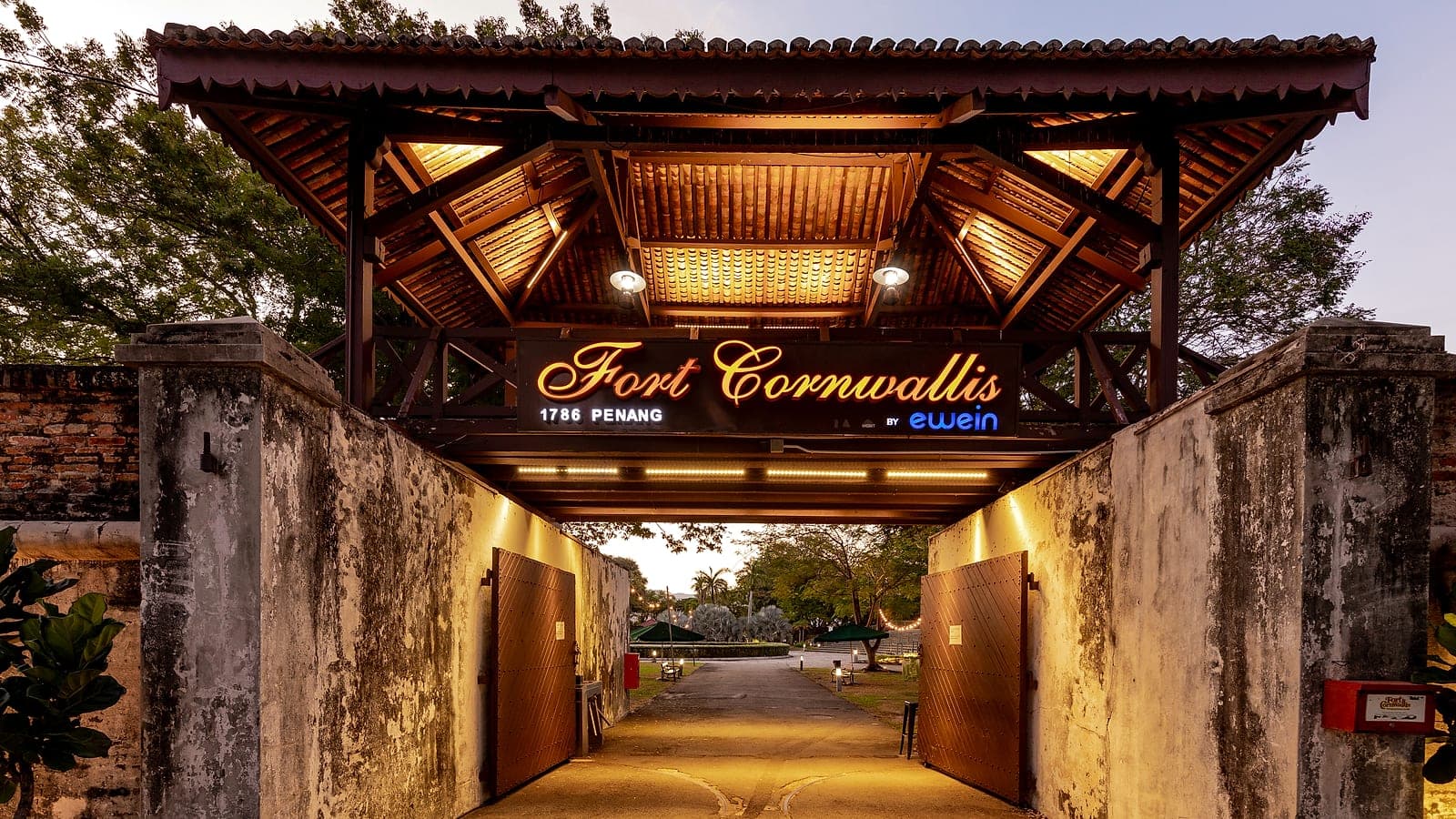
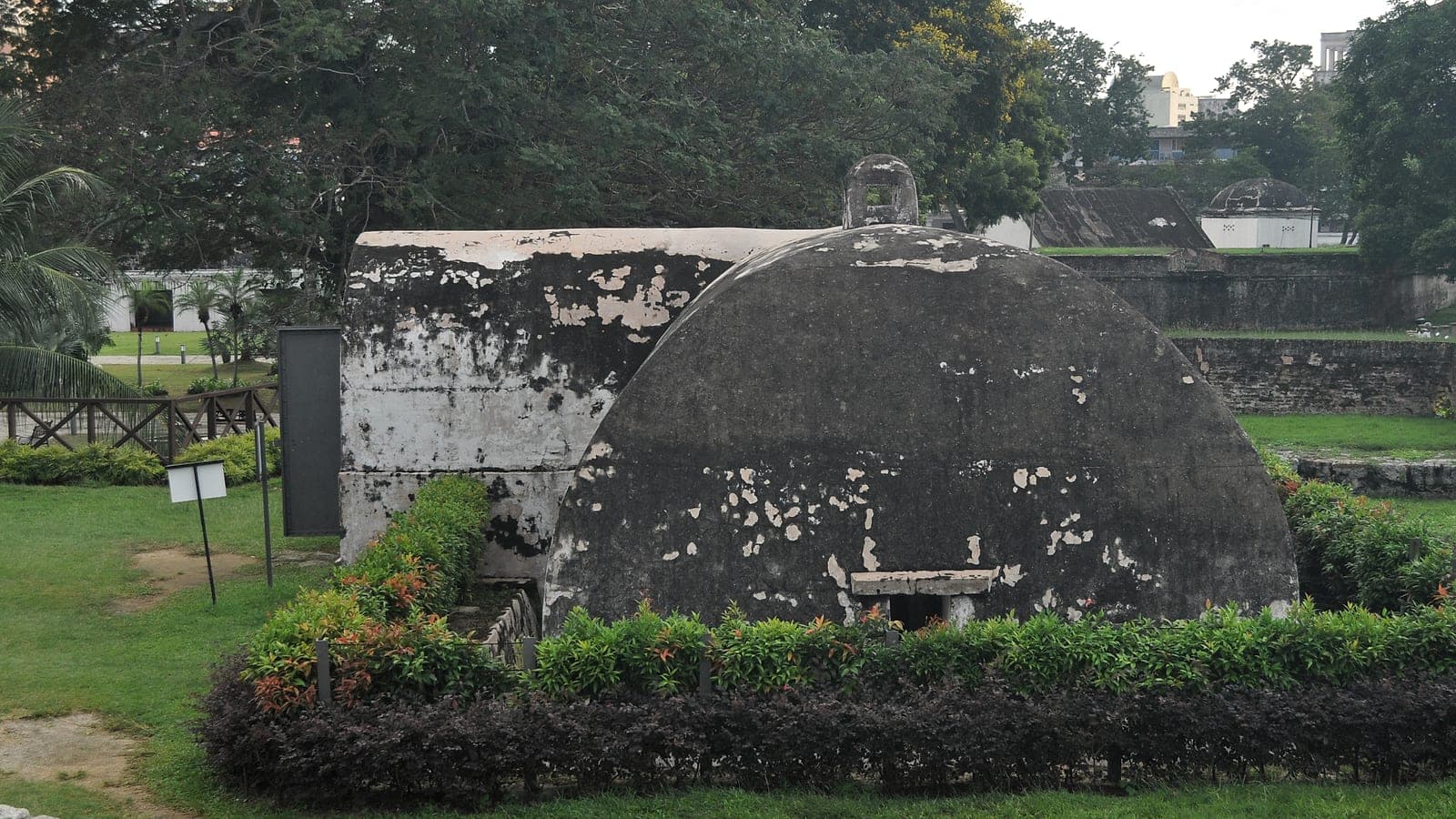
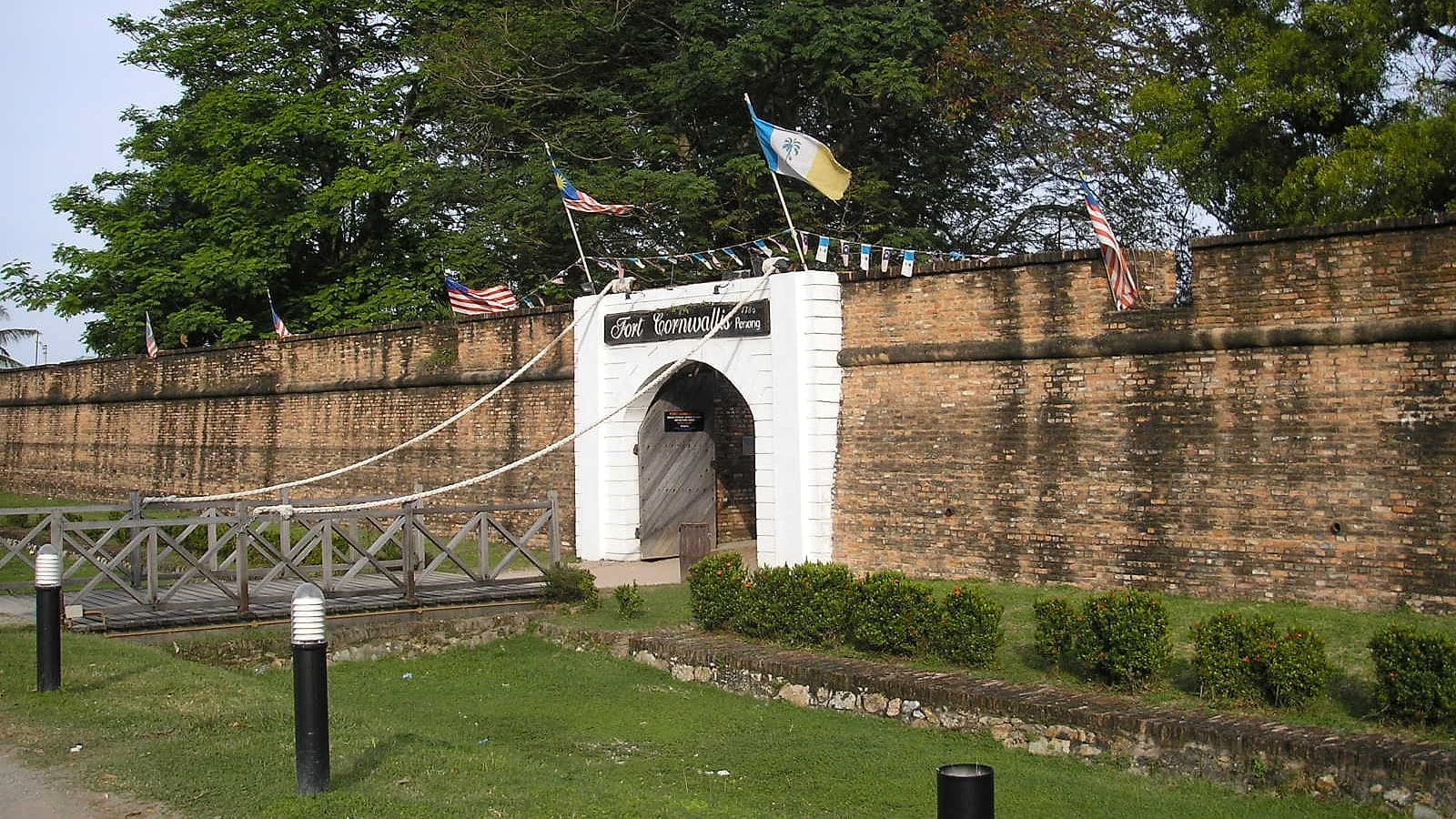
The walls of Fort Cornwallis, Penang's largest standing fort
Paweł 'pbm' Szubert (talk) / Wikimedia Commons (CC BY-SA 4.0)
There was nothing here when Francis Light stepped ashore in July 1786 — just jungle, a beach, and a small Malay settlement further up the coast. The East India Company needed a harbour in the Straits of Malacca to support its trade routes to China, and this northern tip of the island offered deep water and protection. Light landed at this point, which he named after the Marquess Cornwallis, and the first structure was a wooden stockade thrown up quickly for basic defence. The town that grew behind it was named Georgetown in honour of King George III.
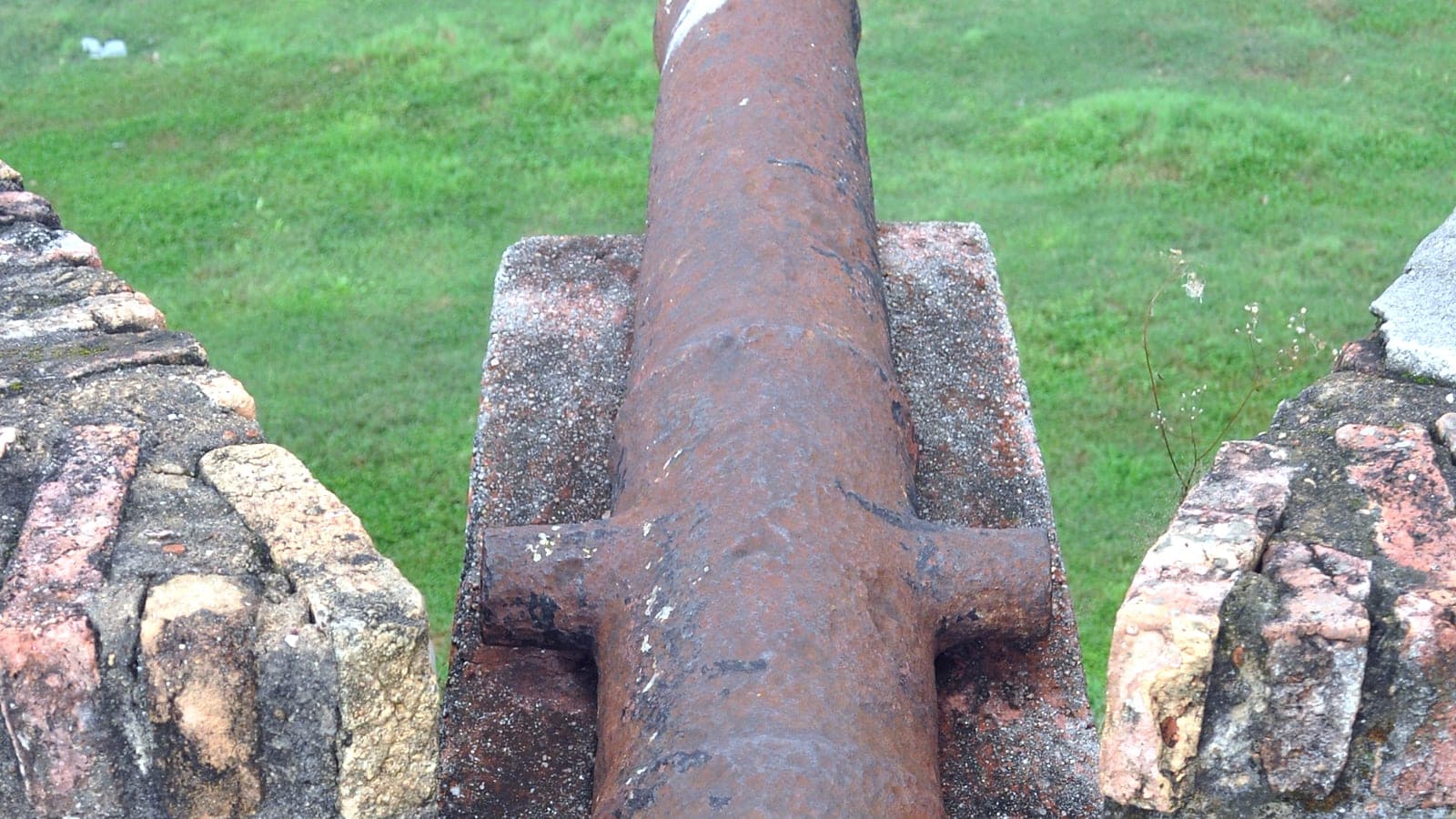
The stone fort that stands today came later, built 1808–1810 when it became clear that a permanent settlement needed permanent fortifications. The star shape was a military engineering standard that created mutually-covering fields of fire from each angled wall. It never needed them — Fort Cornwallis never saw battle, and its main function throughout the colonial period was administrative. The most famous object inside is the Seri Rambai cannon, a Dutch bronze piece cast in 1603 that arrived via various colonial transfers and now sits in the northeast bastion, surrounded by offerings left by locals who believe praying at it will help with fertility.
History
Read the full history of Fort Cornwallis
The British East India Company's acquisition of Penang in 1786 was part of a broader strategic competition with the Dutch and French for control of the Strait of Malacca's sea lanes. Francis Light negotiated the transfer with the Sultan of Kedah — though the terms of what was promised to the Sultan remain disputed and were a source of later conflict. The original wooden stockade was built immediately to secure the landing point.
The stone fort was constructed 1808–1810 under the governorship of Norman Macalister. The star-shaped design was the prevailing military architecture of the period, used by colonial powers across Asia and the Americas for its defensive geometry. Fort Cornwallis remained a functioning garrison until after World War II. During the Japanese occupation (1941–1945), it was used as an internment camp. After independence, it was handed to the Penang state government and gradually opened as a heritage site.
Photography Guide
- Best time
- Late afternoon when the Esplanade catches golden hour light and the sea turns silver. The fort walls are best photographed in the morning from the Esplanade side. The interior courtyard is shadowed most of the day — overcast conditions give easier-to-expose results.
- Best position
- The best exterior view is from the waterfront Esplanade shooting toward the main entrance gate with the sea in the foreground. Inside, the star-shaped walls create clean geometric lines from the upper wall walk looking down into the interior. The Seri Rambai cannon is best photographed in late afternoon when the light enters the northeast bastion from the sea-facing side.
- What's allowed
- Photography throughout, including the museum and chapel-gallery. No flash inside the museum display cases.
Tips
- The fort is modest in scale — wide-angle lenses work best for the interior courtyard
- Late afternoon light from the sea hits the cannon beautifully — worth timing your visit
- The view from the fort walls across the Esplanade catches Penang Hill on clear days
- Penang City Hall and Town Hall (just north of the fort) are excellent colonial architecture — include them in the walking circuit
Plan Your Visit
Before your visit
Start at the jetties for the immigrant community history, then walk north to the fort for the colonial counterpoint.
After your visit
Walk from the fort to Armenian Street for the street art trail — natural second half of a George Town morning.
Travel times are approximate.
Map & Directions
Insider Tips
- •The Seri Rambai cannon is the fort's most famous artefact - legend says touching it helps with fertility
- •Visit in late afternoon when the Esplanade seafront nearby catches the golden hour light
- •The fort is not huge - 30-45 minutes is sufficient for most visitors
- •Combine with a walk along the Esplanade and Padang Kota Lama (the adjacent field)
- •The nearby Penang City Hall and Town Hall are beautiful colonial buildings worth photographing
Frequently Asked Questions
What is Fort Cornwallis and why is it significant?
Fort Cornwallis marks the landing point of Captain Francis Light in 1786 when he established the British settlement of Penang — the first British possession in Southeast Asia. The star-shaped stone fort built 1808–1810 is Malaysia's largest surviving colonial fort and a National Heritage Site.
What is the Seri Rambai cannon?
The Seri Rambai is a large bronze cannon cast in the Netherlands in 1603, originally belonging to the Johor Sultanate. It passed through several colonial owners before arriving at Fort Cornwallis in the 1820s. Locals believe that women who pray at the cannon and leave offerings will be blessed with fertility.
How long should I spend at Fort Cornwallis?
30–45 minutes is sufficient for a walk through the fort, the museum, and a circuit of the walls. History enthusiasts will want closer to an hour for the museum exhibits.
How much does Fort Cornwallis cost?
RM20 for adult foreigners, RM10 for children; RM5 for Malaysian adults, RM2 for children. Open daily 9am–6pm.
Can I combine Fort Cornwallis with other George Town sights?
Yes — the Clan Jetties are a 10-minute walk and Armenian Street street art is 12 minutes away. The Esplanade promenade and Penang City Hall are immediately adjacent.