Chew Jetty
George Town
Daily, sunrise to sunset (it is a residential area)
Free
30–45 minutes including the Guan Di temple at the end
Golden hour
No formal guide needed; English signage available at key points
What is Chew Jetty?
Chew Jetty is the largest of the six Clan Jetties in George Town — a 200-metre boardwalk of wooden stilt houses built over the sea by the Chew (Zhou) clan from Fujian province. Around 75 families still live here, maintaining their Hokkien community identity for roughly 200 years. The boardwalk ends at a Guan Di temple over the water. Entry is free. It is part of the 2008 George Town UNESCO World Heritage inscription as a living heritage site.
Photos5 photos
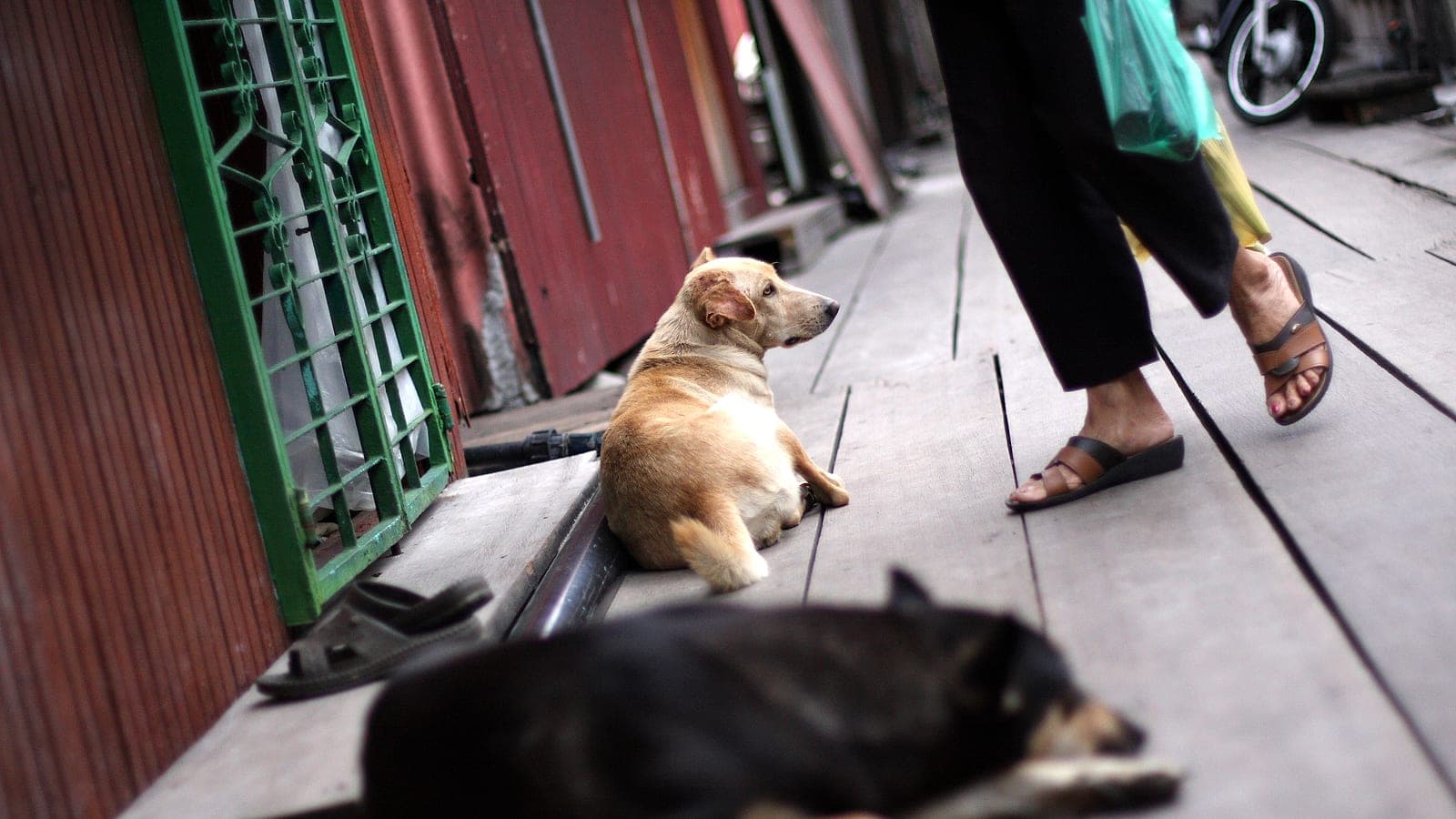
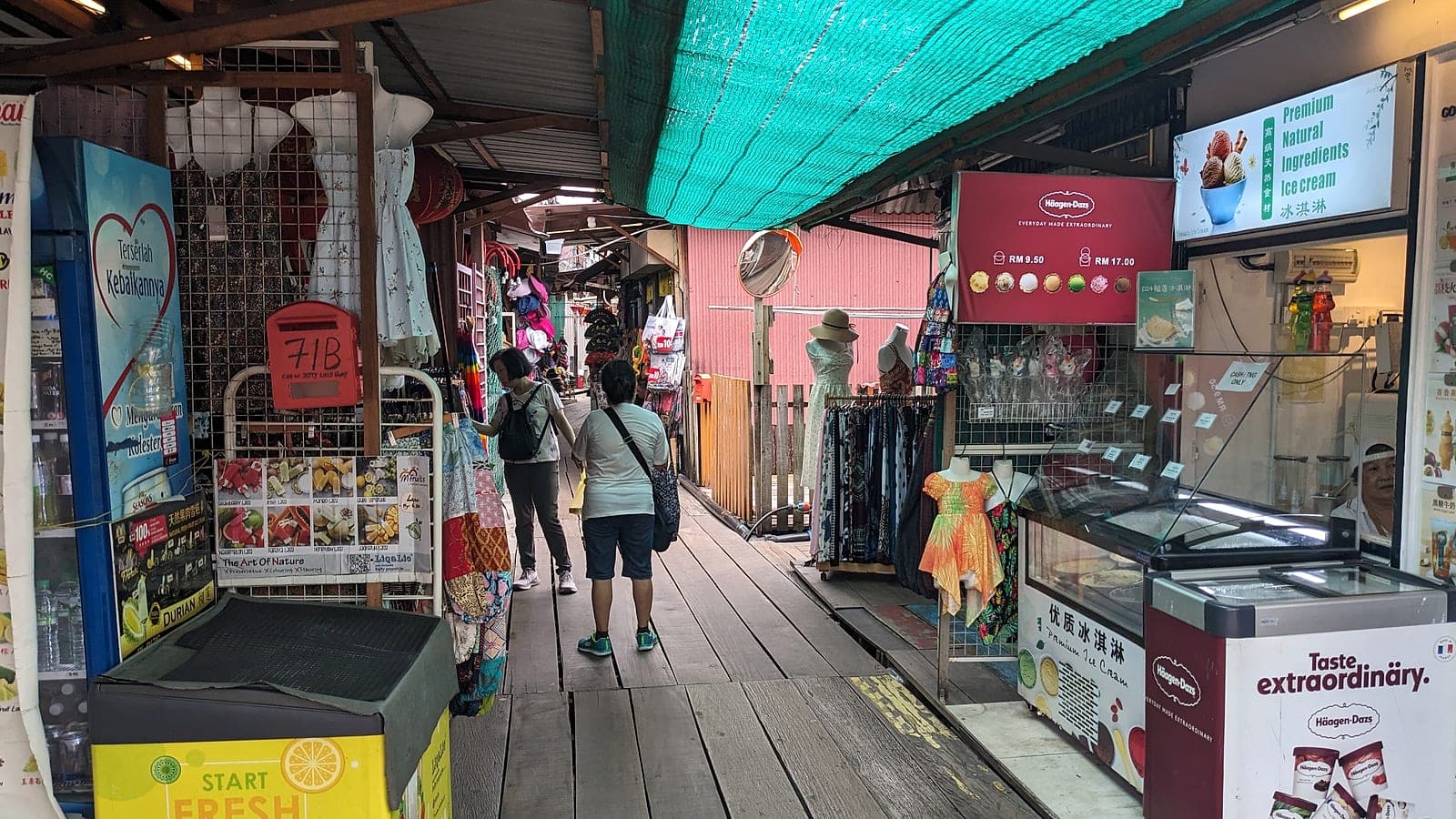
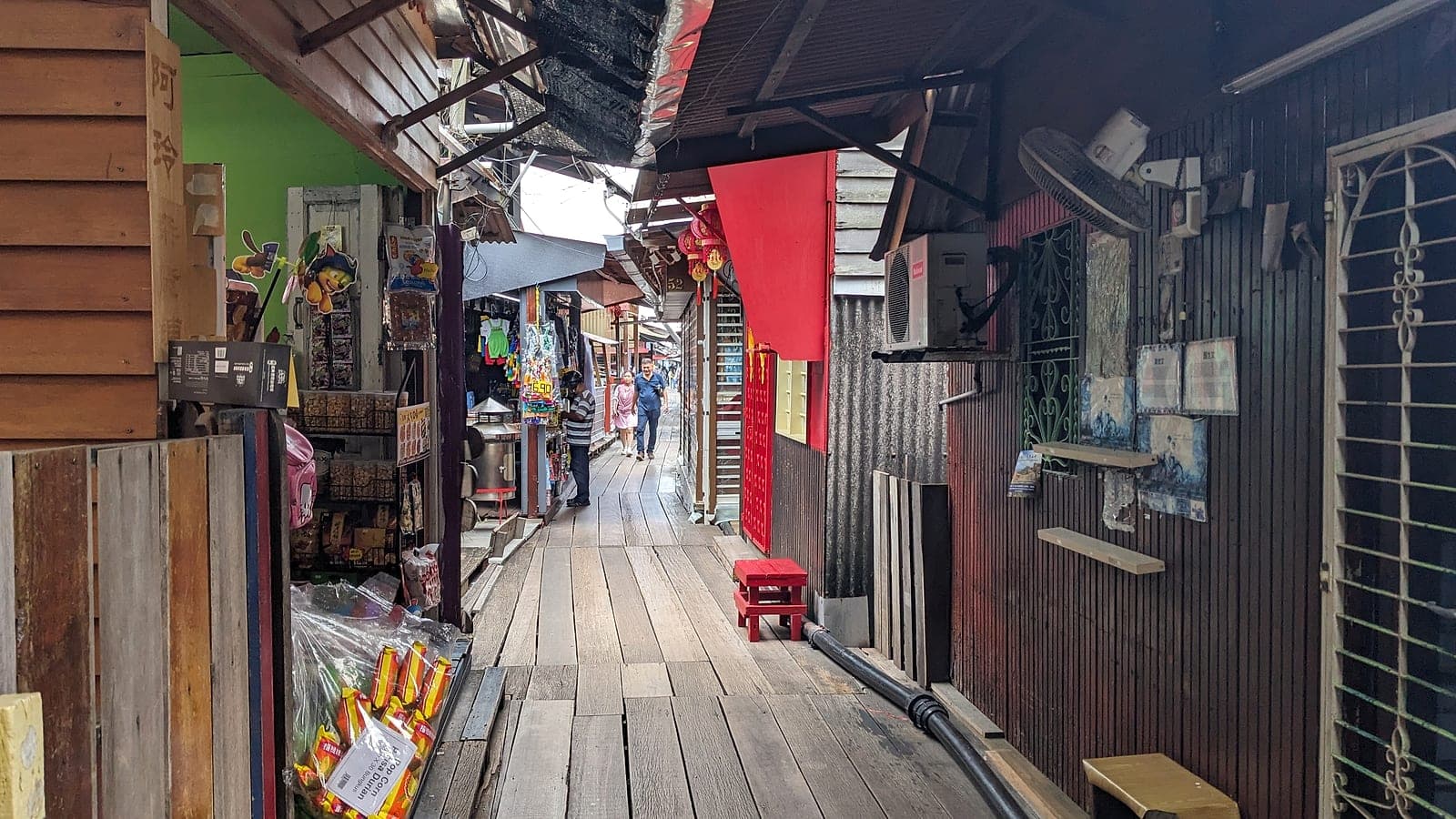
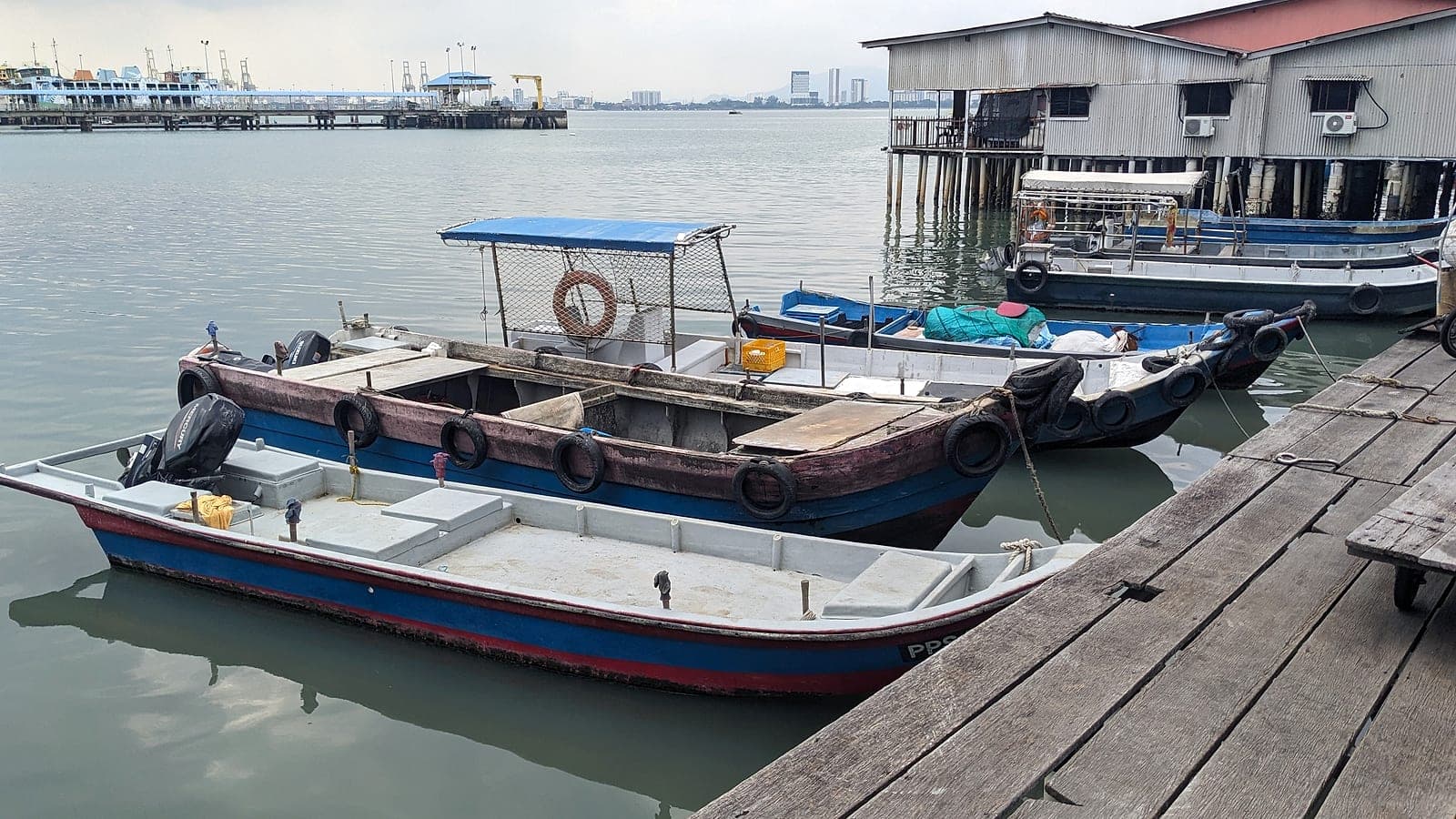
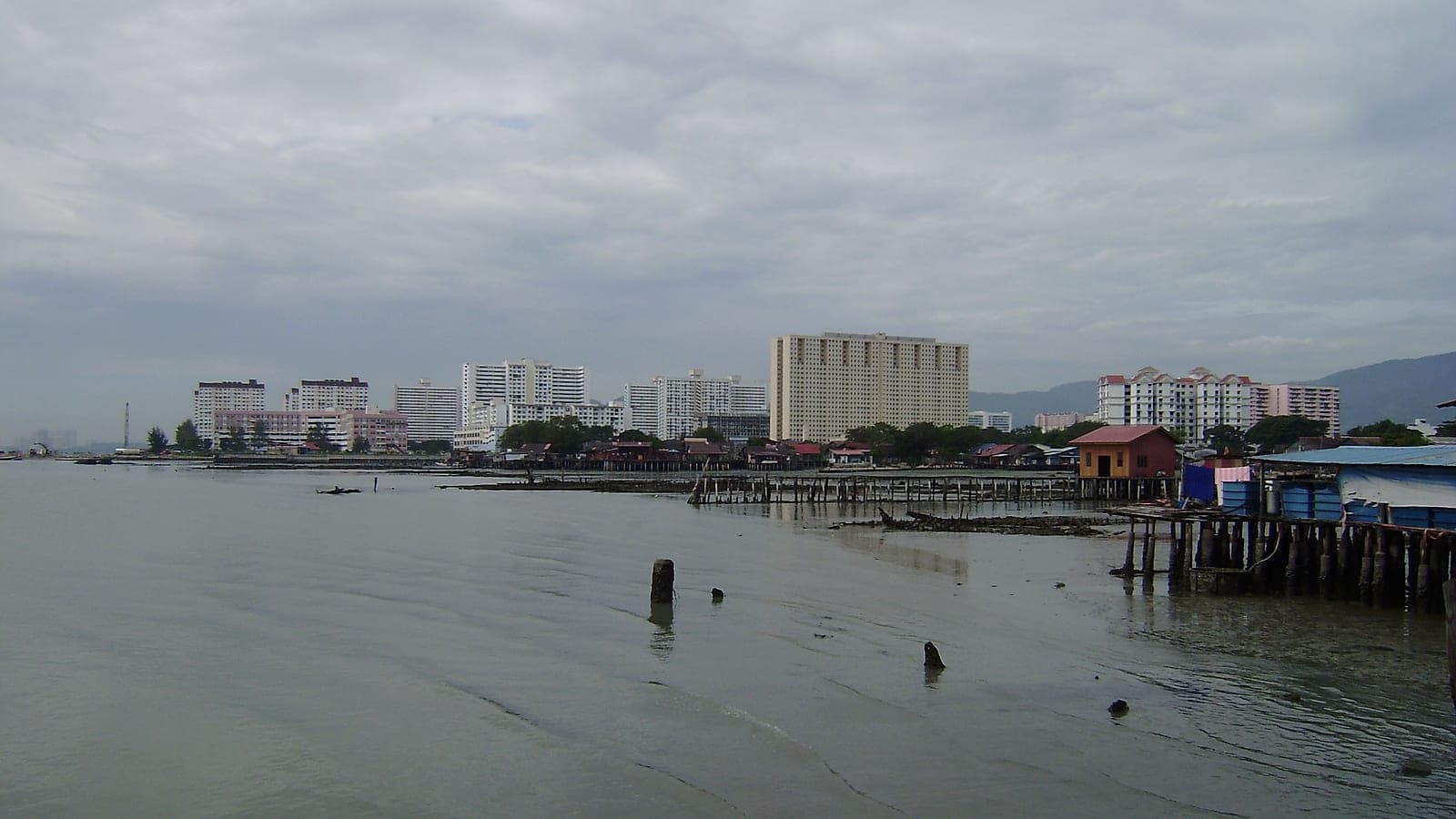
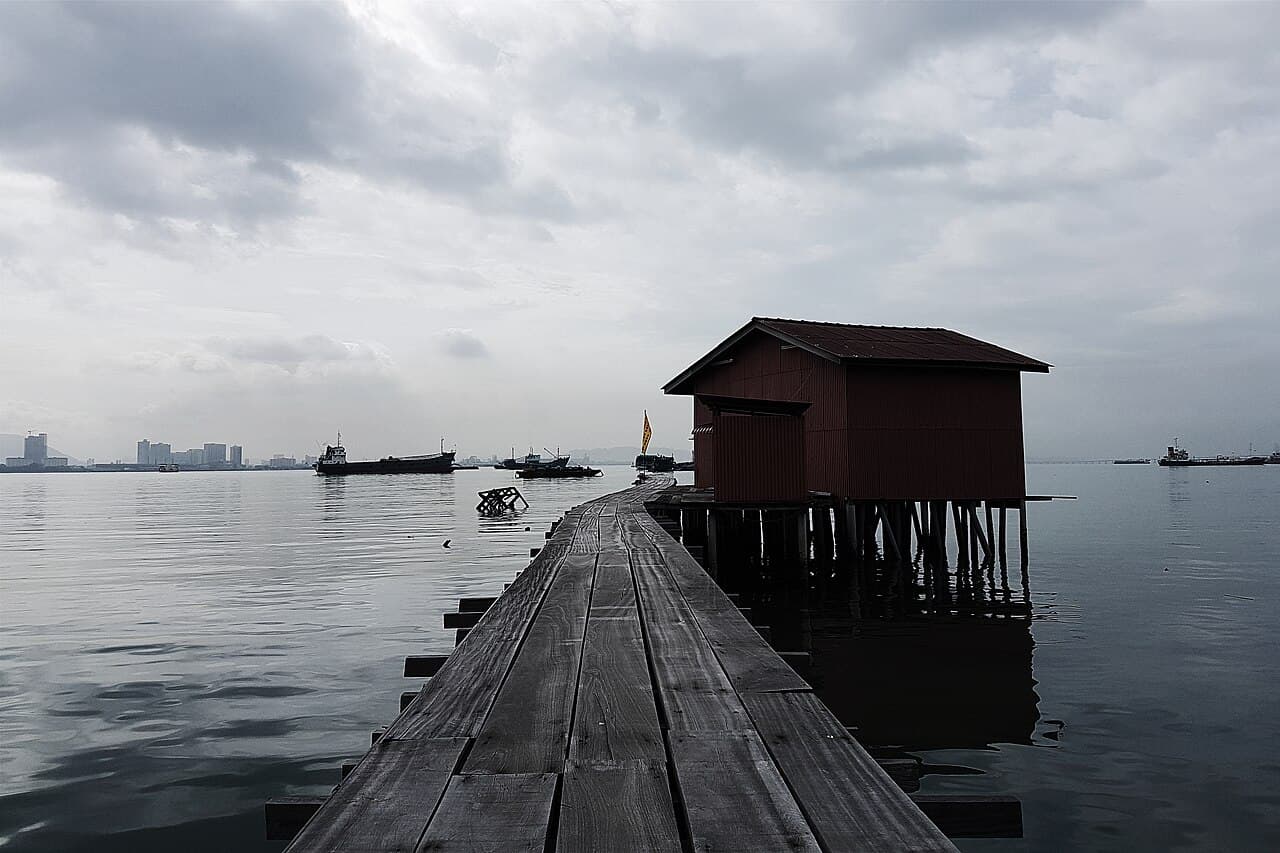
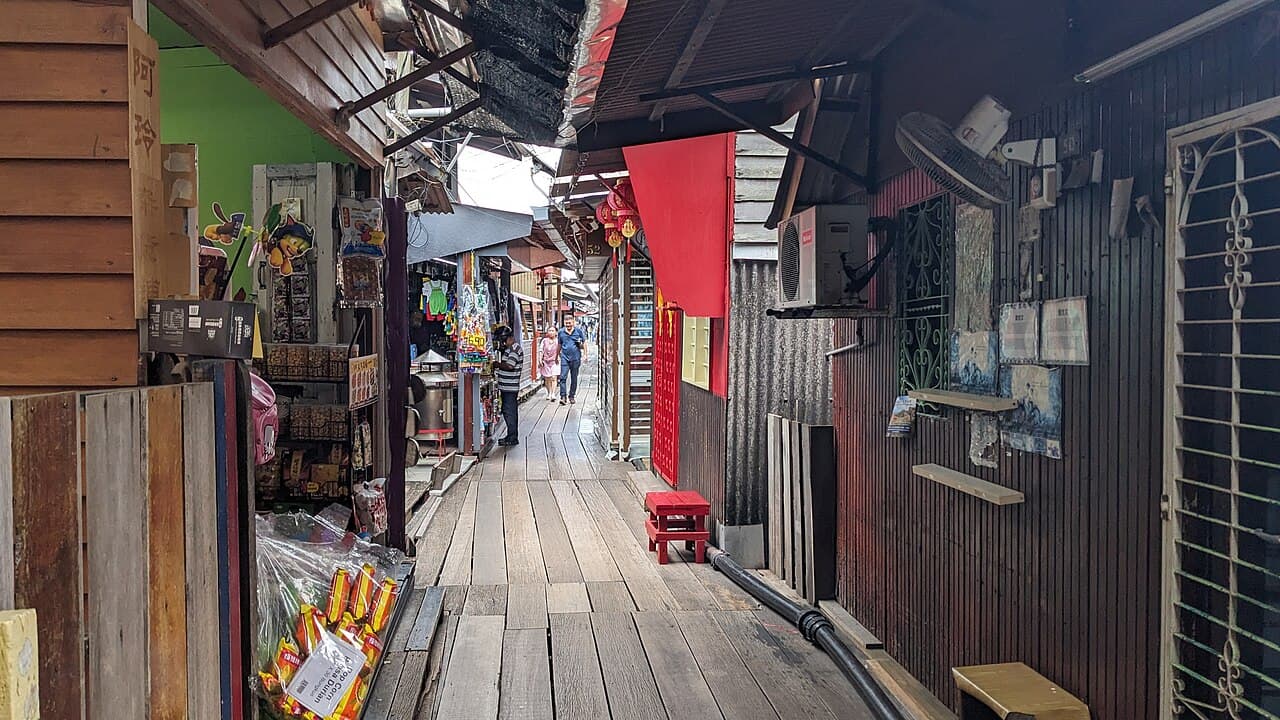
Chew Jetty, the largest of the clan jetties on Weld Quay
yeowatzup / Wikimedia Commons (CC BY 2.0)
The Clan Jetties were built by practicality. Chinese immigrant clans arriving in Penang in the early 19th century could not easily afford land in the settled town — so they built out over the sea. Timber pilings, wood-plank boardwalks, and simple stilted houses rising directly from the harbour water. The Chew clan from Fujian province built the largest, and their descendants still live in it today.
Walking Chew Jetty is an exercise in compression: the boardwalk is narrow enough that you brush past hanging laundry, hear television through open doorways, and step around children on bicycles — all while the harbour glitters below the planks underfoot. The religious and commercial layers of the community are visible too: shrines mounted on exterior walls, incense smoke drifting from doorways, small stalls selling drinks and roasted chestnuts. The Guan Di temple at the far end is the spiritual centre of the community, and the view of George Town from the water's edge there is one of the better ones in the city.
History
Read the full history of Chew Jetty
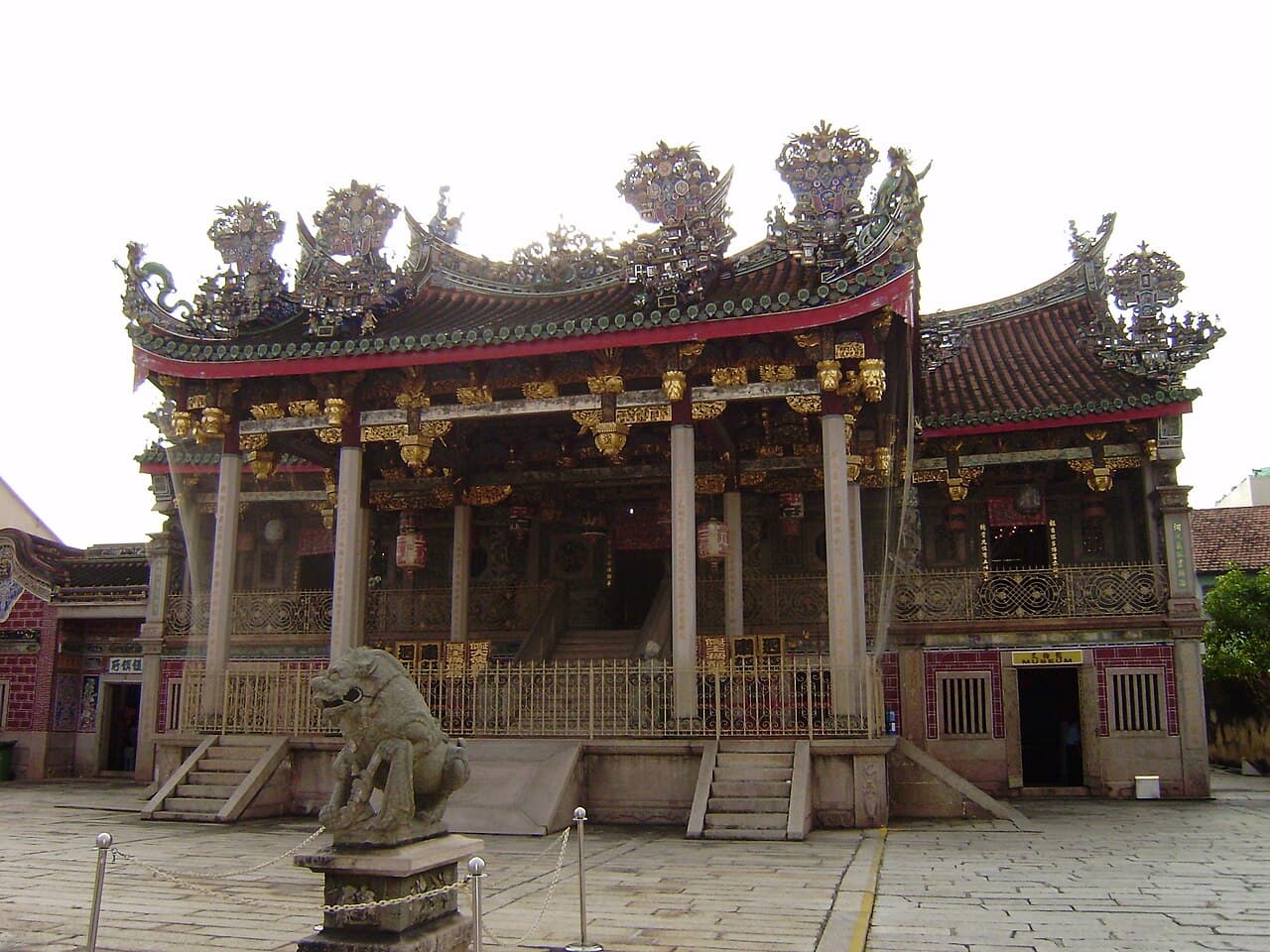
The Clan Jetties of George Town were established in the early 19th century by Chinese immigrant clans who built communities on stilts over the sea along Pengkalan Weld on the eastern waterfront. The Chew (Zhou) clan — Hokkien speakers from Fujian province — built what became the largest of the six jetties. The same Hokkien community built the Khoo Kongsi clanhouse and much of Georgetown's Chinese heritage fabric.
At their peak, the jetties were working-class marine communities: fisherfolk, dock labourers, and small traders who needed proximity to the harbour. The practical choice of building over water also served social cohesion — clan members lived in a physically bounded community, maintaining surname ties and shared religious practice around the Guan Di temple.
The 2008 UNESCO World Heritage inscription of George Town specifically included the Clan Jetties as living heritage — a rare recognition of an inhabited community rather than a static monument. Around 75 families remain at Chew Jetty today. The other jetties (Tan, Lim, Lee) are less commercially visited and offer a quieter, more residential atmosphere.
Photography Guide
- Best time
- Golden hour — early morning (7–8am) or late afternoon (5–6pm) for warm light across the boardwalk and harbour reflections
- Best position
- Looking down the boardwalk towards the Guan Di temple with laundry and lanterns framing the depth; or from the temple end looking back at George Town skyline
- What's allowed
- Photography freely permitted on the boardwalk and public areas; respect residential privacy and do not photograph through open doors
Tips
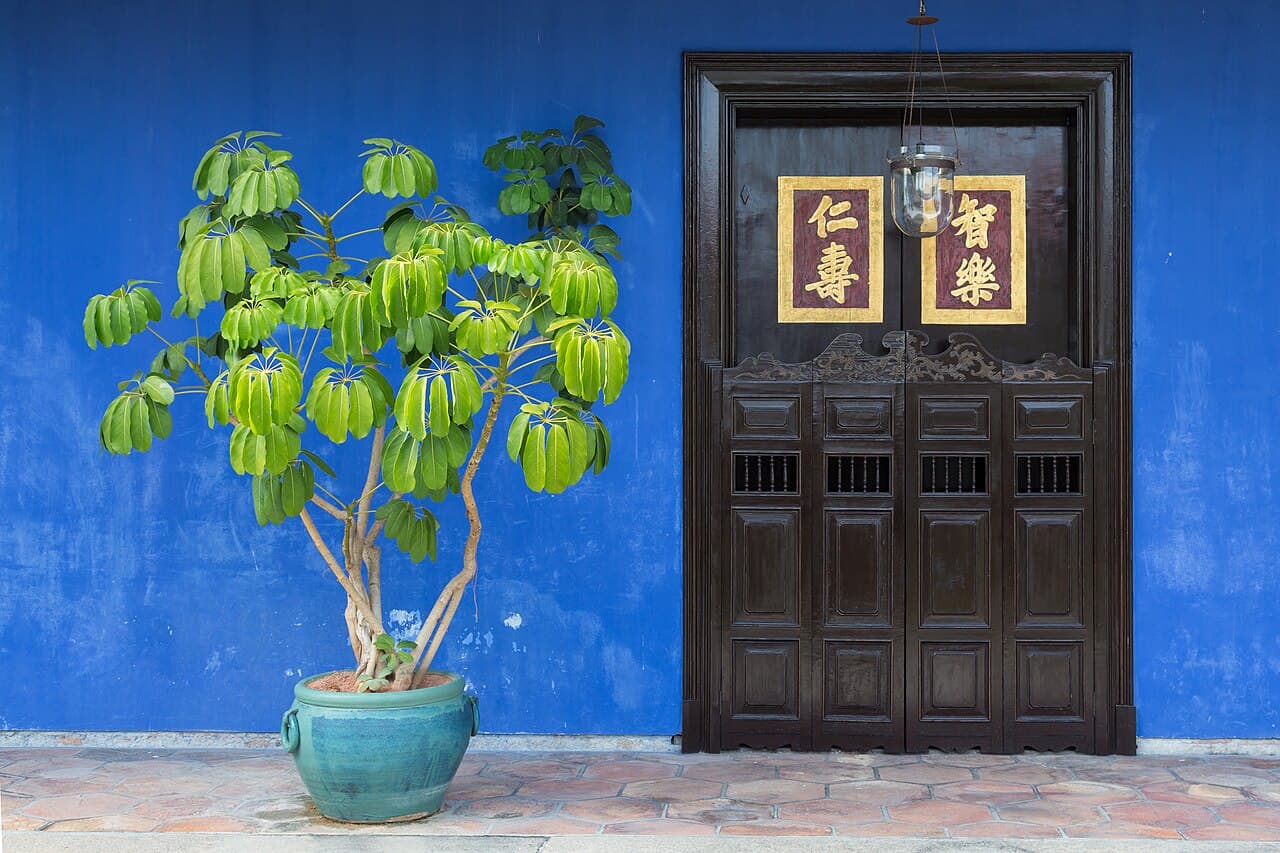
- Photograph house facades and clan emblems at eye level — the detail on individual doors and shrines rewards close attention
- The gaps in the boardwalk planks give interesting downward shots of harbour water below
- Respect residential privacy — do not photograph through open doors or windows directly into homes
- Chinese New Year transforms the visual completely — lanterns, red bunting, and performance stages if you can time your visit
Plan Your Visit
Before your visit
15 minutes walk north along Pengkalan Weld waterfront road
After your visit
12 minutes walk inland into the Hokkien heritage core of George Town
15 minutes walk north along the waterfront if not visited before
Travel times are approximate.
Map & Directions
Insider Tips
- •Early morning or late afternoon gives the best light for photography
- •Walk all the way to the end for the temple and the best harbour views
- •Be quiet and respectful - families live here and it can feel intrusive to residents
- •The small stalls at the entrance sell good local snacks and cold drinks
- •Visit on Chinese New Year for elaborate decorations and cultural performances
Frequently Asked Questions
Do people actually live on Chew Jetty?
Yes — around 75 families of the Chew (Zhou) Hokkien clan remain as permanent residents. The houses are genuinely inhabited homes, not a reconstructed heritage display. Please be respectful of the residential nature of the community.
Is Chew Jetty part of the UNESCO World Heritage Site?
Yes. The Clan Jetties are specifically included in the 2008 UNESCO inscription of George Town as a living heritage component — recognised for their unbroken community continuity rather than their architecture alone.
What are the other clan jetties and are they worth visiting?
The six jetties are Chew (largest, most visited), Tan, Lim, Lee, Mixed Clan, and the largely demolished Penang Jetty. Tan and Lim jetties are less commercialised and feel more authentically residential. If you want fewer tourists and a quieter atmosphere, walk to them after Chew.
When is the best time to visit?
Early morning (7–9am) for the best light and fewest tourists. Chinese New Year is the most visually spectacular time — residents decorate elaborately with lanterns and there are community performances. Book accommodation well in advance if visiting during CNY.
How long does the walk take?
The boardwalk is approximately 200 metres long. Walking to the Guan Di temple at the end and back takes about 20 minutes at a relaxed pace. Allow 30–45 minutes if you want to look at the architecture, stop at the temple, and take photographs.