History of Penang
Explore 200+ years of UNESCO heritage, colonial legacy, multicultural traditions, and wartime resilience
Why is Penang historically significant?
Founded in 1786 by the British East India Company, Penang became a major multicultural trading port blending British colonial, Chinese, Indian, and Malay influences. In 2008, George Town received UNESCO World Heritage status for its exceptional architectural heritage and living multicultural traditions — temples, clan houses, and colonial buildings still in use today.
Why Is Penang a UNESCO World Heritage Site?
Penang's history was shaped by British colonial ambition, Chinese and Indian immigration, Peranakan cultural fusion, and the resilience of communities through war and independence. Founded in 1786 by Captain Francis Light of the British East India Company, Penang became a strategic trading port that attracted diverse communities from across Asia and beyond.
Today, George Town stands as a UNESCO World Heritage Site, recognized for its exceptional multicultural heritage and unique architectural blend. Walking through its streets, you'll encounter colonial buildings, Chinese clan houses, Indian temples, Malay mosques, and Peranakan mansions — all testimony to centuries of cultural exchange and coexistence.
Whether you're drawn to colonial fortifications, clan jetty communities, Peranakan culture, or WWII memorials, Penang offers profound insights into Southeast Asian history and the forces that shaped modern Malaysia.
What Makes Penang's History Stand Out?
UNESCO World Heritage Site
George Town recognized in 2008 for exceptional multicultural heritage
200+ Years of History
Founded 1786 by Francis Light, shaped by British, Chinese, Indian, and Malay cultures
Living Heritage
Active temples, clan houses, and traditional trades continue to this day
Architectural Diversity
Colonial buildings, Chinese shophouses, Indian temples, and Malay mosques coexist
What Are the Key Chapters of Penang's History?
Colonial Heritage
1786-1957
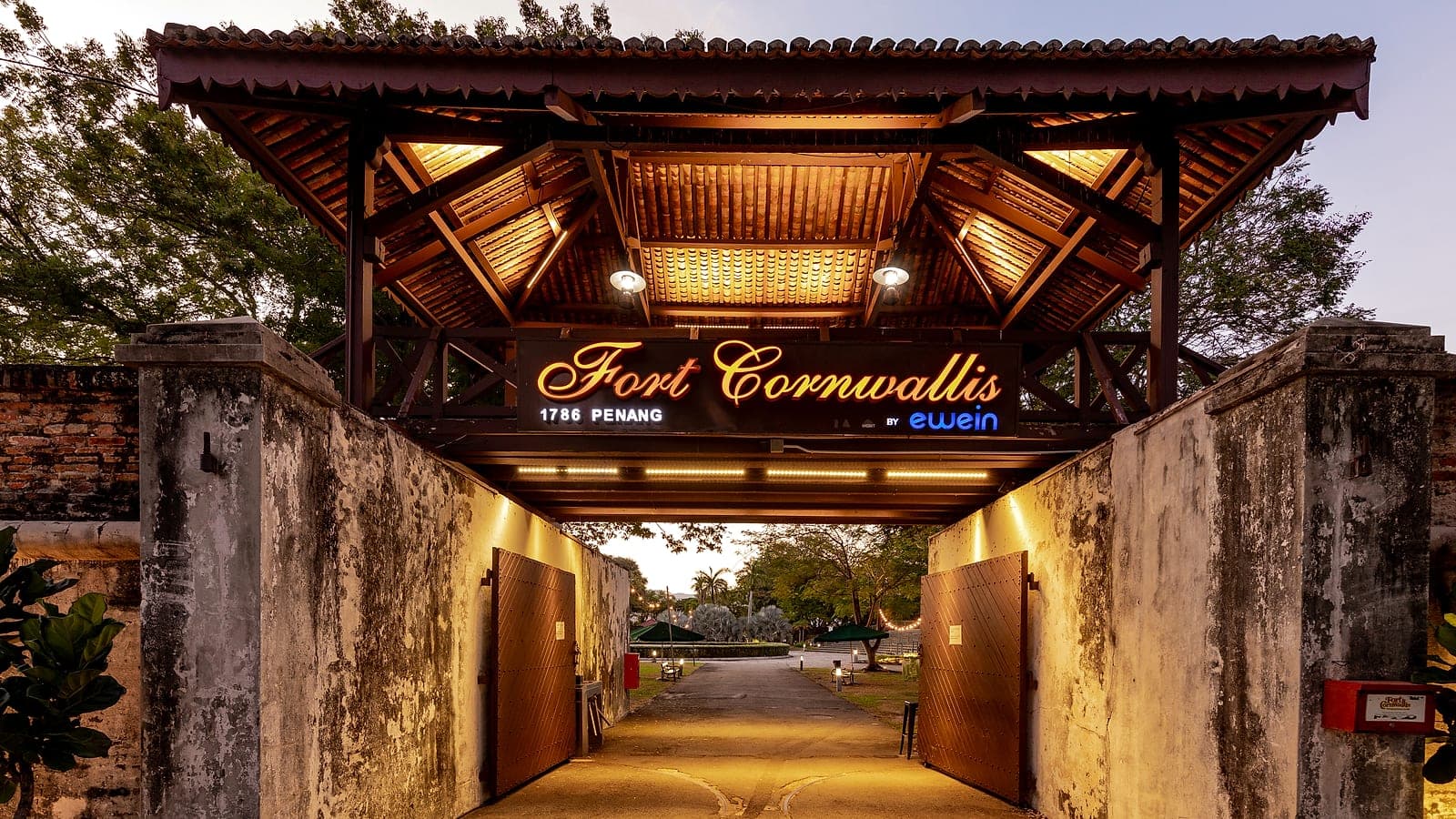
Explore 171 years of British colonial rule that shaped modern Penang. Visit Fort Cornwallis, colonial architecture, and historic landmarks.
What you'll discover:
Recommended time: 3-4 hours
Clan Houses & Kongsis
1800s-present
Discover the magnificent clan jetties and kongsi temples that showcase Chinese immigrant community heritage in George Town.
What you'll discover:
Recommended time: 2-3 hours
Peranakan Heritage
1400s-present
Experience the unique Straits Chinese culture blending Malay and Chinese traditions through museums, mansions, and cuisine.
What you'll discover:
Recommended time: 2-3 hours
WWII Sites
1941-1945
Visit Malaysia's largest war museum, occupation sites, memorials, and learn about the 44-month Japanese occupation of Penang.
What you'll discover:
Recommended time: 3-4 hours
Key Moments in Penang History
British East India Company establishes Penang settlement
Francis Light arrives, founding modern Penang
Chinese and Indian immigration boom
Clan houses, temples, and diverse communities established
Japanese occupation during WWII
44 months of occupation leave lasting impact
Malaysian independence
Penang transitions from British colony to Malaysian state
George Town receives UNESCO World Heritage status
Global recognition of exceptional cultural heritage
Planning Your Historical Tour
Self-Guided Heritage Walks
Each historical topic includes a self-guided walking tour with detailed routes, key stops, and historical context. Most walks are 2-5 km and take 2-4 hours including site visits.
Essential Museums
- •Penang War Museum: Malaysia's largest war museum (RM30 adults)
- •Pinang Peranakan Mansion: Restored 1890s townhouse (RM25 adults)
- •Fort Cornwallis: British fortress and museum (RM20 adults)
Best Time to Visit Historical Sites
Visit outdoor sites early morning (8-9 AM) or late afternoon (4-6 PM) to avoid midday heat. Museums are best visited during the hottest hours (11 AM-3 PM). Allow 2-3 days for comprehensive historical exploration.
Frequently Asked Questions
Why is George Town a UNESCO World Heritage Site?
George Town was inscribed as a UNESCO World Heritage Site in 2008 for its exceptional example of multicultural heritage and unique architectural townscape. It showcases the fusion of British colonial, Chinese, Indian, and Malay influences over 200+ years.
What are the major historical periods in Penang?
Penang's major historical periods include: Pre-colonial Malay settlement (before 1786), British colonial era (1786-1957), Japanese occupation during WWII (1941-1945), post-independence development (1957-present), and UNESCO heritage recognition (2008-present).
How long does it take to explore Penang's history?
A comprehensive historical tour requires 2-3 days: Day 1 for colonial sites and heritage walks, Day 2 for clan houses and Peranakan culture, Day 3 for WWII sites and museums. Each historical topic can be explored in 2-4 hours if time is limited.
What is Peranakan culture?
Peranakan (Straits Chinese) culture emerged from intermarriage between Chinese immigrants and local Malays from the 15th century onward. It blends Chinese and Malay traditions in language, cuisine, architecture, and customs, creating a unique hybrid culture most visible in Penang and Melaka.
What are the must-visit heritage sites in George Town?
Essential heritage sites include Fort Cornwallis (British fortress, RM 20 adults), Khoo Kongsi (most ornate clan temple, RM 10), Pinang Peranakan Mansion (restored 1890s townhouse, RM 25), Penang War Museum (WWII history, RM 30), and Cheong Fatt Tze Blue Mansion (guided tours daily). The Armenian Street area is free to walk and offers street art alongside heritage buildings.