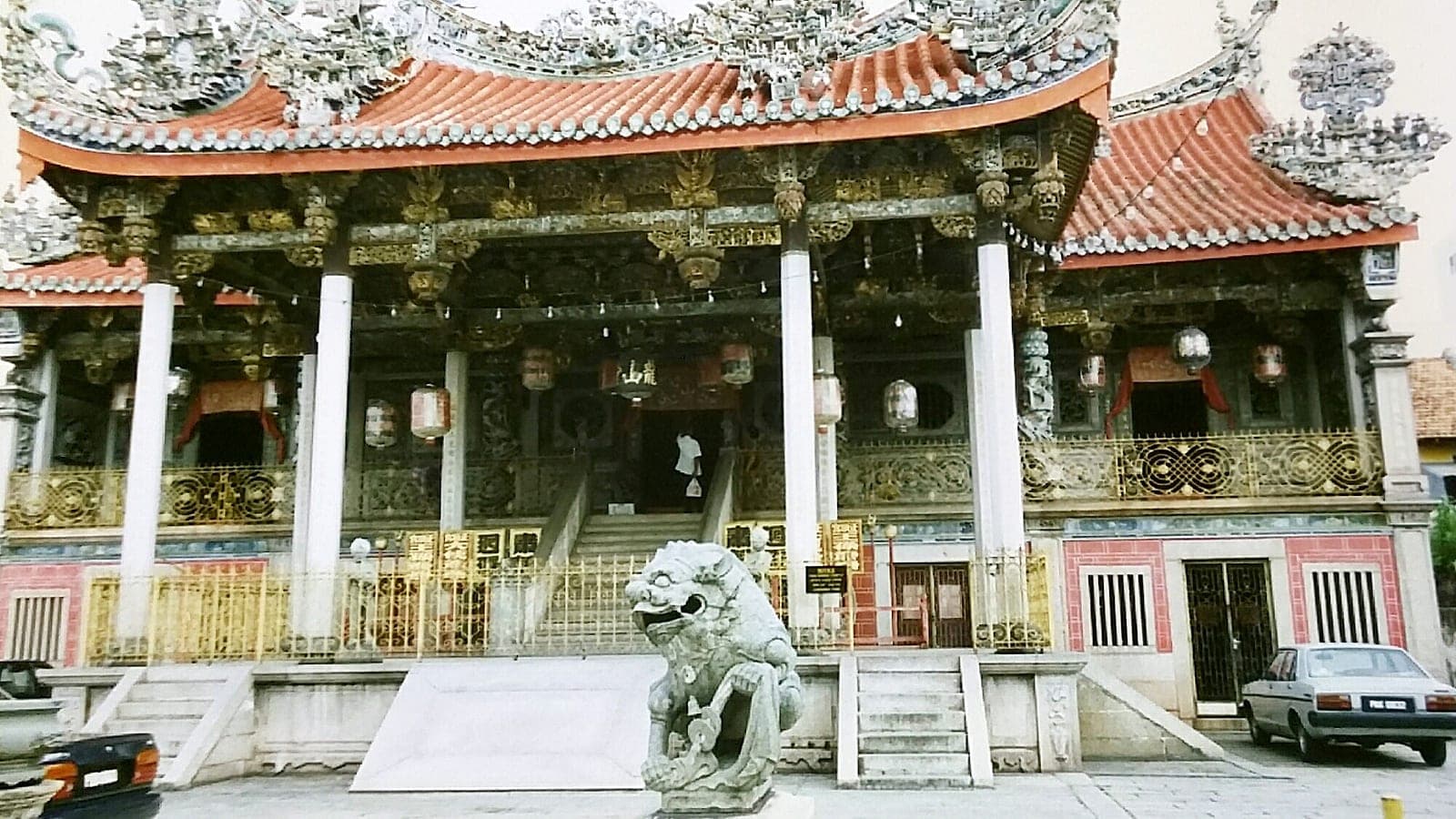
Chinese Clan Houses & Kongsis
Explore Penang's historic clan associations: Khoo Kongsi, family jetties, and the diverse Chinese communities that built the city
Understanding Clan Houses (Kongsis)
When Chinese immigrants arrived in Penang from the 1780s onward, they faced a foreign land where they lacked family networks and legal protections. They created kongsis—clan associations based on family surname or regional origin—that served as mutual aid societies, business networks, social clubs, temples, and political representatives.
These associations were crucial to Chinese settlement success. They provided newcomers with housing assistance, job connections, emergency loans, healthcare, and legal support. In return, members contributed financially and socially to maintain the association and support fellow clan members.
Today, Penang's clan houses—particularly Khoo Kongsi—stand as architectural marvels and cultural institutions, preserving centuries of Chinese heritage. The clan jetties remain authentic waterfront communities where descendants still live and work, maintaining traditions that span generations.
Why Clan Houses Matter
Social Function
Provided safety net for immigrants; mutual support system
Economic Function
Facilitated trade, provided loans, protected business interests
Cultural Function
Preserved language, traditions, and customs for descendants
Major Clan Houses to Visit
Historic associations with stunning architecture and active communities
Khoo Kongsi
Khoo Clan • Est. 1835
Cannon Square (Lebuh Cannon), George Town
Largest and most ornate clan house in Southeast Asia
The Khoo Kongsi is an architectural masterpiece and the most spectacular clan house in Southeast Asia. Built over decades with contributions from wealthy clan members, it showcases extraordinary craftsmanship in every detail. The ornate carvings, gilding, and decorations are breathtaking.
Highlights:
- •Ornate carved wooden panels and beams
- •Intricate gilt decorations and details
- •Massive wooden columns with dragon carvings
- •Elaborate roof with hand-painted ceramic tiles
- + 4 more highlights
Hours
9:00 AM - 5:00 PM daily (Closed during major prayers)
Admission
RM5 donation suggested
Duration
45 minutes to 1.5 hours
Best For
Architecture enthusiasts, historians, photographers, families
Cheah Kongsi
Cheah Clan • Est. 1810
Lebuh Cannon (Armenian Street area)
One of the oldest clan associations; beautiful traditional architecture
A more intimate clan house compared to Khoo Kongsi, but with elegant traditional architecture and genuine family atmosphere. Often used for clan celebrations and community events. Well-maintained with visible historical details.
Highlights:
- •Traditional wooden architecture
- •Ornate carved details
- •Active clan meeting space
- •Community gatherings and festivals
- + 3 more highlights
Hours
9:00 AM - 5:00 PM (limited hours; call ahead)
Admission
Free
Duration
30-45 minutes
Best For
Visitors seeking authentic local experience, photographers
Yap Kongsi
Yap Clan • Est. 1820s
Lebuh Cannon area, George Town
Important Cantonese clan association
The Yap clan house serves as a hub for the Cantonese community. Like other major kong si, it has hosted clan ceremonies, weddings, and community celebrations for nearly two centuries. The interior is less ornate than Khoo but maintains traditional elements.
Highlights:
- •Traditional clan hall architecture
- •Ceremonial spaces for family occasions
- •Community cultural programs
- •Historical significance to Cantonese community
- + 2 more highlights
Hours
9:00 AM - 5:00 PM (check locally)
Admission
Free or small donation
Duration
30-45 minutes
Best For
Cultural enthusiasts, researchers
Lim Kongsi (Teochew)
Lim Clan (Teochew) • Est. 1800s
Lebuh Terengganu, George Town
Major Teochew clan association
The Lim clan house represents the Teochew (Swatow) Chinese community, one of the major dialect groups in Penang. The building features typical Teochew architectural styles and remains an active community center.
Highlights:
- •Traditional Teochew architectural style
- •Community meeting hall
- •Cultural center for Teochew traditions
- •Located in historic street with other clan houses
- + 1 more highlights
Hours
9:00 AM - 5:00 PM (call ahead for access)
Admission
Free
Duration
30 minutes
Best For
Cultural researchers, architecture enthusiasts
Clan Jetties: Floating Villages
Live waterfront communities with authentic maritime traditions
Chew Jetty (Teo Chew)
Population
~800 residents
Traditional Specialty
Seafood trade, fish drying
Unique Feature
Floating village atmosphere; wooden walkways over water
Visitor Activities
Walk through residential spaces, interact with residents, observe fish drying, photograph wooden architecture
Tan Jetty (Hokkien)
Population
~500 residents
Traditional Specialty
Shipbuilding, traditional timber work
Unique Feature
Still functions as actual wooden jetty; authentic floating community
Visitor Activities
See daily life, watch craftspeople, buy fresh seafood, photograph water scenes
Lee Jetty (Hokkien)
Population
~300 residents
Traditional Specialty
Fishing and maritime trade
Unique Feature
Most traditional; least commercialized of the major jetties
Visitor Activities
Authentic experience, less touristy, observe traditional practices
Lim Jetty (Hokkien)
Population
~200 residents
Traditional Specialty
Mixed maritime businesses
Unique Feature
Smaller, more intimate community
Visitor Activities
Quieter experience, genuine local interaction
Yeap Jetty (Hainanese)
Population
~150 residents
Traditional Specialty
Small-scale fishing, maritime services
Unique Feature
Smallest jetty; most authentic experience for those seeking solitude
Visitor Activities
Peaceful walk, minimal tourism infrastructure
Visiting the Jetties Respectfully
- • These are residential communities, not theme parks. Be respectful of residents' privacy.
- • Ask permission before photographing people or their homes.
- • Early morning is best to see residents' daily life and fishing activities.
- • Avoid loud behavior that would disturb residents.
- • Some jetties have small shops/restaurants where you can buy fresh seafood or local snacks.
Chinese Communities in Penang
Major dialect groups and their contributions to Penang's development
Hokkien (Fujian)
~~40% of Chinese population
Origins
Fujian Province, southern China
Typical Occupations
Merchants, shopkeepers, craftspeople
Language
Hokkien dialect; many speak English
Contribution to Penang
Merchants, traders, community leaders; many major clan associations
Teochew (Swatow)
~~25% of Chinese population
Origins
Teochew region, Guangdong Province
Typical Occupations
Merchants, traders, restaurant owners
Language
Teochew dialect (close to Hokkien but distinct)
Contribution to Penang
Major trading families; known for business acumen
Cantonese
~~15% of Chinese population
Origins
Guangdong Province (Canton)
Typical Occupations
Merchants, craftspeople, artisans
Language
Cantonese dialect
Contribution to Penang
Traders, skilled artisans, cultural influencers
Hakka (Kejia)
~~10% of Chinese population
Origins
Guangdong and Fujian provinces
Typical Occupations
Miners, plantation workers, small traders
Language
Hakka dialect
Contribution to Penang
Mining industry, plantations, hardworking community
Hainanese
~~5% of Chinese population
Origins
Hainan Island, Guangdong
Typical Occupations
Cooks, restaurant owners, domestic workers
Language
Hainanese dialect; many speak English
Contribution to Penang
Renowned for culinary traditions; Hainanese chicken rice, coffee culture
Others (Foochow, Kwongsai, etc.)
~~5% of Chinese population
Origins
Various regions of China
Typical Occupations
Diverse occupations
Language
Various Chinese dialects
Contribution to Penang
Various trades and professions
The Role of Kongsis in Society
How clan associations shaped Penang's development
Social Support
Provided welfare, mutual aid, and community support for members. Helped new arrivals settle, provided emergency assistance, and cared for sick or elderly members.
Economic Function
Organized trade, protected business interests, set standards for quality and pricing, and provided loans to members. Essentially served as chambers of commerce.
Cultural Preservation
Preserved Chinese language, traditions, festivals, and customs. Maintained temples, organized festivals, and kept traditions alive for descendants.
Conflict Resolution
Settled disputes between members, mediated with other communities, and maintained peace within the clan. Had quasi-judicial authority in the community.
Political Representation
Served as official voice of the clan to colonial authorities. Negotiated with government, advocated for community interests, and represented clan members.
Clan Houses & Jetties Walking Tour
Full-day exploration of Penang's Chinese heritage
Tour Overview
Total time: 5-6 hours | Best done as a full-day activity | Includes multiple clan houses and 1-2 jetties | Mix of walking and local transport
Khoo Kongsi
Begin at the most spectacular clan house in Southeast Asia. Spend 1-1.5 hours admiring the architecture and learning about the Khoo clan.
Duration: 1-1.5 hours
Lebuh Cannon Heritage Street
Walk the street that connects multiple clan houses. Observe the architectural details and historic storefronts.
Duration: 30 minutes
Cheah Kongsi
Visit this historic clan house with more intimate, local atmosphere. Observe traditional architecture details.
Duration: 30-45 minutes
Yap & Lim Kongsi Area
Explore the cluster of other major clan houses in the heritage zone. Observe how different clans organized their spaces.
Duration: 45 minutes - 1 hour
Local Hawker Center
Lunch break at a heritage-area hawker center to eat traditional dishes (many clan-specific recipes)
Duration: 1-1.5 hours
Clan Jetties (choose 1-2 jetties)
Afternoon visit to Chew Jetty or Tan Jetty. Walk through the floating villages, observe residents, photograph the unique architecture.
Duration: 1.5-2 hours
Planning Your Visit
Best Time to Visit
December-February offers pleasant weather. Chinese New Year is the best time to see clan houses decorated and experience clan celebrations. Avoid major prayer times (best to check with each kongsi before visiting).
Getting Around
Clan houses are within walking distance in George Town. Clan jetties require 10-20 minute walk/taxi from clan house area. The complete tour (clan houses + jetties) takes 4-5 hours.
Photography Tips
Clan houses are visually stunning. Ask permission before photographing people at jetties. Early morning or late afternoon light is best for architectural photography.
Frequently Asked Questions
What is a kongsi and why are they important?
A kongsi is a clan association that served as a cultural, economic, and social hub for Chinese families of the same surname. They preserved traditions, provided mutual aid, facilitated trade, and represented the community politically. Kongsis were essential to Chinese immigrant survival and success, allowing people from the same region or clan to support each other in a foreign land.
Why are there different Chinese dialect groups in Penang?
Chinese immigrants came from different regions of China speaking different dialects: Hokkien (Fujian), Teochew, Cantonese (Guangdong), Hakka, and Hainanese. While all are technically "Chinese," the dialects are distinct and mutually unintelligible. Immigration waves brought different groups at different times, and each established their own community networks and kongsis.
Can I visit clan houses?
Yes! Major clan houses like Khoo Kongsi are open to visitors during regular hours (9 AM - 5 PM). Some smaller ones have restricted hours. It's best to call ahead or visit during weekday mornings. Be respectful—these are active places of worship and family gathering, not just museums.
What is the difference between a clan house and a jetty?
A clan house (kongsi) is a formal association building where clan members gather for business, ceremonies, and community events. A jetty (tanjung) is a waterfront residential community where people of the same clan/dialect live in wooden houses built over water. Jetties are primarily residential; kong si are primarily administrative/ceremonial.
Do people still live in the clan jetties?
Yes! The clan jetties are still active communities with 150-800 residents each, primarily elderly residents and their families. They're not museums—they're living communities. Visitors should be respectful of residents' privacy. Many jetties still practice traditional fishing and drying fish.
What is the most ornate clan house in Penang?
Khoo Kongsi is considered the largest and most ornate clan house in Southeast Asia. The level of carved detail, gilding, and craftsmanship is extraordinary. It took decades to complete, with contributions from wealthy clan members. No other clan house in Penang rivals its elaborate decoration.
Can I eat traditional clan-specific food in Penang?
Yes! Different dialect groups have distinct culinary traditions. Hokkien food features seafood and light flavors; Teochew cuisine uses fish and congee; Cantonese offers dim sum and roasted specialties; Hakka food is earthier; Hainanese is famous for chicken rice. Visit hawker centers where you can try all regional cuisines.
Explore More of Penang's History
The kongsi system operated through colonial rule and the Japanese occupation before outlasting both. Each period shaped how the clans survived — and what they left standing.