Peranakan Heritage in Penang
Explore the unique Baba-Nyonya culture: fusion of Chinese and Malay traditions through cuisine, architecture, crafts, and customs
What is Peranakan Culture?
Peranakan (or Baba-Nyonya) refers to the descendants of Chinese merchants and sailors who settled in the Malay Archipelago between the 15th-17th centuries and married local women. Over centuries, they developed a unique hybrid culture combining Chinese and Malay traditions.
Origins: The word "Peranakan" comes from the Indonesian/Malay word "anak" (child). "Baba" refers to men, "Nyonya" to women.
Historical Development: Peak period: 17th-19th centuries during the height of trading networks. Peranakans became wealthy merchants, community leaders, and cultural innovators, creating distinctive art, cuisine, fashion, and social customs.
Geography: Largest Peranakan communities historically in Penang, Malacca, and Singapore. Penang has the most vibrant living Peranakan heritage in Malaysia today.
Why Penang?
Penang became the epicenter of Peranakan culture due to its role as a major trading port. Chinese merchants arrived early, married local women, and their descendants flourished for centuries.
Peranakan Population Today:
Estimated 5,000-10,000 living Peranakans in Penang, primarily in George Town. Preservation efforts through museums and cultural organizations keep traditions alive.
Peranakan Mansions
Beautifully preserved homes showcasing opulence and craftsmanship
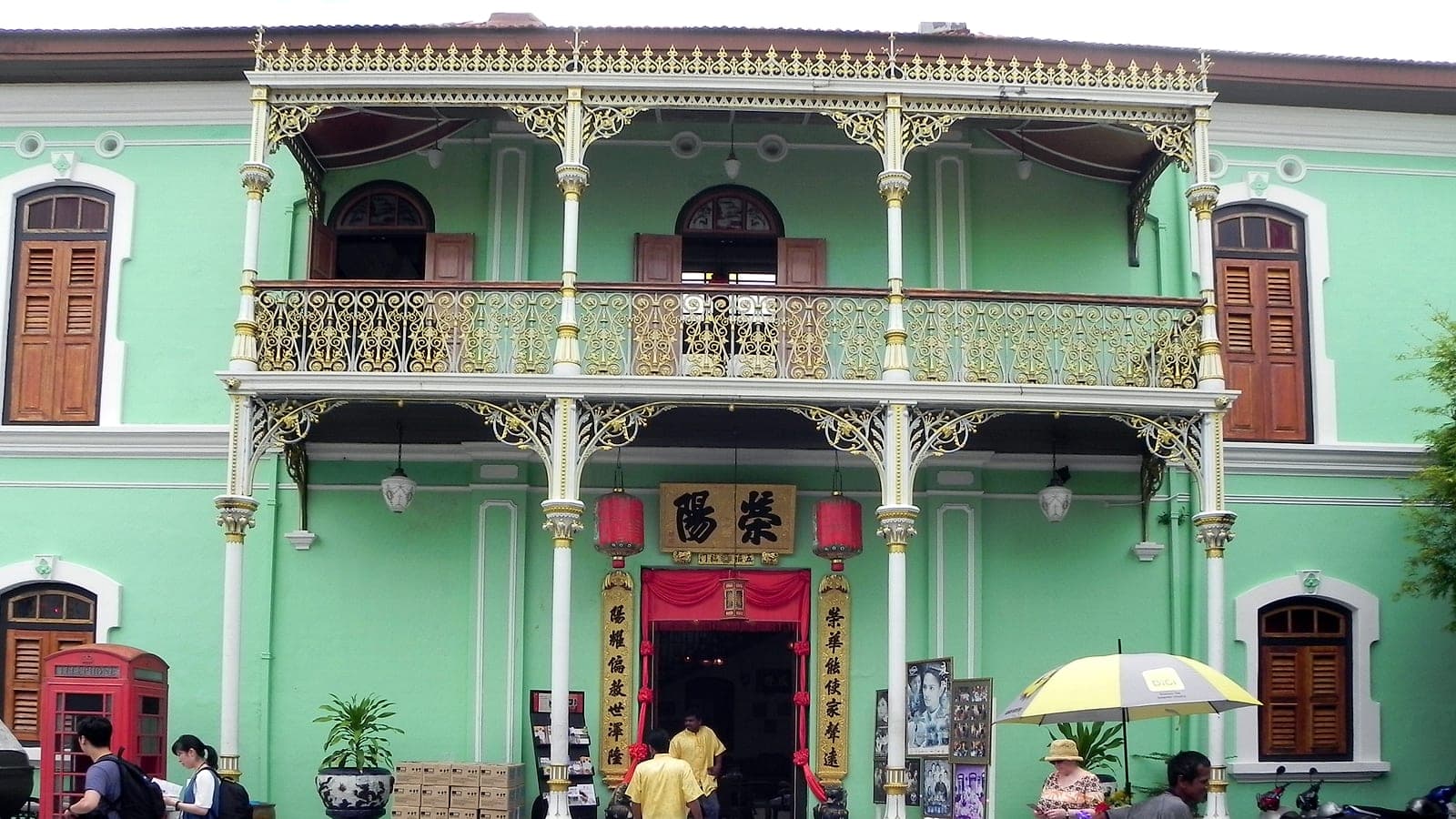
Peranakan Mansion (Green Mansion)
Church Street, George Town
An authentic recreation of a wealthy Peranakan home from the 19th century. Meticulously restored to show how the merchant elite lived, with period furnishings, traditional decor, and architectural details that reflect the fusion of Chinese and Malay influences.
Highlights:
- •Stunning intricate tilework and ceramic details
- •Ornate carved wooden doors and window screens
- •Traditional Peranakan furniture and antiques
- •Detailed explanation of Nyonya customs and practices
- •Interactive displays showing daily life and ceremonies
- •Exquisite porcelain and decorative arts
Hours
10:00 AM - 5:00 PM (Closed Mondays)
Admission
RM12-18 (varies by exhibition)
Duration
1.5-2 hours
Best For
Cultural enthusiasts, families, photographers
Pinang Peranakan Mansion
Lebuh Gereja (Church Street), George Town
An opulent mansion built by a wealthy rubber and tin magnate, showcasing the height of Peranakan prosperity. Features sumptuous interior design with mother-of-pearl inlay, intricate tilework, and a collection of rare Peranakan artifacts including beaded shoes, jewelry, and ceremonial items.
Highlights:
- •Spectacular mother-of-pearl and tile inlays
- •Grand staircases and ornamental details
- •Museum displaying Nyonya jewelry and accessories
- •Wedding chamber with traditional bridal display
- •Restaurant serving traditional Nyonya cuisine
- •Courtyard with period-appropriate landscaping
Hours
9:30 AM - 5:00 PM daily
Admission
RM15-25
Duration
1.5-2 hours
Best For
Heritage lovers, foodies, special occasions
Peranakan Culture in Depth
Six pillars of the unique Baba-Nyonya culture
Language
Peranakans speak Baba Malay, a unique dialect blending Chinese (Hokkien) and Malay with English influences. While fluency has declined, many older Peranakans still use traditional phrases and terms.
Examples:
Common phrases: "Makan" (eat, from Malay), "Nyonya tua" (elderly woman), "Baba tandas" (Peranakan traditions)
Cuisine
Nyonya cuisine is considered one of the finest in Southeast Asia. It represents a brilliant fusion of Chinese cooking techniques with Malay spices and ingredients, creating bold, complex flavors.
Examples:
Signature dishes: Laksa Penang, Rendang, Satay, Kuih (pastries), Sambal (chili paste)
Fashion
Nyonya dress features intricate embroidery, beadwork, and traditional batik or silk fabrics. Women wear the baju panjang (long tunic) with sarong, adorned with elaborate jewelry. Men wear the baju Melayu with songkok (cap).
Examples:
Notable items: Beaded slippers, ornate hairpins, gold jewelry with jade or gems, richly embroidered sarongs
Crafts
Peranakan artisans are renowned for intricate decorative arts including beadwork, batik, wood carving, and tile painting. Each craft requires years of training and represents an accumulated cultural knowledge.
Examples:
Traditional crafts: Beaded shoes, painted ceramics, mother-of-pearl inlay, traditional weaving, elaborate embroidery
Ceremonies
Peranakan weddings, celebrations, and religious observances follow unique rituals that blend Confucian, Islamic, Buddhist, and local Malay customs. These multi-day ceremonies are elaborate and deeply meaningful.
Examples:
Important ceremonies: Wedding rituals (berinai, tepak sirih), Chinese New Year celebrations, coming-of-age ceremonies
Architecture
Peranakan shophouses and mansions feature distinctive design elements: ornate tilework, intricate window screens, carved wooden details, and painted facades. These buildings now dot George Town's heritage zone.
Examples:
Key features: Colorful hand-painted tiles, mother-of-pearl inlay, ornate shutters, narrow frontage with deep interior courtyards
Nyonya Cuisine: A Culinary Masterpiece
Signature dishes representing centuries of culinary tradition
Laksa Penang
The defining dish of Penang cuisine. A fragrant rice noodle soup with rich fish-based broth infused with spices, coconut milk, and chilies. Topped with shrimp, fish cake, and fresh herbs.
Flavor Profile:
Spicy, aromatic, balanced between tangy tamarind and creamy coconut
Where to Try:
Any hawker center; best at New Lane Hawker Centre or Georgetown food stalls
Rendang Daging
Slow-cooked beef (or sometimes chicken) braised in a rich, spiced coconut gravy with galangal, garlic, chilies, and turmeric until the meat is incredibly tender.
Flavor Profile:
Deeply aromatic, complex spice profile, rich and savory
Where to Try:
Nyonya restaurants or catering for special occasions
Satay
Grilled meat skewers (chicken, beef, mutton) served with a rich peanut sauce and rice cakes. The Nyonya version features more complex spices than standard satay.
Flavor Profile:
Slightly sweet peanut sauce with subtle heat and aromatic spices
Where to Try:
Night markets, street vendors, or upscale restaurants
Kuih (Traditional Pastries)
An array of traditional bite-sized sweets including kuih lapis (layered cake), kuih tart (custard tarts), and ondeh-ondeh (palm sugar balls). Each requires precise technique and quality ingredients.
Flavor Profile:
Sweet, with delicate flavors and intricate textures
Where to Try:
Traditional kuih shops in George Town, or made fresh for festivals
Perkedel Nyonya
Potato fritters mixed with shrimp, egg, and spices, then fried until golden. A humble dish that showcases humble ingredient elevated through technique.
Flavor Profile:
Savory, with textured exterior and creamy interior
Where to Try:
Hawker centers, or home-cooked in Peranakan households
Learn to Cook Nyonya Food
Several cooking schools in Penang offer Nyonya cooking classes, including market tours to learn about traditional ingredients. Classes typically run 3-4 hours and include lunch or tasting.
Popular options: Some Like It Hot, local heritage tourism companies, and community cultural centers. Book in advance.
Peranakan Architecture
Distinctive design elements that define the heritage zone
Colorful Hand-Painted Tiles
The most distinctive element of Peranakan buildings. Craftsmen hand-painted intricate patterns, often featuring flowers, birds, and geometric designs. Each tile is unique, a testament to the artisan's skill.
📍 Visible throughout George Town heritage zone; especially prominent on shophouse facades
Ornate Window Screens (Jendela Payung)
Intricately carved wooden or cast iron screens that provide privacy while allowing light and air circulation. These screens often feature elaborate geometric or floral patterns.
📍 Front windows of shophouses and mansions throughout the heritage zone
Mother-of-Pearl Inlay
Tiny pieces of iridescent shell are inlaid into wooden doors, furniture, and architectural elements, creating shimmering decorative patterns. Highly labor-intensive and expensive.
📍 Peranakan Mansion and Pinang Peranakan Mansion; wealthy family homes
Five-Foot Ways
The covered walkways in front of shophouses, a practical design element that creates a continuous arcade protecting pedestrians from rain and sun. Also serves as social space.
📍 All heritage shophouses in George Town; architectural defining feature
Air Wells & Courtyards
Central courtyards within shophouses provide light, ventilation, and drainage. These became gathering spaces for extended families, reflecting the communal nature of Peranakan life.
📍 Interior of traditional shophouses (not visible from street)
Peranakan Heritage Walking Tour
Half-day to full-day exploration of Peranakan culture and heritage
Tour Overview
Total time: 5-6 hours | Best done over 1-2 days | Includes museums, historic streets, cuisine tasting | All sites within walking distance in George Town
Peranakan Mansion (Green Mansion)
Start here to see an authentic recreation of how wealthy Peranakans lived. Observe tilework, furnishings, and cultural artifacts.
Duration: 1.5-2 hours
Church Street (Lebuh Gereja) Heritage Shophouses
Walk the street showcasing Peranakan architecture. Notice the colorful tiles, ornate shutters, and narrow frontage typical of Peranakan homes.
Duration: 45 minutes
Pinang Peranakan Mansion
Visit the opulent mansion of a rubber magnate. See the mother-of-pearl inlays, bridal chamber, and Nyonya jewelry collection.
Duration: 1.5-2 hours
Local Hawker Center (New Lane or similar)
Taste authentic Nyonya cuisine. Try laksa, rendang, satay, and kuih. Eat where locals eat for the most authentic experience.
Duration: 1-1.5 hours
Terengganu Lane (Lebuh Terengganu)
Historic street with beautifully preserved Peranakan shophouses. Excellent for photography and observing architectural details.
Duration: 30-45 minutes
Craft Shops (scattered throughout heritage zone)
Browse and purchase traditional Peranakan crafts: beaded shoes, hand-painted ceramics, batik, and embroidery.
Duration: 45 minutes - 1 hour
Planning Your Visit
Best Time to Visit
December-February for pleasant weather. Chinese New Year (late January/February) is the best time to experience Peranakan celebrations, festivals, and special events.
Getting Around
All Peranakan heritage sites are within walking distance in George Town. The walking tour is 2-3 km and takes 5-6 hours including all stops and meals.
Photography Tips
The colorful tiles and architectural details are best photographed in morning or late afternoon light. Early morning before crowds is ideal for capturing heritage buildings and street scenes.
Frequently Asked Questions
What exactly is Peranakan culture?
Peranakan (or Baba-Nyonya) culture is the unique hybrid culture of Chinese-Malay descendants who settled in Southeast Asia from the 15th century onward. They developed their own language (Baba Malay), cuisine, fashion, customs, and artistic traditions by blending Chinese heritage with local Malay and Islamic influences. Today, the strongest living Peranakan communities are in Penang, Malacca, and Singapore.
What is the difference between Baba and Nyonya?
"Baba" refers to men, "Nyonya" to women in Peranakan society. The term "Baba-Nyonya" encompasses the entire culture. Nyonya culture is often emphasized because women preserved traditional crafts, cuisine, and customs more actively, making Nyonya cooking and crafts particularly renowned.
Is Nyonya cuisine very spicy?
Nyonya cuisine is flavorful but not necessarily extremely spicy. It combines spices (chilies, galangal, turmeric, garlic) with other ingredients like coconut milk, tamarind, and shrimp paste to create complex, balanced flavors. You can request less spicy versions at most restaurants.
Can I learn to cook Nyonya food in Penang?
Yes! Several cooking schools and local chefs offer Nyonya cooking classes in Penang. Look for "Nyonya cooking classes" or "Baba-Nyonya cooking workshops." Many also include market tours to learn about ingredients. Popular venues include Some Like It Hot and specialized heritage tourism companies.
What is Nyonya beadwork and why is it famous?
Nyonya beadwork refers to intricate beaded embroidery on shoes, pouches, and garments. Artisans sew tiny beads and sequins onto fabric to create elaborate patterns. These beaded slippers (kasut) are iconic Peranakan items. Each pair takes weeks or months to complete and represents high-status fashion among Peranakan women.
How is Peranakan architecture different from Chinese architecture?
Peranakan architecture fuses Chinese craftsmanship with local Malay and Islamic design. While traditional Chinese architecture emphasizes symmetry and feng shui, Peranakan buildings integrate Malay elements like courtyards and covered walkways (five-foot ways). The use of bright hand-painted tiles, ornate screens, and mother-of-pearl inlay is distinctly Peranakan.
Explore More of Penang's History
The Straits Chinese story intersects with Penang's colonial founding, the kongsi clan system, and the Japanese occupation — each chapter is worth tracing separately.