The Habitat Penang Hill
Air Itam
Daily 9am-5pm (access via Penang Hill funicular 6:30am-11pm)
RM 50 (separate from funicular ticket of RM30 foreigner)
1.5–2.5 hours
Early morning (9am opening) offers the best light filtering through the canopy and the highest wildlife activity
Self-guided, Guided naturalist walks in English (book in advance)
What is The Habitat Penang Hill?
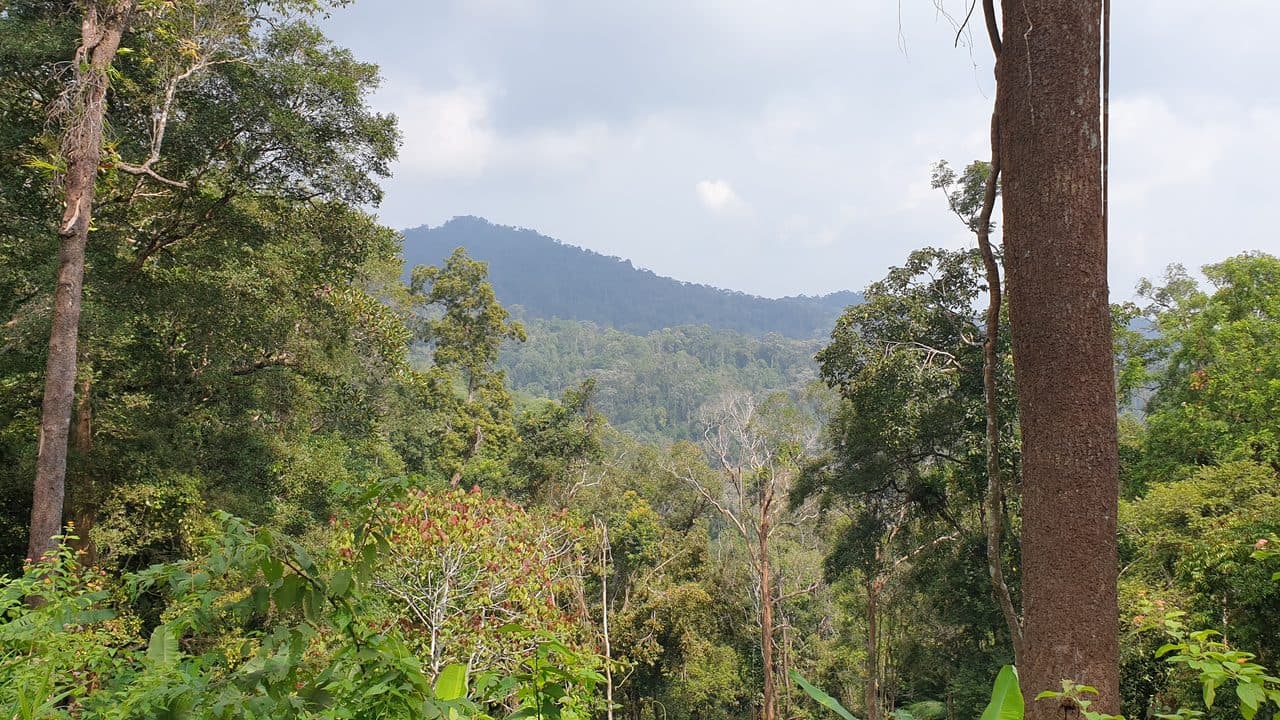
The Habitat Penang Hill is a nature discovery centre at the summit of Penang Hill (833m), accessed via the Penang Hill Funicular from Air Itam. Its centrepiece is the Curtis Crest Treetop Walk — a 230-metre canopy boardwalk suspended 8 metres above primary montane forest floor. The summit forest is cooler (22–25°C vs 32°C below), biologically distinct from lowland Penang, and home to Brahminy kites, White-bellied Sea Eagles, and the large Rajah Brooke's Birdwing butterfly. The Habitat ticket (RM 50) is separate from the funicular ticket (RM 30 for foreigners).
Penang Hill has been a refuge from the coastal heat since the British colonial administration established it as a hill station in the 1820s. At 833 metres, the summit sits above the thermal inversion layer on most days, running 7–10 degrees cooler than George Town below. The forest that covers the hill is primary montane growth — cloud forest undisturbed since the hill was protected, distinct in character from the lowland secondary forest that covers much of the island. It is a different ecosystem, with different species, different sounds, and different light.
The Habitat opened in 2016, giving the summit's forest a formal visitor entry point. The Curtis Crest Treetop Walk — 230 metres of canopy boardwalk suspended 8 metres above the forest floor — is its defining feature. Walking at canopy height rather than forest floor changes what you see: the understorey opens up, the canopy closes in overhead, and the birds that normally disappear into the upper branches are suddenly at eye level. Brahminy kites and White-bellied Sea Eagles use the hill ridge as a thermal updraft feeding corridor and are commonly spotted from the boardwalk. Naturalist-guided walks (2 hours, set times) add plant identification, bird call recognition, and insect ecology to the experience — worth booking in advance if wildlife is the priority.
History
Read the full history of The Habitat Penang Hill
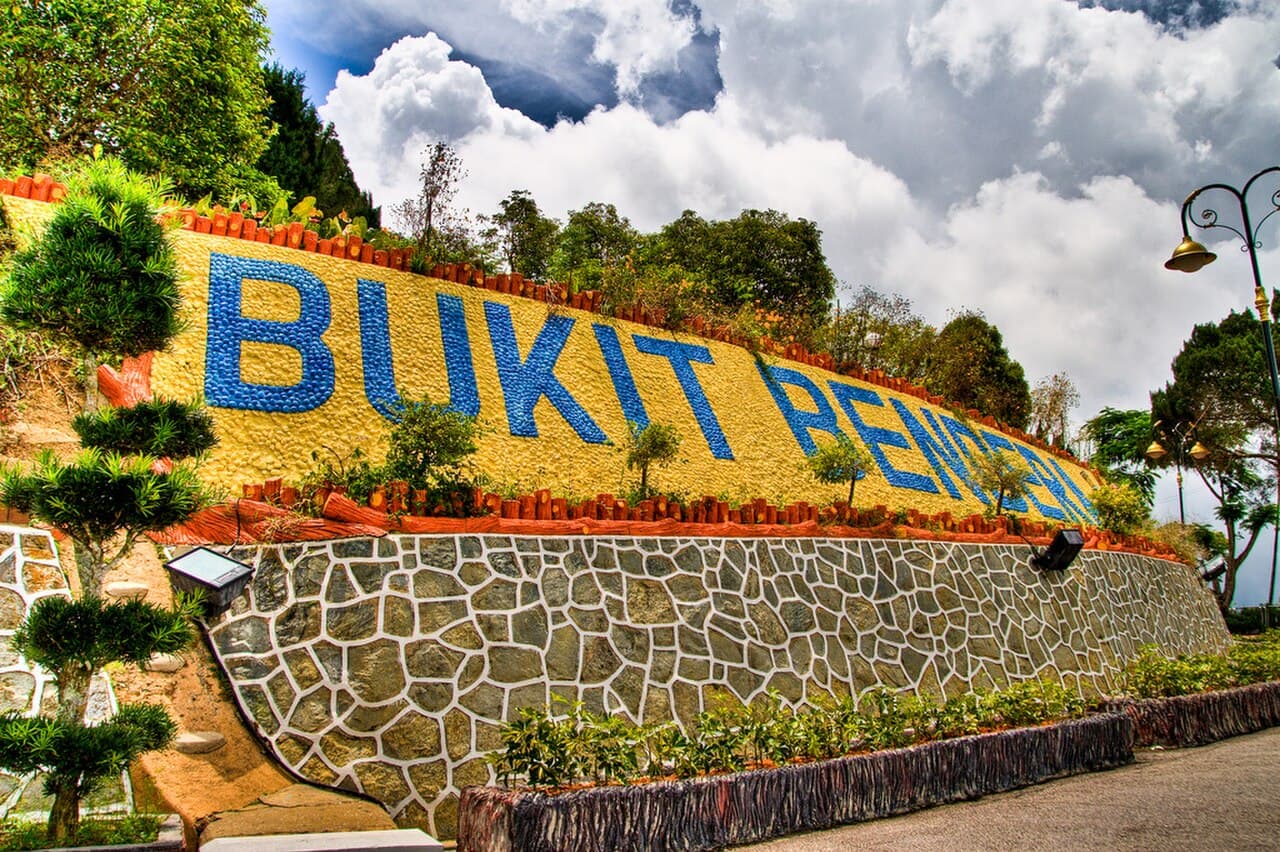
Penang Hill — Bukit Bendera in Malay — has been a formal nature and recreation reserve since the early years of British colonial administration in Penang. Captain Francis Light established Penang as a British trading post in 1786; within a generation, the hill above Georgetown had become a retreat for colonial administrators seeking relief from the coastal climate. Major William Curtis was among the early European climbers; the Curtis Crest Treetop Walk at The Habitat is named in his honour.
The Penang Hill Funicular — the access route to the summit — was first constructed in 1923, replacing the earlier sedan chair and foot-path system. The funicular has been upgraded multiple times since; the current Swiss-engineered system opened in 2011, reducing the journey from 30 minutes to 5 minutes. The summit area retains colonial-era bungalows, a mosque, a temple, and a small commercial strip that has served visitors since the 1920s.
The Habitat opened in 2016 as a formal nature experience layered on top of the existing summit infrastructure. It formalised guided access to the montane forest at a time when Penang was actively developing its ecotourism profile. The Brahminy kite — a large reddish-brown raptor — features prominently in The Habitat's identity materials; it is genuinely commonly sighted at the summit, where it hunts on thermals rising from the valley below.
Penang Hill and The Habitat sit within the Penang Hill Biosphere Reserve, one of only two UNESCO Biosphere Reserves in Malaysia.
Photography Guide
- Best time
- Early morning (9am opening) offers the best light filtering through the canopy and the highest wildlife activity — birds are most active in the first 2 hours after dawn. The montane forest creates a distinctive soft, diffused light even in mid-morning due to the cloud cover that frequently sits at summit level. Avoid midday if possible; the forest is darker and wildlife activity drops. Late afternoon (3:30–5pm) can give warm side-light through the trees on clear days.
- Best position
- The treetop walk boardwalk is narrow — composition requires shooting along the walkway length to create depth, with the forest canopy closing in from both sides. For eagle shots, position at the open viewpoints on the canopy walk and wait — the raptors circle predictably on thermals. Macro photography of insects and plants on the forest floor trails rewards patience. For the wide landscape view, the open platforms at the Curtis Crest viewpoint give clear sightlines across the Penang coastline.
- What's allowed
- Photography throughout The Habitat. Standard nature photography etiquette applies — do not disturb wildlife for a shot, do not leave the boardwalk for a better angle. Guided naturalist walks include photography-friendly stops.
Tips
- Bring a telephoto or zoom lens for eagle and bird shots — the raptors circle at canopy level but not within arm's reach
- The montane forest light is soft and diffused — this is ideal for plant macro photography without harsh shadows
- Stabilise your camera for shots along the boardwalk — the canopy walk has some movement from wind and other walkers
- The mist that sometimes sits on the summit creates atmospheric forest shots that are impossible to replicate at lower elevations
Plan Your Visit
Before your visit
The funicular is the required access route — buy your Habitat ticket at the same time as your funicular ticket at the Air Itam base station. The funicular journey itself (5 minutes, views of the ascending vegetation zones) is an experience before you reach The Habitat.
After your visit
Take the funicular down and a 15-minute Grab from Air Itam base station to Kek Lok Si. The temple and the hill together make a full Air Itam day — nature in the morning, architecture and history in the afternoon.
Travel times are approximate.
Map & Directions
Insider Tips
- •Book the Habitat ticket when purchasing your Penang Hill funicular ticket
- •The canopy walk is not for those with a fear of heights - it's suspended in the trees
- •Wear good walking shoes - the trails have some steep sections
- •Bring binoculars for birdwatching - early morning is best for spotting wildlife
- •Combine with the summit restaurant (David Brown's) for a full day experience
- •Allow 1.5-2 hours for the canopy walk and trails at a leisurely pace
Frequently Asked Questions
Do I need a separate ticket for The Habitat and the Penang Hill Funicular?
Yes — they are separate tickets. The Penang Hill Funicular costs RM 30 return for foreign adults (purchased at the Air Itam base station). The Habitat ticket costs RM 50 per adult (purchased at The Habitat entrance at the summit, or bundled at the base station). Buy both together at the base station to avoid separate queues at the top.
What is the Curtis Crest Treetop Walk?
The Curtis Crest Treetop Walk is a 230-metre canopy boardwalk suspended 8 metres above the forest floor at the summit of Penang Hill. It is named after Major William Curtis, one of the early European explorers of Penang Hill in the colonial era. The boardwalk runs through primary montane forest and provides eye-level access to the forest canopy layer — a completely different perspective from a forest floor trail.
What wildlife can I expect to see at The Habitat?
Brahminy kites and White-bellied Sea Eagles are commonly seen from the canopy walk openings — they hunt on thermal updrafts rising from the valley. Rajah Brooke's Birdwing butterflies (Malaysia's national butterfly, one of the world's largest) are regularly sighted. The forest holds 100+ bird species, flying lizards, tree frogs, stick insects, and large beetles. Early morning (9am) gives the highest wildlife activity.
Is The Habitat accessible without good fitness?
The Curtis Crest Treetop Walk is boardwalk-based and accessible for most fitness levels. The broader nature trails at The Habitat do have some steep and uneven sections. Wear closed shoes with grip — not sandals or flip-flops. The funicular handles the 833m elevation gain; you arrive at the summit and walk from there.
Should I book a guided walk or is self-guided enough?
Self-guided gives you the canopy walk and the views. Guided naturalist walks (approximately 2 hours, set times, advance booking recommended) add qualitatively more — plant identification, bird call recognition, insect ecology, and the ability to ask questions. If wildlife and ecology are the reason you are visiting, book the guided walk. If the primary draw is the canopy walk and views, self-guided is sufficient.