Penang National Park
Teluk Bahang
Daily 7:30am-6pm (registration required at entrance)
Free (passport/IC required for registration)
3–6 hours depending on route chosen
Early morning (7:30–10am) for active wildlife and cool conditions
Self-guided; park map provided at entrance
What is Penang National Park?
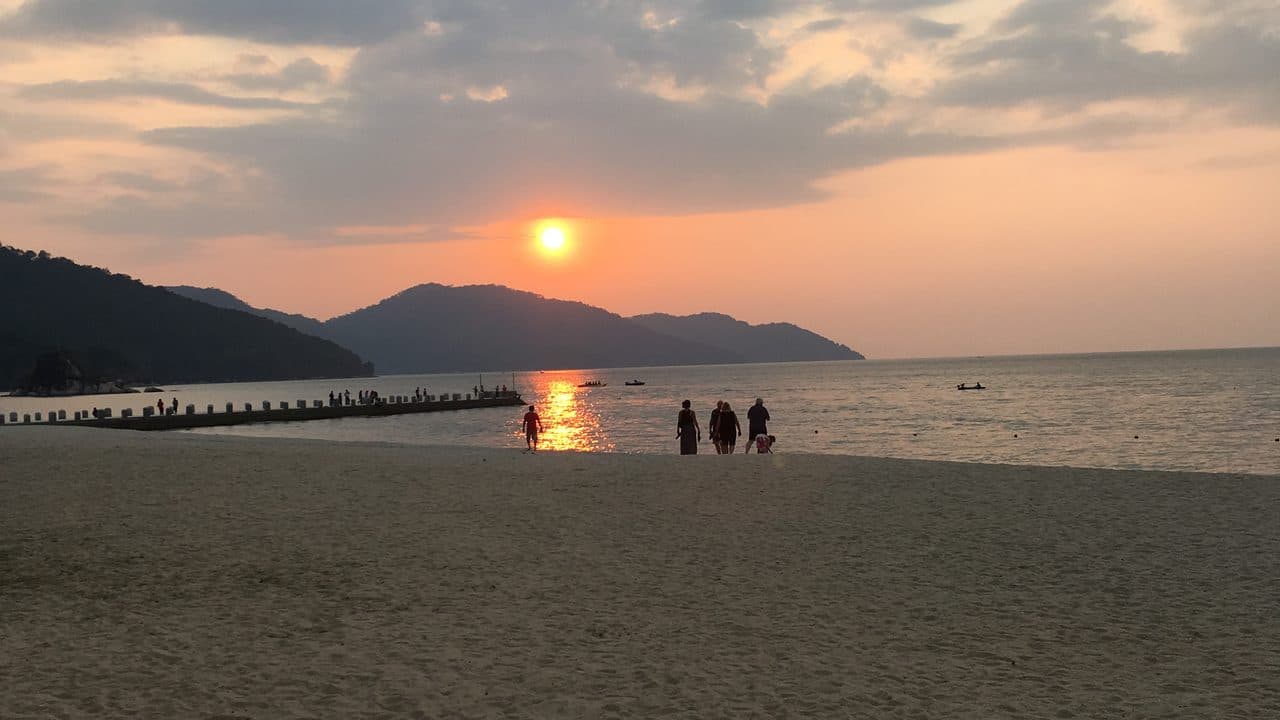
Penang National Park (Taman Negara Pulau Pinang) is the world's smallest national park at 25.6 sq km, protecting mangroves, meromictic lakes, and pristine beaches at the island's northwestern tip. The main destination is Pantai Kerachut, a turtle nesting beach reached by a 1.5-hour forest hike or 15-minute boat ride (RM50 return). Entry and registration are free; bring your passport.
The northwestern tip of Penang Island remained largely inaccessible for most of the island's history — the forest was dense, the terrain difficult, and commerce was concentrated in Georgetown and along the northern coastal road. This inaccessibility turned out to be its greatest asset. When the area was gazetted as a national park in 2003, it was one of the few stretches of old-growth coastal forest remaining on the island, and its beaches had continued to receive nesting olive ridley sea turtles that had long since abandoned the island's more developed coastlines.
The park's most unusual natural feature is the meromictic lake behind Pantai Kerachut — a rare type of lake in which layers of fresh water (from rainfall and forest runoff) and salt water (from sea infiltration at the edges) do not mix, creating distinct chemical zones in the same body of water. Long-tailed macaques, dusky leaf monkeys, white-bellied sea eagles, and hornbills are regularly sighted on the trails — the park protects a functioning forest ecosystem, not just a landscape.
History
Read the full history of Penang National Park
The land area that forms Penang National Park was designated a Virgin Jungle Reserve by the colonial Forestry Department in the 1940s, protecting it from agricultural and timber clearance. This early designation preserved the forest cover through the period of rapid development that transformed the rest of Penang from the 1960s onwards. The area was formally gazetted as Penang National Park under the National Forestry Act in 2003 — the first new national park gazette in Malaysia in twenty years — and at 25.6 sq km, it entered the record books as the world's smallest national park.
The turtle nesting programme at Pantai Kerachut is one of the park's primary conservation activities. Olive ridley and green turtles nest on the beach, and park rangers conduct night patrols during nesting season (roughly May–September) to protect nests from predators. Eggs are sometimes relocated to a hatchery on site if nests are in danger from tidal flooding; hatchlings are released directly into the sea.
Photography Guide
- Best time
- Early morning (7:30–10am) for active wildlife and cool conditions. The meromictic lake is best in morning light when the water surface catches the sky at a low angle. Sea eagle sightings are most common in the first hour after sunrise when they hunt along the shoreline. Overcast morning light is ideal for forest trail photography.
- Best position
- Pantai Kerachut beach from the forest edge, where the beach curves in both directions and the meromictic lake is visible in the background. The two-tone colour gradient of the meromictic lake (blue-green salt zone below, lighter fresh layer on top) is visible when the water is calm. For wildlife, long telephoto (200–400mm) from boardwalk sections near the entrance where macaques are habituated.
- What's allowed
- Photography throughout. Flash photography not advisable near nesting turtles at night. Photography of park rangers and research activities with permission.
Tips
- Bring 2+ litres of water per person — there are no facilities inside the park
- The beach at Monkey Beach can be windy — not suitable for extended swimming but fine for wading
- Register at the park counter before entry — free but mandatory, requires passport or IC
- Monkeys at Monkey Beach are bold — keep food in closed bags and do not feed them
Plan Your Visit
Before your visit
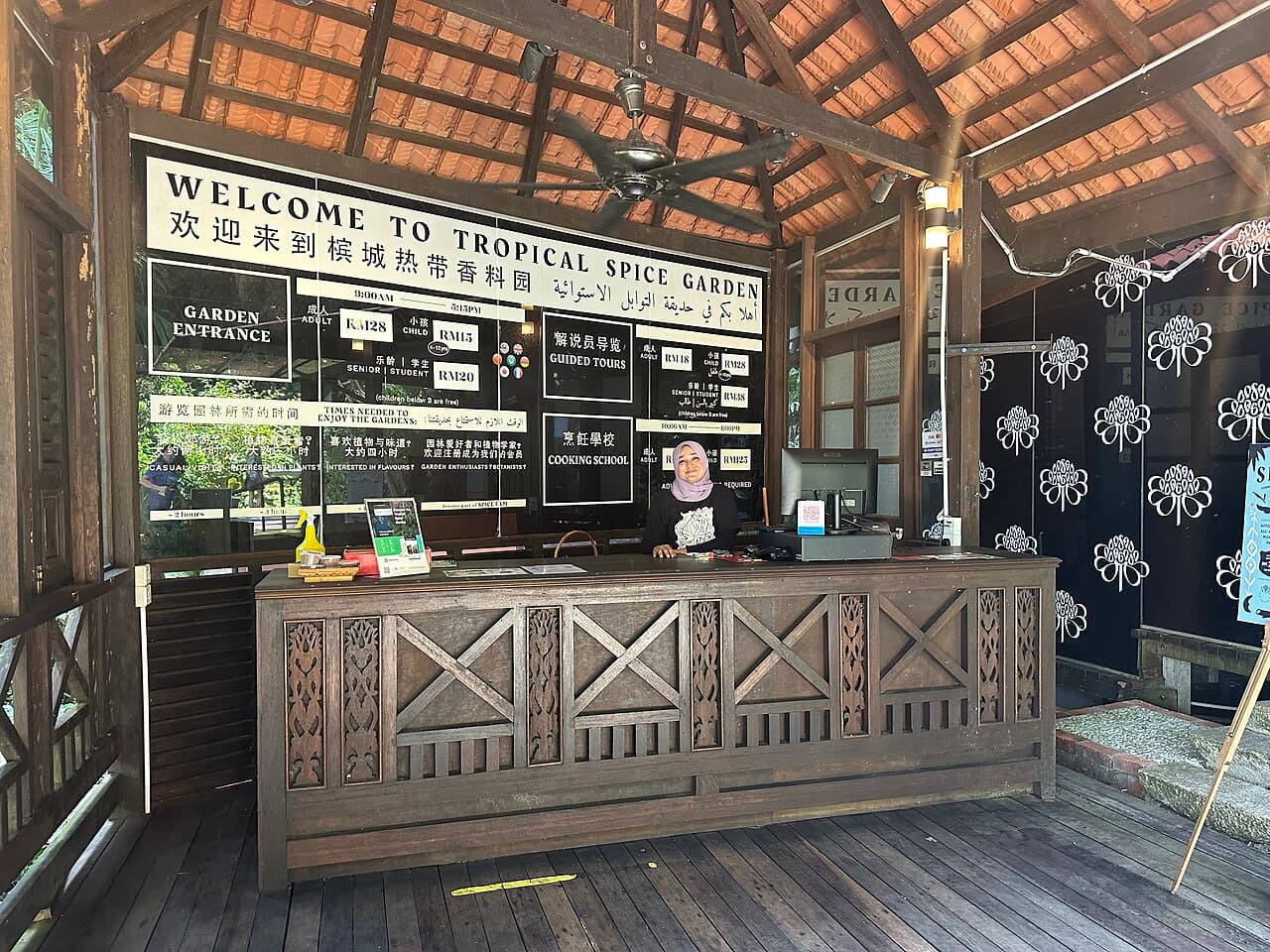
On the same coastal strip — visit the spice garden in the morning and walk into the park afterward.
After your visit
After the park hike, Entopia is a lighter, shaded afternoon activity nearby.
Travel times are approximate.
Map & Directions
Insider Tips
- •Register at the counter with your passport - it is free but mandatory
- •Monkey Beach is a 1.5-hour hike or 15-minute boat ride (RM50 return from park entrance)
- •Bring plenty of water - there are no shops inside the park
- •The trail to Pantai Kerachut passes a meromictic lake - bring binoculars for birdwatching
- •Watch your belongings at Monkey Beach - the macaques are bold and will grab food
Frequently Asked Questions
How do I get to Penang National Park?
The park entrance is at the end of Jalan Teluk Bahang, about 25km from Georgetown (30–40 minutes by Grab, RM30–40). Rapid Penang route 101 from Georgetown also serves Teluk Bahang.
Do I need to book to enter Penang National Park?
No booking needed. Entry is free but you must register at the entrance counter with a valid passport or IC. Registration is quick and ensures the park knows how many people are inside.
Is the hike to the beach difficult?
The hike to Monkey Beach (1.5 hours each way) is moderate — some steep sections and root-covered trail, but accessible for most reasonably fit visitors with good shoes. An alternative is to take the boat from the entrance (RM50 return per boat, negotiated with the boat operator).
Can I see turtles at Penang National Park?
Yes, during nesting season (roughly May to September). Turtles nest at night on Pantai Kerachut; park rangers monitor the nests. Daytime visits sometimes reveal tracks or nest sites. Night access to nesting beaches is not permitted for visitors.
What wildlife might I see in Penang National Park?
Long-tailed macaques, dusky leaf monkeys, white-bellied sea eagles, pied hornbills, monitor lizards, and various kingfisher species are commonly sighted. Wildlife encounters on the trail are genuine rather than staged.