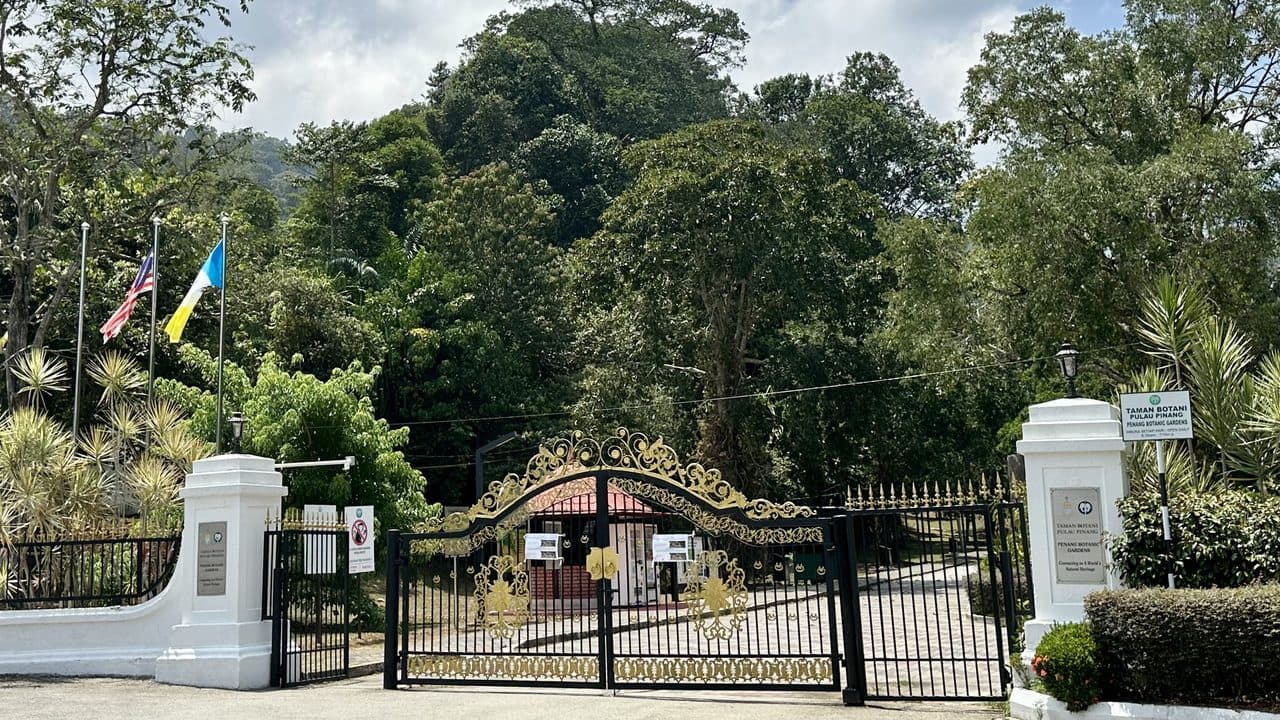
Penang Botanic Gardens
George Town
Daily 5am-8pm
Free
1–2 hours
Early morning (5:30–8am) for soft valley light and the atmospheric mist that forms on humid mornings
Self-guided
What is Penang Botanic Gardens?
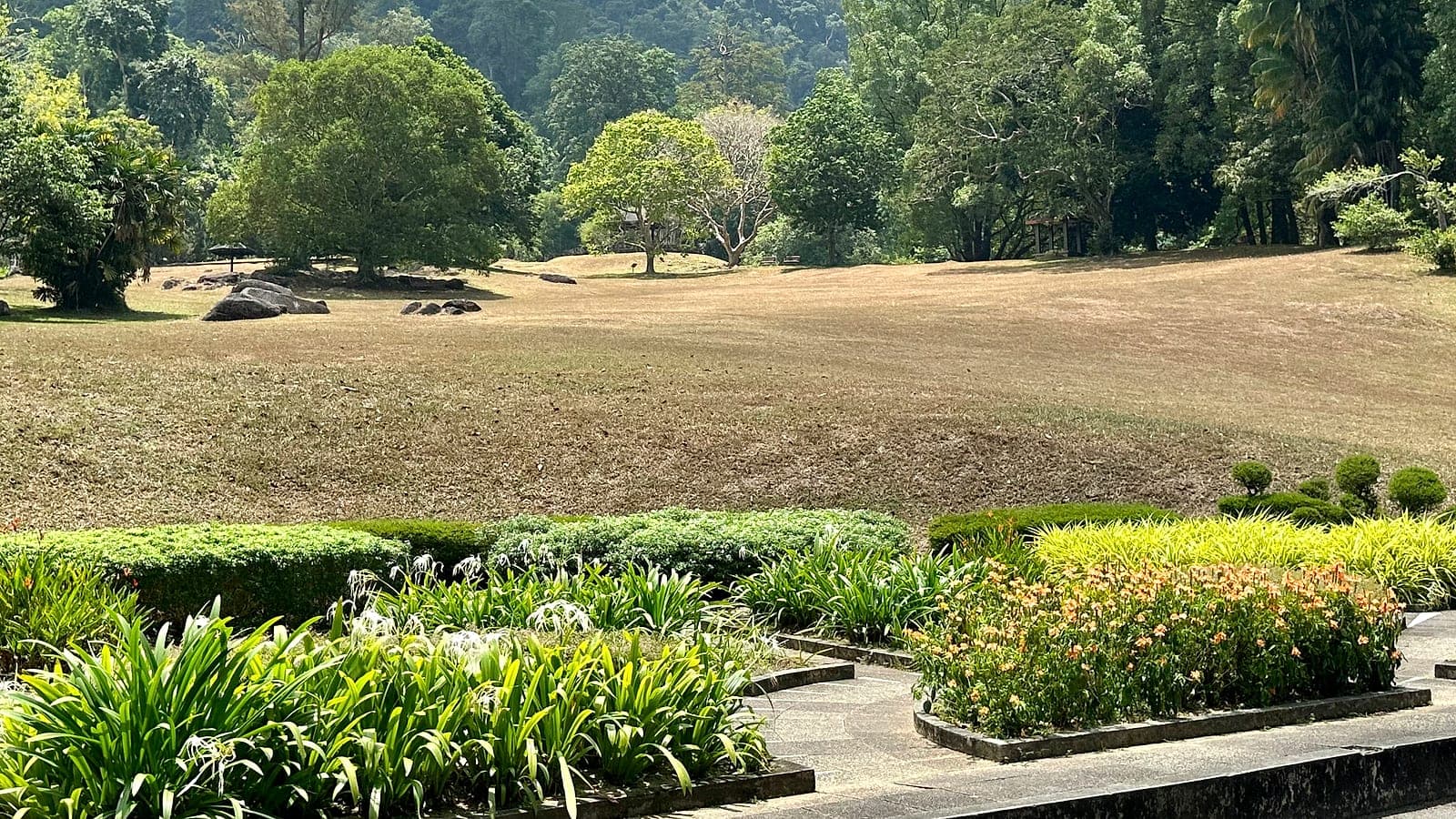
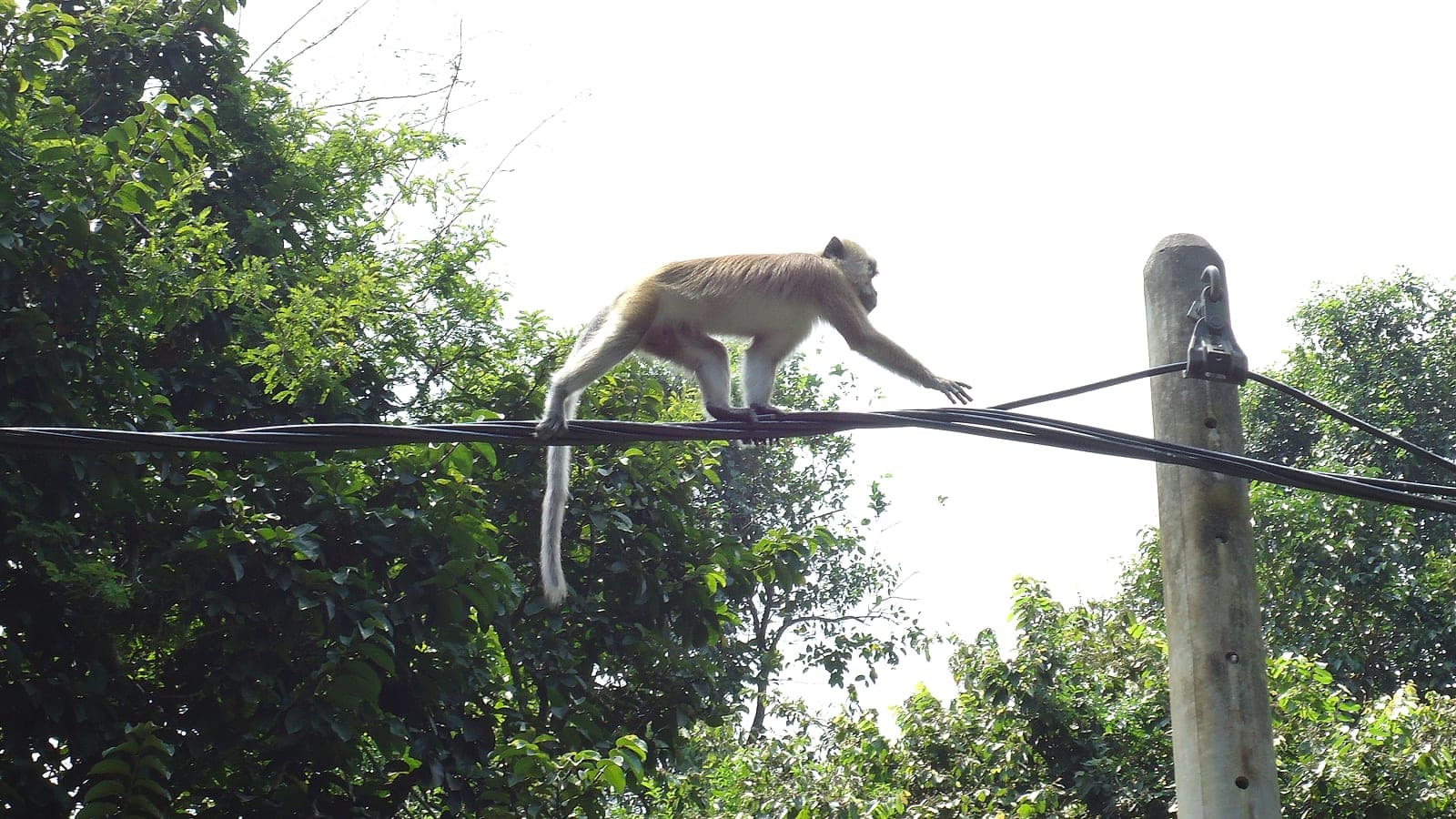
The Penang Botanic Gardens are a 30-hectare Victorian-era park established in 1884 in a forested valley above George Town, known locally as the Waterfall Gardens for the stream-fed cascade at the back. The gardens are free, open daily from 5am to 8pm, and intensely used by locals for morning exercise, tai chi, and weekend walks. Features include an orchid house, lily pond, fernery, and a path to the waterfall. Long-tailed macaques are resident — do not feed them.
Photos6 photos
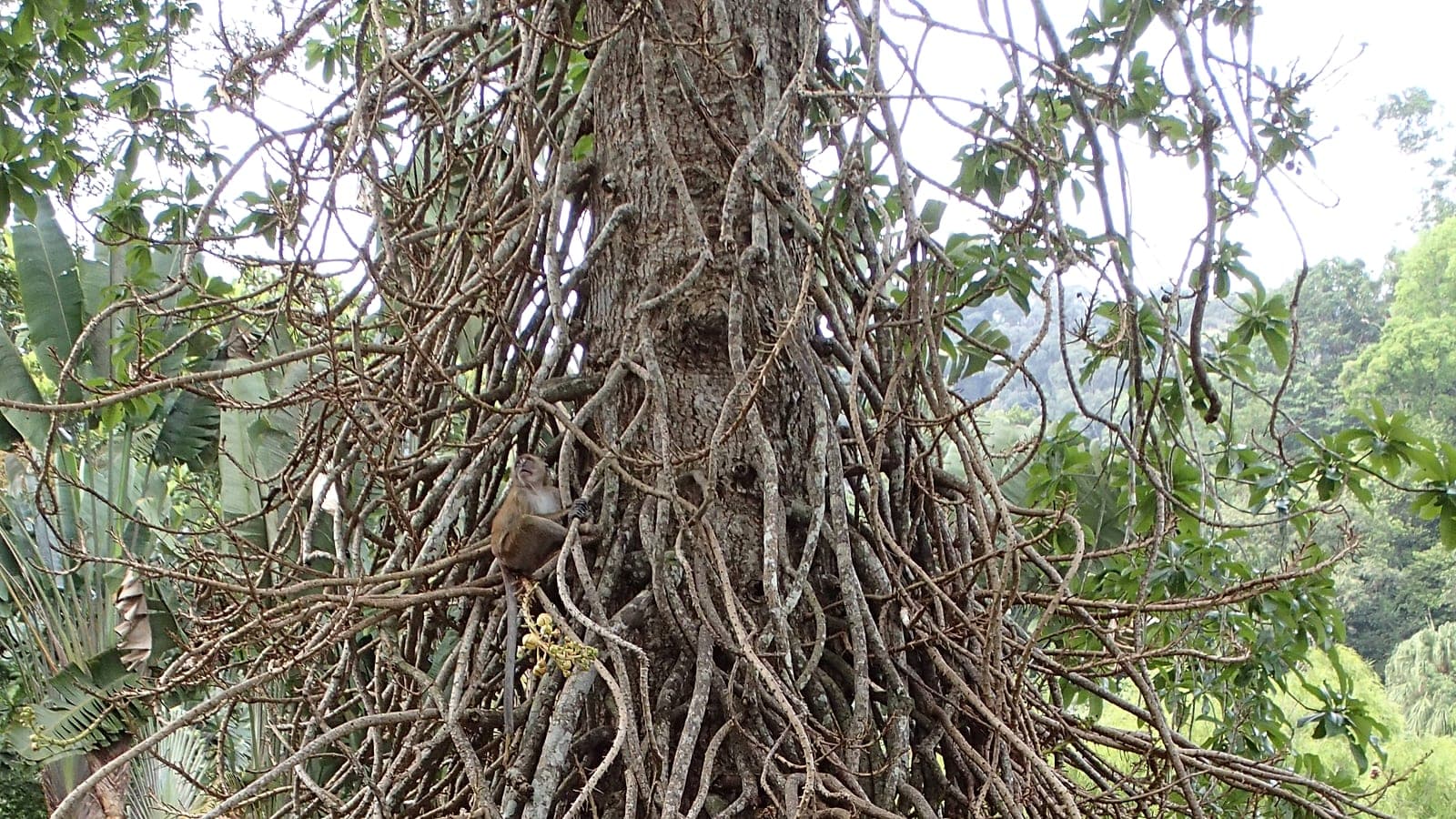
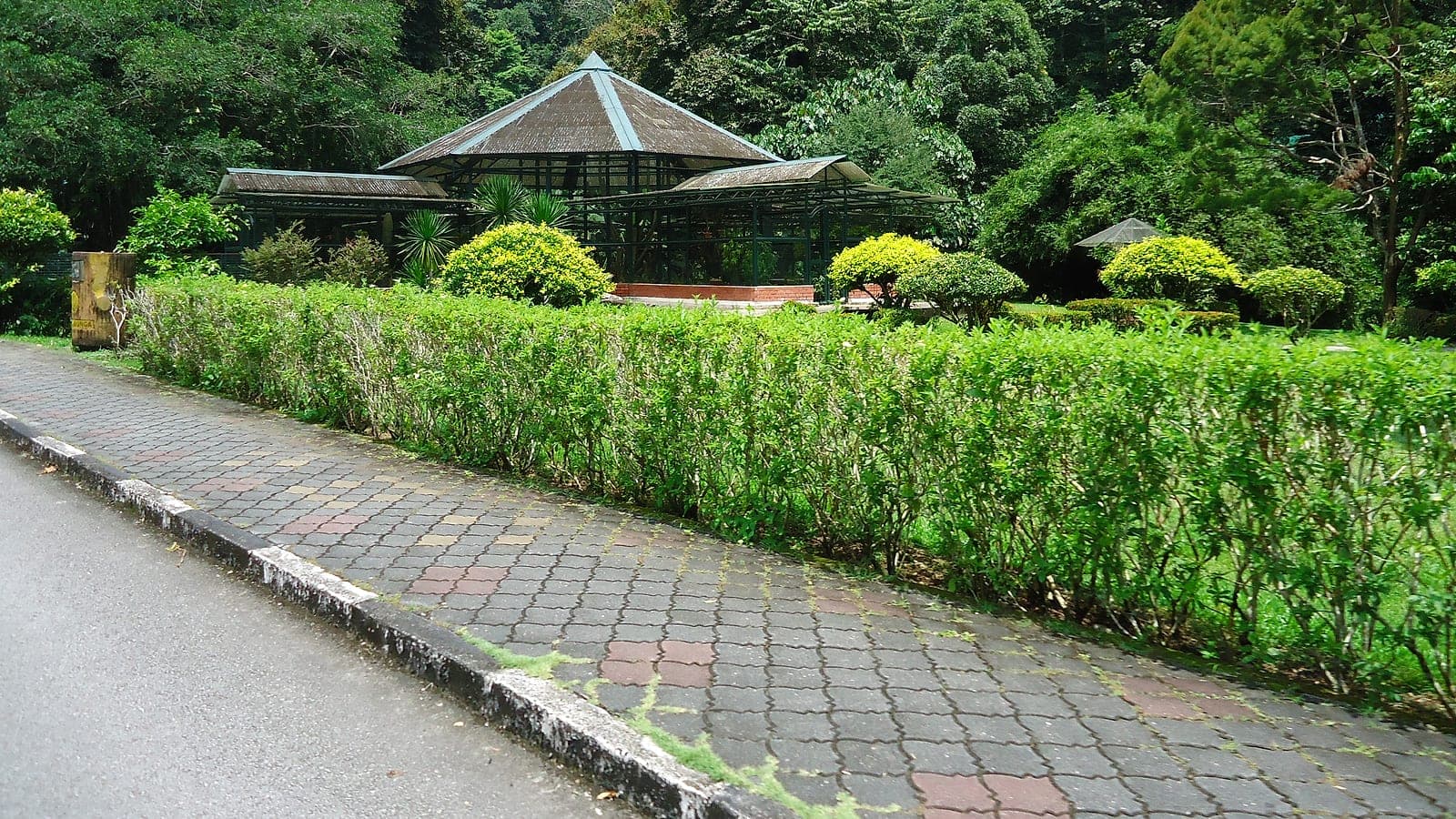
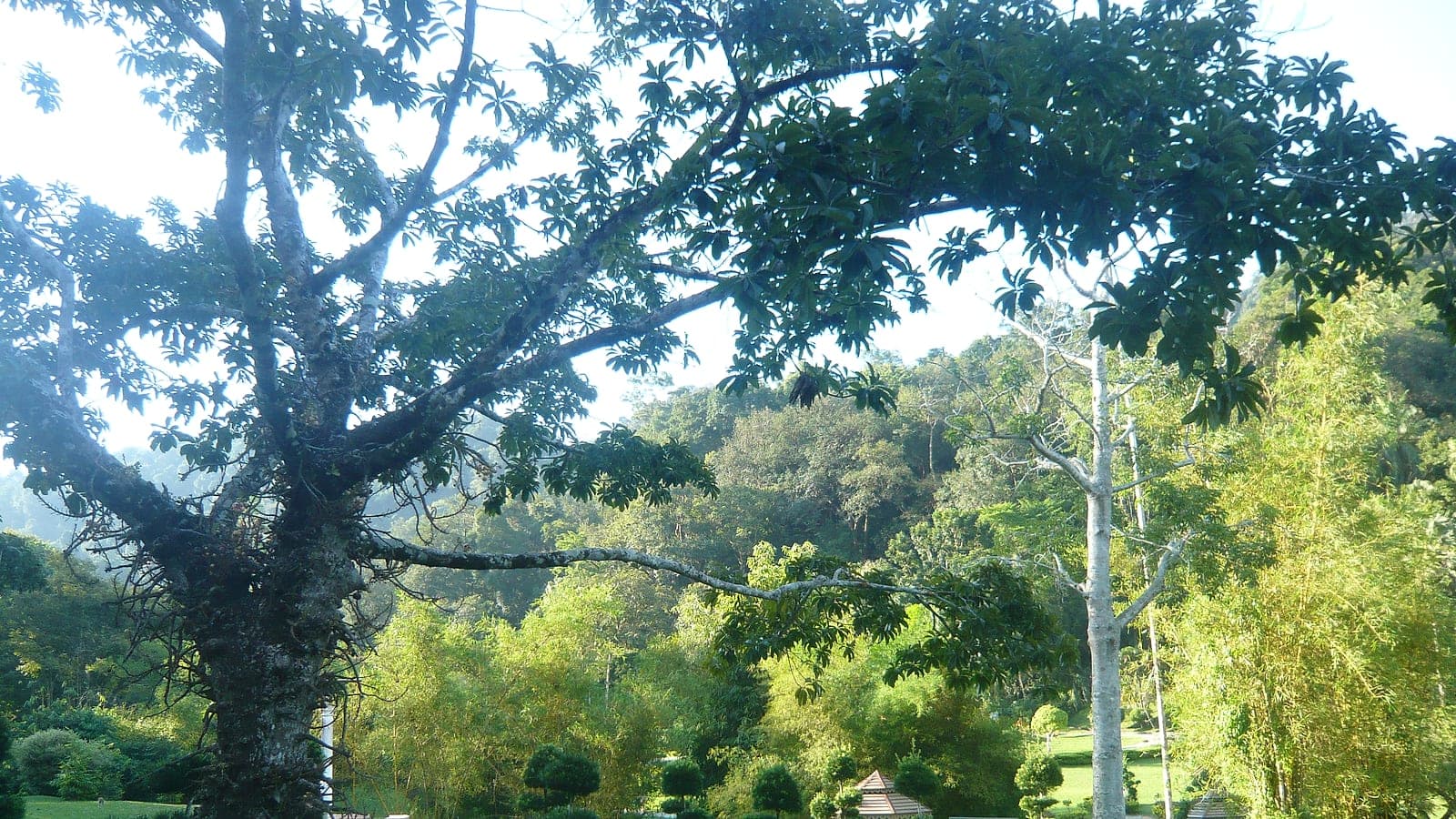
The famous cannonball tree, one of the garden's signature specimens
Chamberlain of Nilai / Wikimedia Commons (CC BY-SA 4.0)
The Penang Botanic Gardens predate the Kew-affiliated botanical garden tradition that dominated colonial tropical horticulture: they were established in 1884 primarily as a research station for economically valuable plants, particularly rubber, which was about to transform the Malayan economy. The first superintendent, Charles Curtis, planted the original collections and designed the layout in the valley below Penang Hill. The formal garden structure and the forested hillside behind it have coexisted ever since — the gardens are simultaneously a Victorian horticultural park and the edge of a continuous forested ridge extending up to the summit of Penang Hill.
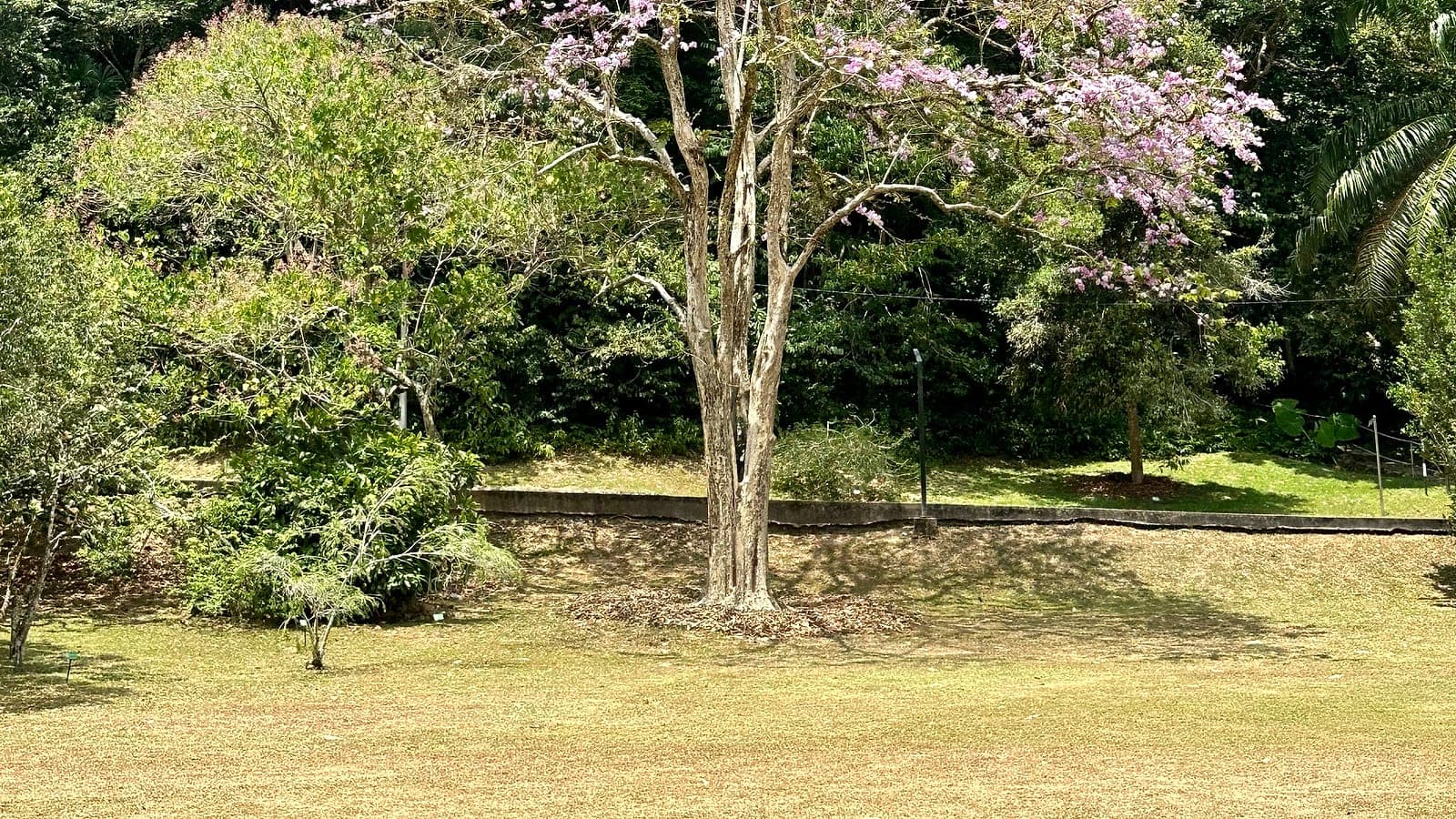
What makes the gardens distinctive today is the way they are used. Unlike most heritage gardens in Southeast Asia, the Penang Botanic Gardens are genuinely and intensely used by locals as daily exercise space: the loop road is busy with joggers from 5am; tai chi groups assemble on the lawns at dawn; elderly residents walk the shaded paths in the cool of the morning. The long-tailed macaques that have been resident since the gardens' earliest years are numerous and accustomed to human presence — they sit on the walls, raid unattended bags, and occasionally intimidate visitors who do not know to avoid eye contact.
History
Read the full history of Penang Botanic Gardens
The Penang Botanic Gardens were established in 1884 on quarry land in the valley below Penang Hill, under the administration of the Straits Settlements. Charles Curtis, a naturalist and plant collector, designed the layout, introduced the initial plant collections, and established the research function that justified the garden's colonial funding. The garden's role in the rubber boom was indirect but significant: experimental plots of Hevea brasiliensis were grown here in the 1890s as the Straits Settlements administration sought to develop an economic alternative to the declining spice trade.
The name "Waterfall Gardens" derives from the small cascade at the back where a stream descends from the forested hillside. The orchid house was added in the early 20th century and maintained and expanded over the decades. During the Japanese occupation (1941–1945), the gardens were maintained under reduced staffing and some research functions ceased. Post-independence, the gardens passed to the Penang City Council administration, which manages them today. Despite limited funding, the core of Curtis's design survives.
Photography Guide
- Best time
- Early morning (5:30–8am) for soft valley light and the atmospheric mist that forms on humid mornings. This is also when the park is busiest with morning walkers and tai chi groups — strong documentary photography opportunities. The macaques are most active in the mornings.
- Best position
- The lily pond reads best from the formal garden paths at ground level — the large leaves and flowers create a Victorian-tropical composition. The main entry avenue flanked by large angsana trees is a classic wide-angle shot in morning light. For the waterfall, stand in the stream bed and shoot up at the cascade framed by surrounding ferns.
- What's allowed
- Photography throughout. Tai chi groups welcome photography but a polite nod is courteous. No feeding of animals for any reason.
Tips
- Visit on a weekday morning for the quietest experience; weekends can be very busy from 7am
- Bring insect repellent for the waterfall trail — the dense vegetation harbours mosquitoes
- Do not leave bags unattended near the lily pond — macaques will investigate them
- The orchid house is worth 15–20 minutes; the specimens are well-maintained and labelled
Plan Your Visit
Before your visit
Take the funicular up Penang Hill first for the views, then walk down to the botanic gardens in the valley below.
After your visit
Air Itam is a 20-minute drive — combine a morning in the gardens with Kek Lok Si and lunch at Air Itam village.
Travel times are approximate.
Map & Directions
Insider Tips
- •Early morning (6-7am) is magical - locals doing tai chi, cool air, and active birdlife
- •Do not feed the monkeys - they can become aggressive and it is against park rules
- •The waterfall trail at the back of the gardens leads to a pleasant cascade
- •Jogging the loop takes about 30-40 minutes and is very popular with locals
- •Bring insect repellent, especially if visiting in the late afternoon