On this page
The Penang 50: Best Experiences in George Town & Beyond
50 Penang experiences worth your actual time — food stalls, heritage buildings, beaches, and hidden corners, with hours, prices, and the detail that matters.
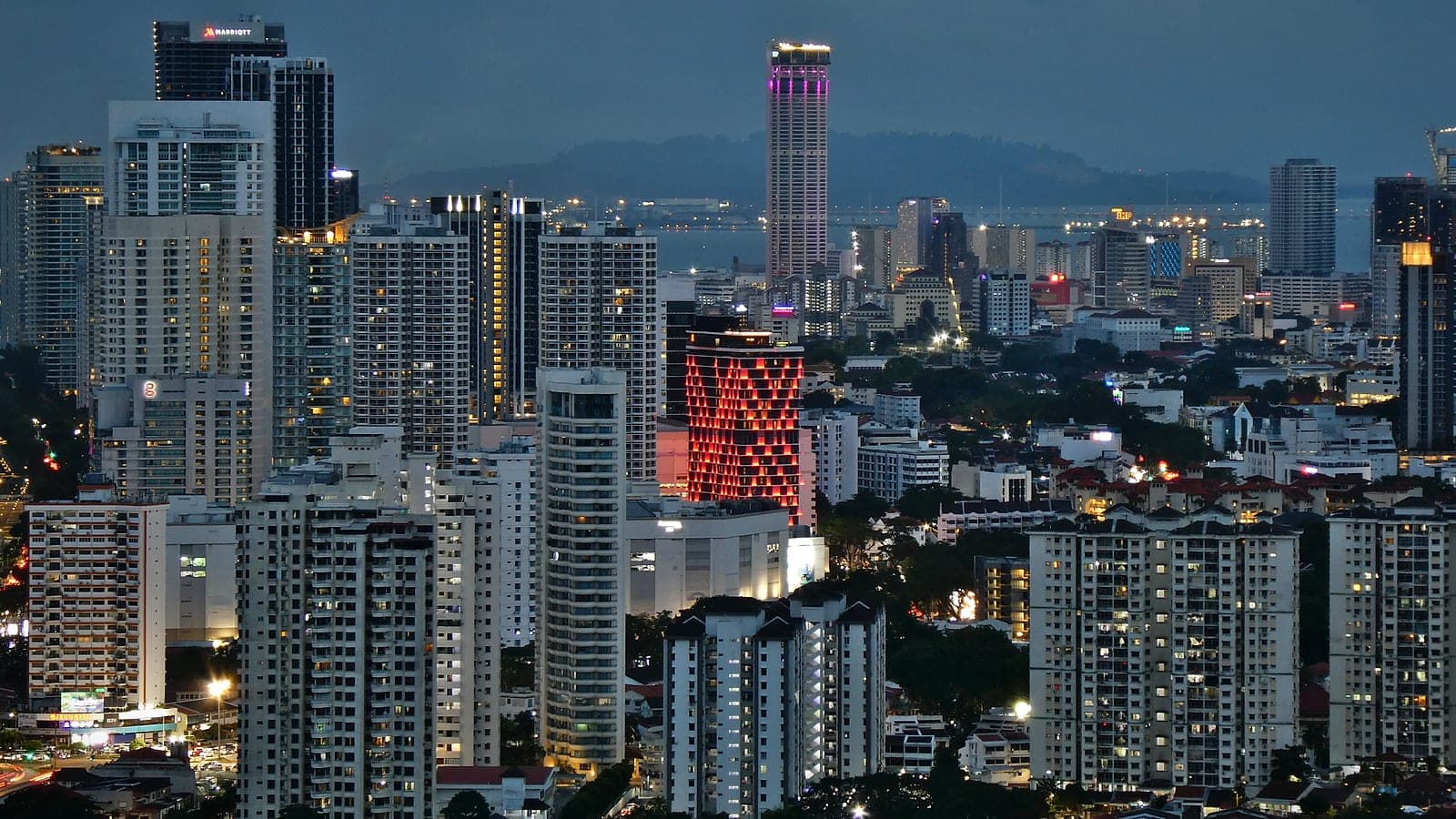
Penang earns its reputation — not because it has one great thing, but because it keeps producing reasons to stay longer. Every street has a stall worth queuing for. Every lane has a building with a story. The island is small enough to cover in a week and layered enough that people come back every year.
This list is our annual attempt to cut through the noise: 50 experiences that are genuinely worth your time, chosen for specificity, not completeness. We have included opening hours, prices, and the kind of detail that only matters if you have actually shown up.
If you are building a schedule around this list, our 3-day itinerary is the fastest path through the top tier. For keeping costs sensible, the budget guide covers what things actually cost in 2026.
Food & Eating
1. Char Kway Teow at Lorong Selamat The stall on Lorong Selamat — run by an elderly woman who works the wok herself — is the version most Penangites cite as the benchmark. Flat rice noodles, pork lard, cockles, egg, bean sprouts, and dark soy, cooked over charcoal heat you can smell from 20 metres. Arrive before 12:30 pm or after the lunch rush; sold out by early afternoon most days. Around RM 9–12 a plate. The charcoal wok is the point — gas copies exist everywhere.
2. Penang Laksa at Air Itam Market The version at Air Itam market has the sharpest spice base on the island: thick rice noodles in a sour mackerel broth with shrimp paste, pineapple, mint, and torch ginger flower. This is Penang's signature dish at its most uncompromising — not the mild tourist-restaurant version. The market sits near the base of the Kek Lok Si road. Around RM 5–6. Mornings only; usually sold out before noon.
3. Cendol at Penang Road Famous Teochew Chendul At the junction of Penang Road and Lebuh Keng Kwee, this stall has been serving green-noodle cendol with coconut milk and Gula Melaka palm sugar since the 1930s. The original — with red beans and a slow pour of dark treacly syrup — is RM 4.50 for a cup, RM 6 for a bowl. There are imitators up and down Penang Road with similar names; the original has a queue and a small plaque. Open daily from around 10 am to 7 pm.
4. Nasi Kandar at Line Clear Line Clear on Penang Road, near Kapitan Keling Mosque, is open 24 hours. Choose white rice or biryani, point at the curries you want — mutton, chicken, fish roe, prawn sambal, dal — and they flood it all together into what regulars call banjir (flooded) style. Around RM 15–25 depending on how many curries. The biryani is worth the slight upcharge. This is where Penangites take out-of-town guests at midnight.
5. Hokkien Mee at New Lane Hawker Centre Hokkien Mee in Penang is prawn noodles — not the stir-fried KL version. A deep orange-red broth built over hours from prawn shells and pork bones, topped with prawns, pork slices, kang kong, and hard-boiled egg. The stall at New Lane Hawker Centre (Lorong Baru, off Penang Road) is open evenings. Order small (RM 7) to have room for the rest of the night. Ask for sambal on the side if you want heat.
6. Tek Sen Restaurant Tek Sen on Lebuh Carnarvon is Cantonese-Hakka, not hawker — a proper restaurant with a menu that has been consistent for decades: deep-fried pork belly with salted fish, braised duck, bitter gourd with egg. Closed Tuesdays. Dinner from around 6 pm; the 15–20-table room fills up fast, so book ahead or arrive at opening. Main dishes RM 15–35. This is dinner, not a quick stop.
7. Hameediyah Restaurant Open since 1907, Hameediyah on Campbell Street is the oldest nasi kandar restaurant in Penang. The nasi briyani uses aged basmati and a slow-cooked mutton masak merah that differs from Line Clear's faster version. Order the briyani set (around RM 20–25) with mutton and ikan bilis sambal. The shophouse ground floor has not been renovated so much as continuously used. Open from around 9 am to 9 pm; closed Fridays.
8. Assam Laksa at Hong Loh Kopitiam, Ayer Itam The assam laksa at Hong Loh Kopitiam in Ayer Itam village uses more tamarind and less restraint than the market version — a thicker, sharper broth. The kopitiam has marble-top tables. Pair it with Ipoh white coffee. Around RM 6. Opens from early morning; laksa usually runs out by 11 am.
9. Roti Canai at Sri Ananda Bahwan Sri Ananda Bahwan on Penang Road is a South Indian vegetarian restaurant open from very early morning. The roti canai here is thinner and crisper than the Malay warung style. Order it with dal and coconut chutney, not just curry. Around RM 2–3 per piece. On weekends it doubles as one of the better banana-leaf thali spots at lunch (RM 12–15).
10. Wai Kee Roast Duck, China Street Ghaut Wai Kee on Lebuh China roasts duck low and slow — the skin does not shatter the way Cantonese roast duck usually does, but the meat stays moister. A quarter duck with rice runs around RM 18. The stall opens at 11 am and closes when sold out, usually by 2 pm. Go early. The corner position at China Street Ghaut means you can eat on the steps with a view down to the street art junction.
11. Durian Season at Balik Pulau (June–August) Penang's own varieties — D101, Red Prawn (Udang Merah), Black Thorn — are grown in Balik Pulau on the island's quieter west side. June to August is peak season. Sit at a roadside stall under the trees, pay around RM 20–35 per kilo for D101, and eat directly from the husk. Smaller and more pungent than Johor fruit, not available in supermarkets. The drive to Balik Pulau is 30 minutes from Georgetown.
12. Coffee at Sin Guan Huat, Rope Walk Sin Guan Huat on Jalan Pintal Tali (Rope Walk) roasts coffee in-house using a wood-fire drum roaster running since the 1940s. A cup of kopi is RM 2.50. The shop is a narrow, black-walled space — not a cafe, a working roastery where you stand and drink. Buy a bag of grounds to take home. Open mornings only, Monday to Saturday.
Heritage & History
13. Kek Lok Si Temple, Air Itam Kek Lok Si is the largest Buddhist temple complex in Southeast Asia, built between 1890 and 1930 on a hillside above Air Itam village. The 30-metre bronze Goddess of Mercy statue at the summit was added in 2002. Free to enter the main courtyards; RM 2 for the pagoda lift, RM 5 for the Ban Po Thar pagoda. The temple merits two hours minimum — most visitors spend 45 minutes and miss the upper gardens. Go at dusk for the light and smaller crowds.
14. UNESCO George Town Heritage Zone In 2008, George Town was jointly inscribed on the UNESCO World Heritage List with Melaka, recognising its multicultural layering of Malay, Chinese, Indian, and European buildings from the 18th century forward. The core zone covers roughly 109 hectares of intact shophouses, clan associations, mosques, temples, and colonial buildings in the northeast of the island. Walk it — do not tour it by car.
15. Khoo Kongsi, Cannon Square The grandest of George Town's Chinese clan temples, built by the Khoo clan beginning in 1851 and substantially rebuilt in 1906 after a fire. The current building has a double-tiered roof with handmade ceramic decorations depicting Chinese opera scenes, gilded beams, and ancestral tablets going back 200 years. Admission RM 10 (adults). Open Monday to Friday 9 am–5 pm, weekends to 1 pm. Do not skip the clan museum on the upper floor.
16. Cheong Fatt Tze Mansion (The Blue Mansion) Built in the 1880s by Hakka merchant Cheong Fatt Tze — one of the richest men in Asia at his peak — this 38-room Qing dynasty courtyard house at 14 Leith Street is painted in indigo made from the indigo plant. Guided tours run at 11 am and 3 pm (RM 25 adults); take one, because the construction detail — hand-cut granite from China, Scottish cast-iron railings, traditional Feng Shui layout — does not read without explanation.
17. Fort Cornwallis Fort Cornwallis on the Esplanade waterfront is where Francis Light landed in 1786 and claimed Penang for the British East India Company. The current brick fort dates from 1810. The star-shaped battlements and antique brass cannons — including the Seri Rambai, a 16th-century Portuguese cannon believed by local women to grant fertility — are the main draw. Admission RM 20 (adults). Open daily 9 am–7 pm.
18. Penang Museum & Art Gallery The Penang Museum on Farquhar Street occupies a colonial schoolhouse built in 1821. The permanent collection on Penang's founding, its multicultural street trades, and its role as a British colonial port is well-assembled. The Straits Chinese gallery has original furniture, ceramics, and embroidery. Admission RM 1 — among the cheapest museum entries in Malaysia. Closed Fridays. Open 9 am–5 pm.
19. Sri Mahamariamman Temple, Little India The Sri Mahamariamman Temple on Lebuh Queen (Queen Street) anchors Penang's Little India and is one of the oldest Hindu temples in Malaysia — established 1833, current gopuram completed 1883. The tower is covered with painted stucco figures of deities in the South Indian style. Active place of worship; remove shoes at the gate. The surrounding streets have the full range of Indian textile shops, flower garland sellers, and banana-leaf rice restaurants.
20. Armenian Street (Lebuh Armenian) Lebuh Armenian is the street the 2012 Ernest Zacharevic murals made famous — Boy on Bicycle, Children on Swing — but the street pre-dates the murals by two centuries. The Kuan Yin Teng at the eastern end is the oldest Chinese temple in Penang (built 1728). The five-foot-way shophouses running the length of the street are near-intact. The steel-rod caricature sculptures of Penang street trades are mounted at eye level and mostly ignored; they are worth slowing down for. Best before 8 am, before the crowds.
21. Clan Jetties, Weld Quay A series of wooden walkways extending over the water off Weld Quay, with clan-specific settlements — Chew Jetty, Tan Jetty, Lee Jetty — continuously occupied since the 19th century by descendants of dock labourers and fishermen. These are operational homes, not a theme park. Chew Jetty is the largest and most visited; walk to the end at dusk when the fishing boats come back. Free entry. Photography is welcomed by most residents.
22. Penang Peranakan Mansion, Church Street At 29 Church Street, this private collection of Straits Chinese antiques fills a restored 19th-century townhouse with over 1,000 pieces: Victorian-era gilded furniture, Nyonya porcelain, beaded shoes, traditional bridal gowns, and the carved daybed at the centre of the main hall. Admission RM 20 (adults). Open daily 9:30 am–5 pm. It gives context for the food, textiles, and design language you will see throughout George Town.
Neighbourhoods & Streets
23. Beach Street (Lebuh Pantai) Beach Street is the financial spine of colonial George Town — banks, trading houses, and insurance offices in a continuous run of early 20th-century neoclassical buildings. HSBC (formerly Hong Kong and Shanghai Bank), Standard Chartered, and the old Eastern & Oriental building all face the same narrow road. Walking it on a weekday morning — when the buildings are in use and the five-foot ways are busy — shows what the commercial heart of a British trading port looked like.
24. Love Lane (Lorong Love) One block off Chulia Street, Love Lane has been the backpacker corridor of George Town for 30 years. It earned the name from European merchants who kept their mistresses here while residing on more respectable streets nearby. Today it is unpretentious: good cheap eating at the street stalls at the Chulia Street end in the evenings, and a useful base if you want to walk everywhere.
25. Muntri Street One street south of Armenian Street, Muntri Street is less photographed and more residential — intact shophouses with clan association offices, a Buddhist association, a small mosque, and a few well-preserved Straits Chinese houses. It connects Armenian Street to Love Lane. The secondary Zacharevic murals here draw far smaller crowds than the Armenian Street originals. Walk it slowly.
26. Chulia Street (Lebuh Chulia) The main artery of the George Town budget zone and has been for 200 years — originally the Muslim Indian merchant quarter (the Chulias were Tamil Muslim traders). The Kapitan Keling Mosque at the western end, built in 1801 and the largest mosque in Penang, anchors the Muslim Indian character of the street. The street stalls outside Kapitan Keling are among the better evening eating spots.
27. Gurney Drive Promenade Gurney Drive is a seafront road north of George Town. The stalls here are tourist-facing and priced accordingly — this is not where Penangites go for the best food. But the promenade at dusk, with the Strait of Malacca on one side and the Penang Hills on the other, is one of the better evening walks on the island. Best after 6 pm.
28. Jalan Masjid Kapitan Keling (the multicultural corridor) Within 200 metres on this single street: Kapitan Keling Mosque (Muslim Indian, 1801), St. George's Church (Anglican, 1818 — the oldest Anglican church in Southeast Asia), Sri Mahamariamman Temple (Hindu, established 1833), and the Goddess of Mercy Temple on Armenian Street (Buddhist/Taoist, 1728). The density of active places of worship from four religions within one short walk is one of the more direct illustrations of what George Town's heritage inscription is about.
29. Penang Road Food Corridor (evenings) Penang Road from Chulia Street to Komtar is best navigated on foot in the evening as a moving meal. The Famous Teochew Chendul stall is here; Hameediyah is a block off it; and the hawker cluster near Penang Road and Jalan Burma runs wonton mee, hokkien mee, and oyster omelette from 6 pm onwards. Crowded enough to feel alive, navigable enough to eat your way through.
30. Queen Street and the Indian Textile Block The block of Lebuh Queen between Chulia Street and Jalan Mesjid Kapitan Keling is where Indian textile wholesalers have operated since the 19th century. Ground floors of these three-storey shophouses are stacked floor-to-ceiling with bolts of silk, cotton, and synthetic fabric. Shops will price retail for tourists. If you are looking for saree fabric or traditional Indian dress, this is the source. Most shops open Monday–Saturday, 9 am–6 pm.
Nature & Outdoors
31. Penang Hill (Bukit Bendera) At 833 metres, Penang Hill is the island's highest point and oldest hill station — the British established bungalows here from the 1790s. The funicular runs from Air Itam base station every 30 minutes (RM 30 return for foreigners; buy at the base). The summit has a canopy walkway, David Brown's Restaurant in a colonial-era building, and a mosque. The view covers the entire northern island, the strait, and the mainland. See entry #44 for the sunrise version.
32. Penang Botanic Gardens Established in 1884 as an experimental agricultural station, the Botanic Gardens on Waterfall Road are among the best-preserved Victorian botanical gardens in Southeast Asia. 30 hectares free: fern house, lily pond, cactus garden, orchid section, and a long central path under large mature trees. The macaque population is bold — do not carry open food. Open daily 7 am–8 pm, free. Best before 9 am when the light through the canopy is worth the early start.
33. Penang National Park, Teluk Bahang The smallest national park in Malaysia, 40 minutes from Georgetown, with some of the island's most intact coastal forest. The 2-hour walk to Pantai Kerachut (Monkey Beach) passes through primary jungle with hornbills overhead. The beach is a nesting site for green turtles (May–September). Free entry; register at the park office. Bring water — the trail is humid and has no facilities. Alternatively, boat from the jetty in about 10 minutes (around RM 60 return per group).
34. Monkey Beach (Pantai Kerachut) Inside Penang National Park, reachable only by foot through the park or by boat from Teluk Bahang. A white-sand beach with no road access, a turtle nesting area managed by the park, and a freshwater lagoon separating beach from jungle. One of the genuinely uncrowded beaches in Penang. The hike from the park entrance takes 2–2.5 hours. Swimming is good on calm days; check conditions at the park office first.
35. Tropical Spice Garden, Teluk Bahang Over 500 species of Southeast Asian spice plants across 3 acres of hillside jungle, all labelled in context — black pepper, nutmeg, cardamom, vanilla, gingers. This is the clearest introduction to what the spice trade actually involved that exists anywhere in Penang. Entry RM 30 (adults). The spice shop at the entrance sells fresh-ground mixes and cooking pastes worth buying. Open daily 9 am–6 pm.
36. Entopia by Penang Butterfly Farm, Teluk Bahang Originally opened in 1986 as the Penang Butterfly Farm, redeveloped in 2016. Two sections: an outdoor butterfly sanctuary with 4,000 live butterflies across 0.8 hectares, and an indoor museum with nocturnal insects, live scorpions, leaf cutter ants, and a beetle breeding programme. Entry RM 55 (adults); open daily 9 am–6 pm. Clusters well with the Tropical Spice Garden (5 minutes away) and the national park entrance.
37. Bukit Jambul Orchid & Hibiscus Garden In the south of the island near the second bridge, this is the least-visited of Penang's maintained gardens. The orchid section has over 500 varieties including endemic Malaysian species. Free entry. The elevated position gives views over Bayan Lepas and the coastline — consistently quiet. Most useful on a Sunday morning when the rest of the island's parks fill up.
Day Trips
38. Balik Pulau Village Balik Pulau on the island's west coast is a working agricultural town, not a tourist attraction — which is what makes it worth a half day. Durian orchards ring the town; in season (June to August) roadside stalls appear with freshly fallen fruit below Georgetown prices. The town's coffee shops serve old-style kopi and nasi lemak without the tourist premium. The coastal road from Georgetown via Balik Pulau to Batu Ferringhi (the full island loop, around 70 km) is the best cycling or motorbike route on the island.
39. Teluk Bahang Fishing Village At the northwestern tip of the island, Teluk Bahang is where the tourist zone ends and the working fishing village begins. The jetty at the end of Jalan Teluk Bahang has boats returning around 6–7 am; the fish market runs until mid-morning. A few seafood restaurants serve the catch directly — Pak Su Seafood near the roundabout is reliable and local-priced. The national park entrance is a 10-minute walk from the village roundabout.
40. Batu Ferringhi Beach Penang's main beach strip — 5 km of shoreline backed by resort hotels along the northern coast. The water is murky by Southeast Asian standards (not a snorkelling beach) but the beach is wide and clean. The night market runs daily from 6 pm along the main road. Jet skis and banana boats are available from beach operators (around RM 60–120 depending on activity). Best in the evening — the setting is more pleasant than the daytime heat suggests.
41. Georgetown to Balik Pulau Cycling Route The cross-island route from Georgetown south via Balik Pulau is 35–40 km each way and climbs 300 metres across the interior hills. Bicycle hire from Georgetown shops is RM 30–50 per day for a decent hybrid. The route passes rubber and durian smallholdings, a few fishing villages, and a ridge section with views to both coasts. Start before 7 am and carry water. This is not a casual ride — but it covers the parts of Penang that remain outside the tourist economy.
42. Penang Second Bridge (Sultan Abdul Halim Mu'adzam Shah Bridge) At 24 km, the longest bridge in Southeast Asia, connecting the south of the island to Batu Kawan on the mainland. The crossing takes 20 minutes by car. No public crossing on foot or bicycle. The views from the elevated central span over the strait are worth the toll (RM 7.60 outbound). Useful as a route to Batu Kawan for IKEA and the Premium Outlet complex.
43. Penang War Museum, Batu Maung Built on a WWI-era British hillfort used by the Japanese as a torture and interrogation site during their 1941–1945 occupation. The tunnels, barracks, gun emplacements, and solitary confinement cells are original. Entry RM 26 (adults). Open daily 9 am–6 pm. The fort overlooks the Second Bridge and the southern approach. Allow 2–3 hours; the audio guide covers things the signage alone does not. See also entry #49 for the fuller picture.
Experiences
44. Penang Hill Sunrise The funicular opens at 6:30 am; the first car up before dawn is the only time the summit terrace has a manageable crowd. The sunrise over the strait — mainland range to the east, Penang Bridge lit below — justifies the RM 30 return price. Bring a light layer; the summit at dawn is noticeably cooler than the lowlands. The sunrise walk along the canopy walkway takes 30 minutes through secondary forest with mist still on the trees. Book tickets the day before at the base station.
45. Nyonya Cooking Class Several operators in George Town run half-day Peranakan cooking classes covering dishes — otak-otak, prawn sambal, kuih, acar — specific to the Straits Chinese culture. Nazlina Hussin's Spice Station on Lorong Lumut is the most consistent recommendation from returning visitors: small groups (maximum 6), her own family recipes, and a morning market visit at Campbell Street market before cooking starts. Around RM 280 per person for the half-day class. Book in advance.
46. Batik-Making Workshop Batik-making workshops using the traditional wax-resist tjanting method run at a few operators in the Georgetown heritage zone. Yahong Gallery on Penang Road has run workshops for over 30 years and offers a 2-hour hands-on session (around RM 150 per person) where you design and complete a small batik panel using wax and dye. You leave with the finished piece. The gallery's permanent collection of Malaysian batik occupies the shophouse floors above.
47. George Town Street Art Walk A self-guided walk covers the Zacharevic murals (Armenian Street), secondary murals on Muntri Street, 52 steel-rod sculptures throughout the heritage zone, and newer commissioned works on the lanes off Love Lane and Chulia Street. The George Town World Heritage Office publishes a free walking map (available at the Penang State Museum and most guesthouses). Budget 2–3 hours. The steel-rod sculptures are the overlooked part — small, at eye level, depicting historical trades and street life the painted murals do not show.
Hidden Gems
48. Dhammikarama Burmese Buddhist Temple On Burma Road (Jalan Burma), the Dhammikarama is the oldest Burmese Buddhist temple outside Myanmar, established in 1803. The main hall is painted bright gold and white with Burmese architectural detailing — different in character from the Chinese Buddhist and Thai temples nearby. A 4-metre standing Buddha and two white elephants flank the entrance. The lane behind the main hall leads to a meditation hall and smaller shrines that most visitors walk past. Free entry; remove shoes. Almost always uncrowded.
49. Penang War Museum — the fuller picture Most short-stay visitors skip the War Museum because it requires a 30-minute drive south. That is the point: it is the most viscerally preserved war site in Malaysia precisely because its remote location kept it from being redeveloped. The solitary confinement cells, original British-built gun emplacements, and Japanese-era interrogation rooms are intact. Built in 1928 as a coastal defence installation, the fort was overrun in December 1941 when the Japanese landed to the north and bypassed it — the army that built it and the army that used it both left their marks.
50. Penang Botanic Gardens at 6:30 am The Botanic Gardens from entry #32 make this list again — specifically at 6:30 am on a weekday, before the joggers arrive in full force, when the mist is still on the lily pond and the hornbills are audible in the upper canopy. This is free, requires no booking, and is one of the genuinely restorative things Penang offers that does not appear on any commercial itinerary. The side entrance on Jalan Air Terjun is accessible before the 7 am main gate opening. Walk the fern house loop first. Leave before 9 am.
This list is updated annually. For the full food guide covering every dish and neighbourhood eating option, see the food section. For a structured schedule built around this list, the first-timer's itinerary covers the top 20 in 3 days without rushing.
Keep reading
Guides that pair well with this one.
Penang for Japanese Tourists: The Complete Guide (2026)
Direct flights from Osaka and Tokyo, Japanese-friendly food, and a city built on multicultural craft make Penang one of Southeast Asia's best destinations for Japanese travellers.
12 min readneighborhoodsArmenian Street George Town — Complete Guide
Lebuh Armenian is the most-photographed street in Penang. Here's what's actually on it, what's nearby, and how to see it without just following the mural trail.
7 min readfoodBest Restaurants in George Town, Penang (2026)
The restaurants worth booking a table at in Penang's UNESCO heritage zone — from Nyonya tasting menus and colonial dining rooms to old-school Hainanese chops houses and the kopitiam that hasn't changed its recipe since 1940.
6 min readpracticalGeorge Town Walking Guide: Routes, Neighbourhoods & Tips for First-Timers (2026)
How to walk George Town for your whole stay — five named loops covering heritage, street art, food, clan houses, and the colonial waterfront, plus heat and shade-hopping tips.
10 min read