On this page
Penang on a Budget: Travel Well for Under RM 150 a Day
How to see Penang's best without overspending. Daily budget breakdown, cheapest accommodation, hawker centre strategy, free attractions, and transport tips for budget travellers.
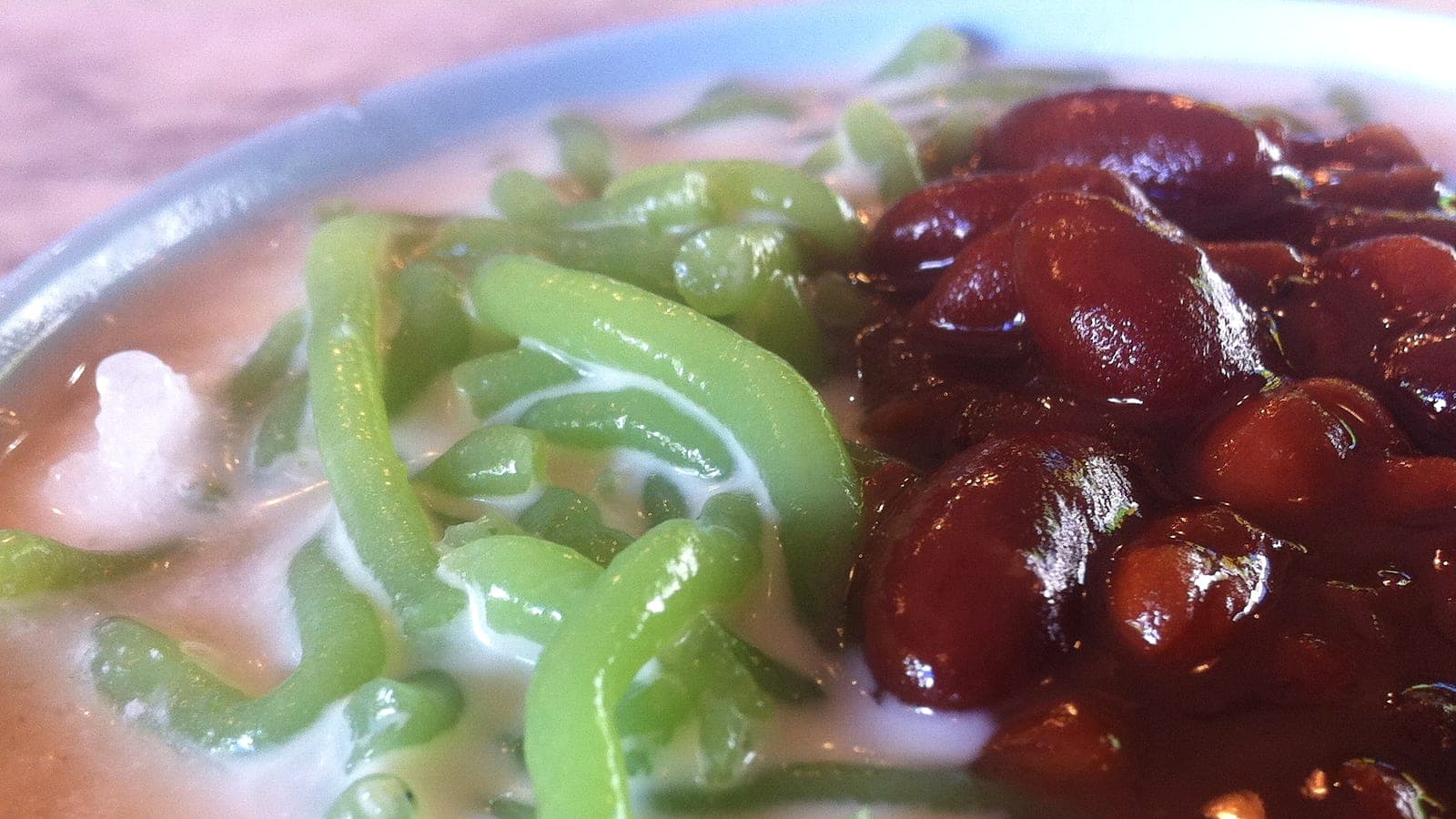
Penang is one of the most rewarding budget destinations in Southeast Asia. You can eat world-class food for RM 6, sleep in a heritage shophouse hostel for RM 40, and spend a full day exploring UNESCO-listed George Town without paying a single entrance fee. Most first-time visitors spend more than they need to — this guide helps you avoid that.
This guide targets travellers aiming for RM 100–150 per day (USD 22–33) covering accommodation, three meals, transport, and one paid activity. With more flexibility on accommodation, RM 80–120 is achievable.
Budget backpackers, long-stay travellers, digital nomads watching expenses, first-timers testing the region
What You'll Actually Spend
The four budget categories in Penang are accommodation, food, transport, and activities — and only one of them requires much planning.
Accommodation: RM 40–80/night. George Town has a well-developed hostel scene concentrated on Love Lane, Lebuh Chulia, and Muntri Street. Dorm beds at clean, heritage-building hostels run RM 40–60. Private rooms with shared bathrooms start at RM 80–100. Ryokan Muntri Boutique Hostel and Carnarvon House are consistently good; Love Lane Inn offers free breakfast. Book direct by WhatsApp for better rates than booking platforms.
Food: RM 30–50/day. Penang street food is cheap by any standard. Breakfast at a hawker stall — roti canai, nasi lemak, or char koay kak — costs RM 4–7. Lunch and dinner at hawker centres run RM 7–12 per meal. A Penangite eating three meals a day spends roughly RM 25–35. As a tourist eating slightly more adventurously, budget RM 40–50 and you'll eat very well.
Transport: RM 10–20/day. The free CAT (Central Area Transit) bus loops around George Town heritage zone every 20 minutes from 6am to 11pm. Most of what you want to see in the city is within walking distance or free bus range. RapidPenang buses cover the entire island for RM 1.40–4 per trip — take Route 101 to Batu Ferringhi beach (RM 2.70) or Route 204 toward Penang Hill. Grab rides within George Town cost RM 5–10.
Activities: RM 20–50/day. Most of Penang's best things are free. The UNESCO heritage zone, street art trail, Clan Jetties, temples, and beaches all cost nothing. Budget for one paid attraction per day — Penang Hill funicular costs RM 30 for foreigners round trip; museums charge RM 5–15. On most days you'll spend nothing on activities.
Total: RM 100–200/day depending on your choices. Budget-focused travellers landing on the lower end can do RM 80–100 easily.
Where to Eat Cheap (and Extremely Well)
The single biggest mistake budget travellers make in Penang: eating at restaurants on the main tourist streets. The places with English menus and picture boards on Chulia Street and Armenian Street charge two to three times hawker prices for the same food. Go where Penangites go.
Chulia Street Night Hawkers run from roughly 7pm, with char kway teow, apom balik, satay, and barbecue corn. Prices RM 5–10. Tourist-friendly enough that you won't feel lost, but priced like a local market.
Pulau Tikus Market is the morning benchmark. Open from 6am, this neighbourhood market serves Hokkien mee, chee cheong fun, and rojak to a largely local crowd. RM 4–8 per dish. Take a Grab (RM 12–15 from George Town) or Route 204 bus.
New Lane Hawker Centre (Lorong Baru) operates evenings and is worth visiting at least once. Famous for BBQ chicken wings, popiah, and cendol. Slightly more tourist-facing but still cheap — RM 5–12.
Padang Brown Food Court runs 24 hours and is the late-night anchor for the city. Nasi kandar, mee goreng, laksa. RM 5–10. No one will bother you if you arrive at 1am.
The queue rule
If locals are queuing, the stall is worth queuing for. A 15-minute wait for char kway teow at RM 7 is normal and indicates quality. If a stall has no queue and charges RM 15 for the same dish, walk past it.
Free Attractions
George Town rewards walking more than any paid activity. These are the highlights that cost nothing:
Street Art Trail. Ernest Zacharevic's murals — particularly "Boy on Bike," "Brother and Sister," and "Children on a Bicycle" on Armenian Street — are the visual centre of the heritage zone. The Armenian Street Arts of the Streets project added 52 steel caricature sculptures across the heritage area. Give it 2–3 hours.
Clan Jetties. The six surviving water villages at the southern edge of George Town are walkable from the city. Chew Jetty is the most visited — a working community on wooden stilts over the sea, inhabited by the descendants of the founding Chinese clans. Go in the early morning to see fishermen and avoid afternoon tour buses.
Temples. Penang has more ornate religious buildings per square kilometre than almost anywhere in Southeast Asia. Goddess of Mercy Temple (Kuan Yin Teng) on Jalan Masjid Kapitan Keling, Sri Mahamariamman Temple in Little India, and Masjid Kapitan Keling (the oldest mosque on the island) are all free and worth 30–45 minutes each.
Batu Ferringhi Beach. Free to use; take RapidPenang Route 101 from Komtar (RM 2.70). The beach is wide, the sea is warm, and the northeast monsoon months (December–February) offer calmer water. Bring sunscreen — there's no shade.
Little India. The grid of streets around Jalan Masjid Kapitan Keling and Jalan Pasar is compact, colourful, and entirely free to wander. Textile shops, spice stalls, flower garlands. Best on weekday mornings when the market is running.
Transport Without Spending Much
The free CAT bus is genuinely useful — not just free, but frequently running and covering the core heritage area. Download RapidPenang's route map before arriving. Key routes: 101 (Komtar → Batu Ferringhi), 204 (Penang Hill direction), 401E (Airport). Fares are paid in cash; carry small change.
Renting a bicycle from a George Town guesthouse (RM 15–25/day) works well for the heritage zone and quieter roads, but Penang traffic is dense and drivers are not particularly bike-aware. Not recommended for main roads or Batu Ferringhi.
The secret: walk more than you think you need to
George Town's heritage zone is 2.5km from north to south. Most visitors overestimate the distances and take unnecessary Grab rides. Put on comfortable shoes and walk between sites — you'll stumble across things you wouldn't otherwise find.
A 5-Day Budget Outline
Day 1 (arrive, RM 100): Check in, walk Chulia Street area, evening at Chulia Street night hawkers.
Day 2 (heritage, RM 95): Free CAT bus loop of heritage zone, street art hunt, Clan Jetties, New Lane hawker centre for dinner. One museum if you want (RM 10–15).
Day 3 (beach, RM 100): RapidPenang bus 101 to Batu Ferringhi (RM 2.70 each way). Full day at the beach. Dinner at George Town hawker.
Day 4 (Penang Hill, RM 130): Grab to lower station, funicular up (RM 30), The Habitat treetop walk if budget allows (RM 30), walk down or funicular back. Pulau Tikus Market for breakfast if early start.
Day 5 (temples, markets, RM 90): Kek Lok Si Temple in the morning (free grounds), back to George Town for final market meal at Padang Brown.
Running total: approximately RM 515 (USD 110–120) for five days. Flights and airport transfers are additional.
Use our Penang budget calculator to build a day-by-day cost estimate before you arrive. For trip planning, the free itinerary builder helps you map activities against your daily budget.
What Drains the Budget Fast
Avoid these: cocktail bars and rooftop venues (RM 30–50 per drink), tourist restaurants with "authentic Penang food" signs (RM 40–60 for things that cost RM 8 at a hawker stall), Grab during peak evening hours (surge pricing to Batu Ferringhi can hit RM 50+), and buying bottled water at convenience stores (carry a refillable bottle; most hostels provide drinking water).
Keep reading
Guides that pair well with this one.
Solo Female Travel in Penang: Safety, Practicalities & What to Expect
An honest guide for solo female travellers visiting Penang. Safety realities, best areas to stay, how to get around, what to wear, and how to enjoy Penang alone.
6 min readplanningFirst Time in Penang? Everything You Need to Know
The essential guide for first-time Penang visitors. What to see, where to stay, how to get around, what to eat, safety, weather, and a practical 5-day itinerary.
8 min readplanning7 Days in Penang: The Complete Itinerary
A full week in Penang done properly — George Town's heritage zone, hawker breakfasts, Balik Pulau countryside, Batu Ferringhi, hill walks, day trips, and the meals that make the island worth returning to.
12 min readfoodDishes Invented in Penang — and Where to Try the Originals
Char kway teow, Penang laksa, cendol, lor mee — several of Malaysia's most iconic dishes were invented or perfected in Penang. Here's the origin story and where to eat the real thing.
6 min read