On this page
First Time in Penang? Everything You Need to Know
The essential guide for first-time Penang visitors. What to see, where to stay, how to get around, what to eat, safety, weather, and a practical 5-day itinerary.
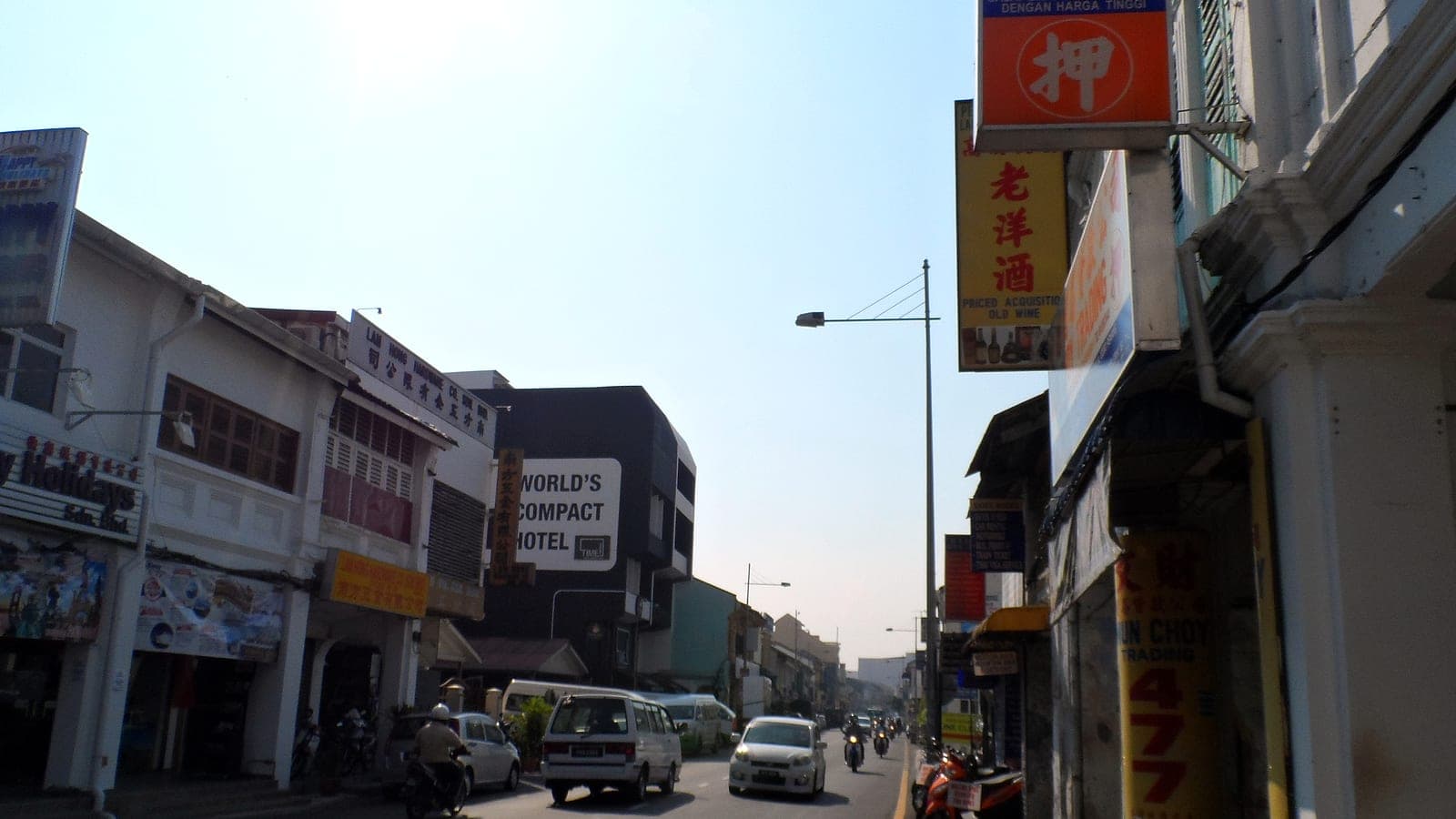
Penang is one of the easiest first stops in Southeast Asia. It's compact, English-speaking, safe, and has some of the world's most celebrated street food at prices that feel unreal the first time you order. The heritage zone is walkable, the beaches are 20 minutes away, and the island rewards slow exploration over efficient tick-box touring.
This guide covers what you need to know before you arrive and what to focus on once you're there.
Penang works well as a standalone destination or as a side trip from Kuala Lumpur (55-minute flight). Most visitors find 4 days ideal; 3 days is achievable if you're focused.
First-time visitors to Southeast Asia, travellers with 3–5 days, anyone looking for a balanced mix of heritage, food, nature, and beach
Why Penang Works for First-Timers
The island has infrastructure that makes it unusually low-friction for a first Southeast Asia trip. English is widely spoken — in George Town, you can get through an entire day without needing a word of Malay. Grab (the regional ride-hailing app) works everywhere. Street signs are in English and Jawi. Crime against tourists is genuinely uncommon. Hospital and pharmacy infrastructure is good.
More importantly, Penang concentrates a remarkable range of experiences in a small area. George Town's UNESCO heritage zone is less than 3km across. Penang Hill is 45 minutes from the city. Batu Ferringhi beach is 20 minutes away. Most things are reachable without a car, and the free CAT bus covers the heritage zone all day.
The Three Zones to Understand
George Town (Heritage and Food). The city is the reason most people visit. The UNESCO-listed core area covers pre-war Chinese shophouses, British colonial buildings, Hindu temples, mosques, clan houses, and the densest concentration of street art murals in Malaysia. It's also where the hawker food culture is most visible. Most first-timers stay here.
Batu Ferringhi (Beach and Resorts). The north coast beach strip is 20 minutes from George Town by Grab or RapidPenang bus. Wide sandy beach, resort hotels, and a night market that opens around 6pm. The water is calmer from November to March. Day-trip it or stay up there for a night.
Air Itam and Penang Hill (Temples and Nature). The central area is where Kek Lok Si Temple and the Penang Hill funicular are. Less time is usually needed here — half a day covers the hill and the temple grounds comfortably.
Must-Do Experiences for First Visits
Street Art in George Town. Ernest Zacharevic painted a series of iron rod sculptures and murals across the heritage area in 2012 that became internationally famous. "Children on a Bicycle" on Armenian Street and "Boy on Bike" on Lebuh Armenian are the most photographed. The Armenian Street Arts of the Streets project added 52 steel rod caricature sculptures. Walking the art trail takes 2–3 hours and costs nothing.
Clan Jetties. Six wooden water villages built on stilts over Penang harbour, inhabited by the descendants of the founding Chinese clans (Chew, Lee, Tan, Yeoh, Lim, and a mixed jetty). Chew Jetty is the most accessible. Go early morning — before 10am — to see the community before the tour groups arrive.
Penang Hill. The Swiss-made funicular climbs 833 metres in five minutes. The summit is 5–7°C cooler than the coast, and on clear mornings the view across George Town to the Penang Bridge and the mountains of Kedah on the mainland is worth the RM 30 ticket. The Habitat is a walkway through primary rainforest at the summit — add RM 30 if you want structured nature. Book tickets online at penanghill.gov.my to avoid queuing.
Hawker Centre Meals. This is the main event. Penang hawker food — char kway teow, assam laksa, Hokkien mee, nasi kandar, cendol — is the reason food writers from Singapore, Tokyo, and London make special trips. Eat at the hawker centres and street stalls, not the restaurants. See the food section below.
Kek Lok Si Temple. Southeast Asia's largest Buddhist temple complex is built into the hillside above Air Itam, with a 30-metre bronze statue of Guan Yin and a seven-storey pagoda that blends Burmese, Thai, and Chinese architectural styles. The grounds are free; some inner sections charge RM 2–5. Take a Grab or Route 101 bus.
Best sequence for a first day
Arrive, check in, and walk east through the heritage zone toward the waterfront. Pick up breakfast from a roti canai stall. Find the clan jetties before 10am. Walk back through the heritage zone looking for street art on Armenian Street and Bishop Street. Lunch at a hawker centre. Afternoon rest. Evening at Chulia Street night hawkers.
Getting Around
Grab is the default for point-to-point trips. Download it before you arrive. George Town to Batu Ferringhi costs RM 25–35; airport to George Town costs RM 40–60. Prices surge during evenings — pre-book or use RapidPenang for the beach route.
Free CAT Bus loops around the George Town heritage zone every 20 minutes from 6am to 11pm. It's genuinely free, genuinely useful, and stops near most of the heritage sites. Download the route map from RapidPenang's website.
RapidPenang buses cover the entire island. Key routes for first-timers: Route 101 (George Town → Batu Ferringhi, RM 2.70), Route 204 (George Town → Air Itam direction, useful for Penang Hill), Route 401E (Airport). Pay cash; carry small change.
Walking covers the majority of George Town. The heritage zone is compact and the streets are shaded by shophouse awnings. Bring an umbrella — afternoon tropical rain arrives quickly and passes just as fast.
Where to Stay
Browse Penang hotels to compare options across all budgets and neighbourhoods. George Town is where most first-time visitors should base themselves. It puts you within walking distance of the food, heritage, and street art, and day trips to the beach or hill are straightforward.
The heritage zone has budget hostels (RM 40–80 for dorms, RM 100–150 for private rooms) in restored shophouses on Chulia Street, Love Lane, and Muntri Street. Mid-range boutique hotels occupy some of the best heritage buildings — Campbell House, 23 Love Lane, and Muntri Grove are consistently well-reviewed.
The large beach resort hotels (Shangri-La Rasa Sayang, Hard Rock Penang, Bayview Beach) are at Batu Ferringhi, a 20-minute drive from town. Fine for beach holidays, but less convenient for food and heritage exploration.
Heritage zone vs. beach: choose one
Staying at both means spending time and money commuting between them. For a first visit of 3–5 days, base yourself in George Town and day-trip to the beach. If the beach is the priority, base at Batu Ferringhi and day-trip to the city.
What to Eat First
Char Kway Teow — flat rice noodles wok-fried with egg, prawns, cockles, and Chinese sausage over a charcoal flame. The charcoal wok hei is non-negotiable for the good versions.
Assam Laksa — sour, fish-based noodle soup with thick rice noodles, tamarind, lemongrass, cucumber, pineapple, and a spoonful of prawn paste. Nothing like coconut laksa. This is the definitive Penang dish.
Nasi Kandar — rice with a selection of curries poured over. Order "banjir" (flood) to have all the gravies mixed. Best at the original mamak restaurants open since the 1970s.
Hokkien Mee — prawn noodle soup with a rich, deep-red broth. Order at morning hawker stalls.
Cendol — shaved ice with coconut milk, green pandan jelly strips, and dark palm sugar. Penang Road Teochew Cendol is the benchmark.
Start with these five. Most hawker centre dishes cost RM 5–12.
Practical Notes
Safety: George Town is safe to walk at night. Petty theft (bag snatching) has been reported on busy streets — don't have your phone in a back pocket. Violent crime against tourists is uncommon.
Weather: Penang is warm year-round (28–33°C). The driest, most pleasant period is November–March. Heavy monsoon rain arrives July–October; afternoon thunderstorms are possible at any time of year. Carry a small umbrella or accept that you'll get wet occasionally.
Dress: Casual tropical clothing is fine everywhere except religious sites. Bring something that covers knees and shoulders — you'll want to enter temples and mosques, and modest dress is required. Shoes come off at temple entrances.
Mobile: Buy a local SIM at the airport (Maxis, Celcom, Digi — RM 10–30 for a week of data). Much cheaper than roaming. Grab won't work without data.
Money: MYR only at hawker stalls — most don't take cards. ATMs are everywhere in George Town; use a travel card (Wise, Revolut) to avoid conversion fees. Licensed money changers on Penang Road give better rates than banks.
Use our Penang budget calculator to estimate your daily costs before you arrive, and build a custom day-by-day plan with the free Penang itinerary builder.
A First-Timer's 5-Day Outline
Day 1 — Arrive, orient, eat. Check in George Town. Evening walk along Chulia Street. Dinner at night hawkers.
Day 2 — Heritage deep dive. Free CAT bus loop. Armenian Street art trail. Clan Jetties (morning). Lunch at a hawker centre. Afternoon: Goddess of Mercy Temple, Little India.
Day 3 — Penang Hill + Kek Lok Si. Take a Grab to Air Itam. Kek Lok Si Temple grounds (free). Funicular up Penang Hill (RM 30). Lunch at the summit or back in Air Itam.
Day 4 — Beach day. RapidPenang Route 101 to Batu Ferringhi (RM 2.70). Full day on the beach. Return for dinner at Gurney Drive Hawker Centre.
Day 5 — Slow morning, markets, depart. Pulau Tikus Market for breakfast. Final walk through the heritage zone. Padang Brown for a last nasi kandar before leaving.
Keep reading
Guides that pair well with this one.
3 Days in Penang: The Best Short-Trip Itinerary
Three focused days in Penang — the George Town hawker trail, the heritage zone on foot, Penang Hill, a half-day in Balik Pulau, and the meals that justify coming here in the first place.
9 min readplanning7 Days in Penang: The Complete Itinerary
A full week in Penang done properly — George Town's heritage zone, hawker breakfasts, Balik Pulau countryside, Batu Ferringhi, hill walks, day trips, and the meals that make the island worth returning to.
12 min readplanningPenang on a Budget: Travel Well for Under RM 150 a Day
How to see Penang's best without overspending. Daily budget breakdown, cheapest accommodation, hawker centre strategy, free attractions, and transport tips for budget travellers.
6 min readplanningPenang from Singapore: The Complete Day Trip and Weekend Guide
Penang is 55 minutes from Singapore by air. Here's how to do it in a day, what to do on a long weekend, and which flights, hotels, and food stops to prioritise.
7 min read