On this page
Solo Muslim Female Travel in Penang: Safety, Halal & Practical Guide
The complete guide for solo Muslim women visiting Penang. Safety by neighbourhood, hijab-friendly spaces, JAKIM halal explained, prayer facilities, women-only options, and practical tips.
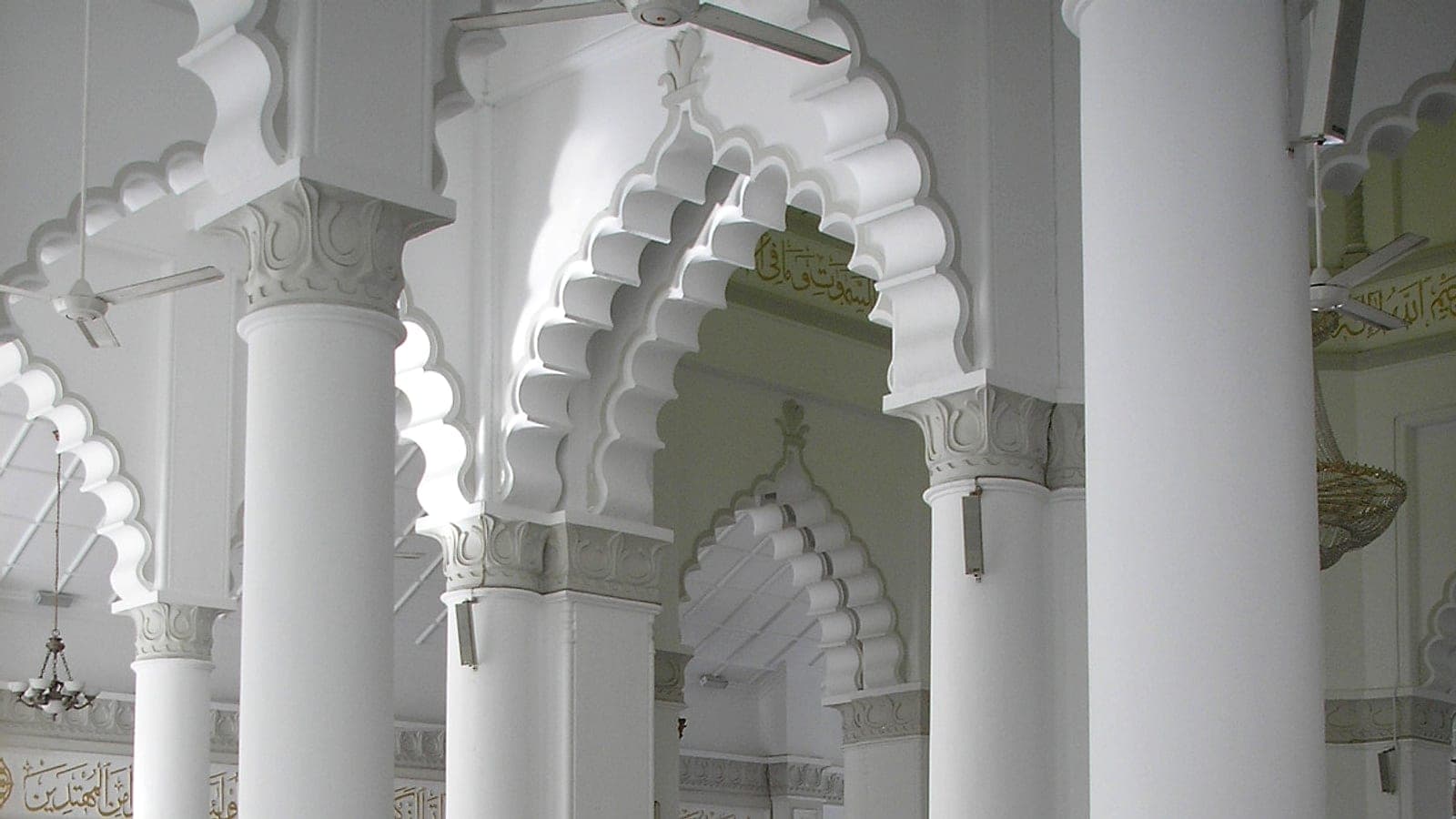
Penang is one of the most comfortable solo travel destinations in Southeast Asia for Muslim women. It combines two things that are usually in tension elsewhere: a genuinely safe, walkable city with good English infrastructure for solo women, and a Muslim-majority country where halal food is the default, mosques are embedded in the urban fabric, and hijab is common everywhere — not remarked upon, not accommodated as an exception, but simply part of daily life.
This guide combines practical safety for solo female travel with the specific needs of Muslim travellers: where to eat without checking labels, where to pray without planning ahead, and how to navigate the city as a woman alone.
If you've used either the solo female guide or the Muslim-friendly guide separately, this guide integrates both sets of concerns. The short answer is that Penang is one of the few cities where both halal infrastructure and solo female safety are structural rather than curated.
Solo Muslim women from Malaysia, Singapore, Indonesia, the Middle East, South Asia, UK, and anywhere — first-time visitors and return travellers wanting specifics on the Muslim-friendly + solo-female intersection
Why Penang Works for Solo Muslim Women
Malaysia is approximately 60% Muslim. In Penang, this means Islamic practice is woven into the city's daily rhythm — not a tourist accommodation. The adhan is publicly broadcast from multiple minarets across George Town. Halal certification (JAKIM) is the standard at permanent food outlets. Shopping malls have surau (prayer rooms) on their directories as a standard amenity.
For solo women specifically: George Town has the infrastructure of a functioning modern city — Grab for tracked transport, English as the default language for service interactions, well-lit heritage streets with consistent foot traffic until late evening, and an active hostel scene where meeting other travellers is easy if you want it.
The combination means that the planning burden is unusually low. You don't need to research halal restaurants area by area, pre-map prayer facilities before each day, or make transport decisions based on safety anxiety. Both systems — halal infrastructure and urban safety — are default rather than special.
Safety: The Reality by Area
George Town Heritage Zone is where most solo female travellers base themselves, and it's the most comfortable. The core streets — Chulia Street, Love Lane, Armenian Street, Muntri Street — have restaurants, guesthouses, and foot traffic until 10–11pm. Walking alone at night in this area is normal.
The specific risk in any Malaysian city is bag snatching by motorbike — keep your bag on the pavement side of your body, not the road side, when walking on narrow streets. This is standard awareness rather than heightened concern.
Gurney Drive and Gurney Plaza area is safe and well-lit at all hours. The hawker centre here is a popular family evening destination with a consistent crowd.
Batu Ferringhi is resort strip territory — fine during the day and early evening, quieter at night when the beach bars attract a different crowd. As a base for a solo Muslim female traveller, George Town is significantly more appropriate.
Use Grab, not street taxis
Grab is the standard for any travel beyond walking distance. All rides are GPS-tracked, driver identity is confirmed before you get in, and you can share your live trip status with a contact at home. This is how Malaysian women travel, not just a tourist precaution. Unlicensed taxis from touts near the jetty or Komtar are avoidable.
Halal Food: What to Know as a Solo Diner
Penang's halal infrastructure makes solo dining without a companion easier than most cities. You can sit alone at a hawker stall without attracting attention — this is completely normal, and hawker centres actively invite the individual diner with communal seating.
Mamak restaurants (Indian Muslim eateries) are the baseline: open 24 hours, always halal, always have tables available, and you're never the only solo customer. Roti canai with curry dip for breakfast, teh tarik (pulled tea) at any time. No one will look twice at a woman eating alone.
Nasi kandar restaurants — Hameediyah on Campbell Street, Line Clear on Penang Road, Kassim Mustafa on Jalan Masjid Kapitan Keling — are all Muslim-owned, always halal, and operate a cafeteria-style service where you point at what you want. See the full nasi kandar guide for the best stalls across the island. The process doesn't require Malay and doesn't require a companion.
Mixed hawker centres where halal and non-halal stalls operate side by side (common in George Town) require more awareness. If you prefer to eat exclusively at centres where every stall is halal: Padang Brown Food Court, the Esplanade hawker area, and the Gurney Drive hawker centre are the reliable all-halal options.
For specific restaurant searches by neighbourhood: HalalTrip (halaltrip.com) has a working Penang database with user reviews.
Georgetown
UNESCO World Heritage Zone
The stretch of Jalan Masjid Kapitan Keling (formerly Pitt Street) between Hameediyah at the Campbell Street end and Masjid Kapitan Keling mosque is the natural centre of halal food culture and Muslim community life in George Town. Within 300 metres you have Penang's oldest mosque, several nasi kandar restaurants open since the early 20th century, and easy walking access to the rest of the heritage zone.
Prayer Facilities
Masjid Kapitan Keling (Jalan Masjid Kapitan Keling) — Penang's oldest mosque (1801), within walking distance of most George Town accommodation. Has a women's prayer hall with wudu facilities. Visitors welcome outside prayer times; remove shoes and dress modestly.
Masjid Melayu Lebuh Aceh (Lebuh Aceh) — active neighbourhood mosque a few streets from the main tourist circuit. Quieter than Kapitan Keling, with good facilities.
Mall surau: Every major mall in Penang has a surau with separate sections for men and women, wudu areas, and prayer mats. Gurney Plaza (Level 3), Queensbay Mall (signposted from directory), AEON Bukit Mertajam — all standard.
Hotels: Mid-range and above hotels provide prayer mats and qibla direction in-room as standard in Malaysia. Budget guesthouses in the George Town heritage zone may not have these — but Masjid Kapitan Keling is within walking distance of most Love Lane and Chulia Street accommodation.
Prayer time accuracy
Muslim Pro (app) provides Penang prayer times using the JAKIM calculation method — the official Malaysian standard. The azan from multiple mosques is audible across George Town without an app, but Muslim Pro is useful when exploring outlying areas. Set the calculation method to JAKIM for local accuracy.
Dress: What to Expect
Hijab is common across Penang and unremarked upon in any setting — malls, restaurants, beaches, hawker centres. You will not be out of place. Malaysia's multicultural character means you'll see every style of dress on the same street.
Temples and religious sites: Standard modest dress (covered knees and shoulders) is required at temples and mosques regardless of your background. Most sites have sarongs to borrow at the entrance for visitors who aren't appropriately dressed.
At the beach: Modest swimwear is normal at Batu Ferringhi. Burkinis are worn without attracting attention. The beach is shared by locals and tourists of mixed backgrounds.
Daily wear: Light, breathable fabrics appropriate for 28–33°C and high humidity. Linen and light cotton in modest cuts are practical and comfortable. The humidity is the challenge, not cultural scrutiny.
Accommodation for Solo Muslim Women
Chulia Street and Love Lane hostels in George Town have the most active solo-traveller community. Several offer female-only dorms — ask specifically when booking. Ryokan Chic Hostel and Red Inn Heritage are consistently well-reviewed by solo Muslim female travellers.
Boutique hotels on Muntri Street offer private rooms with more quiet while keeping you in the heritage zone walking radius. Muntri Groove has good reviews for solo stays.
Muslim-friendly hotel features to confirm: prayer mat in room, qibla direction indicator (often on a card in the room directory), halal breakfast (most George Town hotels serve halal or can accommodate). Bayview Hotel Georgetown and Sunway Hotel Georgetown are frequently recommended by Muslim travellers.
Meeting Other Travellers
George Town has an active solo traveller circuit that passes through the same hawker centres, street art route, and clan jetties. The hostel scene on Love Lane and Chulia Street has common areas where meeting other travellers happens naturally.
For Muslim solo women who want to connect specifically: the area around Masjid Kapitan Keling on Fridays (Jumu'ah) brings together Penang's Muslim community including travellers. Halal cafés in the heritage zone — particularly those on Lebuh Armenian and around the mosque area — are comfortable solo spaces.
Penang also has resident Muslim expat and student communities from around the region (Indonesia, Bangladesh, Yemen, Bangladesh) who are often welcoming to Muslim travellers asking for local recommendations.
Practical Information
Getting from the airport: Grab from Penang International Airport to George Town takes 20–25 minutes and costs RM 40–55. Book inside the terminal before exit — airport touts offer fixed-rate cars at higher prices.
SIM card: Buy at the airport (Maxis, Digi, Celcom counters inside arrivals). Data is essential for Grab, prayer time apps, and Google Maps. RM 15–30 for a week of data.
Money: Most hawker stalls are cash-only. ATMs are throughout George Town. Bring MYR or get some at the airport exchange counter (licensed money changers in George Town give better rates but you'll need some cash immediately).
Emergency contacts: Tourist Police: 04-261 5522 (English-speaking), General emergency: 999, Penang Adventist Hospital (nearest to heritage zone): 04-222 7200.
A 4-Day Itinerary
Day 1 — Arrive, orient. Check in George Town. Walk east toward the waterfront at sunset. Evening at Chulia Street night hawkers or a mamak near your guesthouse for roti canai.
Day 2 — Heritage and halal food focus. Breakfast at Hameediyah (nasi kandar, open from 7am). Walk Jalan Masjid Kapitan Keling — visit Masjid Kapitan Keling, Sri Mahamariamman Temple (curious visit, no requirement to enter), Goddess of Mercy Temple. Armenian Street art trail. Lunch at Line Clear (Penang Road) for nasi kandar banjir. Afternoon: Clan Jetties. Evening: Padang Brown Food Court.
Day 3 — Penang Hill and nature. Grab to lower funicular station by 9am (cooler). Ascend (RM 30). Summit walk and views — see the Penang Hill guide for booking the funicular online. Return mid-morning. Afternoon rest or Kek Lok Si Temple grounds (inclinators available, free).
Day 4 — Beach or markets. RapidPenang Route 101 to Batu Ferringhi (RM 2.70) for a beach morning. Return to George Town for a final hawker meal at Gurney Drive before departing.
Keep reading
Guides that pair well with this one.
Muslim-Friendly Penang: Halal Food, Prayer Facilities & Practical Guide
Everything Muslim travellers need for a comfortable Penang visit. Halal restaurants, mosque locations, prayer facilities, Ramadan tips, and what to expect as a Muslim in Malaysia.
7 min readplanningSolo Female Travel in Penang: Safety, Practicalities & What to Expect
An honest guide for solo female travellers visiting Penang. Safety realities, best areas to stay, how to get around, what to wear, and how to enjoy Penang alone.
6 min readculturePenang for Gulf Families: Saudi, UAE & GCC Travel Guide
Penang is Southeast Asia's most Muslim-friendly destination for Gulf families. JAKIM halal explained, women-only pool hotels, summer escape from the heat, shopping, and practical tips for Saudi, UAE, Qatari, and Kuwaiti visitors.
8 min readtravelPenang for Indonesian Travellers: Getting There from Medan, Halal Food & Practical Guide (2026)
How Indonesians get to Penang from Medan — by flight now that the Belawan ferry is suspended — plus what to expect on arrival, halal food, medical tourism, and costs in IDR.
13 min read