On this page
Penang vs Chiang Mai: Which Should You Visit in 2026?
Deciding between Penang and Chiang Mai? We compare food, cost, culture, digital nomad life, and which type of traveller belongs where.
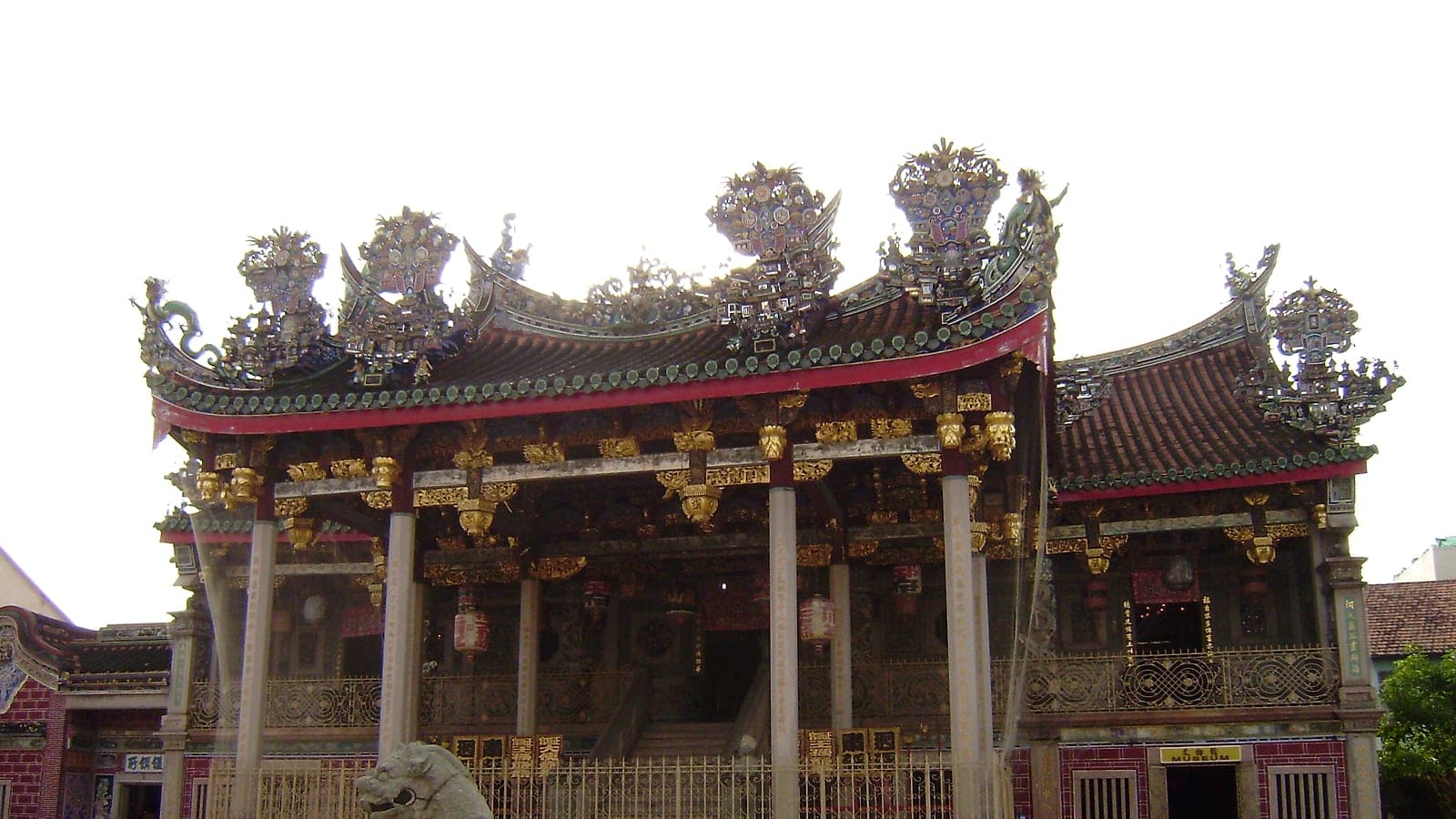
Penang and Chiang Mai sit near the top of every "best places to base yourself in Southeast Asia" list. Both reward slow travel. Both have extraordinary food. Both are beloved by digital nomads. The comparison is fair — but these are not two versions of the same destination. Penang is a sea-level port city shaped by 400 years of Chinese, Malay, and Indian layering; Chiang Mai is a highland royal capital ringed by mountain temples and teak forests. Same type of traveller, fundamentally different environments.
This guide is honest about where each city wins and where it doesn't.
Most useful if you are choosing between a Malaysian and a Thai base for 2–8 weeks, building a multi-city itinerary, or deciding where to allocate more time on a longer Southeast Asia trip.
Digital nomads, slow travellers, foodies deciding on a Southeast Asia base
Quick Verdict
Choose Penang if you:
- Rank food as the primary reason you travel — hawker stalls here have been perfecting single dishes for 2–4 generations
- Want a UNESCO heritage city you can navigate on foot, with Chinese, Malay, and Indian cultural layers within 500m of each other
- Need easy coast access — Batu Ferringhi beach is 30 minutes from George Town by bus
Choose Chiang Mai if you:
- Want cooler temperatures and mountain landscapes — November to February brings 18–28°C, meaningfully more comfortable than Penang's year-round 30°C
- Plan a long stay: furnished studios in Nimman start at THB 5,000–8,000/month (RM 650–1,050) versus Penang's RM 1,500–2,500 for comparable serviced apartments
- Want nature depth — Doi Inthanon (2,565m, Thailand's highest peak) and a day trip to Chiang Rai are in the catchment
Do both? Yes. Bangkok is the natural hub. See Doing Both below.
How They Compare
| Category | Winner | Notes |
|---|---|---|
| Food | Penang | Generational hawker depth; multicultural variety within walking distance |
| Accommodation cost (short stay) | Chiang Mai | Budget guesthouses slightly cheaper on THB/RM conversion |
| Accommodation cost (monthly) | Chiang Mai | Nimman studios 30–40% cheaper than George Town equivalent |
| Nature / outdoors | Chiang Mai | Doi Inthanon, elephant sanctuaries, jungle trekking; Penang has Penang Hill and one beach |
| Culture / heritage | Penang | UNESCO World Heritage Site, clan jetties, multicultural daily life — not a performance |
| Digital nomad infrastructure | Tie | CM has deeper coworking community; Penang has better Malaysia access |
| English spoken | Penang | Widely spoken across the island; Chiang Mai's Old City is fine, less reliable elsewhere |
| Weather | Chiang Mai (Nov–Feb) | CM wins in cool season; its smoke season (Mar–May) is a genuine deterrent |
| Getting there | Penang | No direct PEN–CNX flight; must connect via Bangkok |
Food
Penang has the best street food in Malaysia and is consistently named among the best in Southeast Asia. The case is built on specific dishes at specific stalls — hawker families who have been cooking the same dish for decades, some for generations.
Dishes to eat in Penang: Char kway teow at Lorong Selamat (second-generation stall, internationally recognised); assam laksa at Air Itam Market (tamarind-sour fish broth — no equivalent exists elsewhere in quite the same form); Hokkien mee at Kampung Melayu on Jalan Macalister (rich prawn shellfish broth, where locals eat on weekday lunch); nasi kandar at Line Clear on Penang Road (open since 1945). Meals at hawker centres average RM 6–12.
Chiang Mai's food is genuinely distinct from Bangkok — this is northern Thai cuisine, not a generic Thai menu. Khao soi, a coconut-curry noodle soup with both fried and boiled noodles, is the city's signature and worth eating repeatedly. Sai oua (northern Thai pork sausage with kaffir lime), nam prik ong (spiced pork dip with tomatoes), and the mango sticky rice at the carts near Warorot Market are all excellent. The Saturday and Sunday Night Markets on Wualai Road and in the Old City give broad access to market food at THB 40–80 per item (RM 5–10).
The distinction is depth versus variety. Penang's hawker culture has an artisanal intensity around single dishes that Chiang Mai's market scene doesn't match. If eating is the primary reason for the trip, Penang has the clear edge.
Where to Stay
Penang: Budget guesthouses in George Town run RM 80–150/night. Heritage boutique hotels — restored Straits Chinese shophouses with rattan furniture and courtyard gardens — cost RM 180–350. Serviced apartments for monthly stays: RM 1,500–2,500 in the heritage zone, less in Tanjong Tokong and Bayan Lepas.
Chiang Mai: Budget guesthouses in Nimmanhaemin or the Old City run THB 350–600/night (RM 45–80). Mid-range boutique hotels THB 800–1,500 (RM 105–200). Monthly studios in Nimman start at THB 5,000–8,000 (RM 650–1,050). For nomads staying 3+ months, Chiang Mai's long-stay costs are noticeably lower.
Short trips: broadly comparable at similar quality levels. Extended stays: Chiang Mai is the more cost-effective base.
Nature and Outdoors
This is Chiang Mai's clearest win.
Within a 2-hour drive of the city: Doi Inthanon National Park (2,565m, Thailand's highest peak, with waterfalls, birding, and two royal chedis); a day trip to Chiang Rai (White Temple, Blue Temple, and the Golden Triangle); jungle trekking through hill-tribe villages in Mae Wang and Samoeng; elephant sanctuary visits (responsible operators include Elephant Nature Park at THB 2,500–3,500/day).
Penang's nature options are limited to one good beach and one hill. Batu Ferringhi — Penang's main beach on the north coast — is accessible by RapidPenang bus (Route 101 from Komtar, RM 2.70) in 30 minutes. It is pleasant: wide, clean, with a night market and restaurants along the strip. Penang Hill (830m) has a funicular (RM 30 for foreigners), viewpoints, and a cool-air respite. The Penang National Park at Teluk Bahang has a canopy walkway and a small beach.
If mountain landscapes, jungle, or wildlife experiences are important to the trip, Chiang Mai wins.
Culture and Heritage
This is Penang's decisive win.
George Town is a UNESCO World Heritage Site — inscribed in 2008, covering 1.67 km² of intact pre-war shophouses and clan temples. The city is 400 years old. Within the heritage core, a Tamil Hindu temple, a Hokkien clan house, a Sunni mosque, and a colonial-era church sit within blocks of each other and have for centuries.
Key sites: Khoo Kongsi (the most elaborate clan house in Malaysia, built 1906; RM 10 admission); Penang Peranakan Mansion (four centuries of Straits Chinese material culture; RM 25); the Clan Jetties (six wooden water villages on stilts at the south edge of George Town, free); Ernest Zacharevic's murals on Armenian Street — "Boy on Bike," "Brother and Sister on a Swing" (free). All reachable on foot.
Chiang Mai has over 300 Buddhist temples — Doi Suthep (15km from the Old City, THB 50 entrance) is the landmark; Wat Phra Singh and Wat Chedi Luang in the Old City are genuine achievements. Chiang Mai's cultural identity is Buddhist and coherent; Penang's is multicultural and layered in a way that takes longer to read and rewards that time.
Digital Nomad Life
Both cities work well as nomad bases. The differences are community depth and cost.
Chiang Mai built its reputation earlier. Punspace (Nimman and Wiang Kaew locations) is the anchor co-working space — reliable fibre, day passes (THB 220) and monthly passes, an established community. CAMP inside Maya Mall has operated for over a decade as a coffee-shop-style working space. MANA on Nimman Soi 17 is the newer premium option. Chiang Mai has regular nomad meetups, Slack communities, and a self-organising scene that Penang hasn't matched at scale.
Penang's co-working scene is growing. Common Ground in Georgetown is the main option; Colony has a presence in Penang Hill; several smaller spaces operate near Straits Quay. Fibre internet is reliable island-wide. The practical advantage: KL is 45 minutes by AirAsia (or 3.5 hours by ETS train from Butterworth), making Penang a strong base for anyone covering Malaysia.
One practical edge that matters for longer stays and retirement bases is healthcare. Penang is one of Southeast Asia's established medical-travel hubs — internationally accredited private hospitals, English-speaking specialists, and costs well below Western prices — which is a genuine factor if you are choosing a base for several months or weighing a longer-term move. See our Penang hospitals and medical-travel guide →.
Visas: Malaysia's 90-day tourist visa is easily renewed by crossing to Thailand and returning. Chiang Mai's proximity to land borders (Chiang Rai to Myanmar) makes Thai visa runs similarly straightforward.
Getting There
There is no direct flight between Penang (PEN) and Chiang Mai (CNX). The only practical route is via Bangkok.
Penang → Bangkok: AirAsia and Thai Lion Air fly PEN to Bangkok Don Mueang (DMK) multiple times daily. Flight time 1.5 hours. Fares RM 120–200 one way booked ahead.
Bangkok → Chiang Mai: AirAsia, Thai Lion Air, and Nok Air fly DMK to Chiang Mai (CNX) frequently. Flight time 1 hour. Fares THB 400–900 (RM 50–120) one way.
Total journey: approximately 3.5–5 hours including the Bangkok connection. Plan for a same-day connection if possible — DMK to DMK (both legs through Don Mueang) keeps it simple. Overnight stays in Bangkok are easy to arrange if you want to break the trip.
Doing Both
Two weeks is enough to do both cities comfortably — 6–7 days each. The contrast works well: Penang's heat, multicultural urban density, and hawker-focused days give way to Chiang Mai's cooler air, temples, and mountain options. Start in Penang (fly in direct from wherever you're coming from), eat your way through George Town, then fly to Bangkok and connect to Chiang Mai. Or reverse it — the food is a strong way to close a trip.
Final Word
Choose Penang for food, heritage, and a walkable multicultural city. The hawker culture is the real thing — not restaurants inspired by it. George Town rewards slow exploration. Halal food is omnipresent and excellent. The sea is 30 minutes away.
Choose Chiang Mai for cooler weather, mountains, and a longer stay. The digital nomad infrastructure is more developed. Nature options are significantly better. Monthly costs are lower. Come between November and February; avoid March–May if smoke is a concern.
Both cities together make a 2-week itinerary that works well — Bangkok connects them in under 3 hours total.
Decided on Penang? Build your personalised itinerary →
Keep reading
Guides that pair well with this one.
Penang vs Bangkok: Which City Should You Visit in 2026?
Both are world-class food cities — but completely different experiences. We compare cost, vibe, culture, nightlife, and who belongs where.
8 min readplanningPenang vs Langkawi: Which Is Right for Your Malaysia Trip?
Honest comparison of Penang and Langkawi across food, beaches, cost, nightlife, and accessibility. Includes a who-should-choose-what framework.
10 min readplanningPenang vs Phuket: Which Should You Visit in 2026?
Phuket wins on beaches. Penang wins on food, heritage, and value. Here's an honest breakdown for every type of traveller.
7 min readplanningBest Places to Visit in Malaysia (2026): An Honest Guide by Traveller Type
Malaysia has jungle, beaches, colonial cities, and the world's best street food. Here's where to go based on what you actually want from a trip.
8 min read