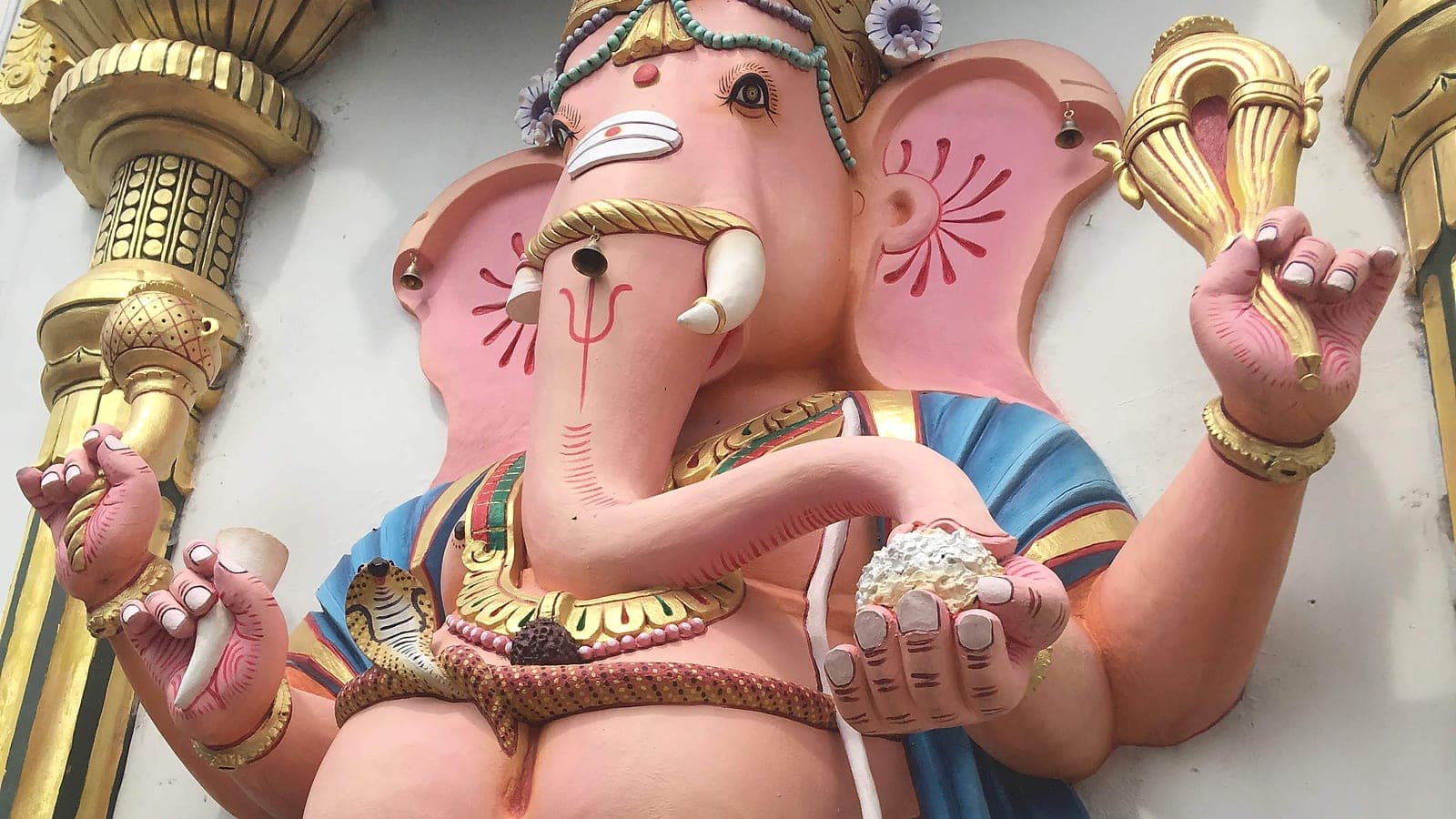
Hindu Temples in Penang
Experience colorful Hindu spirituality, from Sri Mariamman's 200-year legacy to Thaipusam's dramatic devotion at Waterfall Temple
Hindu Heritage in Penang
Penang is home to one of Malaysia's largest and most vibrant Hindu communities, with temples dating back over 200 years. The Hindu presence here is particularly strong among Indian-Malaysians (mostly South Indian) and includes not only religious practice but also thriving cultural traditions, festivals, and culinary heritage.
Hindu temples in Penang are architectural gems, many featuring intricate South Indian gopurams (temple towers), colorful murals, and ornate carvings. More importantly, they are vibrant, living centers of worship where you can experience authentic Hindu spirituality - from daily prayers to annual festivals like Thaipusam and Deepavali.
Little India (centered on Jalan Masjid Kapitan Keling) is the cultural heart, where Hindu and Indian traditions come alive through shops, restaurants, festivals, and community gatherings. It's one of Southeast Asia's most authentic Indian districts outside of India itself.
Key Facts
Oldest Temple
Sri Mariamman (1817)
Most Important Site
Waterfall Temple (Thaipusam)
Cultural Hub
Little India (Jalan Kapitan)
Major Festival
Thaipusam (Feb/lunar)
Major Hindu Temples
Complete details for each temple with practical visitor information
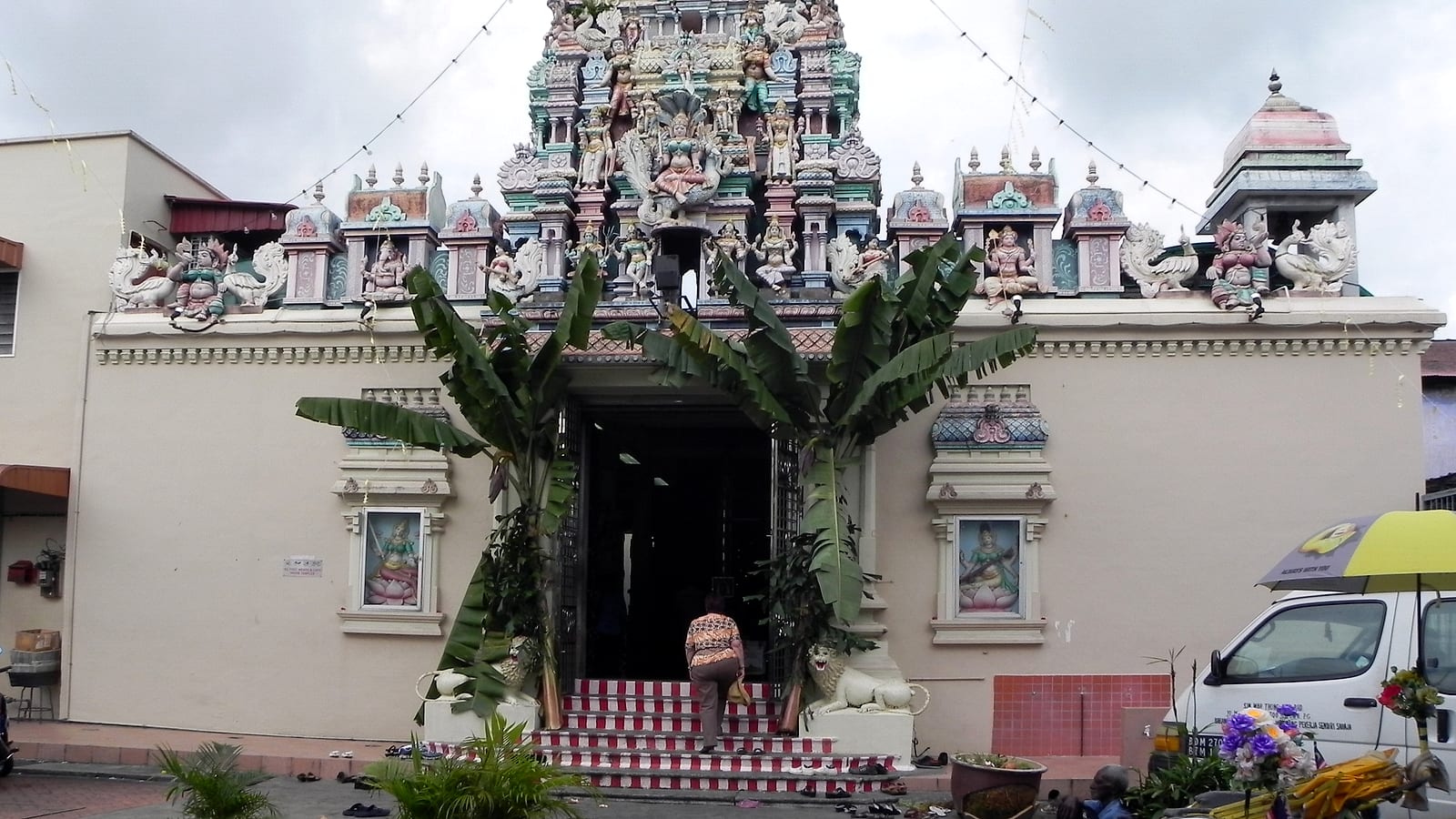
Sri Mariamman Temple
Penang's Oldest Hindu Temple (1817)
The oldest and most historically significant Hindu temple in Penang. Dedicated to Sri Mariamman, the goddess of healing, this 200-year-old temple features beautiful traditional architecture and remains a vibrant place of worship.
Location
Queen Street, George Town
Hours
6:00 AM - 9:00 PM daily
Admission
Free (donations appreciated)
Dress Code
Modest clothing, remove shoes before entering
How to Get There
Queen Street, George Town. Walking distance from most attractions. Central location.
Visit Tips
- •Visit early morning (6-8am) for peaceful atmosphere
- •Evening prayer times (6-7pm) most vibrant
- •During Deepavali, temple is beautifully decorated
- •Open during major Hindu festivals
- •English-speaking staff often available
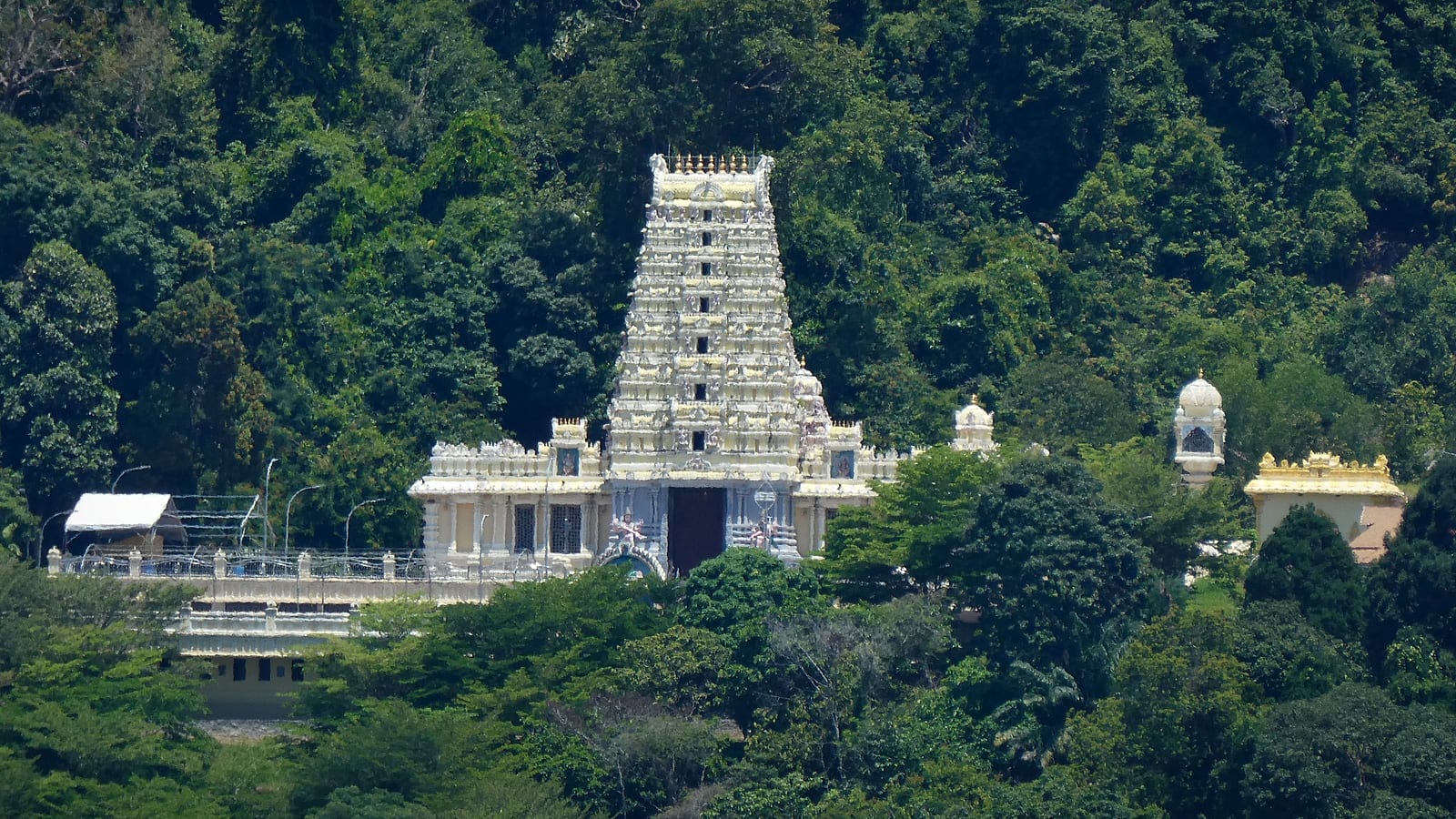
Arulmigu Balathandayuthapani Temple (Waterfall Temple)
Thaipusam Hub & Hilltop Sanctuary
One of Southeast Asia's most important Hindu pilgrimage sites, especially during Thaipusam. This hilltop temple offers stunning views and is known for the dramatic kavadi-carrying procession where devotees demonstrate acts of devotion and spiritual power.
Location
Waterfall Road, George Town
Hours
6:00 AM - 9:00 PM daily
Admission
Free (donations appreciated)
Dress Code
Modest clothing, shoes optional on outer grounds
How to Get There
Waterfall Road, Penang. Short taxi/Grab ride from Georgetown, or scenic walk from lower hill area.
Visit Tips
- •During Thaipusam (Feb), arrive very early for procession (starts predawn)
- •Non-Thaipusam visits: peaceful, especially weekday mornings
- •Spectacular views from temple terrace
- •Walk down to Waterfall for scenic nature experience
- •Pilgrims welcome to observe ceremonies respectfully
Hindu temple
Macalister Road, George Town
Sri Sai Baba Temple
Modern Hindu Spiritual Center
A newer temple dedicated to the beloved spiritual figure Sai Baba. The modern architecture combines traditional Hindu elements with contemporary design, attracting both devotees and visitors interested in spiritual practices.
Location
Macalister Road, George Town
Hours
6:00 AM - 9:00 PM daily
Admission
Free
Dress Code
Modest clothing
How to Get There
Macalister Road, George Town. Central location, accessible by walk or short taxi.
Visit Tips
- •Less touristy than Sri Mariamman
- •Good for spiritual seekers wanting quiet meditation
- •Staff are welcoming and educational
- •Modern facilities and clean grounds
- •Various spiritual programs throughout week
Little India - Cultural Heart
Experience authentic Indian culture, food, shopping, and community life
Jalan Masjid Kapitan Keling
The heart of Little India, packed with colorful shops, spice markets, traditional Indian restaurants, jewelry stores, and clothing boutiques. Most vibrant during festival season.
Market Street (Lebuh Pasar)
Traditional wet market with fresh produce, spices, flowers for offerings, and local goods. Early morning (6-9am) is busiest and most authentic.
Lebuh Chulia
Colonial-era street with colonial shophouses, cafes, and restaurants. Mix of heritage charm and modern dining with significant Indian community presence.
Indian Restaurants & Kopitiams
Authentic South Indian, North Indian, and Malaysian-Indian cuisine. Banana leaf rice restaurants serve traditional meals on banana leaves.
Major Hindu Festivals
Experience Penang's most vibrant Hindu celebrations
Thaipusam
2026: February 11 (lunar calendar)
The most dramatic Hindu festival. Devotees carry ornate kavadi (burden frames) from the lower road to the Waterfall Temple in a night-long procession. Piercings with metal spikes demonstrate spiritual power and devotion. The festival celebrates the victory of good over evil and Lord Murugan's power.
Highlights
- •All-night procession (starts 10pm previous day)
- •Thousands of devotees participate
- •Kavadi-carrying demonstrations
- •Fire-walking ceremonies
- •Elaborate costumes and decorations
Visitor Tips
- •Arrive by midnight to see procession start
- •Queue early for road-side spots
- •Photography from designated areas only
- •Respectful attitude essential
- •Expect crowds and traffic
Deepavali
2026: October 20 (lunar calendar)
The Festival of Lights transforms Little India into a dazzling display. Oil lamps illuminate homes and streets, colorful rangoli (floor art) decorates entrances, and families gather for celebrations. Symbolizes the victory of light over darkness.
Highlights
- •Oil lamp displays (diyas)
- •Rangoli art on streets
- •Little India street decorations
- •Temple ceremonies
- •Open houses and festive foods
Visitor Tips
- •Visit in evening when lights are on
- •Little India most festive 1 week before
- •Wear bright colors as festive tradition
- •Try traditional sweets (laddu, payasam)
- •Expect crowded shopping areas
Navratri
2026: September 28 - October 7
Nine-day festival celebrating the divine feminine. Temples host nightly performances, and homes set up altars with dolls in traditional arrangements called "golu".
Highlights
- •Nightly prayer ceremonies
- •Traditional music performances
- •Golu (doll display) tradition
- •Festive atmosphere
- •Special temple functions
Visitor Tips
- •Ask temples about Navratri programs
- •Evening ceremonies most accessible
- •Dress modestly for temple visits
- •Festive foods available at Indian shops
Practical Information
Photography
Generally allowed in outer areas. Ask permission before photographing inside prayer halls or during ceremonies. Never photograph without consent.
Donations
Temples appreciate voluntary donations (RM2-5). Also buy flowers for offerings (RM5-10). Donations support temple operations and community services.
Best Times
Early morning (6-8am) for peaceful atmosphere. Evening (5-7pm) for prayer ceremonies. Festival times for vibrant celebrations.
Frequently Asked Questions
What is Thaipusam and why do devotees pierce their bodies?
Thaipusam celebrates Lord Murugan's victory over evil. Kavadi-carrying devotees (usually in trance) pierce their bodies with metal spikes as acts of devotion and penance. It's believed the spiritual state allows them to do this painlessly. For Hindus, it demonstrates spiritual power and faith. Visitors should watch respectfully without judgment.
Can I attend the Thaipusam procession as a non-Hindu visitor?
Yes, absolutely! The procession is open to public viewing. Hundreds of non-Hindus attend. Arrive by midnight to see the procession start, find a good viewing spot on the road, and watch the all-night journey to Waterfall Temple. Be respectful of the sacred nature of the ceremony.
What should I eat in Little India?
Must-try foods: banana leaf rice (meals on banana leaves), dosa (thin pancakes), roti canai (flatbread), samosa (filled pastries), idli (steamed cakes), and Indian sweets (laddu, barfi). Visit during meal times (11am-2pm, 6-9pm) for best experience.
What are "open houses" during Hindu festivals?
During Deepavali and other festivals, Hindu families open their homes to visitors of all faiths. They serve sweets, snacks, and drinks, and welcome guests to experience the celebration. This is a true Malaysian tradition of hospitality and cultural sharing.
Is there a dress code for temples?
Yes - wear modest clothing covering shoulders and knees. Remove shoes before entering prayer halls (usually indicated by signs). Avoid religious symbols from other faiths. Bright colors are actually welcome and festive at Hindu temples.
Can I participate in prayers or ceremonies?
You can observe respectfully. Some temples welcome visitors to participate in prayers if you express genuine interest. Ask the priest or staff. Never touch religious items or offerings without permission.
Explore Other Religious Sites in Penang
Discover Buddhist temples, Islamic mosques, Christian churches, and Chinese shrines across the island.