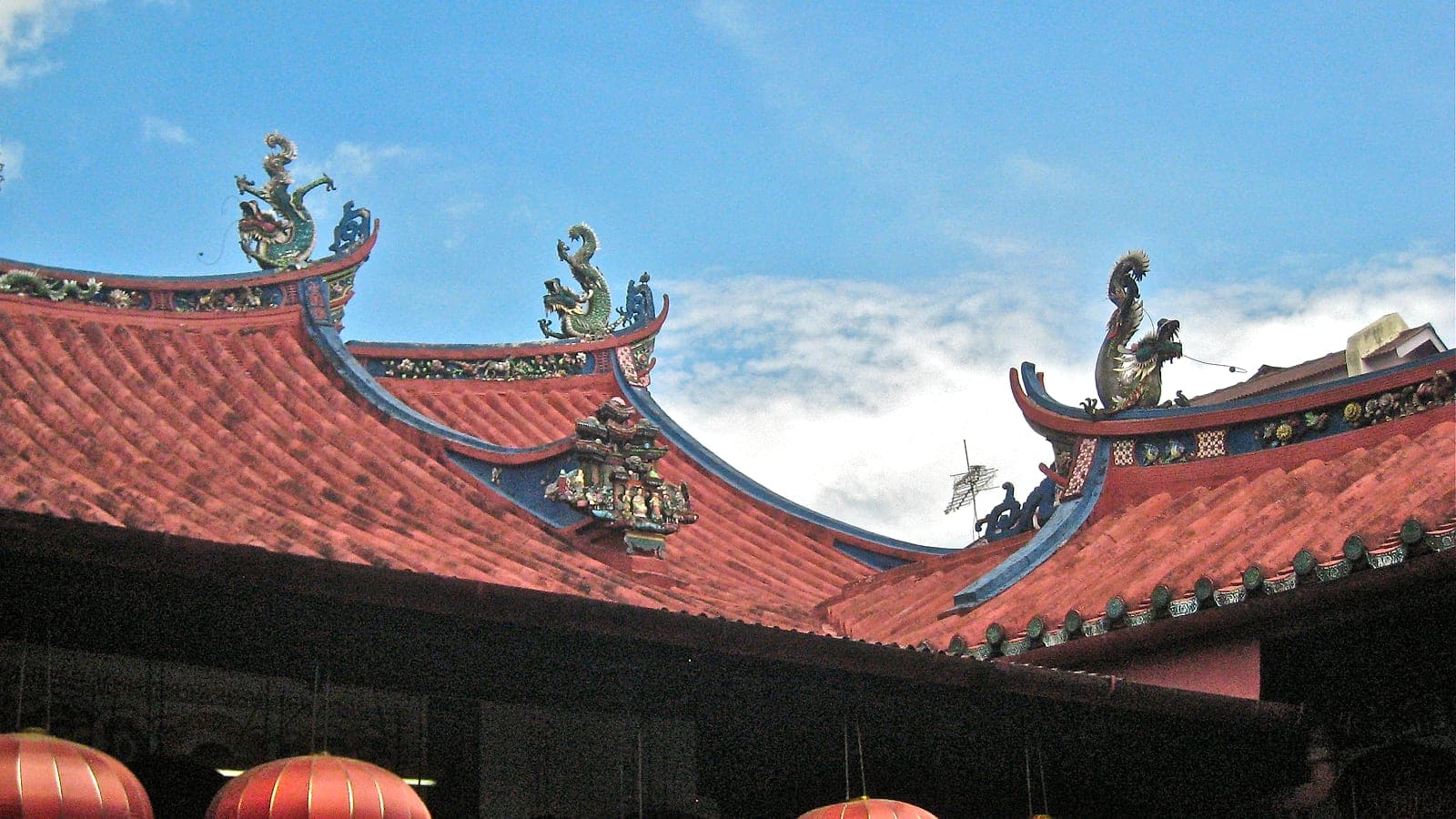
Chinese Temples in Penang
Explore unique temples from the world-famous Snake Temple to the serene Goddess of Mercy Temple, plus spectacular Nine Emperor Gods Festival
Chinese Temples & Taoist Traditions
Penang's Chinese temples represent over 200 years of Buddhist-Taoist spiritual traditions brought by Chinese migrants. These aren't just tourist attractions; they're vibrant spiritual centers where daily worship, ceremonies, and festivals keep ancient traditions alive. The hilltop Kek Lok Si Temple, the largest Buddhist temple in Southeast Asia, draws the most visitors of them all.
Chinese temples in Penang blend Buddhist and Taoist elements, featuring multiple deity altars, intricate carvings, and ornate architecture. They serve both as places of personal spiritual seeking and community gathering spaces. The famous Snake Temple is unique worldwide, while temples like Kuan Yin Teng and Hock Teik Cheng Sin represent traditional architectural and spiritual heritage.
Festival times - especially Chinese New Year and the Nine Emperor Gods Festival - transform temples into vibrant centers of celebration. These festivals combine spiritual observance with festive atmosphere, amazing food, and community celebration.
Key Facts
Most Unique
Snake Temple (world's only)
Oldest Temple
Kuan Yin Teng (circa 1800)
Major Festival
Nine Emperor Gods (Oct)
Traditions
Buddhist-Taoist blend
Historic Chinese Temples
Complete details for each temple with practical visitor information
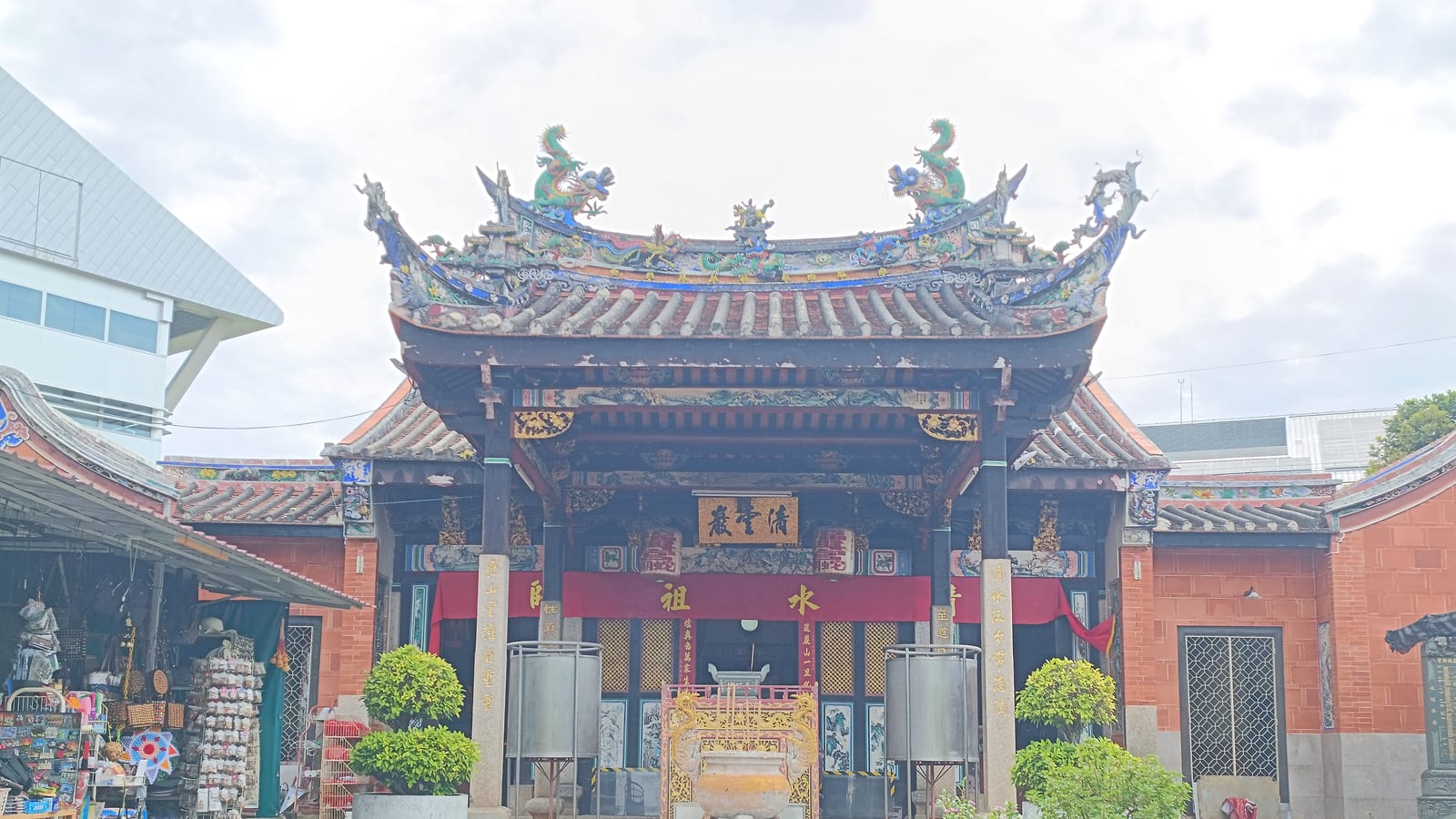
Snake Temple (Thean Hou Temple)
World's Unique Snake Temple
One of the world's most unusual temples, famous for its resident pit vipers. This 200-year-old temple dedicated to Chor Soo Kung (a Buddhist deity) and other deities somehow attracts venomous snakes that coexist peacefully with worshippers. The snakes are believed to be attracted by incense smoke and temple energy.
Location
Air Itam, Penang
Hours
7:00 AM - 5:00 PM daily
Admission
RM3 (foreigners), free for Malaysians
Dress Code
Modest clothing
How to Get There
Air Itam, near Kek Lok Si Temple. Bus 101/102 from Georgetown or Grab taxi.
Visit Tips
- •Don't touch or provoke snakes
- •Snakes are not aggressive despite venom
- •Photography allowed but be careful with flash
- •Visit morning for most active snakes
- •Stay on designated paths
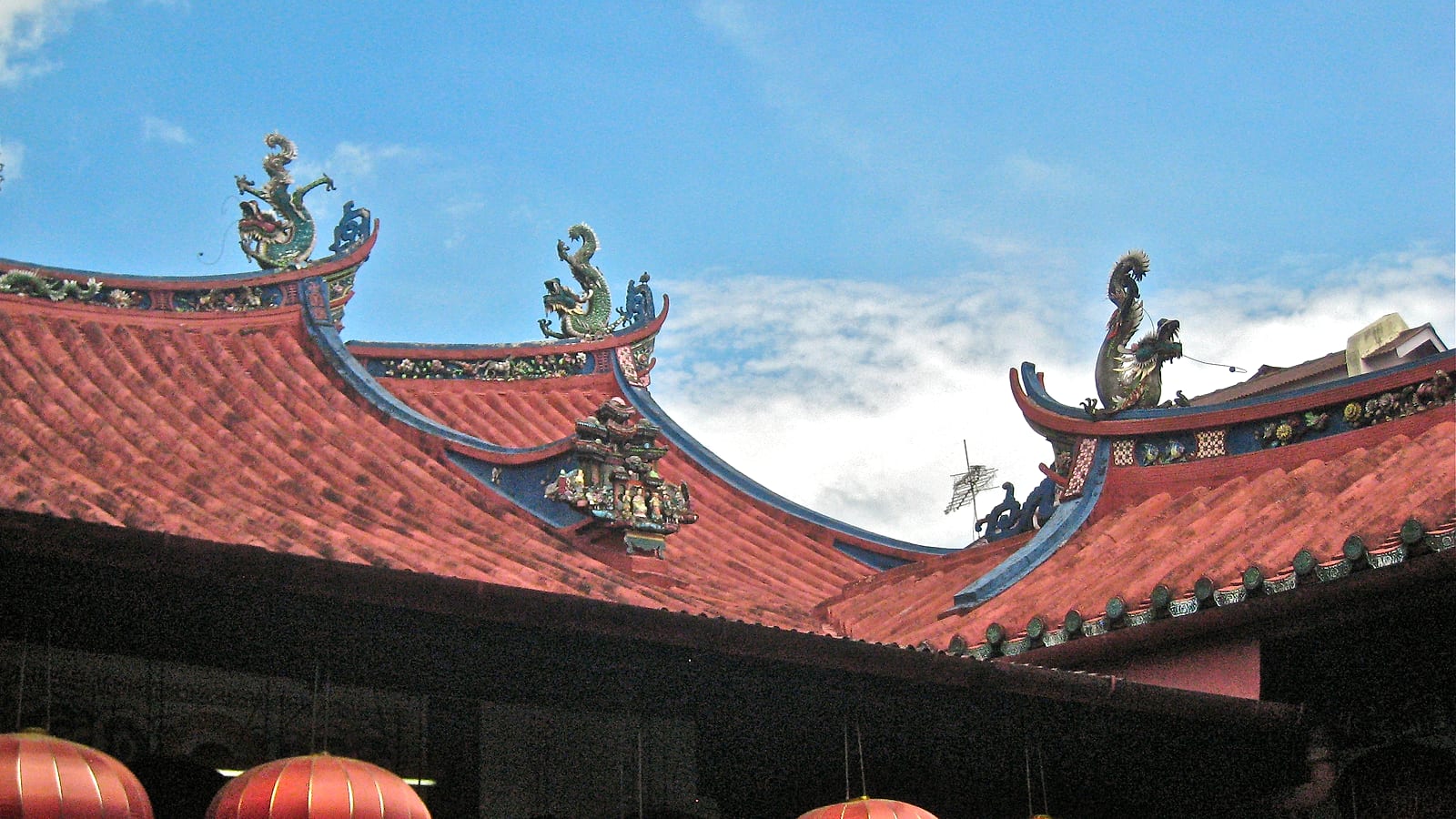
Kuan Yin Teng (Goddess of Mercy Temple)
Oldest Chinese Temple in Penang
One of Penang's oldest Chinese temples, believed to have been built around 1800 (with some sources citing earlier dates). Dedicated to Kuan Yin, the Goddess of Mercy, this temple is a spiritual sanctuary for devotees seeking compassion and healing. The temple features traditional Chinese architecture with intricate carvings and ornaments.
Location
Jalan Lebuh Cinta, George Town
Hours
7:00 AM - 6:00 PM daily
Admission
Free (donations appreciated)
Dress Code
Modest clothing
How to Get There
Jalan Lebuh Cinta, George Town. Walking distance from heritage center.
Visit Tips
- •Quietest in early morning
- •Incense smoke is thick - good for photography atmosphere
- •Many devotees seek blessing for health/family
- •Photography generally allowed
- •Ask monks about Kuan Yin significance
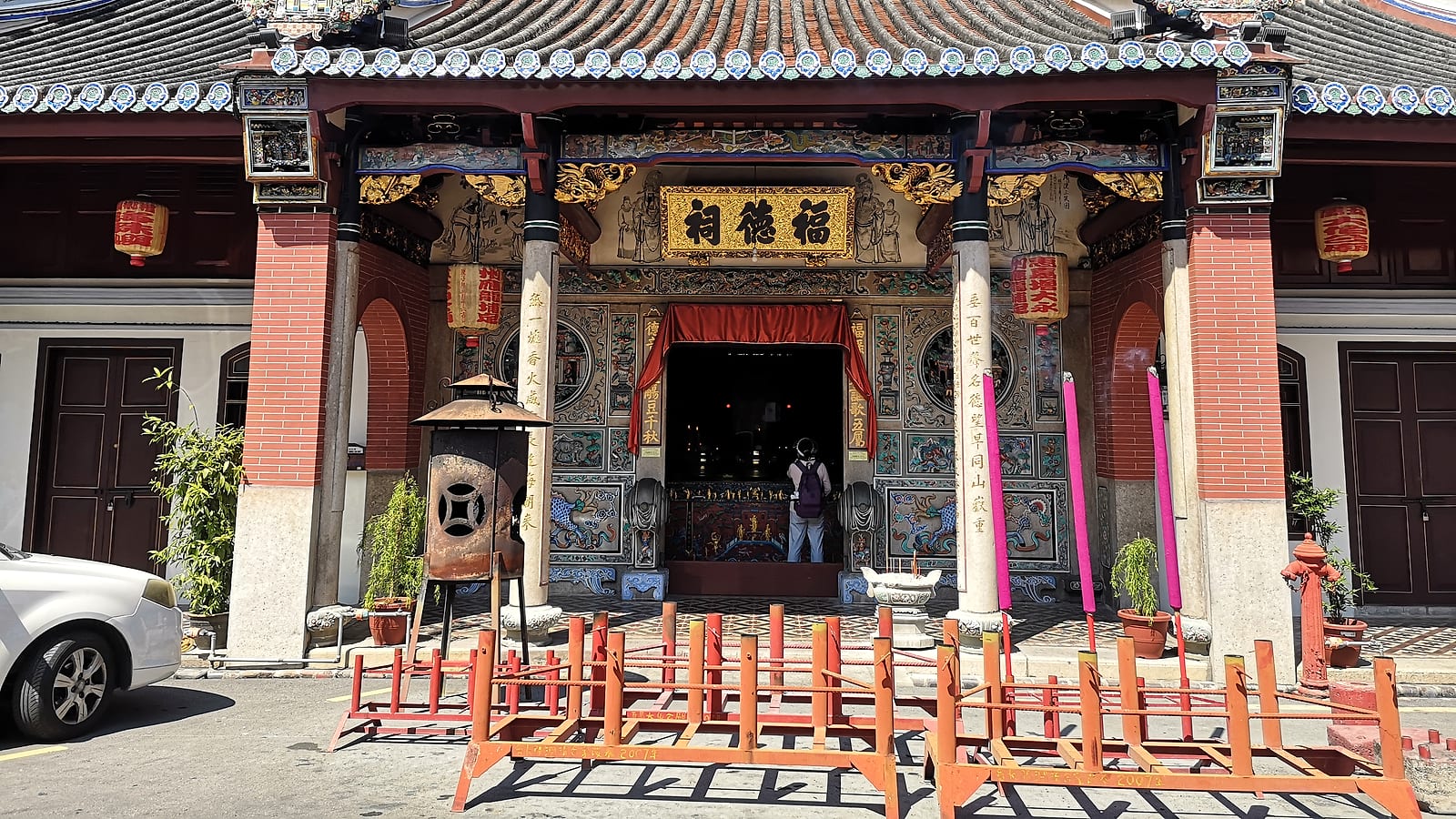
Tua Pek Kong Temple
Prosperity & Wealth Deity Temple
Dedicated to Tua Pek Kong (God of Prosperity), these temples are popular with business owners, merchants, and those seeking good fortune in finances. The temples feature colorful decorations and are particularly vibrant during festivals.
Location
Various locations in Penang
Hours
7:00 AM - 6:00 PM daily
Admission
Free
Dress Code
Modest clothing
How to Get There
Multiple locations throughout Penang
Visit Tips
- •Especially busy during Chinese New Year
- •Donations at entrance for prosperity blessings
- •Photography allowed in public areas
- •Peak times: early morning and evenings
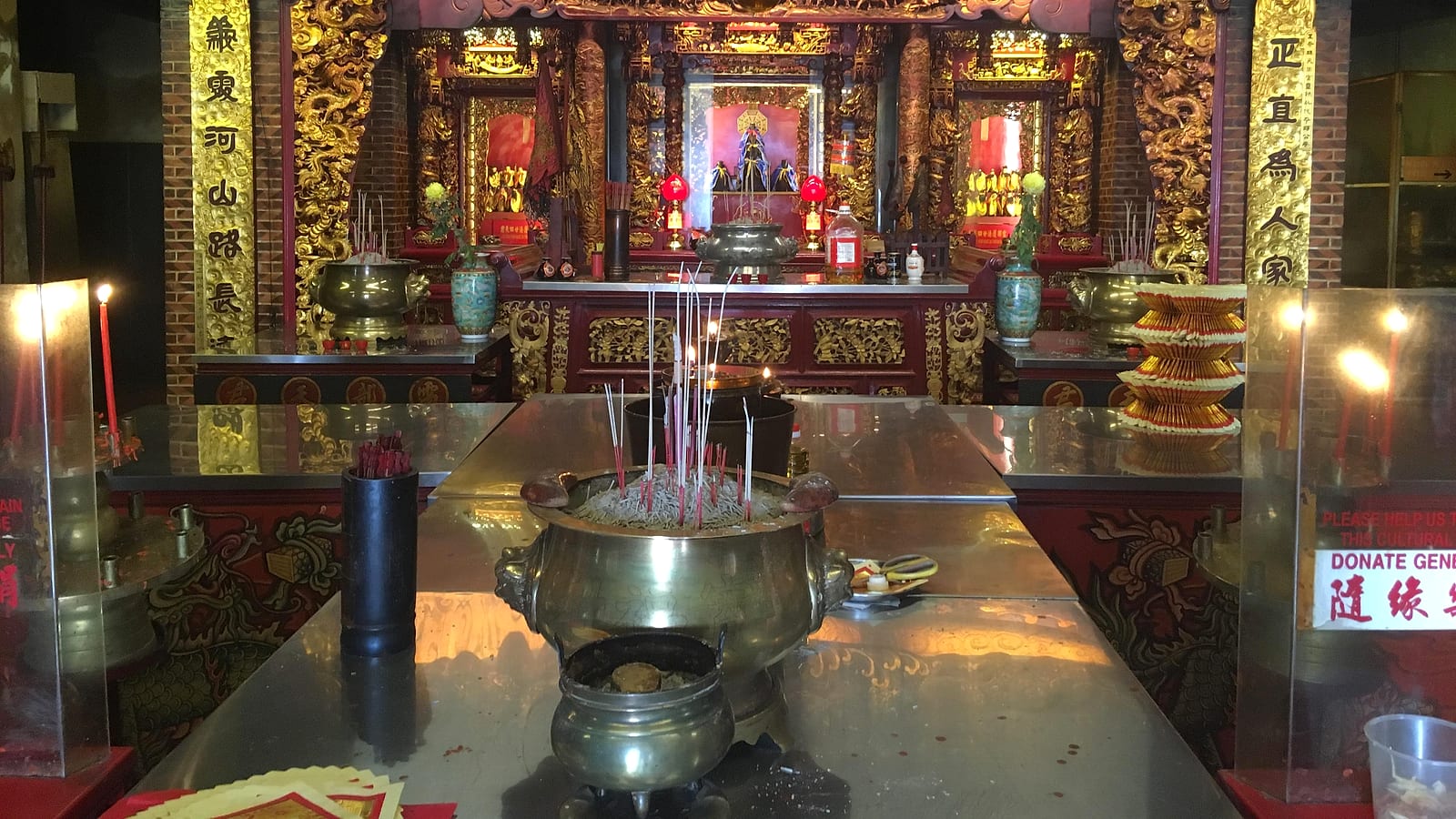
Hock Teik Cheng Sin Temple
Traditional Taoist Complex
A traditional Taoist temple complex featuring multiple deities and intricate architectural details. The temple represents Taoist spiritual traditions with emphasis on harmony, balance, and celestial harmony.
Location
Lebuh Cinta, George Town
Hours
7:00 AM - 6:00 PM daily
Admission
Free
Dress Code
Modest clothing
How to Get There
Lebuh Cinta, George Town. Walking distance from city center.
Visit Tips
- •Beautiful architectural details
- •Photography allowed
- •Staff helpful about temple significance
- •Multiple smaller shrines to explore
Chinese Festivals & Celebrations
Experience spectacular temple celebrations throughout the year
Nine Emperor Gods Festival (Phor Thor Jiu Kong)
2026: October 3-12 (lunar calendar)
One of the most colorful Chinese festivals. Nine days of vegetarian celebrations, temple ceremonies, and culminates in a spectacular procession to the sea where devotees bid farewell to the Nine Emperor Gods. The festival combines spirituality with festive atmosphere.
Highlights
- •Nine days of celebrations
- •Vegetarian food stalls (amazing street food)
- •Temple processions
- •Spiritual purification ceremonies
- •Sea procession finale
- •Firewalking by devotees
Visitor Tips
- •Vegetarian stalls essential part of celebration
- •Early morning processions most spectacular
- •Dress in yellow/red for festive spirit
- •Crowds are significant but friendly
- •Photography-friendly
Chinese New Year
2026: January 29 - February 12
The most important Chinese festival. Temples are decorated, families make offerings, lion dances perform, and communities celebrate new beginnings. Many temples hold special prayers and festivities.
Highlights
- •Temple decorations
- •Family prayers and offerings
- •Lion dances
- •Dragon parades
- •Fireworks
- •Red lantern displays
Visitor Tips
- •Visit temples early for peaceful worship
- •Evening celebrations more vibrant
- •Wear red for luck (Chinese tradition)
- •Festive food available
Mid-Autumn Festival
2026: October 3 (lunar 8/15)
Celebrates the harvest moon with lanterns, mooncakes, and family gatherings. Temples host celebrations, and the festival has both spiritual and family celebration aspects.
Highlights
- •Lantern displays
- •Mooncake eating
- •Moon viewing
- •Family gatherings
- •Temple celebrations
Visitor Tips
- •Peak time in evenings for lantern viewing
- •Parks fill with families and celebrations
- •Mooncakes available at temples and shops
Taoist & Buddhist Traditions
Understanding the spiritual traditions in Chinese temples
Taoist Beliefs
Taoism emphasizes harmony with nature, balance of yin-yang, and spiritual connection with celestial forces. Chinese temples in Penang blend Buddhist and Taoist elements.
Ancestor Veneration
Honoring deceased family members through offerings and prayers. Altars in temples serve this purpose, and families maintain home altars for ancestors.
Deity Worship
Diverse deities represent different aspects of life (prosperity, mercy, health, etc.). Devotees pray to specific deities for their needs and blessings.
Feng Shui & Harmony
Belief in spatial harmony and energy flow. Temples are built to maximize positive energy (chi) and create spiritual balance.
Practical Information
Incense & Offerings
Temples have incense and offering materials available. It's customary to make small donations (RM1-5) or buy incense sticks (RM2-5) to offer. This goes toward temple maintenance.
Photography
Photography generally allowed in public temple areas. Ask before photographing altars or during ceremonies. Avoid photographing without permission inside prayer halls.
Best Times to Visit
Early mornings (7-9am) offer peaceful atmosphere with active devotion. Festival times are vibrant but crowded. Weekdays are less busy than weekends.
Frequently Asked Questions
Is the Snake Temple dangerous? Will snakes attack visitors?
No, the snakes are not aggressive. Temple staff monitor them, and visitors stay on designated paths. The snakes coexist peacefully with people. They're believed to be attracted by incense smoke and temple energy. In 20+ years of tourism, there have been no incidents.
Can I touch the snakes at the Snake Temple?
No, you should not touch the snakes. Admire them from a distance. Temple staff will ask you not to touch. The snakes are venomous but not aggressive if left alone.
What is the Nine Emperor Gods Festival and when is it?
It's a nine-day festival (Oct 3-12 in 2026) celebrating celestial deities. Highlights include vegetarian food stalls, temple processions, firewalking, and a spectacular sea procession finale. The festival is spiritual yet festive and very welcoming to visitors.
What food should I try at temple festivals?
During Nine Emperor Gods Festival: vegetarian stalls with amazing dishes (not just vegetables but noodles, tofu dishes, spring rolls). At other festivals: mooncakes, sweet pastries, festive dishes. Temple food is usually very affordable (RM3-8 per dish).
What should I do when entering a Chinese temple?
Remove shoes if indicated by signs. Bow respectfully to altars. Make offerings of incense if you wish (staff will help). Avoid touching religious items. Speak quietly. Be respectful of ceremonies in progress.
What is Kuan Yin and why are so many temples dedicated to her?
Kuan Yin is the Goddess of Mercy in Buddhism and Chinese tradition. She represents compassion, healing, and protection. She's beloved by millions across Asia. Temples dedicated to her are places where people seek mercy, healing, and comfort.
Explore Other Religious Sites in Penang
Discover Buddhist temples, Hindu temples, Islamic mosques, and Christian churches across the island.