On this page
Penang vs Phuket: Which Should You Visit in 2026?
Phuket wins on beaches. Penang wins on food, heritage, and value. Here's an honest breakdown for every type of traveller.
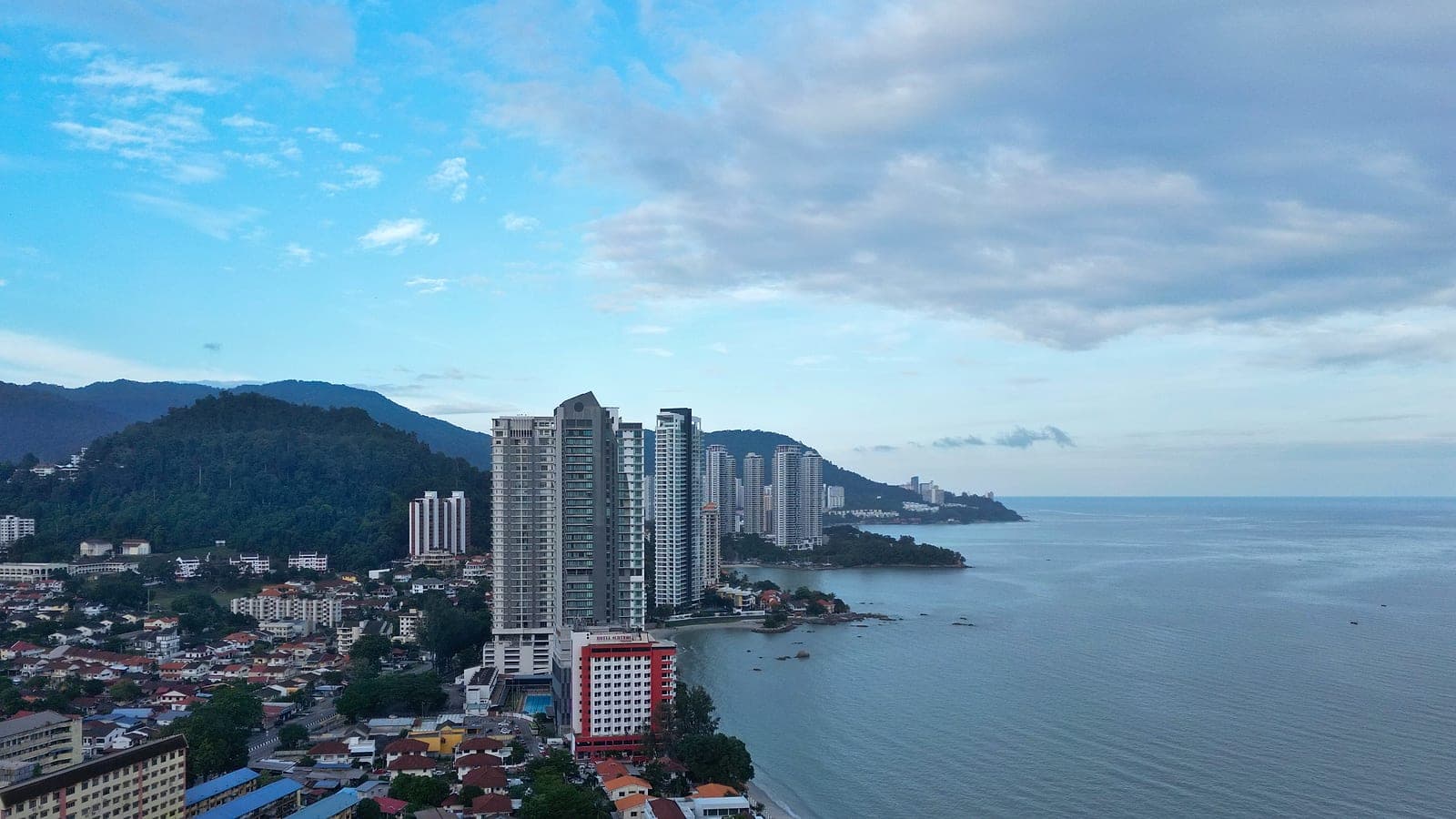
Penang and Phuket are both fixtures on the Southeast Asia circuit, and they often come up in the same conversation — two popular island destinations accessible from the same regional flights, competing for the same two weeks of holiday time. They are not really the same type of destination. Phuket is a beach resort island with some cultural texture. Penang is a food and heritage city with a beach on the side. The choice comes down to what you are actually there for.
This is an honest comparison. Phuket has better beaches — that is not close. Penang has better food — that is not close either.
This guide covers food, beaches, accommodation cost, culture, nightlife, and how to get between the two. If you have already decided on Penang, build your trip itinerary →.
Travellers deciding between Penang and Phuket; anyone planning a 10-14 day Southeast Asia trip wondering whether to include both; visitors with limited time choosing one destination
Quick Verdict
Choose Penang if you:
- Rank food as the primary reason to visit somewhere — Penang's hawker scene is world-class, Phuket's tourist-strip seafood is serviceable at best
- Want to walk a UNESCO World Heritage city with 150-year-old shophouses, clan temples, and genuine multicultural life
- Are travelling on a mid-range budget — a good hotel in George Town costs RM 150–250 per night; the Phuket equivalent on a decent beach runs RM 300–600
Choose Phuket if you:
- Want proper white-sand beaches with clear water — Patong, Kata, Karon, and Kamala all deliver this; Penang does not
- Plan to do island hopping — Phi Phi, James Bond Island (Khao Phing Kan), and the Similan Islands are all accessible from Phuket
- Want beach-holiday infrastructure: sun loungers, water sports, beach clubs, and a lively nightlife strip (Bangla Road, Patong)
Comparison at a Glance
| Category | Penang | Phuket | Winner |
|---|---|---|---|
| Food | World-class hawker scene | Tourist-skewing restaurants | Penang |
| Beaches | Batu Ferringhi — decent, not exceptional | Patong, Kata, Karon — genuinely good | Phuket |
| Mid-range hotel (per night) | RM 150–250 | RM 300–600 | Penang |
| Heritage / culture | George Town UNESCO, multicultural depth | Phuket Old Town — smaller, more renovated | Penang |
| Nightlife | Low-key bars, late hawker stalls | Bangla Road, beach clubs | Phuket |
| Island hopping | Limited day trips | Phi Phi, James Bond Island, Similan | Phuket |
| English spoken | High in tourist areas | High in tourist areas | Even |
| Overall vibe | Living heritage city | Beach resort island | Different |
Food
Penang wins this, and it is not particularly close.
George Town's hawker food is routinely ranked among the best in Asia. The dishes — char kway teow (flat rice noodles wok-fried with cockles and Chinese sausage at extreme heat), assam laksa (a sharply sour tamarind-fish broth noodle soup unlike anything else in Malaysia), nasi kandar (rice with multiple curries ladled fresh from large pots), and Hokkien mee (prawn noodles in a rich shellfish broth) — are the product of over a century of refinement by vendors who have cooked the same dish for decades. Gurney Drive Hawker Centre and New Lane Hawker Centre are open from early evening until after midnight; a full meal costs RM 10–18.
Phuket's food scene is functional. The island has fresh seafood, and a meal for two at a local restaurant in Kata Beach or Phuket Town runs THB 300–600 (roughly RM 40–80). The problem is that most of the dining on the heavily touristed beaches has optimised for international tourist expectations rather than local quality. Phuket Town has more authentic eating, but food is not the reason to fly there.
If you are a food traveller, Penang is the correct answer.
Beaches
Phuket wins this, and it is not particularly close.
Penang's main beach at Batu Ferringhi is wide, clean, and accessible by RapidPenang bus from Georgetown (RM 2.70). The water is warm, the beachside strip has restaurants and a night market. For a beach near a major heritage city, it is perfectly acceptable. It is not exceptional. The water is not especially clear, and there are no beach clubs, organised snorkelling, or quality water sports operators.
Phuket's beaches are in a different category. Kata Beach (south of Patong) has white sand, good surf conditions during the dry season (November–April), and a low-rise restaurant strip. Karon is longer, less busy, and pleasant for walking. Patong is the main tourist beach — most infrastructure, most crowds, best for nightlife access. Kamala and Surin on the northwest coast are calmer and increasingly upscale, with good beach clubs (Catch Beach Club, HQ Beach Lounge). Bang Tao has long, largely uncrowded stretches backed by luxury resorts.
If beaches are your primary reason for visiting, Phuket is correct and Penang is not the right destination.
Where to Stay
George Town's accommodation centres on heritage boutique hotels converted from Straits Chinese shophouses — Campbell House, Muntri Mews, and Cheong Fatt Tze Blue Mansion are the benchmarks, at RM 200–450 per night. Mid-range hotels with good locations run RM 120–250. Budget guesthouses along Lebuh Chulia start from RM 60–100. The Batu Ferringhi beach strip has beach hotels including a Hard Rock Hotel for those who want direct sand access. See the full Penang hotels guide for recommendations by neighbourhood and budget.
Phuket's accommodation ranges from budget guesthouses in Phuket Town and Patong (THB 600–1,200 / roughly RM 80–160) to large resort hotels on Kata, Karon, and Bang Tao (THB 2,500–8,000 / roughly RM 320–1,020). A mid-range hotel on a good Phuket beach typically runs THB 1,800–3,500 (RM 230–450 per night).
Penang is the cheaper destination for comparable-quality accommodation, particularly at the mid-range tier.
Culture and Heritage
Penang's George Town is a UNESCO World Heritage Site with 1.67 km² of intact Straits Chinese and colonial architecture. The Khoo Kongsi clan temple (1906), Penang Peranakan Mansion (1897), four functioning places of worship within 200 metres of each other on Harmony Street, and Ernest Zacharevic's street art murals make up a heritage zone that is genuinely extraordinary — and still a living city, not a museum with an entrance fee.
You can also take the Penang Hill funicular to the 830-metre summit for panoramic views across the island and the Strait of Malacca — a 30-minute ascent that gives a different perspective on the city below.
Phuket Old Town has similar Sino-Portuguese shophouse architecture and is pleasant to walk. It is smaller than George Town and has been more heavily renovated into tourist-shopping mode. The Vegetarian Festival (Tesagan Gin Je, October) is one of the most intense cultural events in Southeast Asia — genuinely worth building a trip around if the timing works. Outside of that window, the cultural layer is thinner.
For heritage depth, Penang wins by a clear margin.
Nightlife
Phuket has the stronger nightlife offering. Bangla Road in Patong is the centre — a pedestrianised strip with bars, clubs, live music, and Muay Thai shows running from around 9pm until 3–4am. Beach clubs on Surin and Bang Tao are calmer and more upscale (THB 200–500 cover, usually waived with a drink minimum).
Penang's nightlife is low-key: a cluster of craft beer bars and late bars on Love Lane and Lebuh Chulia in George Town; some beach bars at Batu Ferringhi. Gurney Drive Hawker Centre running until midnight is the best "night out" option the city offers — which is a different kind of good. Nobody visits Penang for the nightlife.
Getting Between Penang and Phuket
There is no convenient direct connection. As of early 2026, AirAsia has operated the Penang (PEN) to Phuket (HKT) route on a limited schedule — check current availability, as this route runs seasonally and is not daily.
The most reliable routing is Penang → Kuala Lumpur → Phuket via AirAsia or Thai AirAsia X (total door-to-door approximately 4–5 hours including the KL connection). The backpacker-trail option — bus from Penang to Hat Yai (3.5 hours), then minibus from Hat Yai to Phuket (approximately 5 hours) — is practical but long. For Thailand travel information see Tourism Thailand.
The Do Both Option
Penang and Phuket work well as a two-destination Southeast Asia trip for anyone with 10–14 days. The most natural sequence: start in Penang (3–4 days for food and George Town), then fly to Phuket via KL (4–5 days for beaches and island hopping), flying out from Phuket's international airport (HKT). AirAsia X, Scoot, and Thai Airways connect HKT to most major hubs. If you are arriving from Bangkok, reverse it — Bangkok to Phuket is a 1.5-hour AirAsia flight, and Penang makes a strong final destination before heading home.
Decided on Penang?
Plan your Penang trip → — the trip planner builds a day-by-day itinerary based on how long you have and what you want to do.
Looking for a hotel? Browse Penang hotels →
Keep reading
Guides that pair well with this one.
Penang vs Bangkok: Which City Should You Visit in 2026?
Both are world-class food cities — but completely different experiences. We compare cost, vibe, culture, nightlife, and who belongs where.
8 min readplanningPenang vs Chiang Mai: Which Should You Visit in 2026?
Deciding between Penang and Chiang Mai? We compare food, cost, culture, digital nomad life, and which type of traveller belongs where.
8 min readplanningPenang vs Langkawi: Which Is Right for Your Malaysia Trip?
Honest comparison of Penang and Langkawi across food, beaches, cost, nightlife, and accessibility. Includes a who-should-choose-what framework.
10 min readplanningPenang vs Phuket for Culture and Heritage
Phuket has beaches; Penang has George Town. But the cultural comparison runs deeper than that. Here's how the two destinations compare for travellers who care about more than sand.
6 min read