On this page
Penang Shopping Guide: Markets, Malls & What to Actually Buy (2026)
Where to shop in Penang — Chowrasta Market for spices and dried goods, Gurney Plaza for malls, Penang Premium Outlets for brands, and the lanes of George Town for batik and antiques.
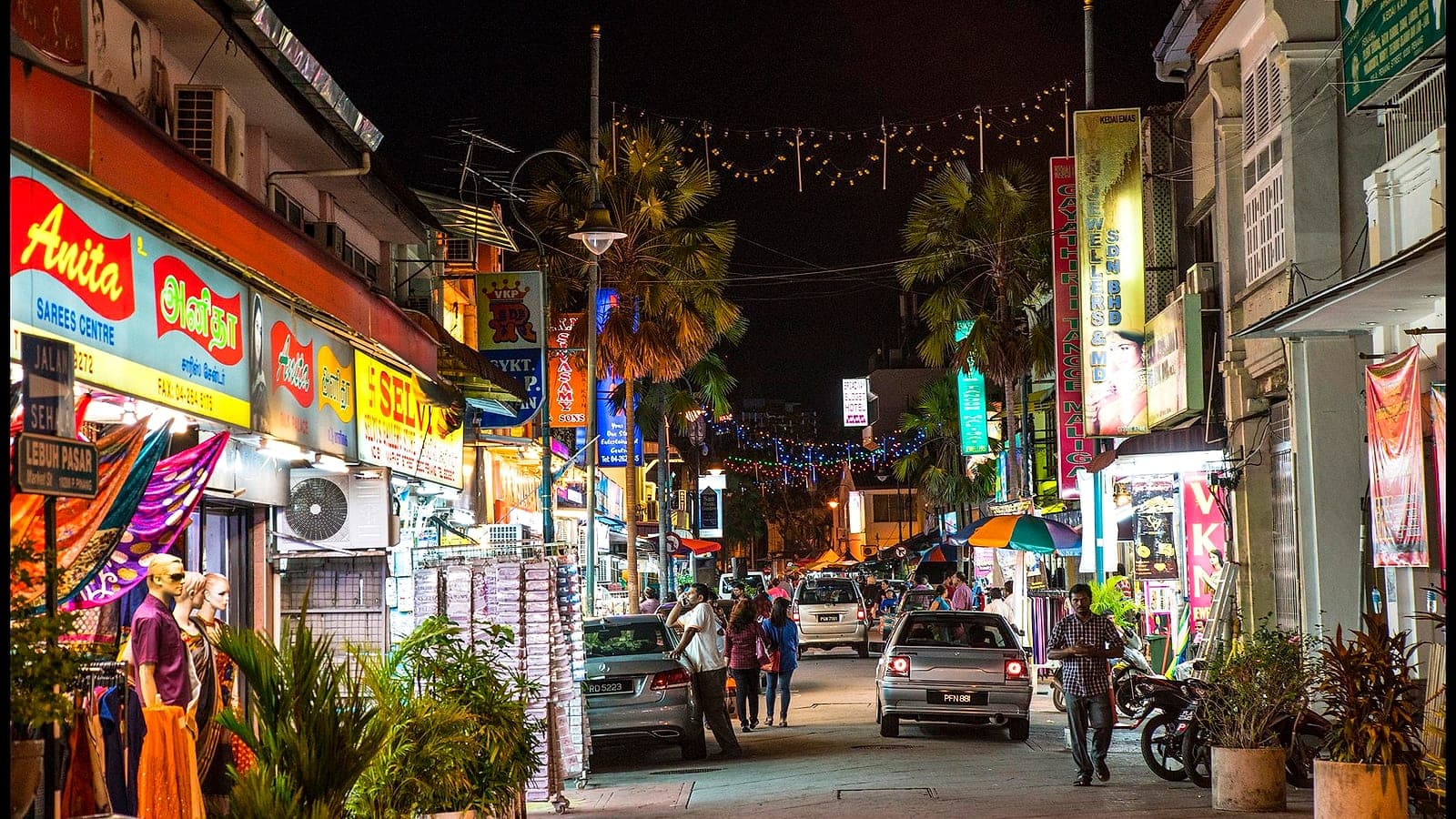
Shopping in Penang breaks into two completely different modes. The first is the local market and heritage shophouse experience — Chowrasta Market for spices and dried goods, the lanes of George Town for batik and Peranakan ceramics, the Sunday antique dealers on Armenian Street. The second is the standard Malaysian mall experience — Gurney Plaza, Queensbay Mall, Penang Premium Outlets for international brands at Malaysian prices.
Neither mode is better. They serve different purposes. This guide works through both.
This guide covers markets, heritage zone shopping, malls, and a practical section on what's genuinely worth buying and bringing home from Penang. It doesn't pad with generic travel-shopping advice.
Visitors who want to understand what to actually buy in Penang — specifically what's unique to Penang and not available at KL airport — and travellers who need practical information about where malls are and what they stock
Chowrasta Market
Chowrasta Market (Pasar Chowrasta) on Jalan Penang is the closest thing Penang has to a proper wet and dry market that tourists actually visit. The lower floor is primarily fresh produce and meat — interesting to walk through, less useful for purchases. The upper floors and the external stalls surrounding the building are where the shopping is.
What to buy here:
Dried goods and spices — Penang has been a spice trading port since 1786, and the dried goods section of Chowrasta reflects this history. You'll find dried prawns in multiple grades, belacan (shrimp paste — the kind that needs to be double-wrapped before it goes in luggage), dried chillies, tamarind, nutmeg products, and a range of spices at prices well below what you'd pay at a supermarket or airport. The stall owners will vacuum-pack purchases if you ask.
Nutmeg products — Penang nutmeg is a genuine product of the island, grown on small farms in Balik Pulau. Nutmeg jam, pickled nutmeg, dried nutmeg mace, and nutmeg oil are all available at Chowrasta and in surrounding stalls on Jalan Penang. The jam is the easiest to transport and is the most commonly bought product.
Penang laksa paste and spice mixes — Pre-made laksa spice pastes, curry mixes, and char kway teow spice packets are available from several vendors. These are aimed at visitors who want to replicate the dishes at home. Quality varies — buy from vendors who are making their own product rather than repackaging commercial items.
Opening hours — Roughly 7am–6pm daily; the market is busiest in the morning. Closed on specific public holidays.
George Town Heritage Zone
The lanes and streets of the Heritage Zone have a concentration of small independent shops that you won't find in the malls. Much of what's sold is aimed at tourists, but there's a difference between well-made tourist goods and poor-quality souvenirs, and George Town has more of the former.
Batik and textiles — Malaysian batik (fabric with wax-resist dyeing, either hand-drawn or block-printed) is available throughout the Heritage Zone. The quality range is significant. For hand-drawn batik (batik tulis), expect to pay RM 80–300+ for a decent piece. Block-printed batik is cheaper (RM 30–80) and still makes a useful souvenir. Avoid the mass-produced synthetic versions that are indistinguishable from any airport gift shop.
Peranakan ceramics — The Straits Chinese (Peranakan or Nyonya) ceramic tradition produced distinctive thick-rimmed plates, bowls, and vases in pink, turquoise, and green, decorated with phoenixes and flowers. Original antique pieces are expensive and increasingly rare. Good quality reproductions — some made locally, some imported from China — are available in the shops along Lebuh Armenian, Lebuh Chulia, and around Cannon Square. RM 30–150 for a piece depending on size and quality.
Antiques and curios — Several shops around Armenian Street and the Clan Jetties area deal in genuine Peranakan antiques, colonial-era furniture, and Chinese trade goods. Most pieces are expensive and require proper export documentation. For smaller, exportable antiques (old tin miners' lamps, trade coins, colonial-era ceramics), expect to spend RM 100–500+ for anything genuinely old. The Sunday morning flea market on Jalan Armenia has a mix of genuine finds and tourist-grade items.
Penang-specific art and prints — Several independent print shops and galleries in the Heritage Zone produce locally designed prints, illustrations, and maps of Penang. These make good lightweight souvenirs — quality varies but the better ones (usually sold at RM 50–150) are genuinely well-designed.
Malls
Gurney Plaza
The main shopping mall on Gurney Drive, adjacent to Gurney Paragon. Six floors of retail, anchored by Parkson department store and including a mix of local and international fashion brands, electronics, and a supermarket. The food court on the lower ground floor is one of the better mall food options in Penang, with nasi kandar, Chinese food, and a range of local dishes.
Gurney Plaza is useful for: electronics (Penang prices on electronics are often better than KL due to historical free-port legacy, though this differential has narrowed), fashion at Malaysian prices, and anything you've forgotten to pack.
Queensbay Mall
On the south side of the island near the second bridge, Queensbay is a large mall with most international fast-fashion chains, a Parkson anchor, cinema, and hypermarket. More useful if you're staying in the south of the island. 30 minutes by Grab from George Town.
Penang Premium Outlets (PPO)
In Batu Kawan on the mainland, accessible via the second Penang bridge (toll RM 7 each way by car). This is a genuine outlet mall — the actual outlet-style format with permanent markdowns on brand-name stock. Brands include Coach, Michael Kors, Adidas, Nike, Levi's, and others. If you're coming specifically to shop brands at outlet prices, PPO is worth the trip. Budget 3–4 hours.
Getting there without a car — The Penang SkyBridge Shuttle operates between Penang Sentral (ferry terminal area) and PPO. Check the current schedule and price; it's the easiest option if you don't have a car.
What's Actually Worth Buying
A practical list of things that are genuinely good value or genuinely unique to Penang:
Spices and dried goods from Chowrasta — Belacan, dried prawns, tamarind, and local spice pastes are the best-value shopping in Penang. Prices are a fraction of what you'd pay at a specialty grocer elsewhere. Pack the belacan very carefully.
Penang nutmeg products — Jam, pickled flesh, dried mace — distinctive to Penang and not widely available elsewhere.
Peranakan ceramics (reproductions) — Good-quality pieces are available, look good on a shelf, and carry genuine historical design DNA.
Penang white coffee — Old Town White Coffee is the commercial brand but the original product — Ipoh-style white coffee, available in powder sachet form from convenience stores and supermarkets — is a practical buy. RM 15–25 for a box of 15 sachets.
Batik fabric — Buy a metre or two of decent hand-drawn batik and find a tailor; there are tailors throughout the Heritage Zone who can turn it into a shirt or dress while you wait, usually RM 40–80 for the sewing. The combination of batik + bespoke tailoring is something you genuinely can't replicate at home.
What to skip — Miniature Penang Hill funiculars, mass-produced Penang Hill mugs, generic "I Love Penang" items. These are sold everywhere and made nowhere near Penang.
Practical Notes
Haggling — At Chowrasta and in the Heritage Zone's souvenir-oriented shops, light negotiation (asking for a discount on purchases over RM 100) is accepted. In mall shops, prices are fixed. Don't haggle aggressively — Penang vendors are polite but prices in the market are already reasonable.
Cash vs card — Chowrasta and smaller Heritage Zone shops are often cash-only or DuitNow QR. Malls accept all cards. Carry RM 200–300 in cash for market shopping.
Timing — The Sunday morning session (7am–11am) on Armenian Street and the surrounding lanes brings out antique vendors and second-hand stalls that don't appear on other days.
Keep reading
Guides that pair well with this one.
George Town Walking Guide: Routes, Neighbourhoods & Tips for First-Timers (2026)
How to walk George Town for your whole stay — five named loops covering heritage, street art, food, clan houses, and the colonial waterfront, plus heat and shade-hopping tips.
10 min readpracticalPenang for Japanese Tourists: The Complete Guide (2026)
Direct flights from Osaka and Tokyo, Japanese-friendly food, and a city built on multicultural craft make Penang one of Southeast Asia's best destinations for Japanese travellers.
12 min readpracticalPenang Solo Travel Guide: Safety, Costs & What to Do Alone (2026)
Penang is one of Southeast Asia's most solo-travel-friendly cities — walkable, English-speaking, with a hostel scene in George Town and hawker food that's designed for eating alone.
11 min readneighborhoodsArmenian Street George Town — Complete Guide
Lebuh Armenian is the most-photographed street in Penang. Here's what's actually on it, what's nearby, and how to see it without just following the mural trail.
7 min read