On this page
Is Penang Safe? An Honest Guide to Crime, Scams & Road Risks (2026)
Penang is one of Malaysia's safest cities for tourists. Here's what the risks actually are — petty theft, scams, road traffic — and how to handle them.
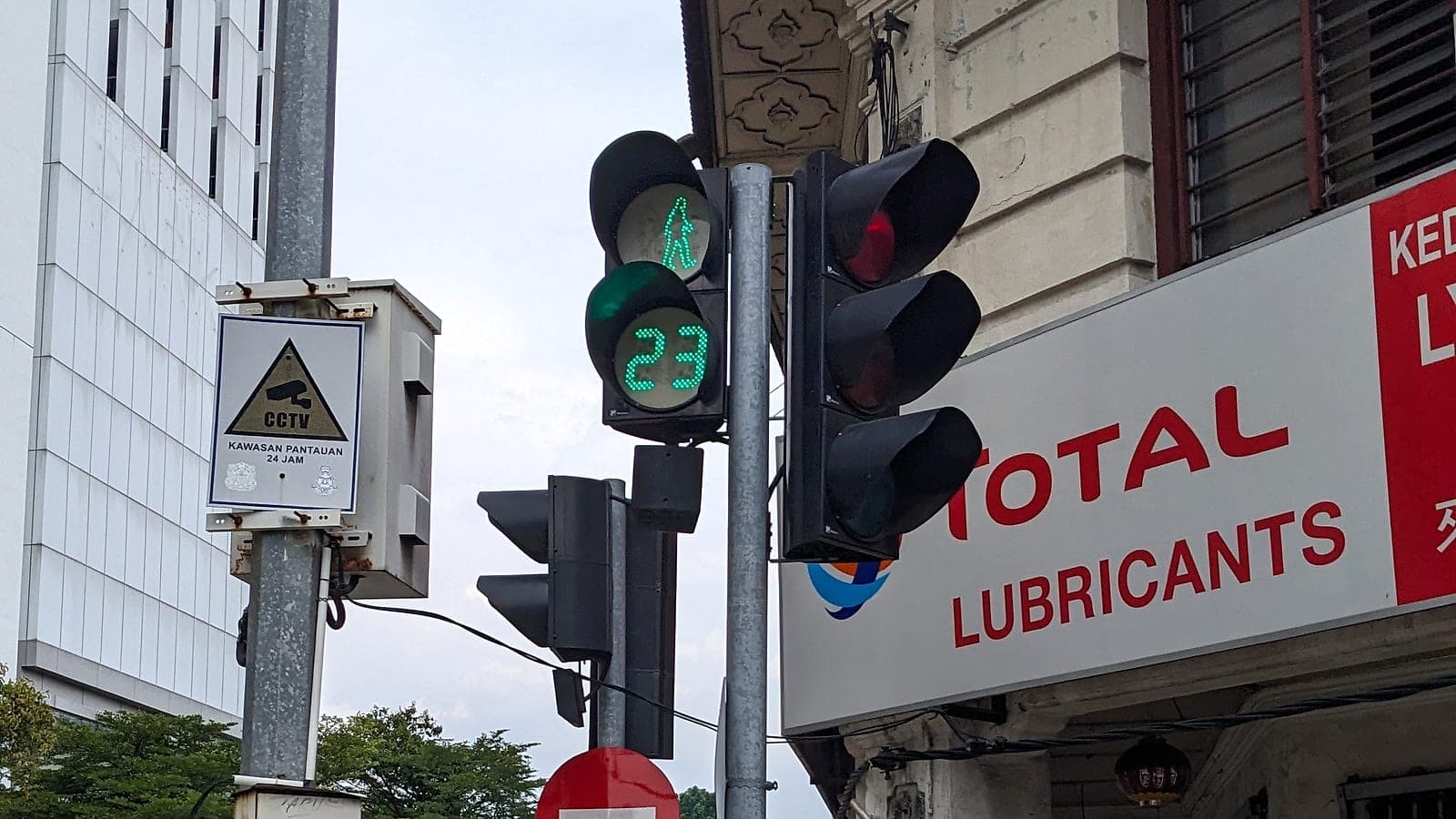
Penang is consistently one of the safer destinations in Southeast Asia for tourists, and that reputation holds up under scrutiny. Violent crime against visitors is rare. The heritage zone in George Town is walkable at night. The city has good private hospitals and a well-established tourist infrastructure. The risks that do exist are specific and avoidable once you know what they are: bag snatching from motorcycles, a small number of active scams in tourist areas, and — the most statistically significant danger — road traffic.
This guide covers what is actually risky, what merely sounds risky, and what to do about both.
Penang's crime rate is low by Malaysian and regional standards. The risks worth knowing about are petty theft in crowded areas, a handful of persistent tourist scams, and road safety — particularly motorcycle traffic. None of these are exceptional for the region, and all of them are manageable with basic awareness.
First-time visitors wondering whether Penang is safe, solo travellers — including solo women — researching before booking, families wanting to understand the practical risk landscape before a trip
The Short Answer: Yes, With Specific Caveats
Malaysia's Tourism Malaysia statistics consistently rank Penang as one of the country's most-visited tourist destinations — it received over 7 million visitors in a typical pre-pandemic year. Violent crime against tourists does not feature as a pattern in either police data or the travel advisories issued by the UK FCDO, Australian DFAT, or US State Department, all of which rate Malaysia at their standard "exercise normal precautions" level.
The Police Contingent Headquarters for Penang (IPD Pulau Pinang) covers a state with a population of around 1.7 million. By any regional comparison — Bangkok, Bali, Ho Chi Minh City — Penang's tourist safety record is strong.
The practical risks are real but narrow:
- Bag snatching from motorbikes — the most common property crime against tourists
- Tourist scams — gem scams, overcharging taxis, fake tour operators
- Road traffic — the highest actual risk for most visitors who rent vehicles
Petty Theft: What Actually Happens
Bag Snatching
This is the most common crime reported by tourists in Penang, and it is specific in its method: a motorcyclist (or pillion rider) grabs a bag as they pass on a narrow street, particularly where pavements are close to the road. The George Town heritage zone's narrow lanes make this possible. It is not common in the sense that it happens daily, but it is common enough that it should inform how you carry your bag.
The practical fix is simple: carry bags on the shoulder that faces away from traffic, not toward it. A crossbody bag worn across the front and chest removes the target. Do not leave phones or wallets on an outdoor restaurant table. In crowded evening areas — Gurney Drive hawker centre, Batu Ferringhi's night market strip — keep bags in front of you.
The risk is highest on quiet side streets. The heritage zone's main streets (Lebuh Chulia, Armenian Street, Love Lane, Jalan Penang) are busy enough that opportunistic snatching is less likely.
Pickpocketing
Less common than bag snatching, but present in the same crowded contexts. The Gurney Drive night market on weekends, the queue for the Penang Hill funicular, and the tighter alleys of the Chowrasta Market are the typical locations. Keep valuables in a front pocket or zipped bag compartment rather than a rear pocket.
The one rule that covers most theft risk
Bags on the side away from the road. Phone off the table at outdoor hawker stalls. Everything else is normal urban awareness.
Common Scams in Penang
The Gem Scam
This is Penang's most persistent tourist scam and has been running in various forms for at least two decades. The pattern: a friendly stranger, often near Georgetown's tourist sites, strikes up a conversation, mentions they're involved in the gem trade, and gradually steers you toward buying gemstones at "wholesale" prices that you can resell at home for a profit. The gems are fake or wildly overvalued. The "profit" does not materialise.
Variants involve a taxi driver or trishaw rider who takes a "detour" to a jeweller friend, or a market stall pushing a time-limited discount on stones.
The tell is any scenario where a stranger is steering you toward a purchase, especially one framed as a financial opportunity. No gem dealer in George Town is going to make you wealthy. If someone you met an hour ago is enthusiastic about your investment returns, leave.
Unlicensed Taxis and Overcharging
Penang has licensed metered taxis and Grab. It also has unlicensed drivers — particularly at the Butterworth ferry terminal, outside popular tourist restaurants, and at arrival points. Unlicensed taxis quote fixed fares that typically run two to four times the metered or Grab rate.
The solution is straightforward: use Grab. The fare is shown before you confirm the trip, the driver's name and plate are verified, and the route is tracked. For airport arrivals, Grab is available from the arrivals hall and costs RM 25–35 to George Town — roughly half what unlicensed drivers will quote you at the exit.
If you use a metered taxi, confirm the meter is running before the car moves.
Fake Tour Operators
A small number of touts near tourist sites offer "private tours" or "special access" packages at prices that seem reasonable. The issues range from the tour simply not being what was described, to no-shows after payment, to tours that consist of being taken to commission-paying shops.
Book tours through your hotel, through the Penang Tourism Board office on Lebuh Light, or through established operators with physical premises and online reviews. A booking that exists only in a WhatsApp conversation with someone you met outside the Clan Jetties is a risk.
Trishaw riders are not scammers by default
Trishaw drivers near tourist sites will approach you with offers — this is their livelihood and it is entirely legitimate. The price will be negotiated; that is normal. The issue is unlicensed taxi drivers posing as transport helpers, not the trishaw trade itself.
Area Safety: George Town and Beyond
George Town Heritage Zone
Safe during the day and into the evening. The UNESCO core — Armenian Street, Lebuh Chulia, Love Lane, the waterfront area around Clan Jetties, Jalan Masjid Kapitan Keling — has consistent foot traffic, well-lit streets, and restaurants open until 10–11pm on most nights. Walking between attractions in the evening is normal and unremarkable.
The narrow lanes toward the western edge of the heritage zone get quieter after dark. Apply standard awareness on unlit side streets, but there is no specific threat pattern in these areas — they are quiet, not dangerous.
Komtar and Penang Road
The Komtar tower area and the immediately surrounding streets have a grittier character than the heritage core. During the day it is a functioning commercial area with nothing unusual about it. At night, particularly the streets directly around the bus terminal, it is less comfortable — not dangerous in terms of crime statistics, but the kind of area where you might prefer to Grab rather than walk back from. The mall inside Komtar (Gurney Paragon and the lower floors of the Komtar tower complex) is fine at any hour.
Gurney Drive
Safe. The Gurney Drive hawker centre is one of Penang's most popular evening destinations and draws large crowds on weekends. The promenade is well-lit. Apply the standard bag-facing-away-from-road rule, as it can get crowded enough to provide cover for pickpocketing on busy nights.
Batu Ferringhi
The beach resort strip is safe. The main beach road is lined with hotels, restaurants, and a nightly market. Beach walks during the day are entirely fine. Late-night beach walks alone — particularly on the beach rather than the road — are not the norm, mainly because the beach itself is unlit away from the hotels. Use Grab to return to your accommodation at night rather than walking the road alone.
Butterworth (Mainland)
The mainland side of Penang, accessible by ferry, is a working port and commercial city. It is functional and not dangerous, but it has less of the tourist infrastructure of Penang Island and a grittier character. Most visitors cross to Butterworth only to catch the train to Kuala Lumpur or the bus north toward Thailand. It is fine to transit through; less appealing to spend an evening in unless you have a specific reason.
Solo Female Safety
Penang has a broadly positive reputation among solo female travellers, and that reputation is accurate in the sense that the underlying risks are low. Verbal harassment of the kind common in some parts of South Asia or North Africa is not a pattern in George Town. The multicultural heritage zone has a live-and-let-live character — women travel alone here without it being unusual or commented on.
The practical advice:
- Transport at night: Grab over flagging down taxis. This applies to everyone but matters more when travelling alone. The tracking and driver verification are the point.
- Bag carrying: Same rules as above — crossbody in front, nothing dangling on the road side.
- Hostel corridor: Love Lane and Lebuh Chulia have been a female solo travel corridor for decades and function well. Several hostels offer female-only dorm rooms — ask specifically when booking.
- Mamak restaurants: Open around the clock, busy, well-lit, and completely acceptable to sit in alone for as long as you need. If you feel uncomfortable anywhere, the nearest mamak is always a reasonable exit point.
For the full female-specific guide with hostel recommendations, see the solo female travel guide.
Food Safety
Street food in Penang is generally safe to eat — the hawker culture is one of the most established in Southeast Asia, and the turnover at popular stalls means food is cooked fresh continuously. The stalls that have 30-person queues at noon are not using yesterday's ingredients.
The practical guidance: prefer stalls with high turnover. At a hawker centre, the stalls with the longer queues are popular for reasons beyond being famous — they are also usually fresher. Avoid any cooked food that has been sitting out in the heat for an extended period at a quiet stall.
Water: Drink bottled or filtered. Tap water in Penang is technically treated but the pipe infrastructure in older parts of George Town means drinking straight from the tap is not universally reliable. Bottled water is cheap and available everywhere; all hotels and guesthouses provide it. Ice in restaurants and hawker stalls comes from commercial ice factories and is generally fine — it is not tap water that has been frozen.
For full food information including what to order and where, see the food guide.
Road Safety: The Real Risk
This is where honest safety guidance for Penang diverges from reassuring tourist-brochure language. Road traffic is the most statistically significant risk for visitors, particularly those who rent motorcycles or scooters.
Malaysia's road fatality rate is higher than most Western countries and higher than regional neighbours like Singapore. Penang's roads are a mix of narrow heritage streets where motorcycles ride close to pedestrians, fast dual-carriageways connecting different parts of the island, and hilly terrain toward Penang Hill that catches inexperienced riders.
If you have not ridden a motorcycle regularly: do not rent one in Penang. The combination of left-hand traffic (if you are from a right-hand-driving country), heavy motorcycle density, unfamiliar roads, and the heat making fatigue happen faster than you expect is a genuine risk. There is no stigma in taking Grab and the cost difference is not large enough to be worth the exposure.
Crossing roads on foot: Penang's traffic does not always yield to pedestrians at crossings, even marked ones. Look both ways before crossing, including on one-way streets (motorcycles routinely go the wrong way). The general rule for crossing any busy road in Malaysia is to make eye contact with drivers before stepping out.
Hired scooters are the main risk category: Not taxis, not the ferry, not the streets at night — rented scooters by tourists unfamiliar with Malaysian roads cause the most serious tourist injuries in Penang.
Scooter rental and your travel insurance
Most travel insurance policies exclude motorcycle accidents if you don't hold a valid motorcycle licence in your home country. Check your policy before renting. This is not a theoretical issue — it affects medical cost coverage if you are in an accident.
Health and Natural Risks
Jellyfish at Beaches
Jellyfish are present at Batu Ferringhi and the northern beaches seasonally, typically during the southwest monsoon months (May–September). Stings are common enough that beach hotels and lifeguards are aware of them; they are rarely serious. If stung, rinse with seawater (not fresh water), remove any visible tentacle fragments without touching directly, and apply vinegar if available. Seek medical attention if symptoms extend beyond localised pain and swelling.
Heat and Humidity
Penang sits at 5 degrees north of the equator. Temperatures run 28–33°C year-round with high humidity. Heat exhaustion is a real risk for visitors who underestimate it — particularly during the first day or two before acclimatising. Drink water continuously rather than waiting until thirsty. Afternoon thunderstorms (common between 3–6pm) bring brief but heavy rain that drops the temperature and provides natural relief; carry a light waterproof layer or umbrella.
The most practical heat advice: schedule heavy outdoor activity in the morning before noon, use the early afternoon for air-conditioned cafés or indoor attractions, and resume outdoors after 4–5pm when the temperature drops slightly.
Hospitals
Penang has excellent private hospitals that serve a significant medical tourism market — this is a genuine advantage over many regional destinations. If you need non-emergency medical care, the main options near George Town are:
- Gleneagles Penang — Jalan Pangkor, major private hospital with international patient services, 24-hour A&E
- Penang Adventist Hospital — Jalan Burma, closest major private hospital to the George Town heritage zone, international patient services
- Island Hospital — Jalan Macalister, another major private option
For anything requiring specialist attention, the standard of care at these hospitals is high. See the medical and hospitals guide for more detail including cost expectations.
Emergency Numbers
| Service | Number |
|---|---|
| Police (emergency) | 999 |
| Ambulance / Fire | 994 |
| Tourist Police (George Town, English-speaking) | 04-261 5522 |
| Gleneagles Penang Hospital (24-hr) | 04-222 9111 |
| Penang Adventist Hospital | 04-222 7200 |
The Tourist Police line at 04-261 5522 is staffed by English-speaking officers and is specifically set up for visitor issues including theft reports, scam complaints, and general assistance. If something goes wrong in the heritage zone, this is the most efficient first call.
What the Safety Picture Adds Up To
Penang is not a place that requires significant safety planning beyond what you would apply to any mid-sized city. The specific precautions are:
- Carry bags away from traffic on heritage streets
- Use Grab rather than unlicensed taxis, especially at night
- Do not rent a scooter without motorcycle experience and a valid licence
- Ignore gem investment opportunities from friendly strangers
- Drink bottled water
- Respect the heat and schedule accordingly
The heritage zone is genuinely walkable at night. The food is safe. The transport infrastructure works. The hospitals are good. The risks are real but narrow, and none of them are exceptional for the region.
For transport options in more detail, the getting around guide covers Grab, buses, and taxis. For safe areas to stay, the hotels guide includes neighbourhood notes for each area. For a full picture of the food scene and hawker culture, start with food in Penang.
Keep reading
Guides that pair well with this one.
Penang Solo Travel Guide: Safety, Costs & What to Do Alone (2026)
Penang is one of Southeast Asia's most solo-travel-friendly cities — walkable, English-speaking, with a hostel scene in George Town and hawker food that's designed for eating alone.
11 min readpracticalGeorge Town Walking Guide: Routes, Neighbourhoods & Tips for First-Timers (2026)
How to walk George Town for your whole stay — five named loops covering heritage, street art, food, clan houses, and the colonial waterfront, plus heat and shade-hopping tips.
10 min readplanningGeorge Town vs Batu Ferringhi: Where to Stay in Penang?
Penang has two very different stay options: George Town's heritage city and Batu Ferringhi's beach strip. Here's which one suits your trip — and why most first-timers get it wrong.
3 min readplanningSolo Female Travel in Penang: Safety, Practicalities & What to Expect
An honest guide for solo female travellers visiting Penang. Safety realities, best areas to stay, how to get around, what to wear, and how to enjoy Penang alone.
6 min read