On this page
Penang in the Rainy Season: What to Expect and When to Go (2026)
Penang has rain year-round, but there's a wet season and a drier season. Here's what the weather actually looks like month by month, what gets affected, and whether the rain should change your plans.
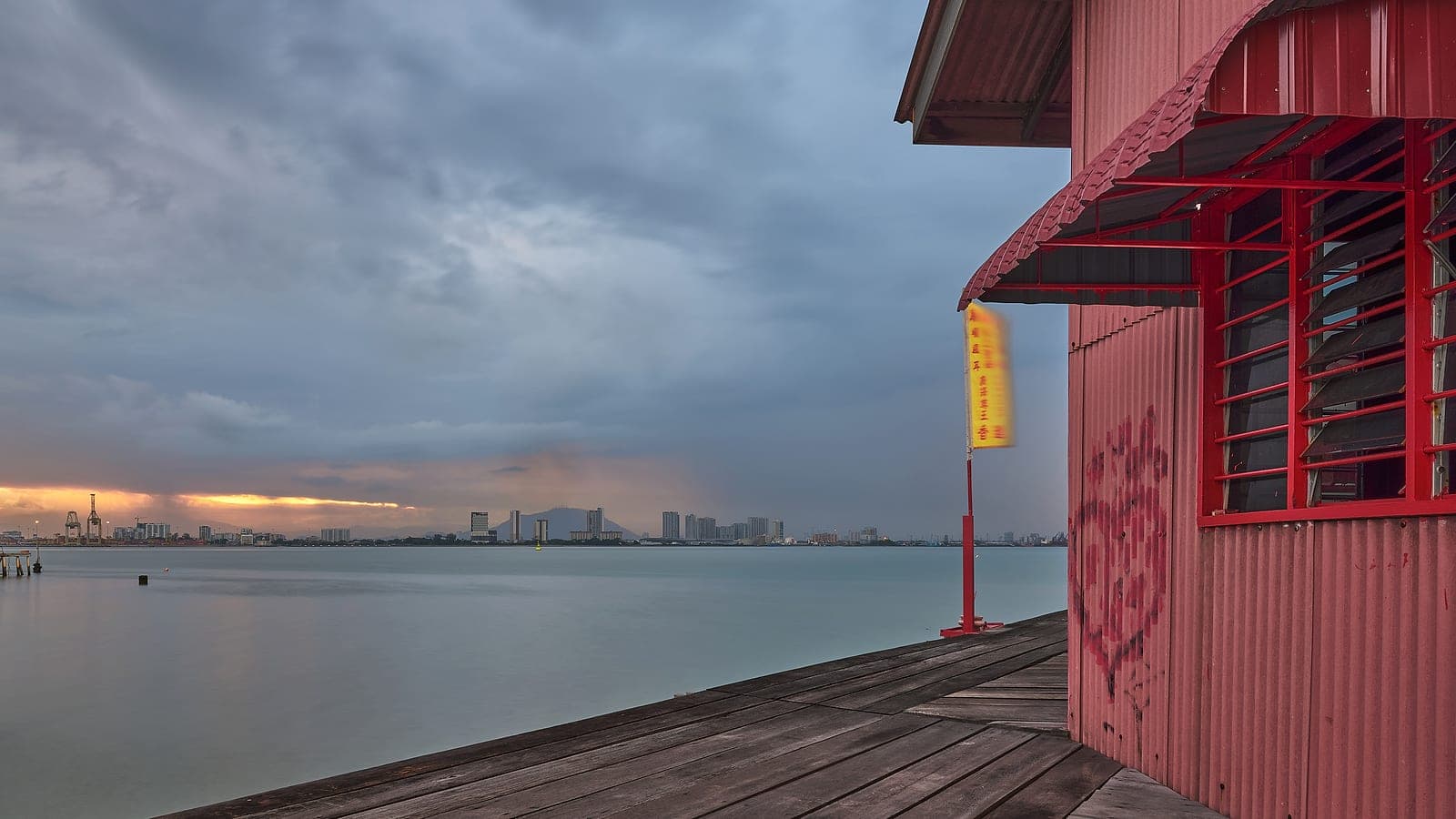
Penang sits 5° north of the equator in the northern Strait of Malacca. That position means two things: it's hot and humid year-round, and it has rain in every month of the year. There is no "dry season" in the way the term applies to Thailand or Bali — no three-month stretch where you can reliably expect sunshine every day. What Penang has instead is a wetter season (roughly September through November) and a comparatively drier period (January through February, then May through July), with the rest of the year sitting somewhere in between.
This is worth knowing before booking, because "rainy season in Penang" doesn't mean the same thing as rainy season in many other tropical destinations. Rain tends to arrive in the afternoon or evening as short, intense showers rather than all-day downpours. Mornings are usually clear. The heritage streets of George Town, the food, and the indoor cultural attractions are largely unaffected by weather. The beach at Batu Ferringhi is affected. So is any outdoor day trip or hike.
This guide covers monthly rainfall and temperature patterns, which activities are affected by rain, what a rainy-season day actually looks like on the ground, and the honest answer to whether you should avoid the wet months.
Travellers planning a Penang trip and trying to work out when to go, what to expect from the weather, and whether the rain season is a reason to change dates or a non-issue
Penang's Climate: The Basics
Penang's annual average temperature is 27–28°C (81–82°F), with a daily range of roughly 23°C at night to 32°C in the afternoon. Humidity is high year-round — typically 70–80%. You will sweat. The question is not whether it's hot, but how much rain accompanies the heat.
The island sits between two monsoon systems. The Northeast Monsoon brings heavy rain to peninsular Malaysia's east coast from November to March, but Penang — on the northwest coast, sheltered by Sumatra — gets the tail end of it rather than the full force. The Southwest Monsoon passes through the Strait of Malacca from May to September, bringing more wind and occasional showers to the west coast but not the sustained rain it delivers to Sumatra.
The result is that Penang's wettest months are October and November, when the Northeast Monsoon is transitioning and both systems contribute. The least rainy months are January–February and June–July, though "least rainy" is relative — you should still expect some afternoon rain even in these months.
Month-by-Month Weather Guide
January – February (Drier, Cooler Relative to Rest of Year)
These are Penang's most reliably pleasant months. Rainfall is lower than average — typically 100–150mm across the month. Afternoons can still produce brief showers, but mornings and most of the day are clear. Temperatures average 26–28°C during the day; it feels more manageable than the hotter April–May period.
Note: Chinese New Year falls in January or February (date varies annually). This is peak domestic travel season — George Town is packed, accommodation prices rise sharply, and many hawker stalls and restaurants close for several days. Book well in advance and expect a festive but crowded city.
March – April (Building Heat, Moderate Rain)
Temperatures climb toward their annual peak — mid-April afternoons regularly hit 33–34°C with high humidity. Rainfall picks up moderately, particularly in April. This is the hottest period of the year in Penang. The rain is welcome when it arrives, but the combination of heat and humidity before the shower can be draining.
Note: Hari Raya Aidilfitri (date varies by Islamic calendar) falls in this window some years. Check in advance — this is another period when local accommodation books out.
May – July (Shoulder Period — Often Underrated)
May marks the start of the Southwest Monsoon passage, which in Penang's case means slightly windier conditions rather than heavy rain. Rainfall is moderate to low. June and July tend to be relatively dry, with good morning weather and comfortable beach conditions. This is arguably the most underrated window for a Penang visit — comfortable temperatures (slightly cooler than April), reasonable prices, and no major crowd spikes.
School holidays in Malaysia and Singapore fall in May (one-week mid-term) and late May–late June (long school holidays). George Town is busier during these periods, but not overwhelmingly so.
August – September (Transition — Variable)
August is transitional — neither the driest nor the wettest. Rainfall increases through September as the system begins to shift toward the Northeast Monsoon. Weather is variable: stretches of good mornings can alternate with days of more persistent cloud and rain. Still a reasonable time to visit; just pack accordingly.
October – November (Wettest Months — Plan Around Rain)
October and November are Penang's wettest months. Monthly rainfall can reach 350–400mm. Rain is still predominantly afternoon and evening, but it's more frequent and occasionally lasts longer. Mornings are usually clear — this matters for planning. The sea at Batu Ferringhi can be rougher, and some beach club umbrellas go into storage.
What this means in practice: if you're coming primarily for beach and outdoor activities, October–November is the least ideal window. If you're coming for food, heritage, culture, and the city experience, rain makes almost no difference — George Town's covered five-foot-ways (sheltered walkways), indoor food centres, and covered markets mean you can eat and explore for most of the day without getting wet.
Deepavali (the Hindu festival of lights) falls in late October or early November — one of Penang's most visually striking events, particularly in Little India on Jalan Masjid Kapitan Keling.
December (Easing Off, Good Value)
December sees rainfall declining from the October–November peak. The city is often quiet in the first half of the month — good accommodation rates, fewer crowds. Christmas approaches and some areas, particularly shopping malls, put up decorations. The last week of December picks up with domestic New Year travel.
What Rain Actually Looks Like in Penang
A typical rainy afternoon in Penang: clear morning, partly cloudy by midday, a darkening sky by 3–4pm, then a heavy downpour for 30–90 minutes between 4–6pm, followed by clearing skies by early evening. The hawker centres fill up as people wait under the zinc roofs. The streets steam briefly. Then it's dry again for the evening food run.
This pattern holds for most of the year. It's different in character from the monsoon rains further up the coast or in Borneo — not the kind of rain that cancels a day, but the kind that reshapes a few hours of it.
The five-foot-way — the covered pedestrian walkway built into the ground floor of every pre-war shophouse — is Penang's original rain management infrastructure. You can walk between the ferry terminal, the main food streets, the clan houses, and Komtar almost entirely under cover. This is not an accident; it was a colonial-era building regulation specifically designed for equatorial rain.
When rain IS a problem: sustained overnight rain and the heavier storm events of October–November can cause localised flooding in low-lying areas — the Weld Quay seafront, parts of Jalan Penang near the waterfront, and the outskirts toward Butterworth. These are temporary and drain quickly but can catch you off-guard if you're not watching the sky.
Activities and How Rain Affects Them
George Town Heritage and Food: Essentially Unaffected
Everything that makes George Town worth visiting functions in any weather. The hawker centres are covered. The clan houses, temples, and museums are indoors. The Pinang Peranakan Mansion, the Penang Museum, Khoo Kongsi — all dry. The five-foot-way system means you can walk the heritage streets without an umbrella during most afternoon showers if you stay close to shophouse rows.
The street art is outdoors, but a short downpour followed by clearing skies actually makes for better photography — cleaned surfaces, reflections in puddles, fewer people waiting it out.
Batu Ferringhi Beach: Affected in Wetter Months
The beach at Batu Ferringhi is at its best from December to July. October and November bring rougher seas, stronger winds, and more rain. The beach doesn't close, but conditions are less pleasant for swimming. Water sports operators (jet ski, parasailing, banana boat) scale back activity when sea conditions deteriorate.
If beach time is central to your Penang trip, avoid October–November and aim for January–March or May–July.
Penang Hill: Affected by Rain and Cloud
Penang Hill is worth visiting for the views over George Town and the strait toward Butterworth. But cloud and mist reduce or eliminate those views. Rain makes the hill trails slippery. The funicular runs in light rain but may pause during heavy electrical storms.
The morning window — arriving at the base for the first funicular of the day (around 6:30am) and coming down by 10am before clouds build — is the most reliable strategy year-round, not just in the wet season.
Kek Lok Si and Temple Visits: Mostly Unaffected
Kek Lok Si Temple is partly covered and functions in rain. The viewing tower can be dramatic in low cloud — a different kind of visual. Main temple buildings are roofed. Same for most other temples and mosques.
Day Trips (Penang National Park, Monkey Beach, Cherok Tokun): Rain-Dependent
Any hike or boat trip is weather-dependent. The trail to Monkey Beach (in Penang National Park) becomes slippery in rain. The boat service still runs in moderate rain but not in storm conditions. For outdoor day trips, build flexibility into your schedule — plan for two potential days rather than one, or check the forecast the night before.
The Honest Answer: Should Rain Change Your Plans?
For a George Town-focused trip — food, heritage, culture, street art, markets — the answer is almost certainly no. Penang's rainy season is mild by regional standards. Morning weather is reliable. The covered city infrastructure handles afternoon showers. And the evenings, when the best hawker activity happens, are usually clear even in the wettest months.
For a beach-first trip — Batu Ferringhi, outdoor water sports, long stretches of uninterrupted sun — October and November are genuinely less good. Not impossible, but the odds are worse.
The best months overall, balancing weather, crowds, and value: January–February (clear and cool, but expensive around CNY), June–July (quiet, moderate weather, good value), and December first half (easing rain, low crowds, decent rates).
What to pack regardless of timing: a compact umbrella or a lightweight poncho (RM 8–15 from any pharmacy), quick-dry clothing, and sandals that can handle wet pavements. Penang's pavement heritage tiles — the glazed ceramic floor tiles found throughout George Town — become extremely slippery when wet. Walk slowly and stay close to the shophouse walls where they're slightly less wet.
Keep reading
Guides that pair well with this one.
Penang Weather by Month (2026): Rain, Monsoon & Best Time to Visit
Penang is warm year-round, but rain patterns matter. A month-by-month breakdown of temperature, rainfall and the two monsoon seasons — what January, February and every other month actually feels like, and the best months to go.
9 min readtravelPenang Airport (PEN) to George Town: Transport Guide 2026
How to get from Penang International Airport to George Town — Grab, bus, taxi, and car rental options with prices, journey times, and arrival tips.
6 min readtravelPenang Beaches Guide: Batu Ferringhi, Monkey Beach & Beyond
The honest guide to Penang's beaches — what the water is actually like, which beach suits your trip, and how to get there by bus or boat.
11 min readtravelPenang for Australian Travellers: Flights, Visas & What to Expect (2026)
Everything Australians need to know before visiting Penang — flights from Melbourne, Perth, Sydney, visa-free entry, currency, health, and what makes Penang worth the trip.
7 min read