On this page
Penang Night Markets & Evening Food Guide (2026)
From Gurney Drive's neon-lit hawker rows to Batu Ferringhi's tourist bazaar and the local pasar malam circuit — where to eat and shop after dark in Penang.
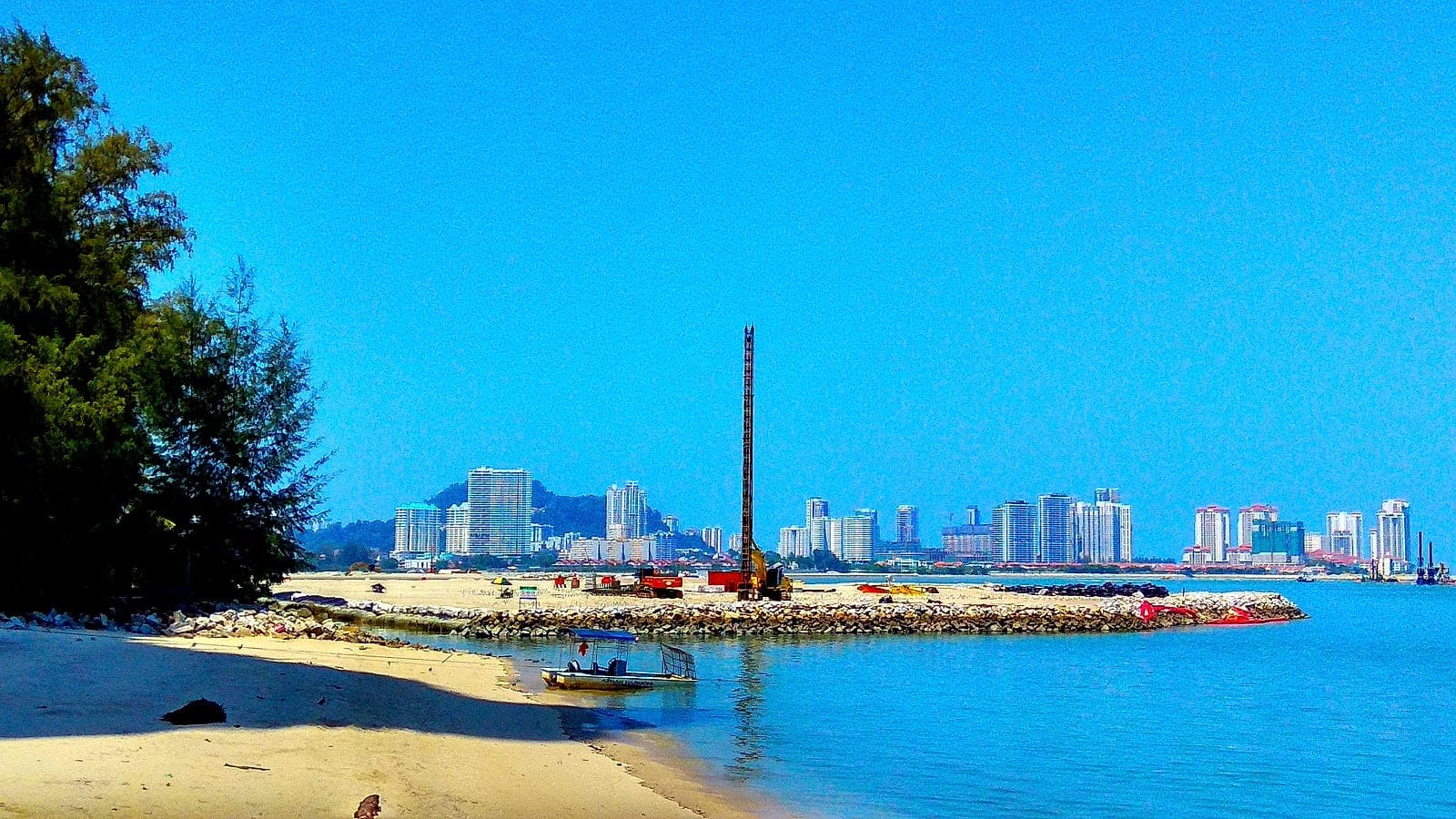
Penang doesn't slow down after dark — it shifts gear. The same hawker stalls that have been running since the 1950s fire up their charcoal woks as the sun drops, the pasar malam circuit rolls through a different neighbourhood every night of the week, and the seafront at Gurney Drive fills up with the kind of organised, unpretentious food ritual that made this island's reputation.
This guide covers where to go, what to eat, and how to put together an evening that doesn't require a reservation, a dress code, or more than RM 80 in your pocket.
This guide covers the full range: the famous seafront hawker centres, the neighbourhood pasar malam circuit, the George Town night hawker streets, and the Batu Ferringhi bazaar. It ends with a recommended evening itinerary that covers roughly RM 40–80 per person including food and Grab rides.
Tourists on a first visit wanting to experience Penang's evening food culture, travellers staying in George Town or Batu Ferringhi, anyone who has eaten at the tourist-facing spots and wants to find where locals actually eat at night
Gurney Drive Hawker Centre
The name that comes up first in any conversation about Penang evening food. Gurney Drive Hawker Centre sits on Persiaran Gurney, the seafront road on the northeastern edge of the island, and it has been the reference point for hawker food in Penang through various iterations since the 1950s.
The current setup is a proper covered hawker complex — fixed stalls, plastic chairs and tables, ceiling fans doing their best — moved from the original roadside strip after road-widening work pushed it back from the curb. The seafront setting is still there: you can catch a breeze if you're near the open edges, and the view across the strait toward Butterworth has a certain worn appeal.
Stalls start opening from roughly 5:30pm. By 7pm the place is properly running. The prime hours are 7–10pm, and by 10:30pm some stalls are already packing down.
What to eat here:
Char Kway Teow — The flat rice noodle stir-fry that Penang is most famous for. The charcoal-fired stalls at Gurney tend to have queues forming by 7:30pm; if you arrive and see a dozen people waiting in front of a stall, that's your signal. The dish requires fierce wok heat and good timing — on a busy evening, both conditions are met. Expect to pay RM 8–12 depending on size and extras.
Penang Rojak — Fruit and vegetables dressed in a thick, dark shrimp paste sauce and tossed with toasted peanuts and fried dough fritters. The Gurney Drive version is widely regarded as the benchmark. It's not a gentle dish — the prawn paste is strong, the sauce is sticky, and the combination of hard fruit and soft dough is deliberately rough. Order it as a starter while you wait for your noodles. Around RM 8–10 a plate.
Hokkien Mee — The pork and prawn broth that has been simmering since morning. By 7pm at a good Gurney stall, it has depth. The prawn sweetness should be clean and not muddy, the noodles should have some resistance. Usually RM 7–10.
Cendol — Shaved ice with coconut milk, green pandan jelly, and dark palm sugar. The dessert of choice for after dinner. Worth RM 4–6 to close the meal.
Practical notes: Most stalls are cash-only. Bring small denominations — RM 1, 5, and 10 notes. A few stalls now accept DuitNow QR. Table sharing is normal and expected; grab a seat, put something down on the table to claim it, then walk the stalls. The complex is largely halal-friendly, with pork dishes confined to specific non-halal sections — check the signage if this matters to your group.
Georgetown
UNESCO World Heritage Zone
Gurney Drive Hawker Centre is on Persiaran Gurney, roughly 3km from the centre of George Town. Grab from Lebuh Chulia takes about 10 minutes and costs RM 8–12 depending on time of day. Getting a Grab back after 10pm can mean a 15–20 minute wait on busy nights — book early or be prepared to walk toward the main road to shorten the pickup time.
Esplanade Food Court
Less famous than Gurney Drive, which is part of its appeal. The Esplanade Food Court sits on the waterfront directly opposite Fort Cornwallis, on the Padang Kota Lama waterfront. The food is lower-priced, the crowd is more local, and the setting at dusk — sea breeze, heritage fort lit up across the road, harbour lights — is something that takes a few minutes to appreciate.
The stalls open from around 6pm, which makes this a good option for an early dinner before the main Gurney Drive crowd has formed.
What to eat here:
Nasi Kandar — Rice with curries, ladled on request. The Muslim-operated stalls at the Esplanade do a solid version. Ask for "banjir" (flooding) and they'll drench your rice with a mixture of all the available curry gravies. Filling, cheap, and better eaten here than at the tourist-facing spots.
Mee Goreng Mamak — The Indian-Muslim fried noodle dish, yellow noodles stir-fried with egg, tomato, potato, and a sweet-spicy sauce. Good with a wedge of lime. Usually RM 6–8.
ABC (Air Batu Campur) — Shaved ice with red beans, corn, grass jelly, palm seeds, and sweet syrup. The Penang version is usually topped with a scoop of ice cream. An evening dessert that works better here than it sounds. Around RM 4–6.
The Esplanade stalls are almost entirely halal. Prices run slightly cheaper than Gurney Drive across the board.
The Pasar Malam Circuit
This is where local Penangites actually shop and eat after dark. Every residential area hosts a pasar malam (night market) on a fixed night each week — a rotating circuit of temporary stalls that sets up in a car park or along a main road from roughly 5pm to 10pm.
The circuit isn't designed for tourists, which is exactly what makes it worth visiting. Prices are lower, the food selection is different from the hawker centres, and the atmosphere is entirely local — families with strollers, old men examining produce, teenagers at the fried chicken stall.
Accessible options for visitors staying in or near George Town:
Taman Lip Sin (Thursday evenings) — One of the more popular inner-city pasar malams, accessible by Grab from George Town for approximately RM 10. Mix of prepared food stalls and produce vendors.
Farlim (Sunday evenings) — A well-established market among locals, with a good selection of Malay and Chinese food stalls alongside the usual sundry goods.
Teluk Bahang (Thursday evenings) — Further out, near the northwestern tip of the island. More of a kampung (village) feel, fewer prepared food stalls, more fresh produce and small traders. Worth the trip if you're already heading toward Batu Ferringhi.
What to look for:
Curry puffs — Pastry shells filled with spiced potato and sometimes chicken or sardine. The best ones are still hot, the pastry is flaky, and they cost RM 1–2 each. Buy three.
Fried chicken wings — Marinated, battered, fried to order. Usually RM 2–4 a piece. The queue tells you which stall is worth it.
Kuih — Traditional Malay steamed cakes in various colours and textures, often pandan-scented or coconut-flavoured. Buy a selection from RM 1 per piece. Don't skip the ondeh-ondeh (pandan balls filled with palm sugar) if you see them.
Ramly burger variations — The Malaysian burger, assembled in front of you on a flat griddle with egg, cheese, and a mix of sauces. More interesting than it sounds. Usually RM 5–8.
Satay — Marinated meat on skewers, grilled over charcoal, served with peanut sauce and compressed rice. Chicken or beef, usually RM 1–2 a stick.
General price range at pasar malam: RM 1–6 per item. You can eat very well for RM 20.
Batu Ferringhi Night Market
The tourist-facing option. The Batu Ferringhi Night Market runs nightly along Jalan Batu Ferringhi, from approximately 7pm, and it is primarily a shopping market: clothes, souvenirs, phone cases, knock-off watches, handicrafts, and electronics of uncertain provenance. Food stalls exist at the edges but are not the reason to come.
It's loud, colourful, and worth one walk-through if you're staying in Batu Ferringhi. It is not worth making a special trip from George Town — the 45-minute Grab ride each way will cost more than anything you're likely to buy or eat there.
The better approach: treat it as a pre-dinner walk. Start at the market end closest to your hotel, spend 20 minutes browsing, then walk or Grab to one of the seafood restaurants nearby for dinner. The seafront restaurants along Batu Ferringhi serve grilled catch, butter prawns, and steamed fish that are a step up from anything the market itself offers.
A note on the electronics stalls: pirated goods are openly visible. Purchase decisions are yours; enforcement does occasionally happen.
George Town Street Food at Night
The heritage zone doesn't shut down at sunset. The streets around Lebuh Chulia, Jalan Penang, and Lorong Baru (New Lane) have active hawker stalls running until midnight on most nights.
New Lane (Lorong Baru) — the serious option. This hawker street runs parallel to Jalan Penang and is regarded by many Penangites as one of the best hawker concentrations in the city. It starts setting up from around 6pm and is fully operational by 7:30pm. The selection is wide: satay, oyster omelette, Penang Laksa, Asam Laksa, char kway teow, fried tofu, sugarcane juice. No signs directing tourists here; that's the point.
Jalan Irrawaddi hawker row — Similar concentration to New Lane, slightly less crowded, good for the same dishes. Worth knowing about when New Lane has a full house.
Chulia Street Night Hawker Stalls — The tourist-oriented option within George Town. Menus are in English, prices are slightly higher than at New Lane, and there are more tables with proper chairs. The food quality is still good — this is Penang, not a food court at an airport. If you're tired and don't want to navigate further, these stalls deliver.
Georgetown
UNESCO World Heritage Zone
New Lane (Lorong Baru) is a short walk from the main Lebuh Chulia backpacker strip. Head up Jalan Penang from the clock tower end, turn left at the junction with Lorong Baru — you'll hear it before you see it by 7:30pm. No signage is needed. If you're walking from Campbell Street, it's the hawker row running parallel to the covered market.
What to Order at Night (Specifically)
Some Penang dishes are structurally better in the evening, and a few are only available then:
Char Kway Teow — The charcoal stoves maintain their peak heat from mid-evening when the stalls have warmed up. The cooler air also helps with the wok hei effect. Noon char kway teow is fine; 8pm char kway teow from a stall that has been firing all evening is better.
Hokkien Mee — The pork and prawn broth is started in the morning and simmered for hours. By 7pm, the depth of flavour is at its maximum. Ordering it at breakfast (when it's also served) gets you an earlier, thinner version. Evening is when it's at full complexity.
Oyster Omelette — Fresh oysters are delivered to stalls in the afternoon. The omelette — egg, tapioca starch, and small oysters fried together — is an evening-only dish at most hawker stalls for this reason. Order it at a stall that has a queue; turnover means the oysters are fresh.
Cendol and ABC — Technically available all day, but making more sense as evening dessert after a full hawker meal rather than as a standalone afternoon snack. The queues at Penang Road Teochew Cendol are shorter after 8pm than they are at midday.
Practical Notes for Evening Out
Weather: Evening thunderstorms are a regular occurrence from June through October, typically hitting between 4pm and 6pm. They usually pass within 45 minutes. Hawker centres are covered — don't cancel your plans because of a storm. If you're caught at a pasar malam, find a stall with an awning and wait it out.
Cash: Bring more small notes than you think you need. RM 1, 5, and 10 denominations are the most useful. ATMs near Gurney Drive and along Lebuh Chulia are reliable. Most hawker stalls and all pasar malam vendors are cash-only; some established stalls at Gurney Drive now accept DuitNow QR.
Grab timing: Getting a Grab from Gurney Drive after 10pm on a Friday or Saturday night can mean a 15–20 minute wait. Either book before you finish eating, walk 5 minutes toward the main road before requesting, or use the time to order dessert.
Halal food: Most hawker centres in Penang have clear halal and non-halal sections. The Esplanade Food Court is almost entirely halal. At Gurney Drive, pork dishes are clearly separated. The pasar malam circuit is predominantly halal. If there's uncertainty, ask — stall operators are used to the question.
Hygiene: The established hawker centres are fine. Wet wipes are useful; hand sanitiser is optional. Don't overthink this — Penang's hawker stalls that have been operating for decades have earned their reputation.
A Recommended Evening in Penang
If you want a structured plan rather than just a list of options, this sequence works well and covers the range:
6:00pm — Grab to the Esplanade (RM 6–8 from central George Town). Arrive while there's still colour in the sky. Order nasi kandar or mee goreng, eat at a table facing the fort. No rush.
7:30pm — Walk or short Grab to New Lane (Lorong Baru). This is dinner proper if you only nibbled at the Esplanade, or a second round if you didn't. Oyster omelette, satay, Asam Laksa, whatever has a queue. Budget RM 15–25 per person.
9:00pm — Grab to Gurney Drive (RM 8–10 from New Lane). The crowds will have thinned slightly from the 7:30pm peak. Go specifically for Rojak and Cendol — two things that Gurney does better than anywhere else. Budget RM 15–20 per person for these two items.
10:00–10:30pm — Grab back to hotel.
Total cost, including all Grab rides: roughly RM 40–80 per person depending on appetite. No bookings required at any stage.
FAQ
What time do Penang night markets start?
Hawker centres like Gurney Drive begin opening stalls from roughly 5:30pm, with the best hours running from 7pm to 10pm. The pasar malam circuit (rotating weekly markets) typically runs from approximately 5pm to 10pm. The Batu Ferringhi Night Market opens from approximately 7pm nightly.
Is Gurney Drive Hawker Centre worth visiting?
Yes, for Rojak and Cendol specifically — both are benchmark versions of their dishes. The char kway teow and hokkien mee are good but not uniquely better than what you'll find at New Lane or any well-regarded neighbourhood stall. If you only have one evening, Gurney Drive is a reasonable anchor but shouldn't be your only stop.
Are the night markets safe?
The established hawker centres — Gurney Drive, the Esplanade — are well-lit, busy with families, and entirely safe. The George Town street hawker areas around New Lane are similarly safe and active through the evening. Standard caution applies: watch your belongings in crowded pasar malam environments, the same as you would at any market anywhere.
What is pasar malam in Penang?
Pasar malam literally means "night market" in Malay. In Penang, it refers to the rotating weekly markets that operate in different residential neighbourhoods on a fixed schedule — usually one night per week per area. They sell a mix of prepared food (the main draw), fresh produce, household goods, and clothing. They are designed for local residents, not tourists, which is what makes them worth visiting.
Can I pay by card at Penang night markets?
Almost universally no. Hawker stalls and pasar malam vendors operate on cash. Some established stalls at Gurney Drive now accept DuitNow QR (the Malaysian mobile payment standard). Carry enough cash before heading out — the nearest ATM to Gurney Drive is a short walk toward Gurney Plaza mall.
When is the best time to arrive at Gurney Drive?
Between 7pm and 8:30pm is the sweet spot — stalls are fully open, the food is at its best, and the queues at the most popular stalls haven't yet become unreasonable. Arriving at 6pm means some stalls are still setting up. After 9:30pm, some of the better stalls start running low on supply.
Keep reading
Guides that pair well with this one.
Penang Food Streets Guide: The Best Hawker Streets & Lanes (2026)
A street-by-street guide to Penang's best hawker lanes — Kimberley Street, Gurney Drive, Penang Road, Lorong Baru (New Lane) and the lesser-known local streets worth finding.
7 min readactivitiesBatu Ferringhi Guide: Penang's Beach Strip Explained
Batu Ferringhi has Penang's best beach hotels, a famous night market, and water sports — 30 minutes from Georgetown by bus. Here's what to expect.
9 min readexperiencePenang Nightlife Guide: Bars, Rooftops & Late-Night Food (2026)
Where to go after dark in Penang — rooftop bars with views, craft beer spots in George Town, beach bars at Batu Ferringhi, and late-night hawker eating until 2am.
7 min readfoodPenang for Food Lovers: The Complete Eating Guide
The definitive guide to eating in Penang — from dawn hawker breakfasts to late-night char kway teow. Where to eat, what to order, and the unwritten rules of the hawker centre.
8 min read