On this page
7 Days in Penang: The Complete Itinerary
A full week in Penang done properly — George Town's heritage zone, hawker breakfasts, Balik Pulau countryside, Batu Ferringhi, hill walks, day trips, and the meals that make the island worth returning to.
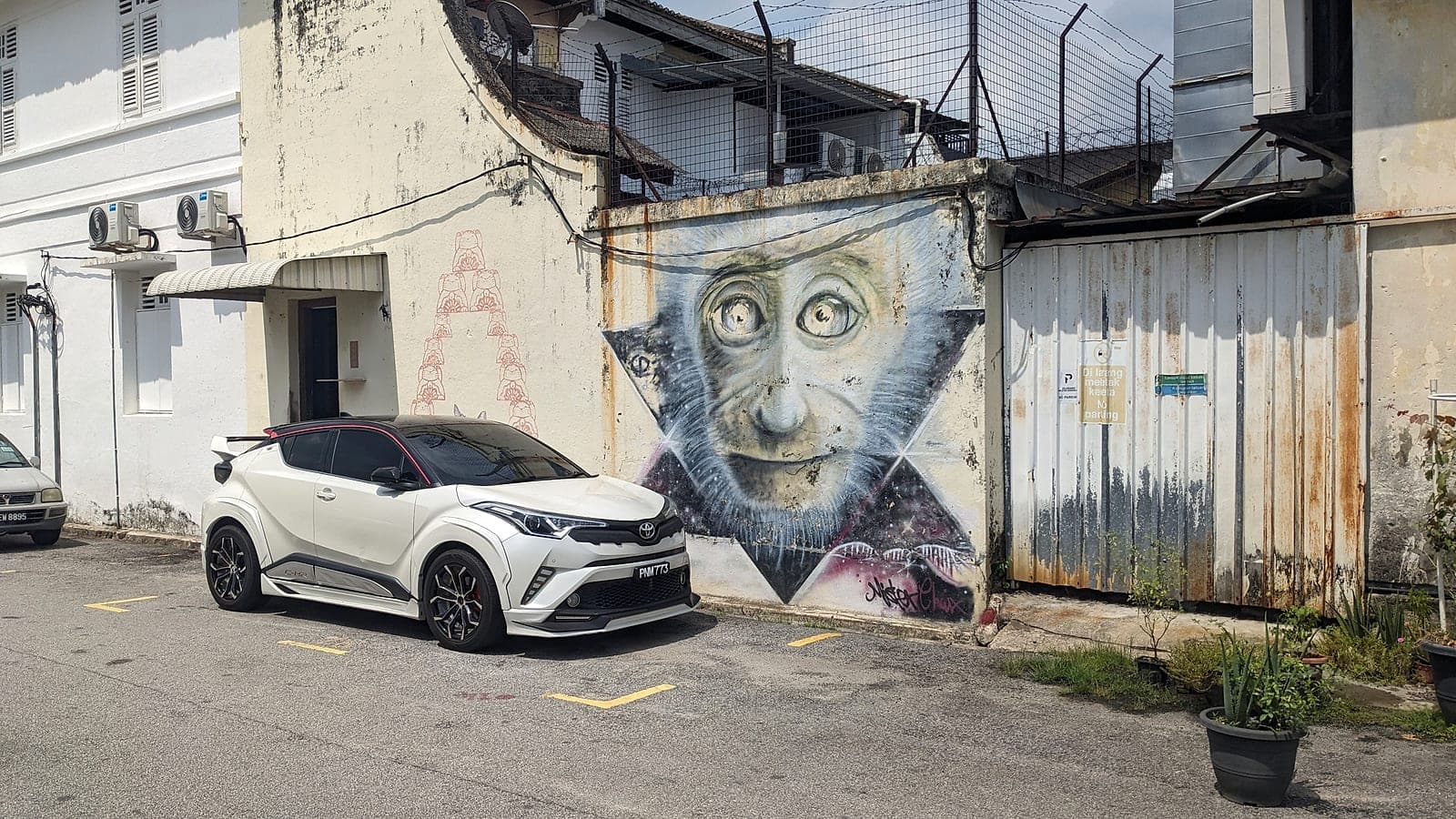
Seven days is the right amount of time for Penang. Enough to eat through a serious cross-section of the food, cover the heritage zone on foot without rushing, get out of George Town into the interior and the south, and spend a morning or two doing absolutely nothing except sitting in a kopitiam watching the city wake up.
This is not a day-by-day list of every museum and temple. It is a week shaped around the things that make Penang worth a week — the food, the streets, the neighbourhoods, and the pace.
This itinerary assumes you're based in George Town throughout. It's structured so each day builds on the last — early in the week covers the essentials, the middle goes deeper, and the final days give you space to revisit favourites and sit in the places you've liked most.
Travellers with 7 full days in Penang — whether that's a dedicated Penang trip or part of a longer Malaysia or Southeast Asia itinerary. Works for first-timers who want to see it properly and repeat visitors who want to go deeper.
Before You Arrive
Base yourself in George Town — specifically the UNESCO heritage core. This is where the food, the streets, and the architecture are. Batu Ferringhi is a beach resort district with little character; Gurney Drive is mid-range modern. For a 7-day stay, a heritage shophouse hotel or a guesthouse on or near Armenian Street is the correct choice.
Good options by budget:
- Budget: Muntri Mews, the Edison (heritage zone, simple rooms, character in the building itself)
- Mid-range: Nishi Heritage Hotel, Macalister Mansion, The Edison (Heritage Wing)
- High end: Seven Terraces, Cheong Fatt Tze – The Blue Mansion, E&O Hotel
Get a SIM card at the airport. Grab service with a Maxis, Celcom, or U Mobile tourist SIM (RM 30–50 for 30 days, unlimited data). You will navigate constantly.
Day 1 — Arrival and First Orientation
Arrive, check in, and resist the urge to immediately run to every famous landmark. The first afternoon is for understanding the geography.
Morning/Afternoon (if arriving early): Walk the main grid of the heritage zone. The core is roughly 1 km × 1.5 km. Start at the Esplanade, walk along Lebuh Farquhar past the E&O Hotel, turn into Lebuh Leith, down Love Lane, across to Armenian Street, and back along Jalan Masjid Kapitan Keling. This loop takes about an hour and covers the spatial logic of the city.
Evening: First dinner should be Gurney Drive Hawker Centre. It is touristy and the quality has dipped compared to the interior hawker centres, but as an introduction to hawker eating — the format, the ordering, the atmosphere — it does the job. Have char kway teow, Penang laksa, and chendol. Total spend: RM 25–35 per person.
After dinner: Walk Jalan Penang (the main shopping street) back toward the hotel. At night the shopfronts are closed but the proportions of the buildings and the neon-lit kopitiams still open give you a different read of the city than daytime.
Day 2 — George Town Deep Dive
This is the core heritage day. Do it early in the week while your legs are fresh.
7:00am — Kopitiam breakfast: Start at one of the old-school Hainanese kopitiams on Lebuh Chulia or Lebuh Kimberley. Order kopi (coffee brewed through a flannel sock with condensed milk), half-boiled eggs with kicap manis and white pepper, and kaya toast. This is breakfast for RM 8–12 and it is non-negotiable.
9:00am — Fort Cornwallis and the Esplanade: The fort itself is modest but the surrounding esplanade is where the city faces the sea. Good light for photography in the morning. The view across to Butterworth is unexpectedly calming. (Entry: RM 20 adults / RM 10 children)
10:30am — Clan Jetties: The six Chinese clan jetties on Weld Quay are one of Penang's genuine originals — families who have lived in houses built on stilts over the Straits for 150 years. Chew Jetty is the largest and most visited; Tan Jetty and Lim Jetty are quieter and more atmospheric. Free to walk.
12:30pm — Lunch at Kimberley Street: Lebuh Kimberley is the lunch hour destination. Char kway teow from the corner stall, Hokkien mee, and cendol from the cart that has been in the same spot for 40+ years.
2:30pm — Sri Mahamariamman Temple and the Jalan Masjid Kapitan Keling corridor: Three of Penang's great religious buildings are within 200 metres of each other here — Kapitan Keling Mosque (1801), Sri Mahamariamman Temple (1833), and Sri Ganesh Temple. The juxtaposition of these buildings — architecturally distinct, functionally different, peacefully adjacent — is one of the things that makes the heritage zone worth understanding rather than just photographing.
4:00pm — Cheong Fatt Tze – The Blue Mansion: The 38-room mansion built by a Hakka merchant prince in the 1890s is the most architecturally significant heritage building in Penang open to the public. Guided tours at 11am and 2pm. The tour takes 45 minutes and is worth doing — the guide explains the feng shui logic, the building materials shipped from China and Scotland, and the family history. (Entry: RM 25 per person including guide)
6:30pm — Sunset at the Esplanade: The last half-hour of light over the Straits, the fishing boats and car ferries crossing, the E&O Hotel seafront to your left. This is a good place to sit before dinner.
8:00pm — Dinner, Georgetown: On this day, dinner should be at a proper restaurant rather than hawker. The 1885 restaurant at E&O (tasting menu, requires booking) or Kebaya at Seven Terraces (Nyonya cuisine) are the best choices. Penang's Nyonya cuisine is distinct from Malacca's — lighter, more aromatics, better prawn work.
Day 3 — Penang Hill + Kek Lok Si
7:30am — Breakfast near the funicular: The hill is best in the morning before heat and crowds build. Have breakfast at a kopitiam on Jalan Air Itam before taking the Rapid Penang bus (Route 204) to the Penang Hill Funicular base station.
9:00am — Penang Hill Funicular: The 5.5 km funicular opened in 1923 and climbs 821 metres in under 10 minutes. At the top: cool air (5–8°C lower than the city), views over the island and across to Butterworth, the colonial-era bungalows, and a Bellevue Hotel that has been serving tea on this hill since 1923. Spend an hour at the top. (Return ticket: RM 60 adults / RM 30 children; book online to avoid queues)
11:30am — Kek Lok Si Temple: 20 minutes by bus or Grab from the base of the hill, Kek Lok Si is Southeast Asia's largest Buddhist temple — a complex built across a hillside from the 1890s onwards, topped by the 30-metre Kuan Yin statue that defines the Penang skyline from the highway. Give it 90 minutes minimum: the main pagoda (seven storeys, free entry), the tortoise pond, the cable car up to the Kuan Yin statue. (Pagoda entry: RM 2; statue cable car: RM 5)
1:30pm — Lunch at Restoran Kin Leong or the Air Itam market: The stalls in the Air Itam area serve some of the best laksa outside the central tourist zone. This is a local lunch, away from the heritage zone crowds.
4:00pm — Return to George Town and recovery time: By 4pm you've been on your feet for eight hours. Return to the hotel, rest, and then do an evening walk down Armenian Street for the street art and the bookshops.
8:00pm — Night hawker: Red Garden Food Paradise: The Red Garden off Lebuh Leith is a reliable evening hawker setting — tables in an open-air compound, 50+ stalls, performance some nights. Oyster omelette, satay, cendol, and teh tarik.
Day 4 — Balik Pulau and the Interior
Most visitors never cross to the western side of the island. The interior of Penang — the villages, the durian orchards, the Hokkien farming settlements — is a different country from George Town.
9:00am — Rent a motorcycle or hire a Grab car: Balik Pulau is 30 km from George Town. The easiest way is a hired car or scooter. The drive through the hills via Jalan Relau or via Teluk Bahang is genuinely scenic — rubber estates, farms, and the descent to the fishing village on the western coast.
10:30am — Balik Pulau town: The main town is small and mostly Hokkien. The market is the draw — fresh produce, Penang-made dodol, nutmeg products, and the Balik Pulau laksa that locals consider superior to George Town's. Have laksa here.
12:30pm — Durian if in season (May–August): The orchards on the hillsides above Balik Pulau produce Musang King, D24, and Black Thorn. If you are here during durian season, buy from a roadside stall and eat under a tree. This is the correct way to eat durian.
2:30pm — Pantai Kerachut or Muka Head: The northern tip of Penang National Park is accessible from the Teluk Bahang side — a 3-km beach trail through jungle to a white-sand beach at Kerachut where sea turtles nest. Alternatively, the Muka Head lighthouse trail (7 km return) is the more demanding option with views from the headland. Entry to the national park: RM 5.
7:00pm — Return to George Town for dinner: Take the scenic coast road back — through Teluk Bahang, past Batu Ferringhi, into the city. Dinner at Gurney Drive or at one of the Lebuh Kimberley stalls.
Day 5 — Little India, Penang Museum, and Afternoon Rest
8:00am — Breakfast on Little India: The stretch of Lebuh Pasar and the surrounding lanes — Penang's Little India — has some of the best banana leaf breakfast in Malaysia. Roti canai with dhal, teh tarik, nasi lemak wrapped in banana leaf. Indian breakfast in a Chinese-built shophouse in a formerly British colonial city. That's Penang.
10:00am — Penang State Museum: One of the better regional history museums in Malaysia — colonial-era photographs, maps of the original settlement plan, and a good exhibition on the multicultural formation of Georgetown from a trading port in 1786. (Entry: RM 1, genuinely)
11:30am — Peranakan Mansion (Pinang Peranakan Mansion): The Peranakan (Straits Chinese) collection here is the most comprehensive of its kind — furniture, porcelain, embroidery, and jewellery from the Baba-Nyonya families who formed the mercantile backbone of colonial Penang. Two floors, 1,000+ artefacts, 45 minutes minimum. (Entry: RM 25)
1:30pm — Lunch at Chulia Street Night Hawker (if open) or Sri Weld food court: Chulia Street's daytime hawker stalls are quieter than the evening session but several good char kway teow and nasi kandar counters are open.
3:00pm — Free afternoon: By day 5, Penang works differently if you stop rushing. Spend the afternoon in a kopitiam with a book, or walk Penang Road's heritage shophouses without a destination. The best discoveries in George Town happen when you stop checking a list.
7:30pm — Nasi kandar dinner: Nasi kandar is Penang's defining Muslim dish — rice piled with curries, fish, chicken, okra, and hard-boiled egg, all eaten from a banana leaf. Line Clear Nasi Kandar on Jalan Penang or Hameediyah on Campbell Street are the two institutions. Expect a queue at Line Clear.
Day 6 — Batu Ferringhi and the North Coast
9:00am — Drive to Batu Ferringhi: The beach resort strip is a 30-minute bus ride from George Town (Rapid Penang 101). Batu Ferringhi's beach is good for a morning swim — the sea is warm, the sand is clean enough, and before 11am it is not crowded.
10:00am — Tropical Spice Garden: 2 km west of the Batu Ferringhi hotel strip, the Spice Garden is a 8-acre hillside garden of 500+ spice plants — cinnamon, nutmeg, cardamom, lemongrass — with good labelling and a decent restaurant at the top. The cooking class (morning session, book ahead) is one of the best introductions to Penang food as a system of ingredients and technique. (Entry: RM 30; cooking class: RM 250)
1:00pm — Lunch at Batu Ferringhi: The seafood restaurants along the strip are tourist-priced but the fish and prawn quality is good. Or take a Grab to Teluk Bahang village for a more local option.
4:00pm — Butterfly Farm: The Penang Butterfly Farm (Taman Rama-Rama) near Teluk Bahang is one of the world's oldest butterfly gardens — 4,000 butterflies across 120 species in a free-flight enclosure. Better than it sounds. (Entry: RM 25)
Evening — Batu Ferringhi Night Market: The night market runs nightly along the main road — stalls selling batik, souvenirs, and beach gear. It is a tourist market but a good one. Dinner at the nearby Ferringhi Garden restaurant or back in George Town.
Day 7 — Final Morning Rituals, Last Meals, Departure
7:00am — Final kopitiam breakfast: Go back to the same kopitiam you used on Day 2. Order the same thing. The familiarity is the point.
9:00am — Any missed streets or spots: Penang's heritage zone has more than a week of walking in it. Use this morning for any street or lane you meant to explore but didn't. The Ghaut lanes (Gat Lebuh Armenian, Gat Lebuh China) are often missed. The bicycle repair shops and clan temples on Lebuh Melayu are worth a slow walk.
11:00am — Final shopping: Penang is good for batik (Yahong Gallery on Batu Ferringhi or the cluster on Lebuh Chulia), white coffee (Old Town White Coffee or Hock Seng Leong), and nutmeg oil products from the Balik Pulau orchards. The heritage shophouse gift shops on Armenian Street are overpriced; the provision shops on the smaller lanes are not.
1:00pm — Last lunch — char kway teow: The non-negotiable final meal. The wok hei (breath of the wok) on a good plate of Penang char kway teow — the charred flat rice noodles, the cockles, the lap cheong, the crispy lard — is one of the tastes that makes people plan a return trip before they've left.
Practical Notes
Transport: Grab works well everywhere on the island. Rapid Penang buses cover the main tourist routes (101 to Batu Ferringhi, 204 to Penang Hill) for RM 1.50–4.00. Within the heritage zone, walk or use the free CAT bus service (route runs east-west along the waterfront).
Money: George Town runs mostly on cash for hawker stalls. Bring RM 200–300 in small notes for a week of hawker eating. ATMs at Maybank and CIMB in the heritage zone. Mid-range restaurants and hotels accept cards.
When to go: November to March is drier on the northeast coast (George Town). May to September is the wet season on the southwest (Batu Ferringhi gets afternoon rain). There is no genuinely bad time to visit — the rain is warm and short-lived.
Budget per day: RM 150–250 (budget guesthouse, hawker meals, public transport) / RM 350–600 (mid-range hotel, mix of hawker and restaurant, occasional Grab) / RM 800+ (boutique heritage hotel, restaurant dinners, hired car).
Keep reading
Guides that pair well with this one.
3 Days in Penang: The Best Short-Trip Itinerary
Three focused days in Penang — the George Town hawker trail, the heritage zone on foot, Penang Hill, a half-day in Balik Pulau, and the meals that justify coming here in the first place.
9 min readplanningFirst Time in Penang? Everything You Need to Know
The essential guide for first-time Penang visitors. What to see, where to stay, how to get around, what to eat, safety, weather, and a practical 5-day itinerary.
8 min readplanningPenang for Couples: Romantic Things to Do, Stay, and Eat
The best Penang experiences for couples — sunset at the Esplanade, dinner in a restored heritage building, a durian orchard drive to Balik Pulau, boutique hotels with character, and a city that rewards slowing down together.
9 min readfoodDishes Invented in Penang — and Where to Try the Originals
Char kway teow, Penang laksa, cendol, lor mee — several of Malaysia's most iconic dishes were invented or perfected in Penang. Here's the origin story and where to eat the real thing.
6 min read