On this page
Penang for Singaporeans: The Complete Guide to Your Favourite Getaway (2026)
Singaporeans are Penang's most frequent visitors. Here's what makes Penang worth the trip from Singapore, how to get here, where to stay, and the food that doesn't exist back home.
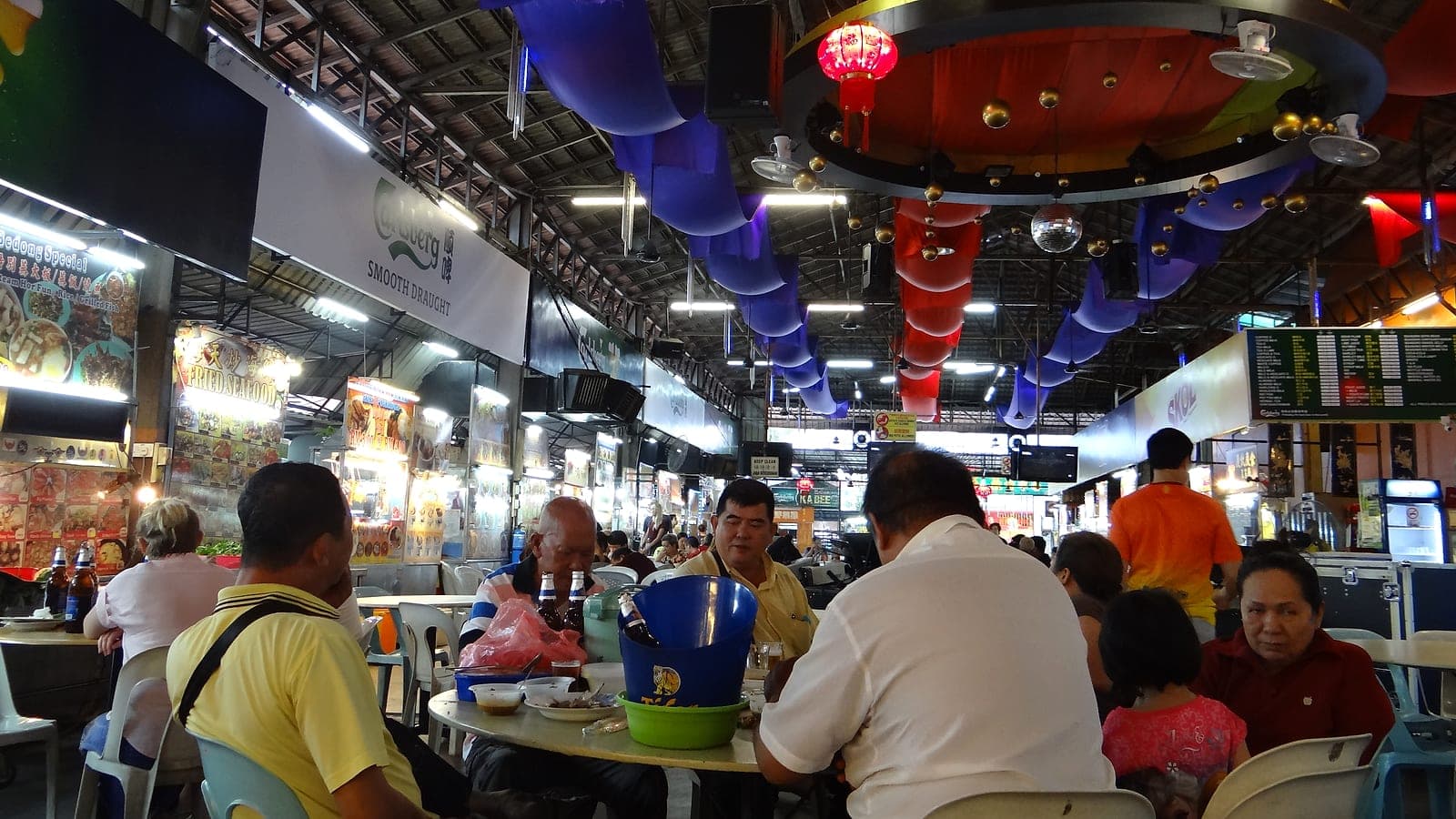
Singaporeans have a specific relationship with Penang. It is not quite abroad — Penang Hokkien and Singapore Hokkien are mutually intelligible; the food DNA is related; the Chinese clan system that built George Town's heritage zone has direct parallels in Singapore's own Chinatown and Katong. But Penang is not Singapore either: the pace is different, the prices are different, the heritage zone has not been theme-parked, and the hawker food has its own character that does not exist in Singapore's version.
This is why Singaporeans keep returning. Not for exoticism, but for a specific version of their own cultural inheritance — looser, older, less optimised — at a price that makes even a long weekend feel worthwhile.
Singaporeans are Penang's single largest visitor group by nationality. The trip is well-established: 1-hour flight, familiar enough to navigate without extensive research, different enough to feel like a real break. This guide covers what makes Penang worth the trip from Singapore specifically — including the food that drives most of the visits.
Singaporean residents planning a Penang trip — whether first-time or returning — who want current logistics, accommodation guidance, and the food narrative that explains why this particular destination keeps calling people back
Getting Here from Singapore
Flight (the standard choice): Scoot, AirAsia, and Firefly all fly Singapore Changi (SIN) to Penang (PEN). Flight time is 1 hour exactly. Scoot and AirAsia fares start from SGD 50–80 one way if booked 3–6 weeks out; last-minute or peak-period fares reach SGD 150–250. Total door-to-door from Singapore city: approximately 3.5 hours.
Firefly operates from Seletar Airport (SIN2) rather than Changi — useful for those living in the north of Singapore, but Seletar's terminal is smaller and taxi/grab connections are less convenient than Changi. AirAsia and Scoot from Changi Terminal 1 or 2 are the practical default.
Bus (overnight option): Several operators (Aeroline, FirstCoach, Transnasional) run Singapore–Penang coaches, typically overnight (depart ~9–10pm, arrive Penang ~7–8am). Journey time 7–8 hours via the Second Link and North-South Expressway. Fare SGD 45–65 one way. The overnight bus is popular with those who want to maximise time in Penang without losing a travel day — sleep on the bus, wake up ready to eat laksa.
Drive: Singapore-registered vehicles can enter Malaysia via the Causeway or Second Link. North-South Expressway to Penang is approximately 4.5–5 hours driving time without stops. The ETS toll on the Penang Bridge is RM8.50. Driving gives flexibility if you plan to leave George Town for day trips to Ipoh or Cameron Highlands during a longer stay.
Why Singaporeans Keep Coming Back
The usual answer is "the food." The fuller answer is more specific.
Char Kway Teow: Singapore has char kway teow. Penang has a different version — same dish family, different execution. Penang char kway teow uses pork lard as the frying medium, is cooked at higher heat, and has a more pronounced wok hei (breath of the wok, the smoky-charred flavour from a high-temperature wok). The lard is the key difference — Singapore versions often use vegetable oil for the halal market, which produces a cleaner but less flavourful result. For Singaporeans who grew up eating the old-school pork-lard version, Penang is where that specific taste still reliably exists.
Penang Hokkien Mee: Singapore also has Hokkien mee, but they are completely different dishes. Singapore Hokkien mee (the fried version, mixed noodles with egg and prawn) is unrelated to Penang Hokkien mee, which is a rich dark prawn stock soup. The Penang version is often described by Singaporeans as "what the name always made me expect but didn't get at home."
Laksa: Both cities have laksa, but the versions diverge significantly. Singapore's laksa (laksa lemak) is coconut-cream based, rich and sweet. Penang laksa (assam laksa) is fish-stock based, sour from tamarind, finished with hae ko (prawn paste) — sharper, more acidic, and nothing like the Singapore version. Trying Penang laksa at Air Itam Market is frequently cited by Singaporeans as a revelatory experience precisely because it recalibrates expectations about what "laksa" can mean.
Cendol: Penang's cendol — shaved ice, coconut milk, pandan jelly, gula Melaka — is essentially the same dish as Singapore's, but the gula Melaka quality and the freshly-squeezed coconut milk at specialist stalls (notably Penang Road Famous Teochew Chendol) produces a version that Singaporeans consistently rate above the island versions.
Kopitiam culture: Singapore still has kopitiams, but many have modernised their coffee preparation or been replaced by commercial coffee chains. In Penang, the century-old kopitiam tradition — Hainanese-roasted Robusta, cloth-sock brew, ceramic cups, marble-top tables — is better preserved and more widely distributed throughout the heritage zone.
The Price Difference
This matters more than Singaporeans sometimes acknowledge before their first trip. The Ringgit trades at approximately RM3.4–3.6 per SGD (check current rates). This means:
| Item | Penang cost (RM) | SGD equivalent | Singapore cost |
|---|---|---|---|
| Hawker meal + drink | RM10–15 | SGD 2.80–4.20 | SGD 6–9 |
| Mid-range restaurant dinner (per person) | RM50–80 | SGD 14–22 | SGD 30–50 |
| Boutique hotel per night | RM250–400 | SGD 70–110 | SGD 150–250+ |
| Grab ride across heritage zone | RM8–12 | SGD 2.20–3.30 | SGD 8–15 |
A long weekend in Penang costs less than a long weekend in Singapore's CBD hotels and restaurants. This is obvious but worth stating: even including the flights, the total Penang trip budget can come in below what three nights in a Singapore Marriott would cost.
Where to Stay
George Town heritage zone (recommended for first-timers and most repeat visitors): Being in the heritage zone means the food and walking are immediately accessible. The boutique hotel market here is strong — converted shophouses with varying levels of polish, from basic guesthouses at RM80–120 per night to restored mansions at RM400–600.
For Singaporeans who prefer a known brand or consistent service standard: The Prestige Hotel (part of The Autograph Collection, formerly Northam All Suite) on Jalan Sultan Ahmad Shah is the closest equivalent to Singapore's hotel quality at Malaysian prices. The Macalister Mansion on Macalister Road (boutique, more individual) is the favourite for those who specifically want character.
Batu Ferringhi (beach option): Shangri-La Rasa Sayang is the standard choice for Singaporeans who want a beach resort experience. Familiar brand, Singapore pricing sensibility in service quality, and a beach that — while not the South China Sea islands — is adequate for a weekend. The trade-off is the 45-minute Grab to George Town food each time you want hawker fare.
The practical hybrid: Stay in George Town, take one morning to Batu Ferringhi. This is the default for most repeat visitors from Singapore who have already done the Rasa Sayang stay.
What to Do Beyond the Food
George Town Heritage Walk (3–4 hours): Even for Singaporeans who have been to Penang multiple times, George Town rewards fresh attention. The heritage zone is more intact than Kampong Glam or Chinatown, and the shophouse architecture and clan house system has direct parallels to Singapore's own lost urban fabric. The Khoo Kongsi clan temple, the Armenian Street street art, the Clan Jetties — each tells a version of the Chinese immigrant story that Singapore has partly obscured with development.
Penang Hill (half-day): The funicular is unremarkable; the hill is not. The cool air at the summit (21°C vs 32°C at sea level), the views over the Strait of Malacca, and the morning mist on the jungle below justify the trip. Combine with a visit to Penang Botanical Gardens at the base.
Batu Ferringhi Beach (half-day): The beach itself is adequate rather than spectacular. The value is the seafood restaurants along the beach road in the evening — reasonably priced fresh seafood that would cost twice as much in Singapore's seafood restaurants.
Balik Pulau (half-day, own transport required): The rural western side of Penang island — durian orchards, small Malay fishing villages, a Penang that looks nothing like George Town. Worth doing if you have a car or are renting one; not practical by Grab due to the distance.
What Singaporeans Usually Discover on the Second Trip
First-time Singaporean visitors often follow the standard circuit: Gurney Drive, Armenian Street, Penang Hill, Batu Ferringhi. By the second trip, regulars tend to migrate toward:
- Air Itam Market (for the laksa specifically — Air Itam is 20 minutes by Grab from George Town, and the laksa quality difference over Gurney Drive is significant)
- Residential kopitiams (away from the tourist-facing Armenian Street cafes — places on Penang Road, Campbell Street, and the inner streets where the coffee and toast are served to the same people every morning)
- Balik Pulau (if they have transport and time)
- Ipoh day trip (easily done on a 3-night Penang trip — 2 hours each way, different food scene entirely)
The common observation from Singaporean regulars: "There's always more." George Town's heritage zone has enough texture to reward repeated visits in a way that many tourist destinations do not. The food, the architecture, and the pace of life operate in layers — the first visit sees the surface, subsequent visits go deeper.
Practical Notes Specific to Singaporeans
Currency: Change SGD to RM at the money changers in George Town (better rates than airport banks). The money changers on Jalan Penang and near Komtar are reliable. Bring SGD 500–600 for a 3-night trip; RM goes quickly at hawker centres and shopping.
Language: No adjustment needed. English in George Town is more prevalent and more comfortable than in most Southeast Asian destinations. Penang Hokkien is mutually intelligible with Singapore Hokkien for older Singaporeans or those from Chinese-dialect backgrounds — but English works for everything.
Transport: Grab works identically to Singapore Grab. Set up Malaysian payment method (credit card or top-up GrabPay in RM) before arriving — the SGD wallet does not automatically convert. Cash payment on Grab is available as an option if you prefer.
Medical: Not a concern for a short trip. Penang Hill Hospital and Gleneagles Penang are the main private hospitals if anything is needed. Bringing standard travel medications (loperamide, antihistamines, rehydration salts) from Singapore pharmacies makes sense for the heat and spice adjustment.
Keep reading
Guides that pair well with this one.
Penang from Singapore: The Complete Day Trip and Weekend Guide
Penang is 55 minutes from Singapore by air. Here's how to do it in a day, what to do on a long weekend, and which flights, hotels, and food stops to prioritise.
7 min readitinerariesPenang Weekend Getaway from KL: The Efficient 2-Night Plan (2026)
Kuala Lumpur residents do the Penang weekend regularly. Here's the logistics — flight vs bus vs drive, when to leave, where to stay, and a 2-day itinerary that covers the essentials without rushing.
8 min readtravel-tipsPenang for American Tourists: Flights, Costs & What to Expect (2026)
Everything US visitors need to know before flying to Penang — visa-free entry, flight routes, costs in USD, tipping (don't), and why Penang rewards the American traveller who leaves the resort track.
7 min readtravel-tipsPenang for German Travellers: Flights, Costs & What to Expect (2026)
Everything German visitors need before flying to Penang — visa-free entry for EU/Schengen, flight routes from Frankfurt and Munich, costs in Euros, and why Penang suits the German travel style.
7 min read