On this page
Penang for Australian Travellers: Flights, Visas & What to Expect (2026)
Everything Australians need to know before visiting Penang — flights from Melbourne, Perth, Sydney, visa-free entry, currency, health, and what makes Penang worth the trip.
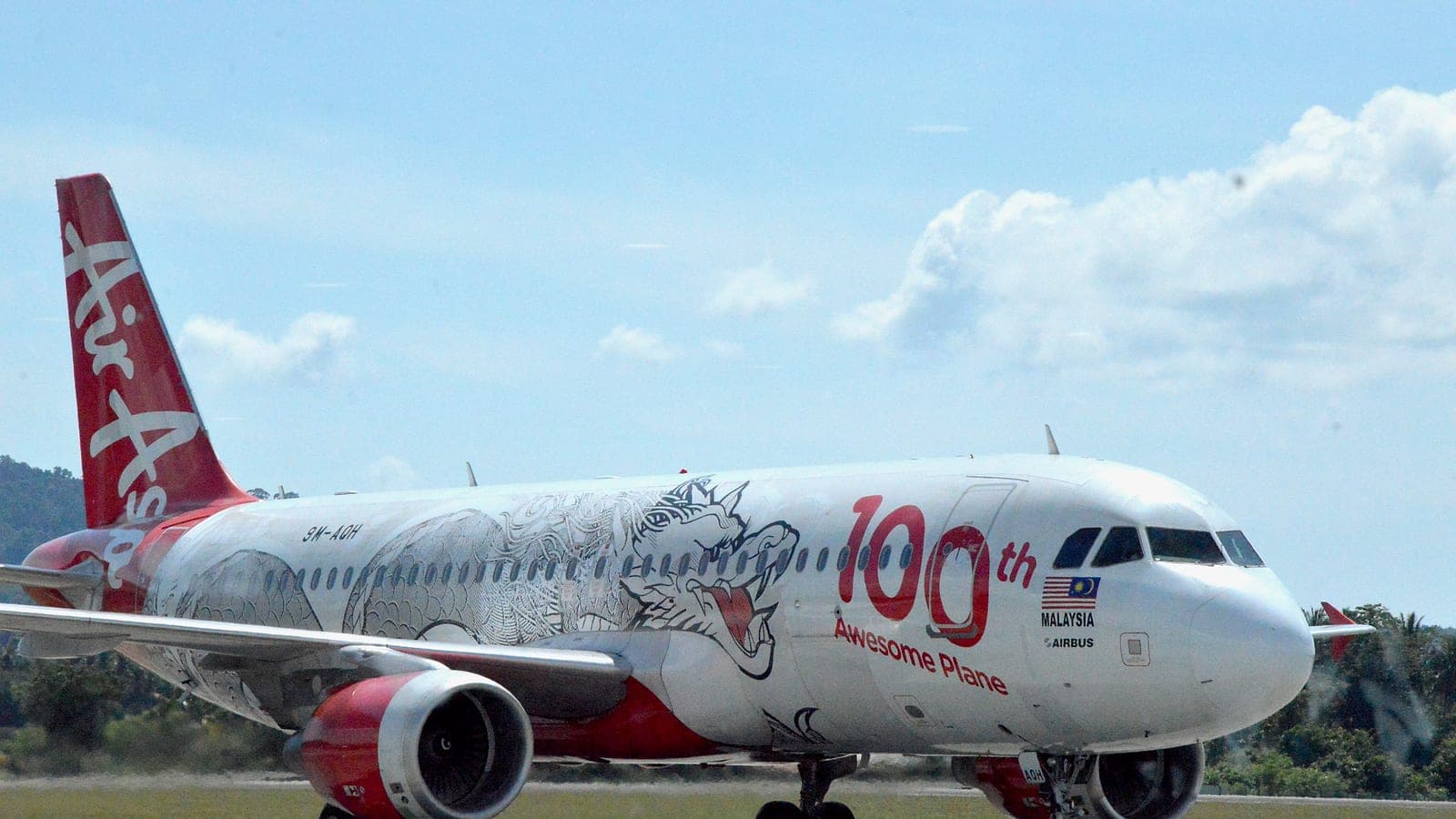
Australia and Penang have an easy relationship. The flight times are manageable, the entry requirements are minimal for Australian passport holders, the prices are excellent relative to Australian costs, and the food — which is the main draw for most visitors — is genuinely world-class in a way that Australian food culture is well-positioned to appreciate.
This guide covers the practical and the contextual: how to get there, what to know before you arrive, and what Penang will and won't deliver for Australian travellers.
This guide prioritises the practical information Australians specifically need: flight routes from major Australian cities, cost comparisons in AUD, health and safety context, and what Penang is like for travellers used to Australian standards of comfort and infrastructure.
Australian travellers — first-timers to Penang or to Malaysia — who want practical flight, visa, and cost information alongside an honest read on whether Penang fits their travel style
Getting There
From Perth
Perth has the most direct access to Penang. AirAsia and Malaysia Airlines operate direct flights; the flight time is approximately 5 hours. Perth is geographically the closest major Australian city to Southeast Asia, and the Penang route reflects this.
Fares on advance purchase typically range from AUD 300–600 return for economy. Check MH (Malaysia Airlines) and AK (AirAsia) directly, as well as Google Flights for date flexibility.
From Melbourne
No direct flights from Melbourne to Penang. The standard routing is via Kuala Lumpur (KLIA or KLIA2), with a domestic connection or short layover to Penang. Total journey time is approximately 10–12 hours including connection.
Alternatively, fly Melbourne to KL (MH, AK, Jetstar Asia), spend a night or two in KL, and then take a 45-minute flight or 4-hour train to Penang. This approach is common and makes the journey feel less gruelling.
Fares: AUD 600–1,100 return to Penang via KL on typical advance booking.
From Sydney
Similar to Melbourne — connections through KL. Some itineraries connect through Singapore (Changi) if timing is better, though this adds distance. Total journey 12–14 hours.
Fares: AUD 700–1,200 return.
Train from KL
If you're flying into KL, the ETS (Electric Train Service) from KL Sentral to Butterworth (Penang mainland) takes approximately 3.5–4 hours and is an excellent way to see the Malaysian countryside. Fares are around RM 80–120 (AUD 25–40). The train is air-conditioned, comfortable, and arrives at Butterworth, from which a 15-minute ferry crosses to George Town.
Visa and Entry
Australian passport holders receive 90 days visa-free entry to Malaysia. No prior registration or e-visa is required. You present your passport at immigration, fill in the arrival card (available on the plane and at the airport), and receive the entry stamp.
There is no fee.
What you'll need: A passport valid for at least 6 months beyond your intended departure, a confirmed onward or return ticket, and proof of accommodation for the first night (occasionally checked, usually not).
Currency and Costs
The Malaysian ringgit (RM or MYR) is the local currency. As of 2026, the exchange rate is approximately RM 3.00–3.20 per AUD (check xe.com before travel for current rate). This means Malaysia is very affordable for Australian visitors.
Reference costs:
- Coffee at a kopitiam: RM 2.50 (AUD 0.80)
- Full hawker meal: RM 8–15 (AUD 2.50–5)
- Heritage boutique hotel per night: RM 350–600 (AUD 110–190)
- Grab ride across George Town: RM 8–15 (AUD 2.50–5)
- Beer at a bar: RM 14–18 (AUD 4.50–6)
A couple travelling with good accommodation, meals at a mix of hawker and restaurant, and paid experiences can expect to spend AUD 150–250 per day combined. Backpackers can do it for AUD 60–90. This is excellent value compared to comparable Southeast Asian destinations from an Australian perspective.
Getting cash — ATMs in Penang dispense ringgit and are widely available in George Town and at the airport. Withdrawal fees apply (usually RM 10–15 per transaction). Most hotels, restaurants, and shops in tourist areas accept Visa and Mastercard. Hawker stalls are mostly cash or DuitNow QR (a Malaysian QR payment system — not relevant for visitors without a Malaysian bank account, so carry RM 50–100 in small bills for hawker eating).
Health and Safety
Vaccinations — Routine vaccinations (hepatitis A, typhoid) are recommended. Malaysia is not a malaria-risk area for Penang. Dengue fever is present in Malaysia — use DEET mosquito repellent, particularly in the mornings and late afternoons.
Water — Don't drink tap water. Bottled water is cheap and universally available (RM 1–2 for a 600ml bottle). All reputable restaurants and hawker stalls use filtered or boiled water for cooking.
Healthcare — Penang has good private hospitals — Gleneagles Penang and Penang Adventist Hospital are the main international-standard options. For Australians, private health insurance with overseas travel cover is the right approach; Malaysian private hospital costs are a fraction of Australian equivalents. A GP consultation at a private clinic is RM 50–120 (AUD 15–40).
Safety — Penang is a safe city by Malaysian and regional standards. George Town is walkable day and night without significant safety concerns. The standard precautions apply: watch your belongings in crowded areas, don't leave bags unattended. Petty theft exists but violent crime targeting tourists is uncommon.
What Penang Delivers for Australian Travellers
The food — This is the headline. Penang's hawker food — char kway teow, assam laksa, hokkien mee, rojak — is among the most celebrated street food in the world. For Australians with genuine food interest, Penang is a compelling destination for this reason alone. The reference point is not "interesting for Southeast Asia" but "excellent by any standard."
The heritage architecture — The George Town Heritage Zone, UNESCO-listed since 2008, has a density and quality of pre-war shophouse and colonial architecture that is rare. For Australians who haven't visited Southeast Asian heritage cities, it's genuinely different from anything in Australia.
The pace — George Town is a city that works well walked slowly. It doesn't demand a schedule. For travellers who want to be somewhere rather than tick it off, Penang suits.
What Penang is not — Penang is not a beach destination in the Maldives or Bali sense. Batu Ferringhi has beach resorts and the water is warm, but it's not a postcard beach. If pristine beaches are the priority, add Langkawi to the itinerary (a 35–40 minute flight from Penang; the old direct ferry is discontinued, so the sea route runs overland via Kuala Kedah). The two complement each other well.
Suggested Itinerary
5 nights — 3 nights George Town (Heritage Zone, food, culture), 2 nights Batu Ferringhi or Balik Pulau (beach, countryside). Fly in, fly out of Penang.
8 nights — 3 nights KL (fly in, brief city orientation), 4 nights Penang (train from KL, deep heritage and food dive), 1 night Langkawi (fly from Penang). Fly home from Langkawi or back via KL.
10 nights — Add a day trip to Cameron Highlands from Penang (3.5 hours), or an overnight in Ipoh (1.5 hours) for more hawker food and limestone caves. The Malaysia-within-Malaysia comparison — Ipoh versus Penang versus KL — is a worthwhile travel education.
Practical Logistics
Getting from Penang Airport to George Town — Grab is the easiest option (RM 25–40, 30 minutes). A fixed-price taxi counter operates at the airport for those who prefer it (around RM 40–50). There is also a bus service (RapidPenang 401) for RM 2.70 if you have small luggage and time.
Getting around George Town — Walking covers most of it. Grab for anything beyond 20 minutes on foot. The Heritage Zone is compact enough that a hotel in the right location means minimal transport costs.
Power — Malaysia uses Type G plugs (the same as the UK and Singapore). Australian Type I plugs require an adaptor. Voltage is 240V 50Hz, the same as Australia, so adaptors without voltage conversion work fine.
SIM card — Available at Penang Airport from Maxis, Celcom, and Digi. A tourist SIM with 10GB data costs approximately RM 30–50. This is the simplest option. Alternatively, use an eSIM from an Australian provider (Airalo, Ubigi, etc.) set up before departure.
Keep reading
Guides that pair well with this one.
Penang for British Travellers: Flights, Practicalities & What to Expect (2026)
Everything UK visitors need to know before flying to Penang — flights from London, visa-free entry, costs in GBP, and why Penang suits British travel style.
11 min readtravel-tipsPenang for American Tourists: Flights, Costs & What to Expect (2026)
Everything US visitors need to know before flying to Penang — visa-free entry, flight routes, costs in USD, tipping (don't), and why Penang rewards the American traveller who leaves the resort track.
7 min readtravel-tipsPenang for German Travellers: Flights, Costs & What to Expect (2026)
Everything German visitors need before flying to Penang — visa-free entry for EU/Schengen, flight routes from Frankfurt and Munich, costs in Euros, and why Penang suits the German travel style.
7 min readtravelPenang Airport (PEN) to George Town: Transport Guide 2026
How to get from Penang International Airport to George Town — Grab, bus, taxi, and car rental options with prices, journey times, and arrival tips.
6 min read