On this page
Penang Food Streets Guide: The Best Hawker Streets & Lanes (2026)
A street-by-street guide to Penang's best hawker lanes — Kimberley Street, Gurney Drive, Penang Road, Lorong Baru (New Lane) and the lesser-known local streets worth finding.
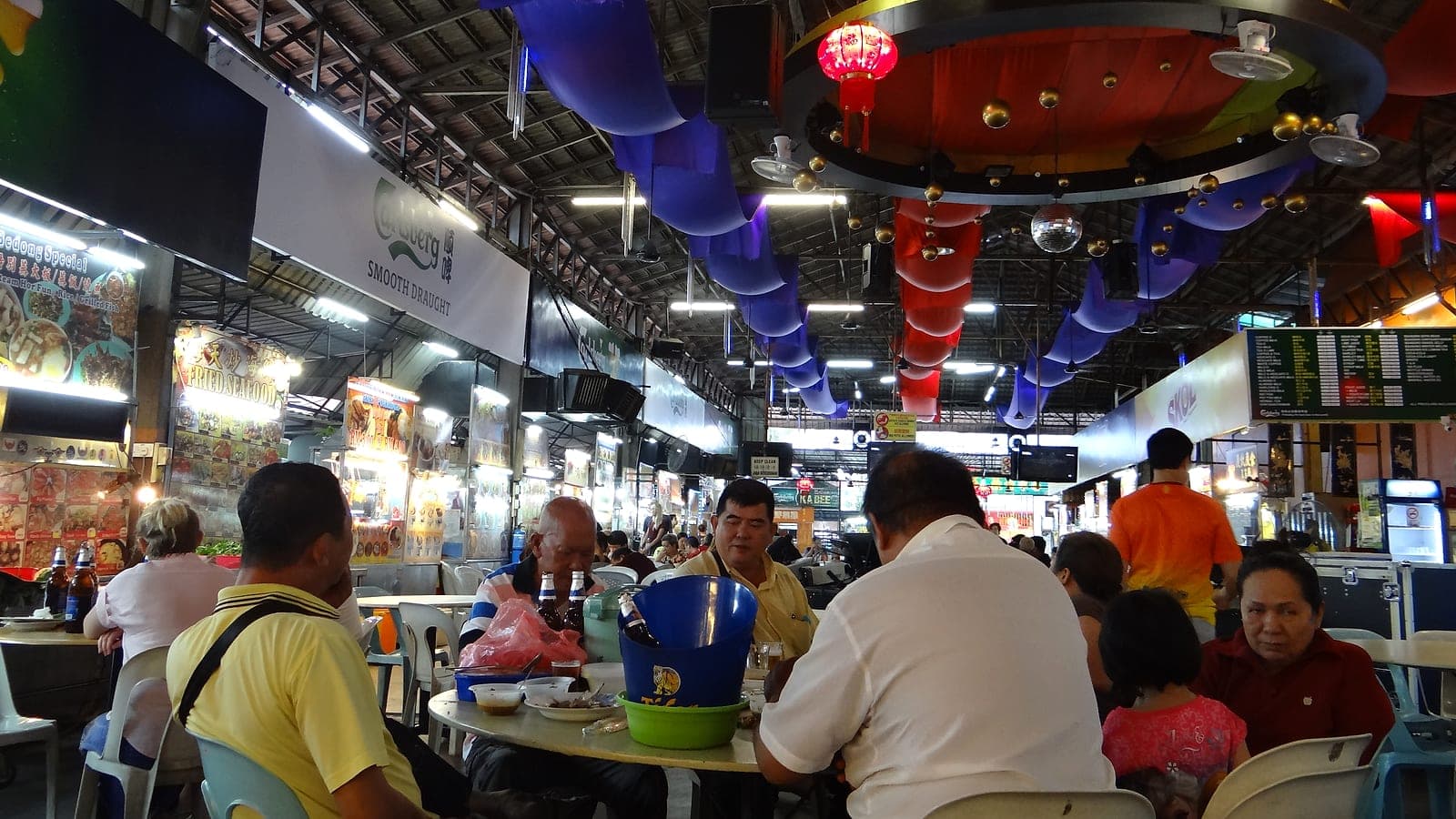
Penang's food reputation is built on specific streets. Not restaurants — streets. The hawker culture here is anchored to place in a way that goes beyond branding: certain dishes have been cooked at the same corner by the same family for forty or sixty years, and you navigate to the food by knowing the street, not the restaurant name.
This guide is organised by street, starting with the ones that matter most.
This guide covers the major hawker streets and clusters in George Town, with specific dishes to look for on each street and practical logistics. It's honest about which streets are tourist-facing and which are where locals eat.
First-time visitors to Penang who want to navigate the hawker streets with some context, return visitors who've done Gurney Drive and want to find the local streets, and food-focused travellers who want to understand the geography of Penang's hawker culture
Kimberley Street (Lebuh Kimberley)
Kimberley Street is the food street that serious Penang hawker visitors talk about. It runs east–west through the southern Heritage Zone, and the hawker cluster that sets up here — mostly in the evening — is a mix of street-side stalls and enclosed coffee shop courtyards with open-air tables spilling out.
What to eat here:
Penang Hokkien Mee (Prawn Mee) — The benchmark version is found at a few specific stalls on Kimberley Street. The broth is made from pork bone and prawn heads, long-reduced and dark, with shelled prawns and pork slices on yellow noodles and/or rice vermicelli. The best versions here are genuinely excellent — not tourist-calibrated but cooked the same way for decades. Around RM 8–12.
Char Kway Teow — Flat rice noodles stir-fried in a hot wok with bean sprouts, eggs, Chinese sausage, and cockles over charcoal. Several Kimberley Street stalls have the charcoal setup. Order without cockles if bivalves are a concern. RM 7–12.
Koay Teow Th'ng (Rice noodle soup) — A simpler dish than hokkien mee — clear broth, flat noodles, minced pork, fish balls. The clarity of a good koay teow th'ng broth is what makes it: it should be clean and sweet, not muddy. RM 6–9.
Penang Lobak — Five-spice pork roll, bean curd skin, and assorted fried pieces served with a dipping sauce. The Kimberley Street lobak stalls operate day into evening. RM 8–15 depending on selection.
When to go — Evening, 6:30pm onwards. By 7:30pm the street is busy. Most stalls continue until 10–11pm on weekdays, later on weekends.
Gurney Drive (Persiaran Gurney)
Gurney Drive Hawker Centre is the most famous evening food destination in Penang — a large covered complex on the northeastern seafront. It's not the most intimate experience, but the quality of the landmark stalls is real and the setting (sea view, breeze, large open tables) has its own appeal.
Reference stalls here:
Char Kway Teow — The charcoal-fired char kway teow stalls at Gurney are among the most copied and most referenced in Malaysia. Queue when you see one; the 20-minute wait is normal and worth it.
Rojak — The Penang version: fruit and vegetables in a thick prawn paste sauce, tossed with toasted peanuts and fried dough. The Gurney Drive rojak is the standard reference.
Cendol — Shaved ice with coconut milk, green pandan jelly, and dark palm sugar. The Gurney cendol stalls do high volume and maintain quality.
Practical notes — The complex is halal-compliant for most stalls; non-halal items (pork) are in a designated area with signage. Most stalls accept cash and DuitNow QR. Busy from 7–10pm; thins out after 10:30pm. Parking is difficult; Grab is the better approach.
Penang Road (Jalan Penang)
Penang Road is the main commercial artery running north–south through the Heritage Zone. The hawker eating here is different from Kimberley Street — it's more casual and daytime-oriented, mixing coffee shops with independent stalls.
What to look for:
Penang Road Teochew Chendul — The most referenced cendol stall in Penang, operating from the same spot for generations. Located near the junction with Lebuh Keng Kwee. The line is long; the wait is 10–15 minutes. Whether it's genuinely better than other cendol in Penang is debated; that it has a devoted following is not.
Kopitiam coffee shops — The traditional kopitiam (Chinese coffee shop) on Penang Road offer kopi-o (black coffee, sweetened), kaya toast, soft-boiled eggs, and other morning items. These are breakfasts designed for the climate: small, energetic, efficient. RM 6–12 for a full kopitiam breakfast.
Pasembur (Indian Rojak) — At the junction stalls along Penang Road, the Indian version of rojak (different from the Chinese version — cucumber, tofu, prawn fritters, boiled egg, turnip, in a peanut-chilli sauce) is available from several mamak and Indian Muslim vendors.
Lorong Baru (New Lane)
Lorong Baru is the local's choice that visitors rarely find on the first visit. It's a back lane running parallel to Jalan Burma, roughly 3 kilometres north of the Heritage Zone centre. The hawker setup here is purely functional — plastic tables on a lane, stalls on both sides, largely attended by locals from the surrounding neighbourhood.
Why it matters:
Char Kway Teow — The New Lane char kway teow stalls are consistently rated among the best in Penang by long-term residents. Less tourist traffic means shorter queues and, some argue, better execution from cooks who aren't overwhelmed. Around RM 8–10.
Koay Chiap — A dish less commonly found at tourist-facing hawker centres: flat rice noodles in a dark braised sauce with pork offal (intestines, ears, tofu). Sounds difficult; tastes deeply savoury and worth trying for adventurous eaters. RM 8–12.
Getting there — Grab to Lorong Baru (tell the driver Lorong Baru near Jalan Burma). The stalls set up from roughly 6pm.
Lebuh Chulia (Chulia Street)
Chulia Street is the main backpacker street in George Town, and the eating here reflects that — a mix of backpacker cafes, mamak restaurants, and a handful of hawker stalls that operate day and night.
24-hour mamak — The mamak restaurants on and around Chulia Street operate around the clock. Roti canai, mee goreng, maggi goreng, teh tarik — all available at 3am if needed. Quality varies; look for the ones with visible turnover.
Nasi kandar — Chulia Street has several nasi kandar restaurants where you point at curries and rice is piled below. Nasi kandar is the Penang Tamil Muslim dish of rice with multiple curries (the best include dhal, fish curry, chicken curry, and a range of fried items). It's eaten at any hour and is particularly appropriate as a late-night meal.
Jalan Burma Hawker Row
Jalan Burma (Burma Road) has several hawker stalls and coffee shops spread along its length, including some that are well-regarded by Penang residents but rarely appear in tourist guides.
Asam Laksa — Look for the asam laksa stalls on Jalan Burma. Penang asam laksa — the sour, tamarind and mackerel-based soup with rice noodles, shredded fish, and toppings including pineapple and cucumber — is the dish most distinctive to Penang and least replicable elsewhere. The quality on Jalan Burma is high. RM 6–9.
Practical Notes for Street Eating
Cash — Bring small notes. RM 5, RM 10, and RM 50 notes are all useful. Some stalls accept DuitNow QR; most heritage zone hawker setups still prefer cash.
Heat — All of these street setups are open-air or semi-covered. Evening eating (6pm onwards) is significantly more comfortable than midday. Carry water.
Ordering — You don't need Malay or Hokkien to order. Point, hold up fingers for quantity, say "no pork" if needed (halal stalls don't serve pork regardless). Most stall owners at tourist-adjacent streets have enough English to take an order.
Sharing — Tables are shared at busy hawker stalls. Sit down, claim a spot by leaving something on the table, then order from individual stalls. This is the system; there's no maître d'.
What to drink — Teh tarik (pulled milk tea, sweet) is the universal hawker drink. Soya bean milk (fresh, warm or cold) is a good alternative. Fresh coconut if you see it. Ice from reputable hawker stalls is generally fine; the standard has improved significantly across Penang's street food scene.
Keep reading
Guides that pair well with this one.
Best Hawker Centres in Penang: Where Locals Actually Eat (2026)
Penang's hawker centres range from tourist-facing esplanade spots to residential courts where nobody speaks English and the food is better. Here's how to navigate both.
8 min readfoodPenang Night Markets & Evening Food Guide (2026)
From Gurney Drive's neon-lit hawker rows to Batu Ferringhi's tourist bazaar and the local pasar malam circuit — where to eat and shop after dark in Penang.
13 min readfoodVegetarian & Vegan Food Guide to Penang (2026)
Penang has one of the strongest vegetarian food traditions in Southeast Asia — a century-old Chinese Buddhist vegetarian scene, South Indian pure-veg restaurants, and a newer plant-based cafe layer.
12 min readfoodPenang for Food Lovers: The Complete Eating Guide
The definitive guide to eating in Penang — from dawn hawker breakfasts to late-night char kway teow. Where to eat, what to order, and the unwritten rules of the hawker centre.
8 min read