On this page
Penang Beaches Guide: Batu Ferringhi, Monkey Beach & Beyond
The honest guide to Penang's beaches — what the water is actually like, which beach suits your trip, and how to get there by bus or boat.
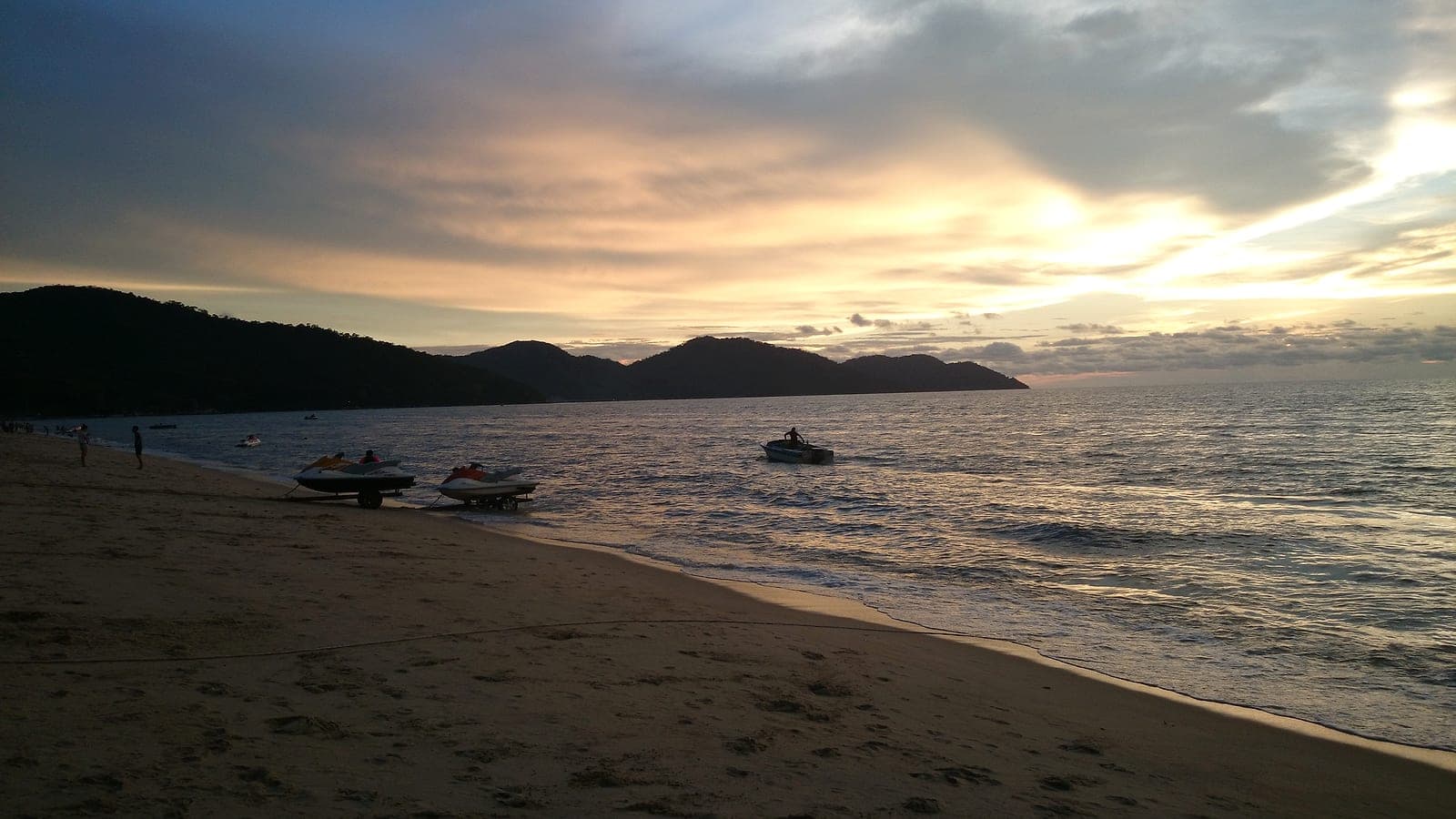
Penang is not a beach destination in the Bali or Phuket sense. The island's draw is George Town: the heritage streets, the hawker food, the density of things worth doing in a small walkable area. If someone asks you why you're going to Penang and you say "the beaches", you're probably thinking of the wrong island — Langkawi is a 35–40 minute flight away and has the turquoise water and white sand to justify that answer.
That said, Penang has beaches. The north coast has 8km of sandy shoreline with full resort infrastructure at Batu Ferringhi, a quieter fishing village end at Teluk Bahang, and a national park with two beaches accessible only by jungle trek or boat. For many visitors — families with young children, anyone who wants one beach day as part of a broader Penang trip, or people who genuinely like the resort-strip format — the beaches serve their purpose well.
This guide explains what each beach is actually like so you can decide whether it belongs in your trip.
Covers every beach on Penang's north coast: Batu Ferringhi (the resort strip), Teluk Bahang (quieter, village feel), Monkey Beach (inside the national park, pristine relative to the others), Tanjung Bungah (local, halfway point), and Tanjung Tokong (small, urban-adjacent). Practical transport, swimming conditions, and accommodation guidance throughout.
Visitors who want a beach day or beach-based accommodation as part of a Penang trip — not travellers whose primary reason for coming is the water
What Penang's Beaches Are Actually Like
The water along Penang's north coast sits in the Strait of Malacca — a semi-enclosed body of water with heavy shipping traffic and a sandy-silt seabed. The result is water that runs from pale green to brown depending on conditions, with visibility measured in arm-lengths rather than metres. After rain, it murkier. On a clear morning, it's not unpleasant — but it is not the colour of water in Thai or Maldivian travel photography.
This is not specific to Penang. The same conditions apply all the way down Peninsular Malaysia's west coast. The east coast — Redang, Perhentian, Tioman — is a different story, but those require separate travel.
What Penang's beaches do offer: wide stretches of sand, casuarina trees that provide genuine shade, warm water year-round (27–30°C), and safe conditions for family swimming on most days outside the monsoon season. The waves are small — this is a strait, not an open ocean coast — which is actually a feature if you're swimming with young children.
Best months for swimming: October to March, when the southwest monsoon has passed and northeast monsoon conditions are relatively mild on this side of the island. February to April is the calmest stretch. June to September sees rougher water from the southwest monsoon and is when jellyfish are most commonly reported.
Batu Ferringhi
Batu Ferringhi is the only stretch of Penang with serious resort infrastructure. An 8km arc of sand runs along the north coast backed by a strip of hotels — Hard Rock, Shangri-La Rasa Sayang, Bayview Beach, Holiday Inn, Copthorne Orchid — plus seafood restaurants, a nightly street market, and operators running jet skis, banana boats, and parasailing from the beach.
The beach itself is the standard Malacca Strait package: long, sandy, warm, murky. The positive read is that the sand is reasonably clean in front of the main hotels, the beach is wide enough not to feel crowded even on weekends, and the casuarina trees running behind the sand provide shade that most Thai resort beaches lack. The honest read is that you're coming for the resort infrastructure, not the water quality.
Water sports operate in front of the Rasa Sayang and Hard Rock stretches from roughly 9am to 5pm:
- Banana boat: RM 30–40 per person per circuit
- Jet ski: RM 60–80 per 15 minutes
- Parasailing: RM 100–120 per person
Walk-up pricing — no booking needed. Operators will find you on the beach. Bargaining is possible on weekdays and outside peak season. Jet ski and banana boat operators run close to the swimming zone in the afternoon; if you want to swim undisturbed, go in the morning before they set up or use the hotel pool.
The night market along Jalan Batu Ferringhi opens around 6pm every night. The majority of stalls sell replica goods — handbags, sportswear, sunglasses. The food section at the eastern end is worth the walk: char kway teow, ais kacang, grilled corn, fresh fruit. It's a good evening even if you're not buying anything. Go between 7–9pm.
Hotels: The Shangri-La Rasa Sayang and Hard Rock are the flagship properties; see the Batu Ferringhi guide for a full hotel-by-tier breakdown. Browse the complete Penang hotels directory to compare across price points.
Getting there: Rapid Penang Bus 101 or 102 from Weld Quay (Pengkalan Weld bus terminal, near the George Town ferry terminal) or from Komtar. Fare RM 3. Journey time 35–45 minutes depending on traffic. Buses run approximately every 30–45 minutes from around 6am to 11pm. See getting around Penang for full transport options including Grab (RM 25–35, 25–30 minutes).
Teluk Bahang
Teluk Bahang sits at the western end of the same bay as Batu Ferringhi — about 10 minutes further by bus. Where Batu Ferringhi is a resort strip, Teluk Bahang is a fishing village that happens to have a beach.
The development is minimal: a jetty used by fishing boats and by the boats that ferry visitors into Penang National Park, a roundabout that marks the end of the coastal road, a few seafood restaurants. The beach in front of the village is narrower than Batu Ferringhi and not particularly scenic, but the village atmosphere — fishing nets laid out to dry, boats moored at the jetty, the smell of the sea before the hotels and night market vendors arrive — is a different register from the resort strip.
The practical reason to come to Teluk Bahang is its position as the access point for Penang National Park and Monkey Beach. The park entrance is at the western end of the village; the jetty is where you board the boat to Monkey Beach if you're not walking in.
Getting there: Bus 101 or 102 from Weld Quay continues past Batu Ferringhi to Teluk Bahang roundabout. Same RM 3 fare from George Town, approximately 50–60 minutes total.
Monkey Beach (Pantai Kerachut Area)
Monkey Beach — properly called Pantai Kerachut — sits inside Penang National Park on the northwest coast of the island. Getting there requires either a 45-minute jungle trek through primary rainforest from the Teluk Bahang park entrance, or a 15-minute boat from Teluk Bahang jetty (RM 20–30 per person, typically minimum group of 4–6 to get a boat moving).
There are two beaches in this stretch of the park:
Monkey Beach is the closer of the two and the more popular with day-trippers. It's a cove with cleaner sand than the resort beaches, and the water — while still part of the Strait of Malacca — is noticeably clearer than at Batu Ferringhi, partly because there's no motor traffic, no runoff from hotel developments, and no jet skis churning the seabed. The name comes from the macaque population that lives in the surrounding forest and has learned to associate people with food. They are not aggressive if you don't have visible food, but they are bold. Don't bring open food to the beach.
Pantai Kerachut is a further 20-minute walk along the park trail from Monkey Beach. This beach is a protected green turtle nesting site — leatherback and green turtles nest here from March to October. Access to the nesting areas at night is by arrangement with park rangers. The beach itself is pristine: white sand, forest behind, and a freshwater meromictic lake (Kerachut Lake) just inland that forms a rare ecosystem where salt and fresh water don't mix. During nesting season, night visits require a permit obtained from the Penang National Park office at the Teluk Bahang entrance.
The trek in is a proper jungle walk: roots, mud in wet weather, some inclines. Wear closed shoes. Carry water — there's nothing sold inside the park until you get to the beach. The 45-minute timing assumes a reasonable pace; add 15 minutes if you're not a regular hiker or if it has rained recently.
The boat option is straightforward but weather-dependent — boats won't run in rough conditions. Ask at the Teluk Bahang jetty when you arrive; fixed-price boat trips to Monkey Beach are available throughout the day. The boat captain will agree a return time. Don't miss it — there's no other way back if the last boat has left and you don't want to walk the trail in fading light.
Entry: Penang National Park requires registration at the entrance booth. No fee for Malaysian citizens; non-citizens pay a nominal fee (approximate RM 5–10, 2026 — confirm at the gate). Bring your passport or ID.
Tanjung Bungah
Tanjung Bungah sits about halfway between George Town and Batu Ferringhi — roughly 20 minutes from either by bus. It is a local beach with minimal tourist infrastructure: a small car park, a food court that gets busy on weekend evenings, and a stretch of sand that is unremarkable but perfectly functional for a swim.
The water here is the same Strait of Malacca murk as everywhere else on the north coast. The beach is narrower than Batu Ferringhi. There are no resort hotels on the beach front (the hotels in Tanjung Bungah are set back from the water). Small waves make it safe for children.
The reason to come here is if you're staying in George Town and want a beach that doesn't require committing to a full Batu Ferringhi afternoon. It's also where Penang locals tend to go on weekend evenings — the food court fills up, families set up on the sand, and it has a genuine community feel that the tourist-facing resort strip doesn't replicate.
Getting there: Bus 101 or 102 from Weld Quay. The Tanjung Bungah stop is approximately 20–25 minutes from George Town.
Tanjung Tokong (Miami Beach)
Known locally as Miami Beach, this is a small patch of sand in the upscale residential and condo district of Tanjung Tokong — about 15 minutes north of George Town. It sits near the Gurney Drive reclamation area and is almost entirely a local facility: joggers in the morning, families on weekends, teenagers in the evenings.
There is no swimming infrastructure, no food stalls on the beach, and nothing particularly scenic about it. The water is the same as everywhere on this coast. It's useful to know about if you're staying in the Gurney or Tanjung Tokong area and want to walk to the sea, but it's not a reason to travel.
Comparing the Beaches
| Beach | Sand Quality | Water Clarity | Facilities | Crowd Level |
|---|---|---|---|---|
| Batu Ferringhi | Good | Poor–Fair | Full resort | High (weekends) |
| Teluk Bahang | Modest | Fair | Minimal | Low |
| Monkey Beach | Good | Fair–Good | None | Moderate |
| Tanjung Bungah | Modest | Poor–Fair | Basic | Local |
| Tanjung Tokong | Modest | Poor | None | Local |
"Fair" water clarity means you can see your feet in waist-deep water on a calm day. "Good" means occasional patches of visibility to 1–2 metres. None of these beaches have "crystal clear" water by any honest standard.
Penang vs Langkawi for Beaches
If the primary reason for your trip is the beach, head to Langkawi. The old direct ferry from Swettenham Pier in George Town was discontinued during the pandemic and has not resumed, so the easy hop is now a 35–40 minute flight (AirAsia or Firefly). To go by sea, travel overland to Kuala Kedah (about 1.5 hours) and take the ferry across (1 hour, around RM 25). Langkawi has the clear water, the white sand, and the beach resort infrastructure of a dedicated island destination.
Penang is worth choosing over Langkawi when: the food, heritage, and culture of George Town are the main draw; you want urban infrastructure alongside occasional beach access; or you're fitting a beach day into a broader Peninsular Malaysia trip. For most of those cases, Batu Ferringhi handles the beach requirement adequately — one afternoon, Bus 101, swim, night market, Grab back for dinner in George Town.
See Penang vs Langkawi for a full comparison.
Fitting Beaches Into Your Itinerary
For most first-time visitors, the beach works best as a day trip from a George Town base rather than a reason to relocate accommodation to Batu Ferringhi for the whole stay.
A practical structure that works: spend the first 2–3 days eating and exploring George Town, then take Bus 101 for a beach afternoon at Batu Ferringhi (swim, water sports or just the sand, night market in the evening, Grab back for dinner). If you want the Monkey Beach experience, budget a full day: bus to Teluk Bahang, boat or trek to Monkey Beach, a few hours on the sand, back before dark.
For travellers specifically wanting a beach-resort stay, Batu Ferringhi hotels make more sense than trying to commute from George Town to the beach every day. The Hard Rock and Rasa Sayang are genuine resort properties; the mid-range options are adequate.
Browse Penang itineraries for examples of how other travellers have structured multi-day trips to fit both George Town and beach time.
Day trip from George Town
Take Bus 101 from Weld Quay (RM 3, 35–45 minutes) in the morning. Swim before the jet ski operators set up. Lunch at one of the seafood restaurants on the main road. Walk the night market from 7pm. Grab back to George Town for dinner — RM 25–35, 25 minutes. This is how most George Town-based visitors experience Batu Ferringhi, and for a lot of people, one day covers it.
Keep reading
Guides that pair well with this one.
Batu Ferringhi Guide: Penang's Beach Strip Explained
Batu Ferringhi has Penang's best beach hotels, a famous night market, and water sports — 30 minutes from Georgetown by bus. Here's what to expect.
9 min readexperienceDiving & Snorkelling Near Penang: Best Sites, Operators & Getting There (2026)
Penang's own waters are not the main draw, but Pulau Payar Marine Park is 90 minutes away by boat. A practical guide to diving and snorkelling options from Penang island.
5 min readtravelFree Things to Do in Penang: A Practical Guide to Exploring Without Spending
The best free activities in Penang — heritage walks, street art, temples, beaches, and markets. Honest about what costs and what genuinely doesn't.
11 min readtravelPenang Honeymoon Guide: Romantic Hotels, Experiences & Restaurants (2026)
Planning a honeymoon in Penang? Heritage boutique hotels, candlelit dinners in George Town, sunset views, and beach escapes — a practical romantic guide for couples.
7 min read