On this page
3 Days in Penang: The Best Short-Trip Itinerary
Three focused days in Penang — the George Town hawker trail, the heritage zone on foot, Penang Hill, a half-day in Balik Pulau, and the meals that justify coming here in the first place.
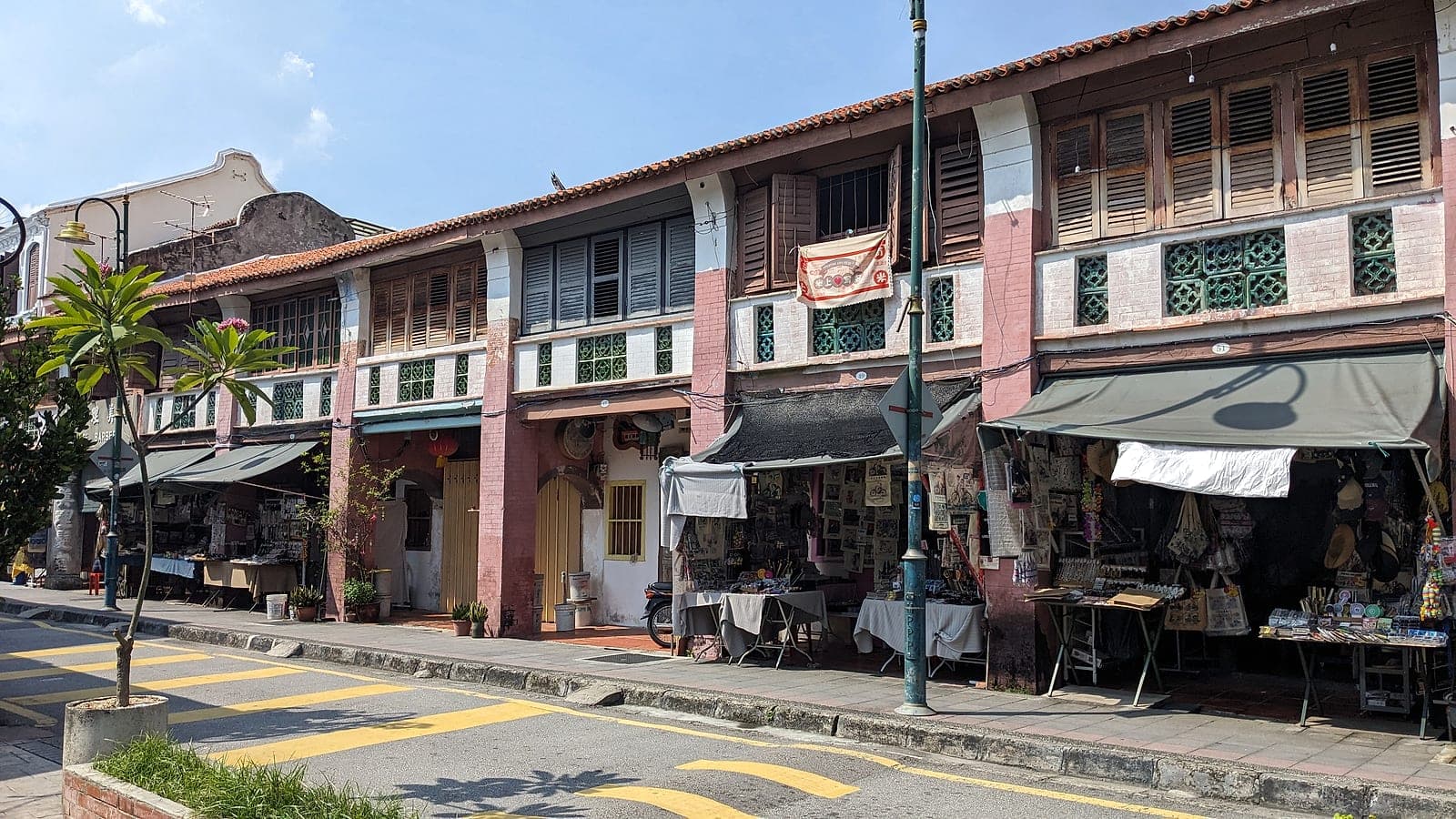
Three days is enough for Penang if you use them well. Not enough to go deep into every corner — the island rewards a week — but enough to eat through the essentials, walk the heritage zone properly, get out to Penang Hill, and leave with a clear sense of what makes this place worth returning to.
This itinerary assumes you're arriving in the morning of Day 1 and departing the evening or morning of Day 4. It's structured for first-timers but works just as well for repeat visitors who want a focused short stay.
Base yourself in George Town's heritage zone for all three nights. The food and streets that justify the trip are here. Batu Ferringhi is for beach days and makes more sense on a longer trip.
Travellers with exactly 3 days in Penang — whether arriving from KL on a weekend, passing through on a longer Malaysia loop, or combining with a short trip to Langkawi or the Cameron Highlands.
Where to Stay
Three nights in George Town. The heritage zone clusters around Armenian Street, Lebuh Leith, and the lanes between them. The boutique shophouse hotels here — Nishi, Muntri Mews, the Edison — put you within walking distance of everything on this itinerary.
- Budget (RM 80–150/night): Ryokan Muntri, 23 Love Lane Guesthouse, Campbell House (heritage budget rooms)
- Mid-range (RM 180–350/night): Nishi Heritage Hotel, The Edison, Clove Hall
- High end (RM 400–800/night): Seven Terraces, Cheong Fatt Tze – The Blue Mansion, E&O Hotel
Book ahead for weekends — the boutique heritage hotels have limited rooms and fill quickly.
Day 1 — George Town: The Food and the Streets
7:30am — Kopitiam breakfast
Start the way George Town starts. Find a Hainanese kopitiam — the old open-fronted coffee shops that have been serving the same breakfast since the 1940s. The correct order: kopi (coffee brewed through a flannel sock filter with sweetened condensed milk), half-boiled eggs with kicap manis and white pepper, and kaya toast on charcoal-grilled bread. The whole thing costs RM 8–12.
Reliable choices: Sin Guat Keong on Lebuh Carnarvon or Toh Soon on Jalan Campbell (the one in a covered lane).
9:00am — Clan Jetties
Walk down to Weld Quay and the Chinese clan jetties — six clusters of wooden stilt houses built over the Straits by the clans who settled in Penang in the 19th century. Chew Jetty is the largest; Tan Jetty and Lee Jetty are quieter. The families still live here. Free to walk; take 45 minutes.
10:30am — The Heritage Zone Core Loop
The UNESCO heritage zone is walkable. The circuit most worth doing: from the Esplanade along Lebuh Farquhar past the E&O Hotel, left into Lebuh Leith, through Love Lane (the old red-light district, now guesthouse territory), across to Armenian Street, and back along Lebuh Penang.
Armenian Street in the morning before the tourists arrive: the Malay kampung, the old Chinese clan houses, the mural trails. The Khoo Kongsi clan temple at the end of Cannon Square is the best-preserved Chinese clan house in Southeast Asia — the carved timber screens, the granite pillars, the painted ceiling — worth 30 minutes. (Entry: RM 10)
12:30pm — Hawker lunch at Lebuh Kimberley
Lebuh Kimberley is the lunch-hour centre. A street of hawker stalls that have been serving the neighbourhood since the 1960s. The priorities: char kway teow (flat rice noodles stir-fried with high heat, cockles, lap cheong sausage, and a handful of beansprouts in a blackened wok) and cendol from the cart that has been in the same spot for 40+ years. Budget RM 20–25.
2:30pm — Sri Mahamariamman Temple + Kapitan Keling Mosque
The stretch of Jalan Masjid Kapitan Keling contains three of George Town's great religious buildings within 200 metres of each other: Kapitan Keling Mosque (1801, the oldest mosque in Penang), Sri Mahamariamman Temple (1833), and the Sri Ganesh Devasthanam. The coexistence of these three architecturally distinct, religiously separate buildings — side by side on the same street — is one of the things that makes the heritage zone worth understanding.
4:30pm — Cheong Fatt Tze – The Blue Mansion
The 38-room mansion on Lebuh Leith — built by a Hakka merchant prince in the 1890s, painted in the indigo blue that Chinese tradition uses to ward off evil — is the most architecturally significant building in the UNESCO zone open to the public. Guided tours at 11am and 2pm (confirm times). The tour covers the feng shui logic of the layout, the building materials brought from China and Scotland, and the family history. 45 minutes. (Entry: RM 25 including guide)
7:30pm — Dinner at Gurney Drive Hawker Centre
Gurney Drive is the most famous hawker centre in Penang and the most touristy. The food is good enough for a first night; it is the atmosphere — 60 stalls across an open-air promenade, a thousand people eating simultaneously — that makes it the right introduction. Have Penang laksa (the sour, mackerel-based version that is entirely different from the KL variety), rojak (fruit and tofu in a dark prawn paste dressing), and a bottle of 100 Plus for the sugar.
Day 2 — Penang Hill + Kek Lok Si + Nasi Kandar Night
8:00am — Penang Hill
The funicular opens at 6:30am. Get there early: the queue for the first cars of the day is short; by 10am it can be 45 minutes. The 5.5 km ride to the summit takes 8 minutes and climbs 821 metres. At the top: air 5–8°C cooler than the city, views over both coasts of the island, colonial-era bungalows, and the Bellevue Hotel that has been serving tea on this hillside since 1923. Spend 90 minutes on the hill. (Return ticket: RM 60 adults / RM 30 children)
Take Rapid Penang Bus 204 from the Komtar bus terminal (RM 1.50) or a Grab.
11:00am — Kek Lok Si Temple
20 minutes from Penang Hill base by Grab, Kek Lok Si is Southeast Asia's largest Buddhist temple — a hillside complex built from the 1890s onwards, topped by the 30-metre Kuan Yin statue visible from the expressway. The main pagoda (seven storeys; entry RM 2) is the best-preserved part; the bronze Kuan Yin statue at the summit is reached by cable car (RM 5) and has the best 360-degree views on the island on a clear morning.
Spend 90 minutes. The temple is busy on weekends and Buddhist holidays; the covered walkway up from the lower entrance is crowded. The gardens above the main pagoda, past the lift, are quieter.
1:30pm — Lunch in Air Itam
The hawker stalls in the Air Itam area around the base of the hill serve laksa that locals consider the benchmark version — sour, hot, heavy with mackerel and shrimp paste, topped with cucumber and torch ginger flower. RM 8 per bowl. Eat here rather than the tourist-adjacent stalls at the temple base.
3:30pm — Return to George Town + Armenian Street afternoon
By mid-afternoon the morning crowds have thinned from Armenian Street. The bookshops, the batik studios, the art galleries in restored shophouses are all open and un-rushed. The Hin Bus Depot on Jalan Gurdwara (15 minutes walk south) is the arts hub of George Town — street art, independent coffee shops, studio spaces in a converted British bus depot.
8:00pm — Nasi Kandar at Line Clear
Nasi Kandar Line Clear, on Jalan Penang (Lorong Penang), has been open since 1959. It runs from late evening until dawn. The format: rice from a large tray, a selection of curries spooned over the top — fish head, mutton, squid, chicken drumstick, vegetables — for RM 12–15. The queue at midnight on a weekend is the price of admission. Go at 8pm for a shorter wait or midnight for the full experience.
Day 3 — Balik Pulau, the Interior, and Final Morning
9:00am — Drive to Balik Pulau
Hire a Grab or scooter and cross to the western coast. The 30 km drive through the interior — past rubber estates, durian orchards on hillsides, and Hokkien farming villages — takes 45 minutes and looks nothing like George Town. Balik Pulau town has a small morning market and the famous Balik Pulau laksa: a darker, richer version of the city variant, served from a stall that opens at 7am and closes when it runs out (usually by 11am). This is worth the drive on its own.
11:00am — Durian, if in season (May–August)
The hillside orchards above Balik Pulau town produce Musang King, D24, and Black Thorn durians. From May through August, roadside stalls set up along the access roads — buy a fruit, sit at a plastic table under the trees, open it. This is the correct way to eat durian in Penang.
1:00pm — Drive back along the coast road
Take the scenic route back: through Teluk Bahang and along the north coast to Batu Ferringhi. The drive is 45 minutes. If you want a beach stop, Batu Ferringhi's main beach is reasonable for a half-hour swim. The water is warm; the beach is clean in the morning.
3:00pm — Return to George Town
Final hours in the heritage zone. The Peranakan Mansion on Church Street (RM 25 entry) is worth visiting if you haven't — 2,000 artefacts from the Straits Chinese families who formed the merchant class of colonial Penang. Or walk the Ghaut lanes (Gat Lebuh Armenian, Gat Lebuh China) that run perpendicular to the waterfront — the quietest and least-photographed part of the heritage zone.
6:30pm — Sunset at the Esplanade
The esplanade in front of Fort Cornwallis faces west across the Straits to Butterworth. The last 30 minutes of light over the water, with the car ferries crossing and the fishing boats heading out — this is the place to sit before a final dinner.
8:00pm — Final dinner: your choice
If you want a proper restaurant: Kebaya at Seven Terraces (Nyonya, formal, book ahead) or Macalister Mansion's dining room (contemporary Malaysian tasting menu). If you want one more hawker session: Red Garden off Lebuh Leith, or the Kimberley Street stalls in the evening. End with cendol from the Sri Ananda Bahwan dessert counter or the Penang Road Famous Teochew Chendol cart.
Practical Notes
Getting around: Walk within the heritage zone. Grab for anywhere outside it (Penang Hill, Balik Pulau, Batu Ferringhi). Rapid Penang buses cover the main tourist routes for RM 1.50–4.
Money: Most hawker stalls are cash-only. Bring RM 200 in small notes. Mid-range restaurants and hotels accept cards. ATMs at Maybank and CIMB in the heritage zone.
What to eat minimum: Penang char kway teow, Penang assam laksa, chendol, nasi kandar, half-boiled eggs with kopi at a kopitiam, and otak-otak from a roadside stall. If you leave without eating all five, come back.
Budget per day: RM 120–200 (budget guesthouse + all hawker) / RM 300–450 (mid-range hotel + mix of hawker and restaurant) / RM 600+ (boutique heritage hotel + restaurant dinners).
Day 4 morning (if departing afternoon): One more kopitiam breakfast. Same order as Day 1. This is Penang's gift to slow travellers — the ritual of the morning coffee that stays the same whether you've been here three days or three months.
Keep reading
Guides that pair well with this one.
7 Days in Penang: The Complete Itinerary
A full week in Penang done properly — George Town's heritage zone, hawker breakfasts, Balik Pulau countryside, Batu Ferringhi, hill walks, day trips, and the meals that make the island worth returning to.
12 min readplanningPenang from Singapore: The Complete Day Trip and Weekend Guide
Penang is 55 minutes from Singapore by air. Here's how to do it in a day, what to do on a long weekend, and which flights, hotels, and food stops to prioritise.
7 min readplanningFirst Time in Penang? Everything You Need to Know
The essential guide for first-time Penang visitors. What to see, where to stay, how to get around, what to eat, safety, weather, and a practical 5-day itinerary.
8 min readpracticalPenang Travel Tips: 25 Things to Know Before You Go (2026)
First-time Penang trip? 25 specific, no-fluff travel tips on money, transport, food, weather, etiquette, SIMs, and the things tourists consistently underestimate.
11 min read