On this page
George Town Street Art Guide: Every Mural Worth Finding (2026)
A street-by-street guide to Penang's famous murals — Zacharevic's iron cartoons, the Armenian Street pieces, and how to walk the full trail in half a day.
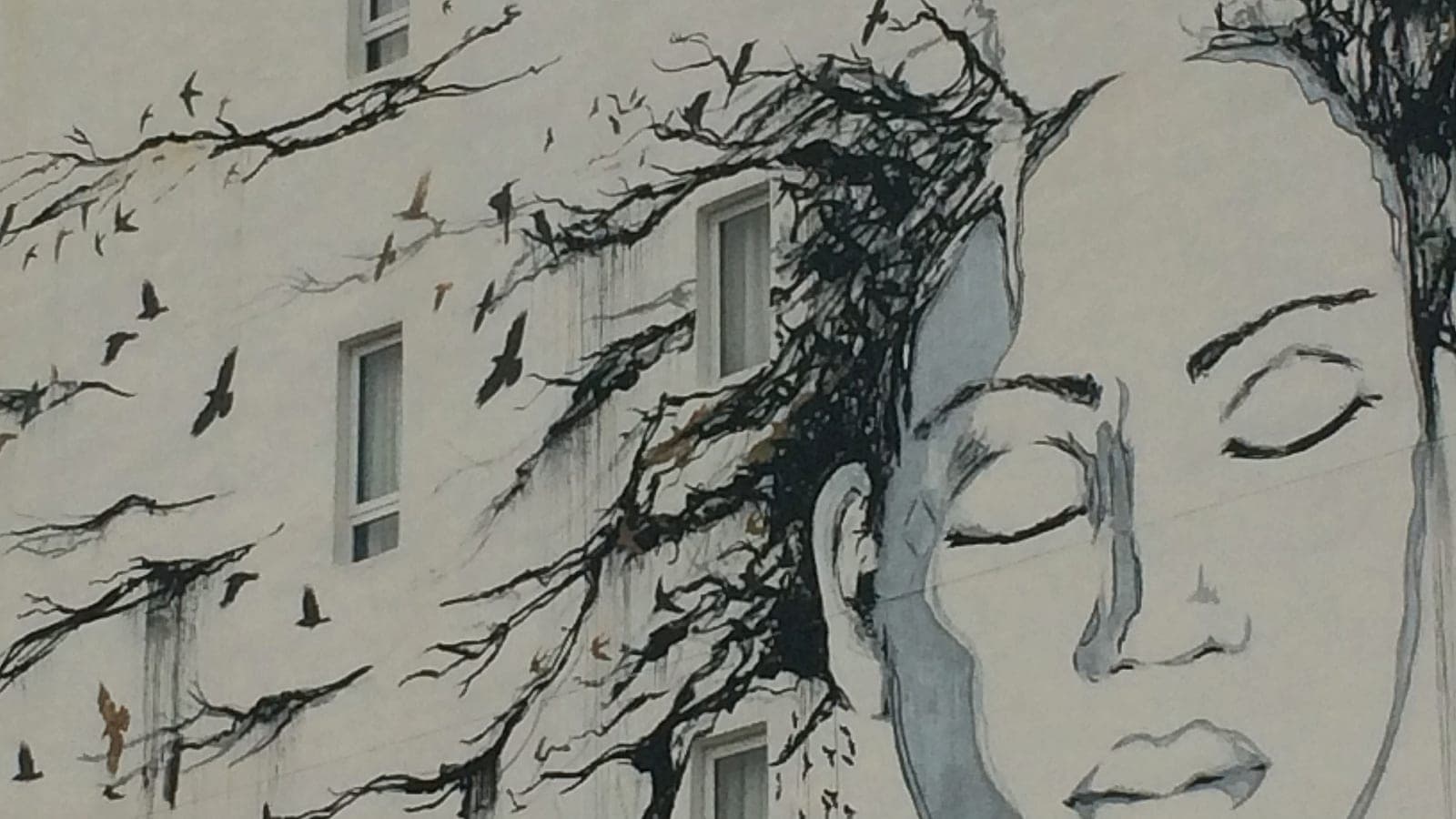
George Town's street art is famous across Southeast Asia, but most visitors see only a fraction of it — the queue at the bicycle mural on Armenian Street, a selfie with a 3D trompe l'oeil near the ferry terminal, and then lunch. The actual trail is wider, historically denser, and takes about three hours to walk properly if you know where you're going.
This guide covers the full picture: Ernest Zacharevic's original 2012 pieces (precise addresses), the rod-iron installations that most tourists walk past, the later wave of 3D murals, and a practical walking route that puts them in order.
This guide is built around location precision. Every piece has a street address or intersection. The walking route is ordered to minimise doubling back.
Photographers, art lovers, and anyone who wants to walk the full mural trail methodically rather than stumbling across pieces by accident
How It Started: The 2012 Commission
In 2012, George Town Festival commissioned Lithuanian-born artist Ernest Zacharevic to create a series of large-scale murals across the UNESCO heritage zone as part of the Arts of the Streets project. The brief was specific: the murals should be integrated with the buildings, not just applied to them. Figures painted in Zacharevic's loose, sketchy style were to interact with real objects — an actual bicycle welded to a wall, a real swing frame, actual wrought-iron chair legs — so that passing residents and curious visitors could participate physically in the art.
The six pieces he completed exceeded every expectation. Within a year, George Town was on international photography lists. Within two years, imitators had added dozens of further murals, mostly 3D optical illusions aimed squarely at selfie culture. The original Zacharevic pieces and the secondary wave are distinct in quality and intent; this guide treats them separately.
Zacharevic's Original Pieces
These are the six works that started everything. Most are still in reasonable condition in 2026, though "reasonable" varies — see the condition notes below.
Children on Bicycle — 89 Armenian Street
The most photographed piece in Penang. Two children rendered in monochrome paint, riding a real steel bicycle welded to the whitewashed wall of a shophouse at 89 Lebuh Armenian. The bicycle is genuine — rusting, bolted through the plaster, part of the composition rather than a prop. Visitors straddle the bicycle to photograph themselves "riding" with the painted children; by mid-morning on weekends there is a queue.
Condition in 2026: good. The wall is repainted periodically and the bicycle has been maintained. This is the piece most likely to look like the photographs you've seen.
Boy on Motorbike — Lebuh Armenian / Lebuh Cannon junction
A single painted boy on a real motorbike frame, at the corner where Lebuh Armenian meets Lebuh Cannon. Less crowded than the bicycle piece because it's a 3-minute walk further west and easy to miss if you're following the tourist cluster around the main Armenian Street stretch. The figure is painted in the same looser style as the bicycle children — confident gestural lines, no attempt at photorealism.
Little Children on a Chair — Lorong Stewart
Two siblings — a boy and a girl — sitting on a chair with a real wrought-iron frame. Lorong Stewart runs parallel to Armenian Street one block north; the mural is on the south-facing wall of a shophouse approximately 100 metres from the Lebuh Armenian end. The chair's metal legs extend out from the wall as functional, touchable elements. Condition as of 2026: faded. This is one of the pieces that has deteriorated most significantly — the paint has lightened considerably and some details have washed out. It's still worth finding, but manage expectations against older photographs.
Girl on a Swing — Lebuh Ah Quee
A girl on a real rope swing, the rope physically attached to the wall above the painting. Lebuh Ah Quee runs roughly north-south two blocks east of Armenian Street. The swing is still functional — visitors use it. This piece gets a fraction of the traffic of the Armenian Street murals despite being equally accomplished. Best light is morning.
Reaching Up — Lorong Muntri
A boy stretching upward, arms extended, painted on the wall of a shophouse on Lorong Muntri. Visitors over the years have added small graffiti additions to the surrounding wall — some complementary, some less so. Zacharevic himself has responded to some imitation murals around Penang with bemused commentary; the organic additions to Reaching Up are part of its evolving character. Condition: good.
Georgetown
UNESCO World Heritage Zone
All five pieces can be walked in under 90 minutes. Start at 89 Lebuh Armenian (Children on Bicycle), work west to the Lebuh Cannon junction, then north to Lorong Stewart, east to Lorong Muntri, and south to Lebuh Ah Quee. The loop is roughly 2.5km and navigable without a map if you keep the sequence in mind.
The Rod-Iron Installations: The Part Most People Miss
Running alongside the Zacharevic murals — and often right past them — are 52 flat steel rod sculptures mounted at eye level on walls, posts, and the sides of shophouses across the heritage zone. These were part of the same 2012 Arts of the Streets project, created by Sculpture at Work alongside Zacharevic's paintings.
They are not decorative. Each installation depicts a specific piece of George Town's social history at or near the location where that history happened. On Armenian Street, the installations explain the Ghee Hin and Hai San secret society rivalries that shaped the 19th-century town — the trade in copra, gambier, and opium that funded the great clan houses, the kongsi conflicts that occasionally turned violent. The installations use the same visual shorthand as political cartoons: flat, two-dimensional figures in bent rods, positioned so you can read the scene in five seconds or study the detail for five minutes.
Because they're small — roughly A3 to A4 in size, often mounted just above head height on a plain wall — they're easy to walk past. Most tourists photographing the Zacharevic murals miss the rod installations entirely, even when they're within three metres of each other.
Good clusters to look for:
Armenian Street precinct — 8 to 10 installations within a 400-metre stretch. The Ghee Hin/Hai San series and the copra trader scenes are here.
Lebuh Chulia corridor — Colonial-era trades and occupations: letter-writers, money changers, provision shop owners. The installations here depict the Chulia Street of the 1910s–1940s.
Jalan Masjid Kapitan Keling — Multi-religious heritage themes, positioned near the mosque, temple, and church cluster.
The Penang Tourism office on Lebuh Pantai distributes a free printed map showing all 52 locations. It is worth collecting before you start — the installations are not on standard mapping apps.
The 3D Optical Illusion Murals: A Separate Category
After 2014, a second wave of murals appeared across George Town — primarily 3D trompe l'oeil pieces designed for selfie photography. These are concentrated near Pengkalan Weld (the ferry terminal area) and along the Esplanade waterfront. A mermaid emerging from a wall, a giant crab, a couple in a painted canoe.
They exist in a different register from the Zacharevic work. The 3D pieces are explicitly tourist-facing — you stand in a marked spot to align the perspective correctly, photograph yourself apparently inside the scene, and move on. There's no particular historical context and no integration with the street's social life.
Condition in 2026: variable to poor. Several of the 3D pieces near the ferry terminal have faded significantly or been partially damaged. If your main interest is photography or art, these are not worth prioritising. If you're visiting with children who want to photograph themselves apparently wrestling a shark, they're fine.
The Walking Route (Half a Day)
This sequence covers the Zacharevic pieces, the densest clusters of rod installations, and the 3D mural area, in an order that minimises backtracking. Allow 2.5 to 3 hours at a comfortable pace, more if you want to stop for coffee.
Start: Pengkalan Weld (ferry terminal). The 3D murals are concentrated here — do them first before the tourist rush builds. The ferry terminal area is also where to pick up context: the Esplanade and Fort Cornwallis are 5 minutes north on foot.
Walk north on Lebuh Light to the Penang Tourism office on Lebuh Pantai. Collect the free rod installation map if you want to track all 52.
Turn onto Lebuh Armenian heading west. This is the main stretch — Children on Bicycle at number 89, rod installations throughout. The Kuan Yin Teng temple at the eastern end of Armenian Street is the oldest Chinese temple in Penang (1728) and worth the 10-minute stop if temples are on your list.
Continue west to the Lebuh Cannon junction for the Boy on Motorbike mural.
Head north one block to Lorong Stewart for Little Children on a Chair. From Lorong Stewart, Lorong Muntri is a parallel street immediately north — walk west along it for the Reaching Up mural.
Loop south and east to Lebuh Ah Quee for Girl on a Swing. Lebuh Ah Quee runs south from Lorong Muntri.
Total distance: approximately 2.5 to 3km. The shophouse five-foot ways provide shade for roughly 60% of the route.
Best time to walk
Arrive at Armenian Street by 8am. The murals face various directions but morning light is generally kind, and the crowds — particularly at Children on Bicycle — are manageable before 9am. By 10am on weekends, the bicycle piece has a queue of 10 to 20 people. Weekdays are significantly quieter at all times.
Photography Notes
Children on Bicycle (89 Armenian Street): The wall faces roughly north-northwest. Overcast days give the most even light; direct sun in the afternoon creates harsh shadows from the protruding bicycle. Shooting from across the narrow street gives you the whole composition — step to the far kerb. The lane is only about 6 metres wide.
Lorong Stewart pieces: This lane is narrow and often shaded. A fast lens (f/1.8 or faster) is useful here; the light can be quite low even at midday.
General: The Zacharevic murals are painted on the exterior walls of functioning shophouses with residents living above. The five-foot ways are public space; the shophouse interiors are not. Keep this in mind with cameras and noise. These are not gallery installations — they're on working buildings in a residential and commercial street.
Wide-angle lenses (24–35mm equivalent) work better than telephoto for most pieces because you're often close to the wall on a narrow street. A 50mm gives you a naturalistic perspective if you can get across the street; longer focal lengths are generally too compressed for the full-mural shots.
Condition Summary (2026)
| Piece | Location | Condition |
|---|---|---|
| Children on Bicycle | 89 Lebuh Armenian | Good — regularly maintained |
| Boy on Motorbike | Lebuh Armenian / Lebuh Cannon | Good |
| Reaching Up | Lorong Muntri | Good |
| Girl on a Swing | Lebuh Ah Quee | Good — rope maintained |
| Little Children on a Chair | Lorong Stewart | Faded — manage expectations |
| 3D murals (ferry terminal area) | Pengkalan Weld / Esplanade | Variable to poor |
After the Trail: Food Within 5 Minutes
Oon Kee Cheong Fun — 98 Armenian Street. Steamed rice rolls (cheong fun) from a stall that has been at this address for decades. Opens at 7am. The char siew (BBQ pork) version is the one to order. Cash only; sell out by 10am most days.
Toh Soon Cafe — Lorong Campbell (5-minute walk from Armenian Street, heading north past Lebuh Chulia). A legendary coffee shop operating from inside a narrow pre-war shophouse. Fresh eggs, kaya toast, and the kind of kopi that is half condensed milk by volume. Opens 7:30am. Cash only. The lunchtime queue can be long; if you're there before 9am, you'll be fine.
Local tip
The rod-iron installations are the most under-visited element of the whole street art system. If you spend the full three hours and cover both the Zacharevic murals and the rod installation map, you leave with a more complete picture of what the 2012 Arts of the Streets project was actually trying to do — and a set of photographs that most visitors to Penang never take.
Navigation
The Zacharevic murals are not reliably pinned in Google Maps. The most practical approach: navigate Waze or Google Maps to "Armenian Street, George Town" and walk from there using this guide as your reference. The Penang Tourism office map (free, Lebuh Pantai) covers all 52 rod installations and most of the major murals. A WeChat mini-program version of the trail map is also available for those who use WeChat.
The entire heritage zone is walkable — no tuk-tuks or transport required once you're on Armenian Street. If arriving by car, park at the open-air lots near the Esplanade on Jalan Tun Syed Sheh Barakbah; walking from there to Armenian Street takes about 10 minutes.
Keep reading
Guides that pair well with this one.
Armenian Street George Town — Complete Guide
Lebuh Armenian is the most-photographed street in Penang. Here's what's actually on it, what's nearby, and how to see it without just following the mural trail.
7 min readphotographyBest Photography Spots in Penang: A Location-by-Location Guide (2026)
The definitive photography guide to Penang. Ernest Zacharevic murals, Cheong Fatt Tze Blue Mansion, Clan Jetties at sunrise, Penang Hill at golden hour, and hidden heritage lanes — with exact locations, best light times, and practical tips.
9 min readcultureGeorge Town Heritage Walk: Self-Guided Route Through the UNESCO Zone
A 3-hour self-guided walk through George Town's UNESCO World Heritage core — clan jetties, shophouses, temples, mosques, and street art with exact directions.
12 min readculturePenang Architecture Guide: Shophouses, Colonial Mansions & Heritage Streets (2026)
George Town has more surviving pre-war architecture than almost any city in Southeast Asia. Here's how to read the buildings — what each style means, and which streets are worth walking.
8 min read