On this page
Best Places to Visit in Malaysia (2026): An Honest Guide by Traveller Type
Malaysia has jungle, beaches, colonial cities, and the world's best street food. Here's where to go based on what you actually want from a trip.
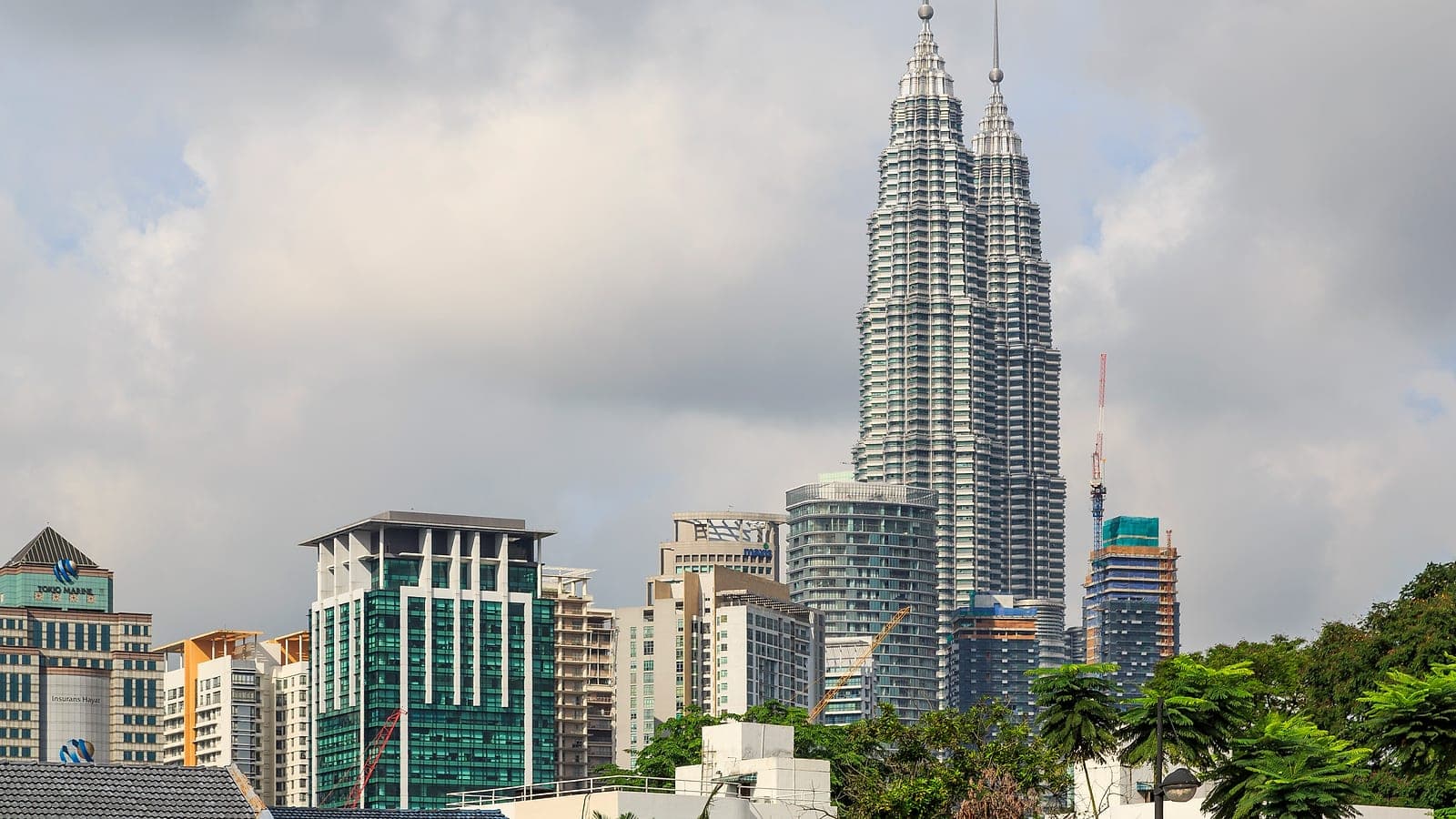
Malaysia is easy to visit and hard to plan. The country contains some of the world's most biodiverse rainforest, two of Southeast Asia's best colonial heritage cities, a coastline split between the Andaman Sea and the South China Sea, and a food culture that regularly appears on lists of the world's best. The problem is that none of these things are in the same place.
This guide doesn't rank Malaysia's destinations. It maps them to what you're actually after — because "best place in Malaysia" has a different answer depending on whether you want a beach, a plate of char kway teow, or a proboscis monkey.
Malaysia's destinations fall into four categories: food and heritage cities (Penang, Ipoh, Melaka), island beaches (Langkawi, Perhentian, Tioman), jungle and wildlife (Borneo — Sabah and Sarawak — Cameron Highlands, Taman Negara), and modern city (Kuala Lumpur). Most visitors combine two or three categories across 7–14 days.
If You Want the Best Food in Southeast Asia → Penang
No other city in Malaysia — and arguably no other city in Southeast Asia of comparable size — matches Penang for the density and quality of its street food. George Town's hawker stalls, kopitiams, and nasi kandar restaurants operate at a level that has been maintained across three and four generations. This is not preserved tourist food. These are working places where locals eat breakfast at 7am and supper at 11pm.
The dishes to build a trip around: char kway teow (flat rice noodles, cockles, Chinese sausage, intense wok heat — the version at Lorong Selamat is made by the same family for over 30 years), assam laksa (sour tamarind fish broth unlike anything else in the region; Air Itam market is the reference), Hokkien mee (rich prawn-broth noodle soup, not the fried version in Singapore — completely different dish), nasi kandar (rice with layered curries; Hameediyah on Campbell Street has been open since the 1940s), and cendol (shaved ice, coconut milk, palm sugar; RM 4–6 at Penang Rd Famous Teochew Chendul).
Penang's food is also cheap. A hawker meal costs RM 6–12. You can eat extraordinarily well on RM 40–50/day.
Runner-up for food: Ipoh, 2 hours south of Penang by bus. White coffee, bean sprout chicken, and dim sum at a standard that most KL restaurants don't reach. Ipoh works as a day trip from Penang or a 1-night stop between Penang and KL.
Minimum time in Penang: 3 days. Comfortable at 4–5.
If You Want Beaches → It Depends on Budget and Standards
Malaysia's beaches range from world-class to unremarkable, and picking the wrong one is the most common planning mistake. Here's how it breaks down:
Budget and backpacker: Perhentian Islands. Off the east coast of Peninsular Malaysia, the Perhentians (Perhentian Kecil for backpackers, Perhentian Besar for slightly more comfort) have crystal-clear water, good snorkelling, and a genuine off-grid feel. Accommodation runs RM 80–150/night in simple bungalows. No cars, no ATMs — bring cash. Access: fly to Kota Bharu (or take a bus from KL or Penang), then a 45-minute boat from Kuala Besut. The islands are only accessible during the non-monsoon season, roughly March–October.
Mid-range and family: Langkawi. Malaysia's main island resort destination on the Andaman Sea, northwest of Penang. Duty-free island (alcohol is significantly cheaper), international-standard resorts, and a good beach infrastructure — Pantai Cenang and Pantai Tengah are the main strips. Tanjung Rhu on the northeast coast is remote and genuinely beautiful. Access: flight from KL, Penang, or Singapore (30-minute flight from Penang); the direct Penang–Langkawi ferry is discontinued, so the sea route now runs overland via the Kuala Kedah / Kuala Perlis ferry. Mid-range hotels run RM 200–500/night.
Diving and remote: Borneo (Sabah coast). The Semporna Archipelago in eastern Sabah — particularly the reefs around Sipadan Island — is one of the top five dive sites in the world by most rankings. Non-divers can visit Mabul Island for reef snorkelling; divers need to book Sipadan permits in advance (only 120 divers/day allowed). This is a serious trip requiring commitment, but the marine life is exceptional.
Near Penang: Batu Ferringhi is fine for an afternoon. The beach is clean and wide; the water is warm. It is not a patch on Langkawi or the east coast islands. If your trip is Penang-based and the beach is a secondary interest, it does the job. If the beach is your primary reason for coming to Malaysia, go elsewhere.
If You Want Jungle and Wildlife → Borneo
Malaysian Borneo (Sabah and Sarawak) is the most biodiverse place most visitors will ever stand in. The wildlife alone justifies the trip: proboscis monkeys, pygmy elephants, orangutans, sun bears, and more hornbill species than anywhere else on earth.
Sabah highlights: The Kinabatangan River is the single best wildlife-watching destination in Malaysia — a river cruise through lowland rainforest where elephants wade into the water and proboscis monkeys sleep in riverside trees. Sepilok, near Sandakan, has both the Orangutan Rehabilitation Centre and the Bornean Sun Bear Conservation Centre within 2km of each other; this is a legitimate full day. Mount Kinabalu (4,095m) is Southeast Asia's highest peak — a two-day climb accessible to fit walkers without technical equipment. Permits and huts book out months in advance.
Sarawak highlights: Kuching is the most liveable city in Borneo — good food, colonial architecture, and a base for the Bako National Park (accessible by boat; proboscis monkeys are almost guaranteed). Mulu National Park, a UNESCO site, contains the Sarawak Chamber (largest cave in the world by area) and massive bat exodus events at dusk.
Minimum time: 5–7 days to see Sabah properly. Combine with a Sarawak extension for 10 days.
For jungle without flying to Borneo: Cameron Highlands, 3.5 hours by bus from KL or 3.5 hours from Penang. Tea plantations at 1,500m elevation, cool climate, strawberry farms, and mossy forest trails. A softer, more accessible version of Malaysia's highland nature. Good for 1–2 nights.
If This Is Your First Time in Southeast Asia → KL + Penang
The standard first-time Malaysia trip is Kuala Lumpur plus Penang, and it works because the two cities complement each other without overlapping.
KL handles the Southeast Asia first-impression well: the Petronas Twin Towers skyline, Batu Caves (a Hindu temple at the top of 272 steps, free, 30 minutes by Grab from the city centre), the Central Market area for craft shopping, and an efficient, air-conditioned MRT system that makes it easy to navigate. KL's food scene is good — the hawker centres in Chow Kit and the nasi lemak at Nasi Lemak Wanjo on Jalan Raja Musa Aziz are both worth the trip — but the city doesn't rival Penang for hawker culture.
Penang does the things KL doesn't: George Town's UNESCO heritage streets, 400 years of Straits Chinese, Indian, and Malay layering, food stalls that have been in the same family for generations, and a walkability that KL doesn't have. Visit the Penang Tourism Board for official event calendars and local information.
The ETS train between KL Sentral and Butterworth (Penang mainland) takes 3.5 hours and costs RM 42–60. With the short ferry to George Town (RM 1.20, 10 minutes), it's a scenic and easy connection. Many visitors fly one way, train the other.
Suggested first-time itinerary: 3 nights KL → 4 nights Penang → fly home from Penang. Adjust to 4 + 5 if you have 9+ days.
If You Want to See as Much as Possible → Two-Week Grand Tour
For visitors with 12–14 days who want to cover Malaysia's range, the two standard routes:
Option A — Peninsula grand tour: KL (3 days) → Penang (3–4 days) → Langkawi (3 days) → Cameron Highlands (1–2 days) → fly home from KL. Mix of city, food/heritage, beach, and highland nature. All accessible by flight or ETS train.
Option B — Peninsula + Borneo: KL (2 days) → Penang (3 days) → fly to Kota Kinabalu, Sabah (5–6 days) → fly home. Covers Penang's food and George Town, then Borneo wildlife. More ambitious but very achievable.
For Option A, the ETS train does the KL–Penang and Penang–KL legs well. A short 35–40 minute flight makes the Penang–Langkawi transition easy (the old direct ferry from Swettenham Pier is discontinued; the sea route now runs overland via the Kuala Kedah ferry). Cameron Highlands is best reached by bus from Penang (3.5–4 hours) or from KL (3.5 hours by bus via Ipoh). For the two-week route in full detail see the Malaysia 2-week itinerary guide.
Quick Destination Reference
| Destination | Best for | Minimum days | Cost level | Getting there |
|---|---|---|---|---|
| Kuala Lumpur | First-time SEA, skyline, shopping | 2–4 | $$ | Direct international flights |
| Penang | Food, heritage, culture | 3–5 | $ | Fly from KL/SIN or ETS + ferry |
| Langkawi | Beaches, island life, duty-free | 3–5 | $$–$$$ | Fly from KL/Penang (or ferry via Kuala Kedah) |
| Perhentian Islands | Budget beach, backpacker, snorkelling | 3–5 | $ | Fly to Kota Bharu + boat |
| Cameron Highlands | Highland nature, tea, cool air | 1–2 | $ | Bus from KL (3.5h) or Penang (3.5h) |
| Sabah (Borneo) | Wildlife, jungle, diving, Mt Kinabalu | 5–7 | $$–$$$ | Fly to Kota Kinabalu |
| Sarawak (Borneo) | Caves, orangutans, longhouse stays | 4–6 | $$–$$$ | Fly to Kuching |
| Melaka | Heritage day trip, food, history | 1–2 | $ | Bus from KL (2h) |
| Ipoh | Food day trip, colonial streets | 1 | $ | Bus from Penang (2h) or KL (2h) |
Cost key: $ = under RM 200/day including accommodation; $$ = RM 200–400/day; $$$ = RM 400+/day
For full Malaysia tourism resources see Tourism Malaysia.
Decided on Penang? Plan your trip here →
Keep reading
Guides that pair well with this one.
Penang vs Langkawi: Which Is Right for Your Malaysia Trip?
Honest comparison of Penang and Langkawi across food, beaches, cost, nightlife, and accessibility. Includes a who-should-choose-what framework.
10 min readplanningPenang on a Budget: Travel Well for Under RM 150 a Day
How to see Penang's best without overspending. Daily budget breakdown, cheapest accommodation, hawker centre strategy, free attractions, and transport tips for budget travellers.
6 min readplanningPenang from Singapore: The Complete Day Trip and Weekend Guide
Penang is 55 minutes from Singapore by air. Here's how to do it in a day, what to do on a long weekend, and which flights, hotels, and food stops to prioritise.
7 min readplanningFirst Time in Penang? Everything You Need to Know
The essential guide for first-time Penang visitors. What to see, where to stay, how to get around, what to eat, safety, weather, and a practical 5-day itinerary.
8 min read