On this page
Balik Pulau Guide: Penang's Quieter Side (Durian, Villages, Asam Laksa)
The southwestern corner of Penang island that most visitors never reach — durian orchards, nutmeg farms, fishing villages, and the original Balik Pulau Asam Laksa.
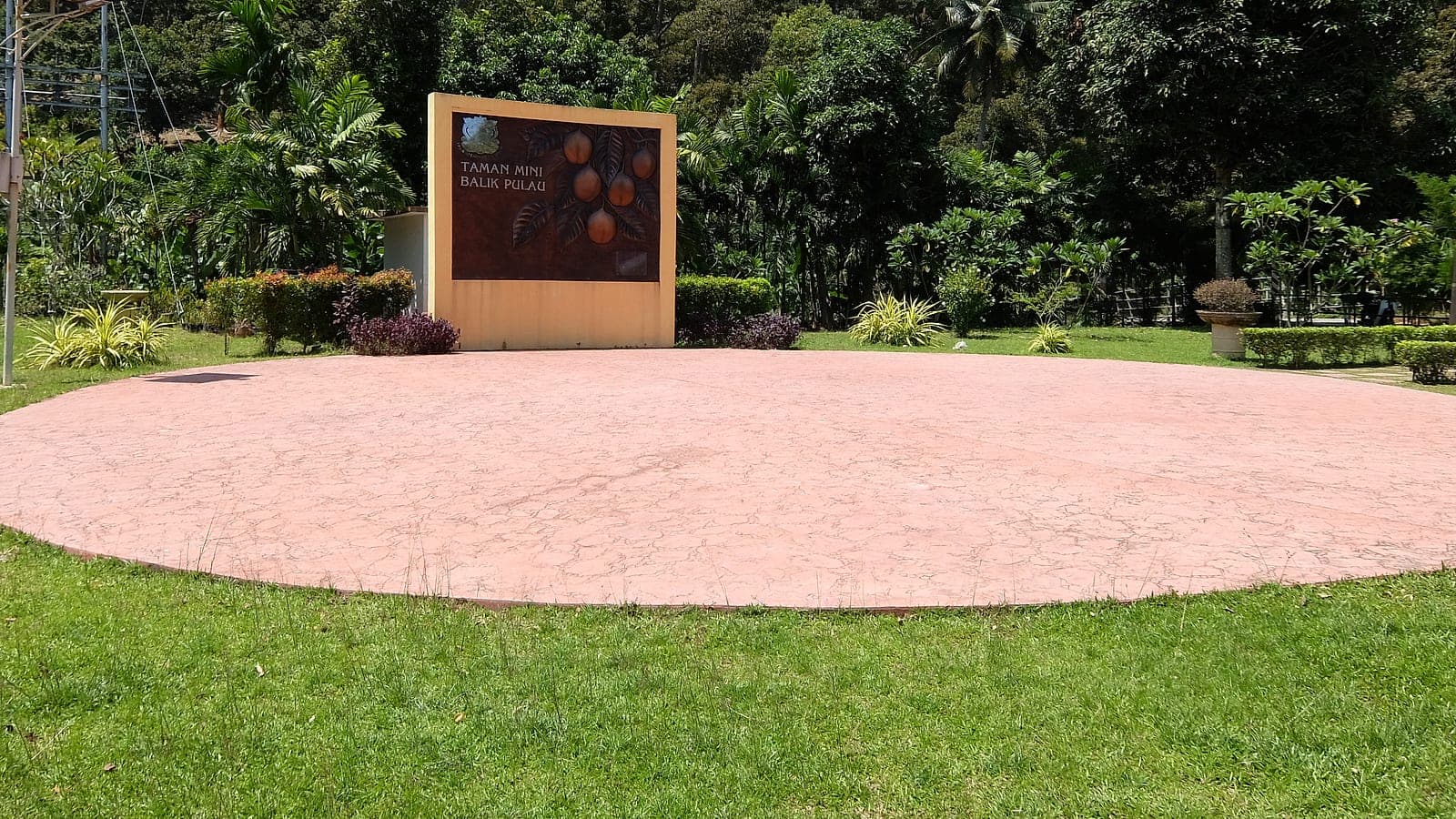
The name tells you what it is. Balik Pulau means "the other side of the island" in Malay, and that is precisely what it is — the southwestern corner of Penang, separated from George Town by Penang Hill and the central ridge, 30 to 45 minutes by road and largely invisible to tourists. Most visitors to Penang never cross that ridge. The itineraries pull them north toward Batu Ferringhi or deeper into the heritage zone, and Balik Pulau keeps doing what it has always done: orchards, fishing, a market, and some of the most serious Asam Laksa on the island.
This guide is for people who want to make the trip deliberately — for durian season, for the food at the morning market, or simply to see what Penang looks like when the tourism infrastructure falls away.
Balik Pulau rewards people who travel for a specific purpose — the durian, the Asam Laksa, the coastal road — rather than people looking for a general sightseeing checklist. There is no must-see landmark. What's here is a mood and a flavour.
Food tourists (durian especially), slow travellers, cyclists and motorcyclists, visitors on a return trip who've already covered George Town
Getting There from George Town
There is no public bus service to Balik Pulau itself. Rapid Penang's network does not extend to the southwestern interior. Your options are:
Grab is the most practical choice for a day trip. The fare runs RM 25–40 one way depending on time of day and surge pricing. The drive takes 30–45 minutes via the Balik Pulau-Paya Terubong Highway — the road climbs through forest before descending into the agricultural valley on the southwestern side. Book your return trip before lunchtime; Grab availability in Balik Pulau itself is lower than in George Town and wait times can stretch on weekends during durian season.
Motorbike rental from George Town (RM 35–50 per day from rental shops near Lebuh Chulia) gives you the flexibility the trip actually requires. The orchard stalls are spread along roads between Balik Pulau town and Gertak Sanggul — a Grab will get you to the town, but the stalls need you to be mobile. A motorbike also means you can do the full coastal loop at your own pace.
Driving is straightforward if you have access to a car. Take Jalan Paya Terubong west from George Town, follow the signs for Balik Pulau once you're past Ayer Itam. Allow 45 minutes in morning traffic, 30 minutes off-peak. Parking in and around Balik Pulau town is uncomplicated.
Durian Season: What to Know Before You Go
Balik Pulau
Rural Penang, durian country
The orchard country between Balik Pulau town and Gertak Sanggul is the primary durian-growing area in Penang. During peak season (June to August), roadside stalls appear along the route with hand-painted signs listing the varieties available that day.
The main durian season runs June to August. A shorter secondary flush happens around November, though the variety selection is thinner. Outside these windows, Balik Pulau's orchards produce other tropical fruit — mangosteen, rambutan, langsat — but durian is the reason most Penangites make the drive.
The four varieties you'll encounter most often:
Musang King (D197) is the benchmark. Creamy, rich, intensely sweet with a faint bitter edge. The most expensive variety; prices run RM 30–80 per kg depending on where you are in the season — cheaper early in the flush, highest during peak demand in July. A single Musang King can weigh 1.5–2.5 kg.
D24 is the older, more reliable standard — less fatty than Musang King, slightly more bitter, and easier on the wallet (RM 15–30/kg). Some people prefer it.
Red Prawn (Ang Heh) has a distinctly orange-red flesh and a sweeter, softer profile than the other varieties. Penangites argue about whether Musang King or Red Prawn is superior; this argument is not resolvable.
Black Thorn (Duri Hitam) is the hardest to find and commands the highest price when it appears — RM 50–100/kg is typical. Richer and more intensely flavoured than Musang King, with a custard-like texture. If you see it at a stall with available stock, buy it.
The stall experience is not refined. Plastic tables, wet tissues, an ice chest of drinks. You sit, the seller opens the durians at the table, you eat. This is the correct way to eat durian in Penang. Do not attempt to take durian back to George Town in an air-conditioned car unless you want the smell to define your stay. Flying with it is ruled out entirely.
Arrive before noon on weekdays to avoid the weekend crowds that drive up from Bayan Lepas and the mainland. On Saturdays and Sundays in peak season, the stalls can sell out by early afternoon.
Balik Pulau Asam Laksa
Balik Pulau makes a credible claim to the original Asam Laksa, and the bowl here tastes different enough from the George Town version that the argument is worth taking seriously.
The critical differences: the fish broth is more concentrated, made from ikan kembung (Indian mackerel) simmered long enough to develop a dark, intensely savoury base. The sourness comes from tamarind slices (asam keping) rather than tamarind paste, which produces a sharper, cleaner acidity. The overall effect is more sour, more fishy, and less sweet than the versions that have been tuned for tourist palates in George Town.
Balik Pulau
Rural Penang, durian country
The benchmark bowl is at Pasar Balik Pulau — the town market on the main road. The Asam Laksa stalls operate from early morning and sell out by 11am. A bowl costs RM 5–7. Arrive before 10am to be safe.
The preparation at the market is traditional. The thick rice noodles sit in a deep bowl of broth, topped with flaked mackerel, sliced pineapple, cucumber, red onion, mint leaves, and a dark smear of shrimp paste (hae ko) stirred in at the table. The hae ko is not optional — skipping it produces a bowl that is missing the fermented depth that balances the sour broth.
The market stalls close when they run out. There is no midday backup. If you miss the morning window, the town has a handful of coffee shops serving the standard Malaysian hawker range, but the Asam Laksa is the specific reason to come.
Nutmeg: The Colonial Legacy
Balik Pulau was a nutmeg-growing district under the British from the early 19th century. The nutmeg boom collapsed by the 1860s (blight devastated the trees), but the orchard tradition survived in scattered form. The area still produces nutmeg alongside the more commercially dominant durian, and roadside stalls stock what the orchards yield.
What to look for at the stalls:
Fresh nutmeg — the whole fruit, split open, showing the red mace surrounding the dark seed. The flesh of the fruit is edible raw.
Nutmeg pickle — the fruit preserved with vinegar and spices. Tart, crunchy, and unlike any condiment you'll find in the tourist zone.
Nutmeg juice — a bottle of cloudy, resinous liquid that tastes like nothing else. The flavour is tart, faintly medicinal, and intensely aromatic. RM 3–4 per bottle. Refrigerate and drink within a day.
The Tropical Spice Garden on the road toward Teluk Bahang is the formal tourist option for spice education — a landscaped garden with 500+ species, entry approximately RM 20–25, open daily. It's worth a visit if you want the curated version. The roadside stalls are less polished and more interesting.
Pulau Betong: The Fishing Village
At the southern tip of the island, the road ends at Kampung Pulau Betong, a small Malay fishing village with stilted seafood restaurants built out over the water. It is not a tourist destination in the conventional sense — there is no ticketing, no signage, no English menus. It is a working village that happens to have restaurants.
Balik Pulau
Rural Penang, durian country
The seafood restaurants around Kampung Pulau Betong and the nearby Restoran Batu Lanchang area are local weekend-lunch destinations for Penang families. On weekends, tables fill by noon. Call ahead or arrive before 11:30am.
The format: a tank of live seafood at the front, you point at what you want, the kitchen cooks it by your preference (steamed with soy and ginger, wok-fried with butter and egg, sambal). A full seafood meal for two with rice and vegetables runs RM 60–120 depending on what you order and whether crab is involved.
The drive from Balik Pulau town to Pulau Betong takes 15–20 minutes along the coastal road. The road is narrow in sections and not well-lit at night, which is academic since you'd want to be there for lunch anyway.
The Coastal Road: Cycling and Motorbike Route
The route from Balik Pulau town south to Gertak Sanggul, then northeast along the coast toward Teluk Kumbar, is one of the more satisfying rides in Penang. The full loop — Balik Pulau → Gertak Sanggul → Pulau Betong → Teluk Kumbar → Bayan Lepas — covers approximately 40km and takes 2–3 hours by motorbike at an easy pace.
What the road offers: coastal views across the Strait of Malacca, low traffic outside weekends, paddy fields in the lower sections of the valley, and occasional views back up toward the ridge of Penang Hill. The landscape here is unmistakably agricultural — fruit trees, vegetable plots, chicken farms alongside the road. It looks and feels nothing like the heritage zone.
Cyclists should note: the road has real climbs between Balik Pulau town and the ridge toward Paya Terubong. The coastal sections south of town are flatter. E-bikes are a practical option; standard road bikes are workable for fit riders. The full loop is an honest 3–4 hours by pedal bike.
Weather warning: The coastal road between Gertak Sanggul and Teluk Kumbar floods in heavy rain, particularly October to November during the northeast monsoon. Check the forecast before committing to the coastal section on that stretch.
When to Go
June to August is the primary durian season and the peak draw. If durian is the purpose of the trip, this is the window. Weekday mornings are significantly more pleasant than weekend afternoons, when Georgetown residents and mainland day-trippers arrive in volume.
Outside durian season, Balik Pulau is quieter and no less rewarding if the Asam Laksa and the landscape are what you're after. The morning market runs year-round. The coastal road is always there.
Avoid rainy afternoons October to November — the northeast monsoon brings afternoon downpours that can turn sections of the coastal road into temporary rivers. Morning visits are the correct call year-round regardless of season.
Local tip
The practical day trip from George Town: leave by 8am, arrive at Pasar Balik Pulau for the Asam Laksa before the stalls sell out, then drive the coastal road to Pulau Betong for a seafood lunch, then north through the durian orchards on the return leg if it's peak season. Back in George Town by late afternoon. This covers the three things Balik Pulau does best in a single loop.
What Balik Pulau Is Not
It is not a place with a heritage walk, a street art trail, or a dense cluster of cafes and attractions. There is no Grab-accessible tourist precinct. The appeal is agricultural, coastal, and culinary — and it is entirely real for the visitors it suits. For a general first-time Penang trip, George Town and the northern coast are the priority. Balik Pulau makes sense as a second day, a standalone food mission, or the frame for a full-day motorbike circuit.
For the full picture of getting around the island, see getting around Penang. For durian-specific planning across Penang, the durian guide covers varieties, seasons, and where to find them beyond Balik Pulau.
Keep reading
Guides that pair well with this one.
Penang for Food Lovers: The Complete Eating Guide
The definitive guide to eating in Penang — from dawn hawker breakfasts to late-night char kway teow. Where to eat, what to order, and the unwritten rules of the hawker centre.
8 min readfoodBest Restaurants in George Town, Penang (2026)
The restaurants worth booking a table at in Penang's UNESCO heritage zone — from Nyonya tasting menus and colonial dining rooms to old-school Hainanese chops houses and the kopitiam that hasn't changed its recipe since 1940.
6 min readfoodPenang Coffee Guide: Kopitiams, Local Roasters & What to Order (2026)
Penang has two parallel coffee cultures — the century-old kopitiam tradition and a newer specialty scene. Both are worth your time, for different reasons.
11 min readfoodBest Hawker Centres in Penang: Where Locals Actually Eat (2026)
Penang's hawker centres range from tourist-facing esplanade spots to residential courts where nobody speaks English and the food is better. Here's how to navigate both.
8 min read