On this page
Penang for Art Lovers: Street Art, Galleries, and Living Heritage
Georgetown's street art scene is one of Southeast Asia's most distinctive — murals, wrought-iron caricatures, clan house interiors, and contemporary galleries. This is where to find them and how to see them properly.
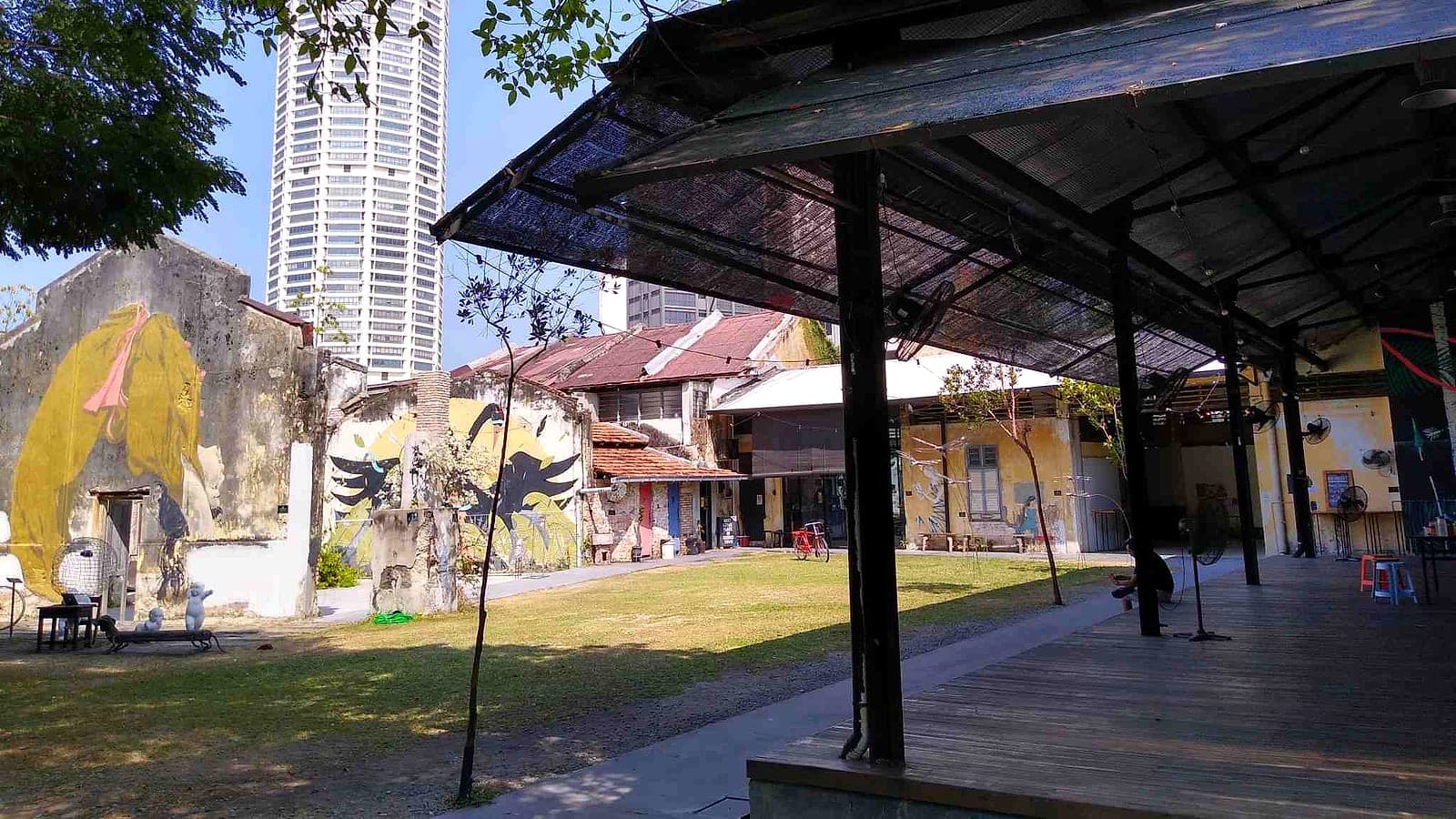
George Town's street art is one of the most-photographed subjects in Southeast Asia — and also one of the most misunderstood. The murals people line up to photograph represent only a fraction of what's here. Behind them are restored shophouses holding century-old clan association paintings, a state museum with one of Malaysia's finest permanent collections, and a growing contemporary scene that has quietly turned Georgetown into a regional hub for emerging artists.
This guide covers all of it: the famous murals, the lesser-known iron caricatures, the clan house interiors, and the galleries you need to know about.
Visitors who want more than Instagram-friendly murals — people who appreciate craft, history, and the kind of art that takes a few seconds to read before it lands.
The Street Art: Beyond the Queue at the Boy on a Bicycle
Ernest Zacharevic's Murals
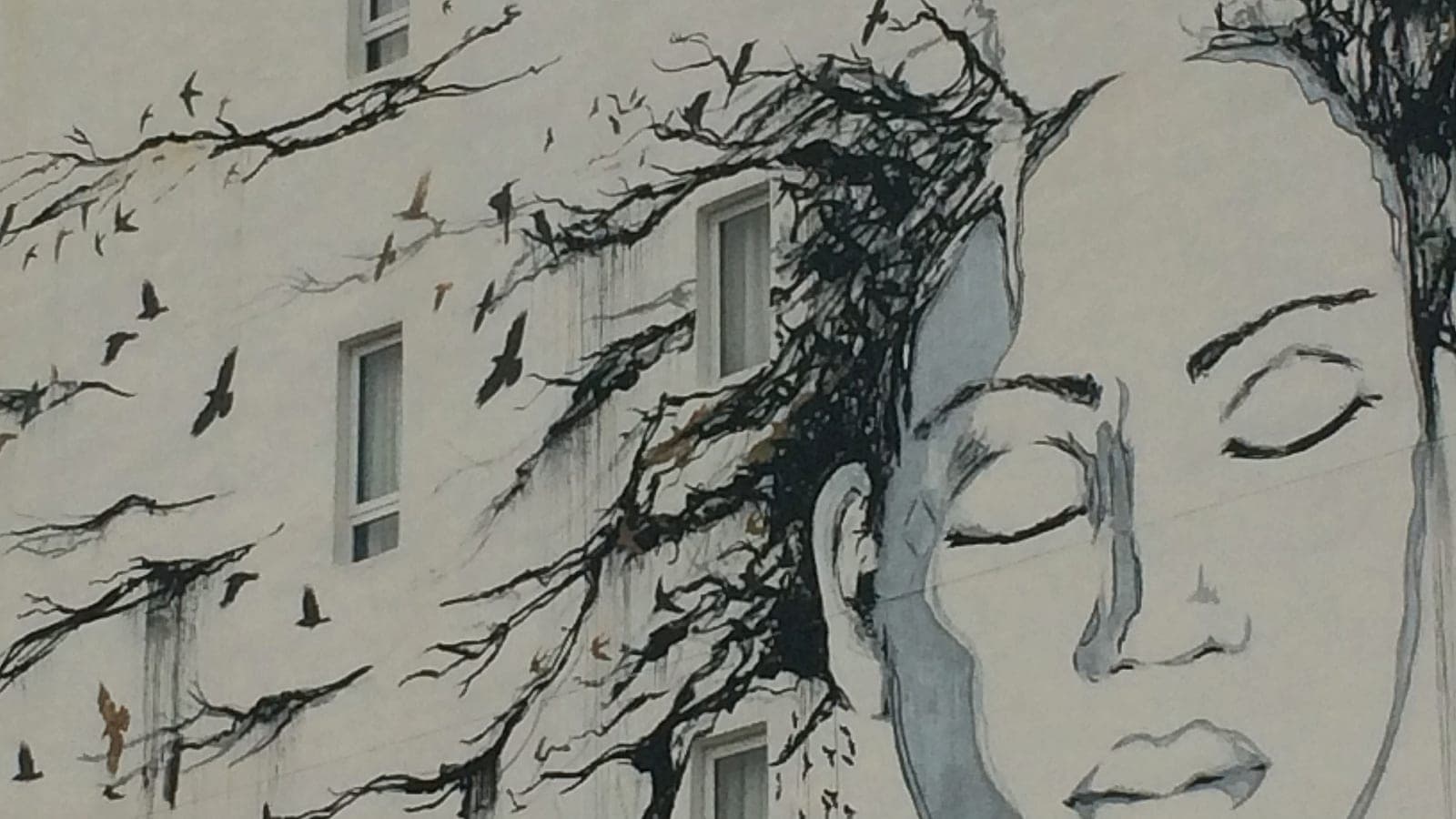
Lithuanian artist Ernest Zacharevic painted several large-scale murals in Georgetown in 2012, commissioned by Sculpture at Work for the George Town Festival. These aren't tourist-bait — they were genuine public art, site-specific and intended to engage local residents.
The best-known is Children on a Bicycle on Lebuh Armenian. Two life-size children on a real bicycle, painted directly onto a shophouse wall. The UNESCO World Heritage listing of George Town protects the built fabric these murals inhabit. The queue for photos is real and longest between 10am and noon. Come before 8am or after 4pm.
Other Zacharevic murals worth finding:
- Boy on a Motorbike (Lebuh Cannon) — the figures appear to be using an actual motorcycle welded to the wall
- Little Children on a Swing (Lebuh Ah Quee) — two children on a real wooden swing attached to the wall
- Kung Fu Boy (Jalan Masjid Kapitan Keling) — a child breaking a brick, less crowded than the others
Photography timing
Golden-hour light hits the west-facing walls along Lebuh Armenian around 5–6pm. The Armenian Street murals face west — this is the best light for photography and the crowd thins after 4pm as most day-trippers leave.
The Iron Caricature Plaques
Less famous than the murals but arguably more interesting: 52 wrought-iron caricature plaques installed around Georgetown by Sculpture at Work, each narrating a local story, occupation, or piece of history at the exact location where it happened.
Unlike the large murals, these are easy to miss — they're positioned at eye level on walls and often blend into the streetscape until you know to look. The Penang Tourism office distributes a free map showing all 52 locations. Pick it up at their office on Lebuh Pantai before you start.
Good clusters to walk:
- Armenian Street precinct — 8–10 plaques within 400m
- Lebuh Chulia to Jalan Penang corridor — colonial-era trades and occupations
- Jalan Masjid Kapitan Keling — multi-religious heritage themes
Georgetown
UNESCO World Heritage Zone
The iron caricature trail works best as a 2–3 hour self-guided walk. Start at Penang Tourism (Lebuh Pantai), walk north to Fort Cornwallis, then loop west through Armenian Street and south through the Chulia zone. The map is free. The walk is shaded for about 60% of the route via shophouse five-foot ways.
Clan Houses and Temple Interiors
Khoo Kongsi
The most elaborate clan temple complex in Malaysia. Built and rebuilt by the Khoo clan over 150 years, the current version dates to 1906 following a fire that destroyed the original (legend holds the fire was divine retribution for building a temple too grand). The rebuilt version is only marginally less grand.
Inside: gilded carvings, painted murals of gods and heroes, stone sculptures, and ironwork that took Chinese craftsmen years to execute. Admission is RM10 and goes toward preservation work. Spend at least an hour here.
Where: Cannon Square, just off Lebuh Armenian. Open daily 9am–5pm (closed Friday noon–2pm).
Penang Peranakan Mansion
A restored Baba-Nyonya townhouse packed with period furniture, porcelain, and decorative objects. The Peranakan aesthetic — Chinese motifs filtered through Malay colour sensibility — is distinct from both parent cultures and produced some of the most interesting decorative art in the region.
The guided tour (included in admission) explains the objects in context. RM25 adults.
Cheah Kongsi
Less restored and less visited than Khoo Kongsi, but that's the point. The altar paintings and carved screen here are older and less pristine — which makes them more interesting to anyone who finds the restoration of Khoo Kongsi slightly too polished.
Free entry. Often empty on weekday mornings.
On restoration
Georgetown has some of the best-preserved Chinese clan architecture outside of China. The tradeoff is that several major kongsi have been heavily restored for tourism. If you prefer patina over polish, seek out the secondary clan houses — Lim Kongsi on Jalan Tokong Lim, Yeoh Kongsi on Lebuh Buckingham — where the work of preservation is still ongoing and the spaces feel lived-in.
Galleries and Contemporary Art
Penang State Museum and Art Gallery
The permanent collection spans four floors and covers Penang's history from pre-colonial trade through to the 20th century. The art gallery wing has rotating exhibitions of Malaysian and regional work alongside a permanent display of historical portraits, photographs, and documents.
The building itself — a colonial-era schoolhouse converted to museum use — is worth a visit even if you spend only 30 minutes inside. Free entry on Sundays.
Where: Farquhar Street, Georgetown. Open Tue–Sun 9am–5pm. Admission RM1 (adults).
Hin Bus Depot Art Centre
A decommissioned bus depot on Jalan Gurdwara that now functions as Georgetown's main contemporary arts hub. Resident studios, exhibition spaces, a regular schedule of events, and an outdoor courtyard used for larger installations and night markets.
The permanent outdoor murals here are some of the best in Georgetown — less commercially oriented than the Armenian Street circuit. Check their Facebook page for current exhibitions before visiting.
Georgetown
UNESCO World Heritage Zone
Hin Bus Depot is a 15-minute walk south from the Esplanade. It's open daily but the indoor galleries have limited hours — check the Facebook page. The courtyard murals are accessible any time. A coffee cart operates mornings and most afternoons.
Galeri Seni SADA
A small but serious gallery on Jalan Masjid Kapitan Keling showing Malaysian contemporary artists. SADA has a reputation for backing emerging names before they become expensive — several artists they showed in the mid-2010s now sell at Sotheby's Southeast Asia auctions.
Opening times are irregular; check Instagram before visiting.
Penang Hill Art Installations
The funicular railway to Penang Hill (RM30 adults, 30 minutes from Georgetown) deposits you at a point with views across the island to Kedah and Thailand on clear days. The Habitat, a managed forest attraction at the summit, includes a series of site-specific art installations integrated into the canopy walk.
The installations change annually as part of collaboration with international artists. Previous works have included suspended sculptures, light installations, and earthworks — quality varies but the setting does most of the work.
Practical: Take the funicular from Air Itam (not a tourism shuttle — take a Grab to the lower station). Last ride down is at 9:30pm.
A Suggested Art Walk
Half-day (4 hours), starting at 8am:
| Time | Location |
|---|---|
| 8:00am | Boy on a Bicycle, Lebuh Armenian (before crowds) |
| 8:30am | Iron caricature walk: Armenian Street to Fort Cornwallis |
| 10:00am | Khoo Kongsi (open from 9am) |
| 11:30am | Penang Peranakan Mansion |
| 1:00pm | Lunch at Tek Sen, Lebuh Carnarvon |
| 2:30pm | Hin Bus Depot Art Centre |
| 4:00pm | Return to Armenian Street for golden-hour photography |
Note
Georgetown is a UNESCO World Heritage Site. This status protects the built fabric — new buildings must comply with heritage guidelines and original facades cannot be significantly altered. It also means that the street art exists in legal ambiguity: technically, painting on heritage buildings is regulated. The murals that are "official" were commissioned or sanctioned; the proliferation of copycat murals in subsequent years has been more contentious.
Frequently Asked Questions
Is there an entrance fee for the street art? No. All outdoor murals and iron caricatures are on public streets and free to view. Some clan houses and the Peranakan Mansion charge admission (RM1–25).
How long does the full art walk take? The UNESCO heritage zone is about 2 square kilometres. A comprehensive walk covering murals, iron caricatures, and 2–3 clan houses takes a full day. A focused morning walk covering the highlights takes 3–4 hours.
Is the street art still being created? Yes. New murals appear regularly, particularly on Lebuh Chulia and the lanes off Jalan Penang. The George Town Festival — nine or ten days spanning late July and early August, 1–9 August in 2026 — commissions new site-specific work each year.
Can I visit the clan houses if I'm not Chinese? Yes. All clan houses and kongsi open to visitors are genuinely open to all visitors regardless of background. Modest dress is appropriate — cover shoulders and knees.
Keep reading
Guides that pair well with this one.
Famous People Connected to Penang — Artists, Scientists, and Revolutionaries
Penang has produced and shaped a surprisingly influential roster of notable people — from the founder of modern China to Nobel-level scientists and award-winning filmmakers. Here's who came from, or was formed by, this island.
6 min readculturePenang Temple Guide: Kek Lok Si, Sri Mahamariamman & More (2026)
A guide to Penang's major temples — Buddhist, Hindu, Taoist, and the multi-faith harmony of Pitt Street. Opening hours, dress codes, and what to actually look for.
7 min readplanningPenang for Korean Visitors: Café Trail, Street Art & Food Guide
Korean travellers' guide to Penang. Visual café trail, Ernest Zacharevic street art locations, heritage photo spots, souvenir guide, halal food options, and practical info for visitors from Seoul, Busan, and Daegu.
11 min readtravelFree Things to Do in Penang: A Practical Guide to Exploring Without Spending
The best free activities in Penang — heritage walks, street art, temples, beaches, and markets. Honest about what costs and what genuinely doesn't.
11 min read