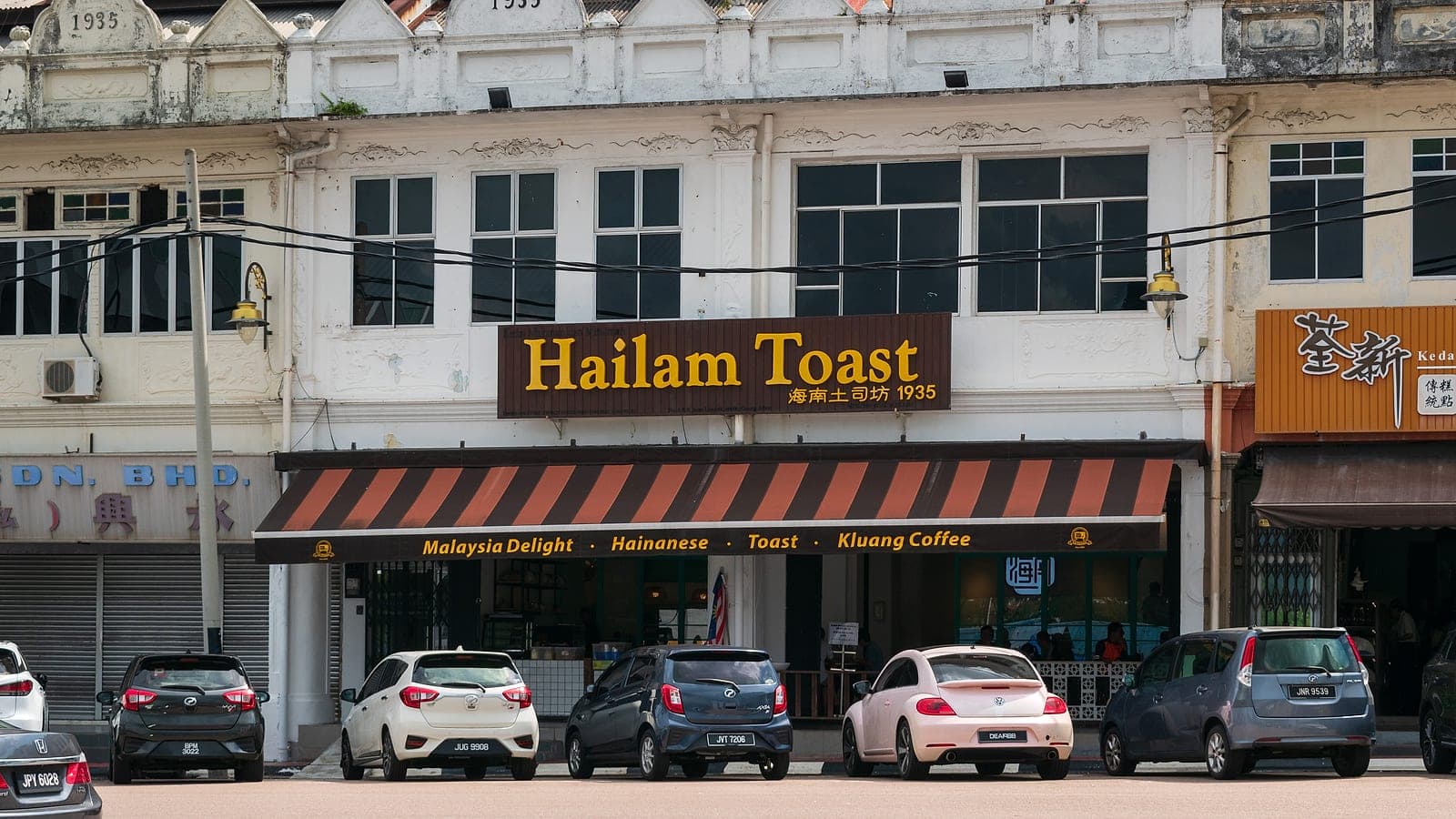
Kopitiams Guide to Penang 2026
Traditional coffee shops — Malaysia's living coffee culture heritage
Understanding Kopitiams
A kopitiam is a Malaysian coffee shop — an institution central to local culture. Informal, no-frills, and unforgettable, kopitiams serve strong hand-roasted coffee, soft-boiled eggs, and butter toast. They're gathering spaces where neighbors, workers, and friends meet for breakfast and conversation.
Penang's kopitiams are particularly legendary, with heritage establishments operating since the 1940s-1950s using charcoal-roasted coffee beans and traditional hand-pour techniques. A kopitiam visit is a cultural experience as much as a meal.
Kopitiam Culture 101
- Coffee Styles: Kopi (white), Kopi-o (black), Kopi-c (light), Kopi-peng (iced)
- Breakfast Set: Coffee, soft-boiled eggs, butter toast with kaya (coconut jam)
- Timing: Open 6-7am, peak 7-9am breakfast, close 2-3pm (traditional), or 6pm+ (modern)
- Cost: Budget-friendly RM 3-6 ($0.65-$1.30) for breakfast with drink
- Experience: Casual, standing bar or wooden stools, local crowd, no WiFi (usually)
Heritage Kopitiams
Legendary establishments from the 1940s-1960s that have perfected the kopitiam tradition. These shops use charcoal-roasted coffee beans, hand-pour techniques, and recipes passed down through generations. Living museums of Malaysian coffee culture.
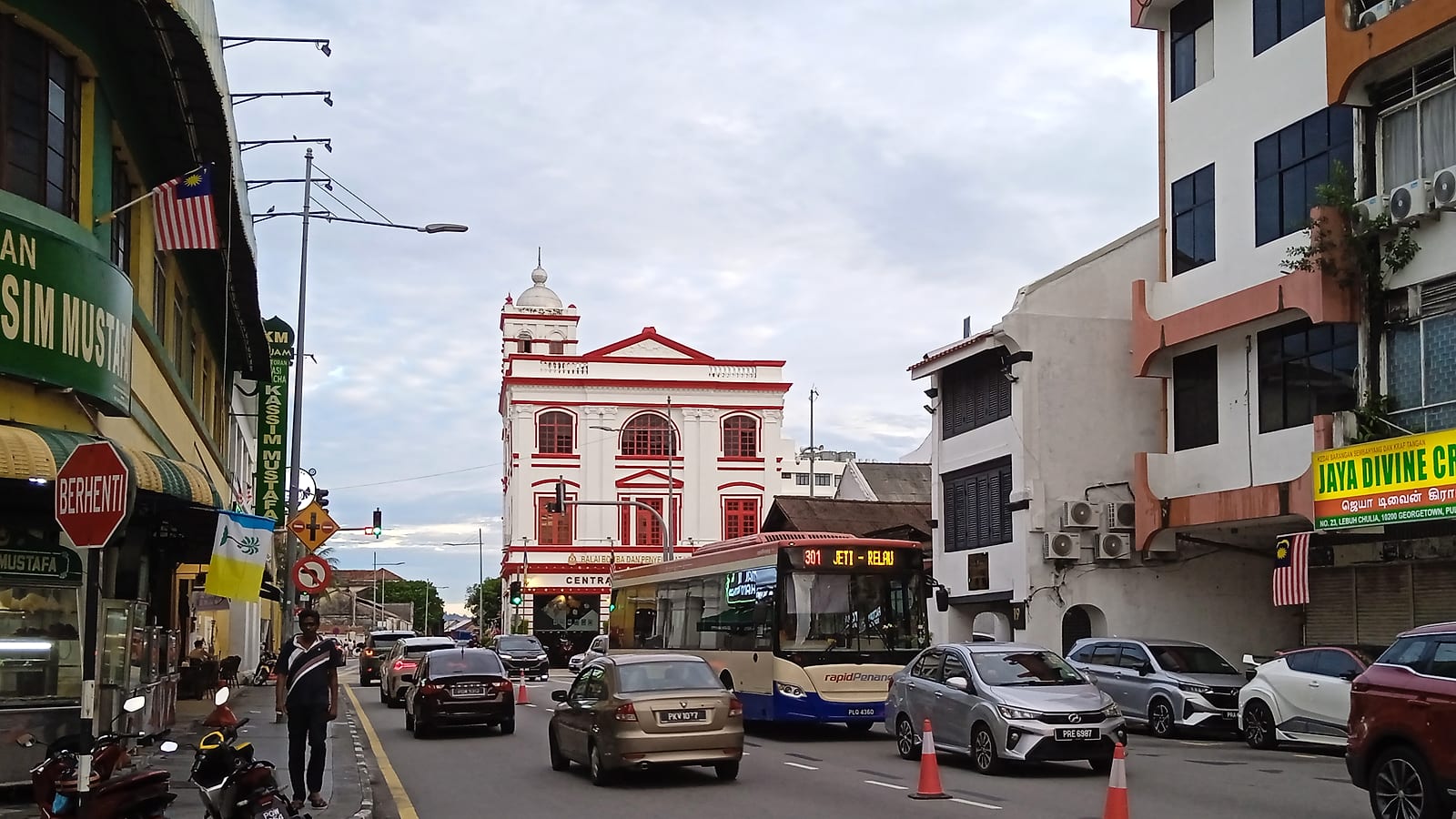
Toh Soon Kopitiam
George Town
One of Penang's oldest and most authentic kopitiams operating since 1950. The coffee beans are still roasted over charcoal using traditional methods passed down through generations. Half-boiled eggs and butter-toasted bread are served in the traditional way. A living museum of Malaysian coffee culture.
Atmosphere:
Old-world charm, wooden stools, local crowd, no-frills authenticity
Must Try:
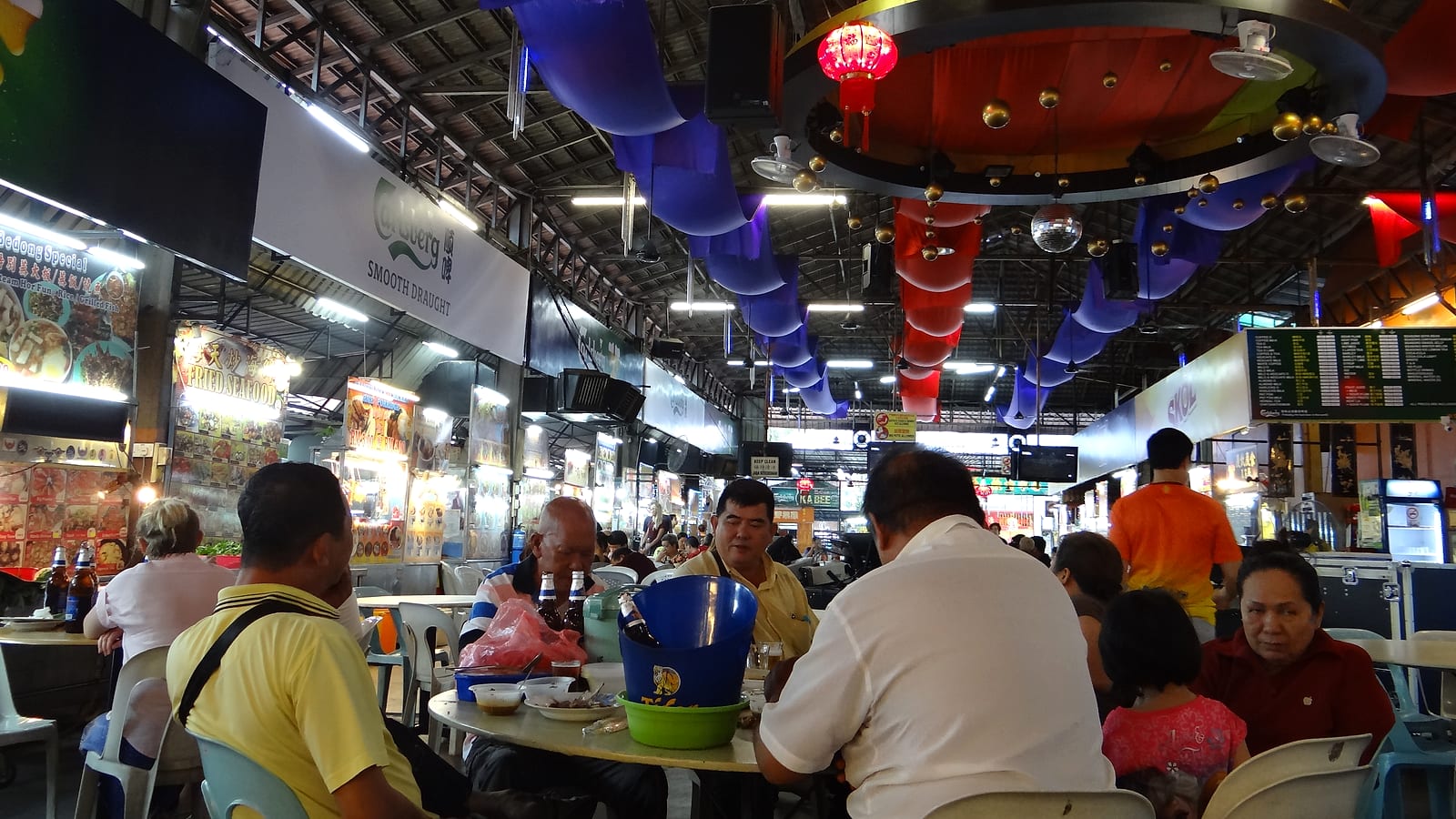
Kassim Mustafa Kopitiam
George Town
Historic kopitiam established in 1945, one of Penang's oldest. Known for exceptional kopi ping (iced coffee) prepared with traditional methods. The roti bakar (butter toast) is toasted over charcoal for authentic smoky flavor. Closes after breakfast rush, reflecting original opening hours.
Atmosphere:
Intimate, breakfast-focused, standing-room bar, local breakfast culture
Must Try:
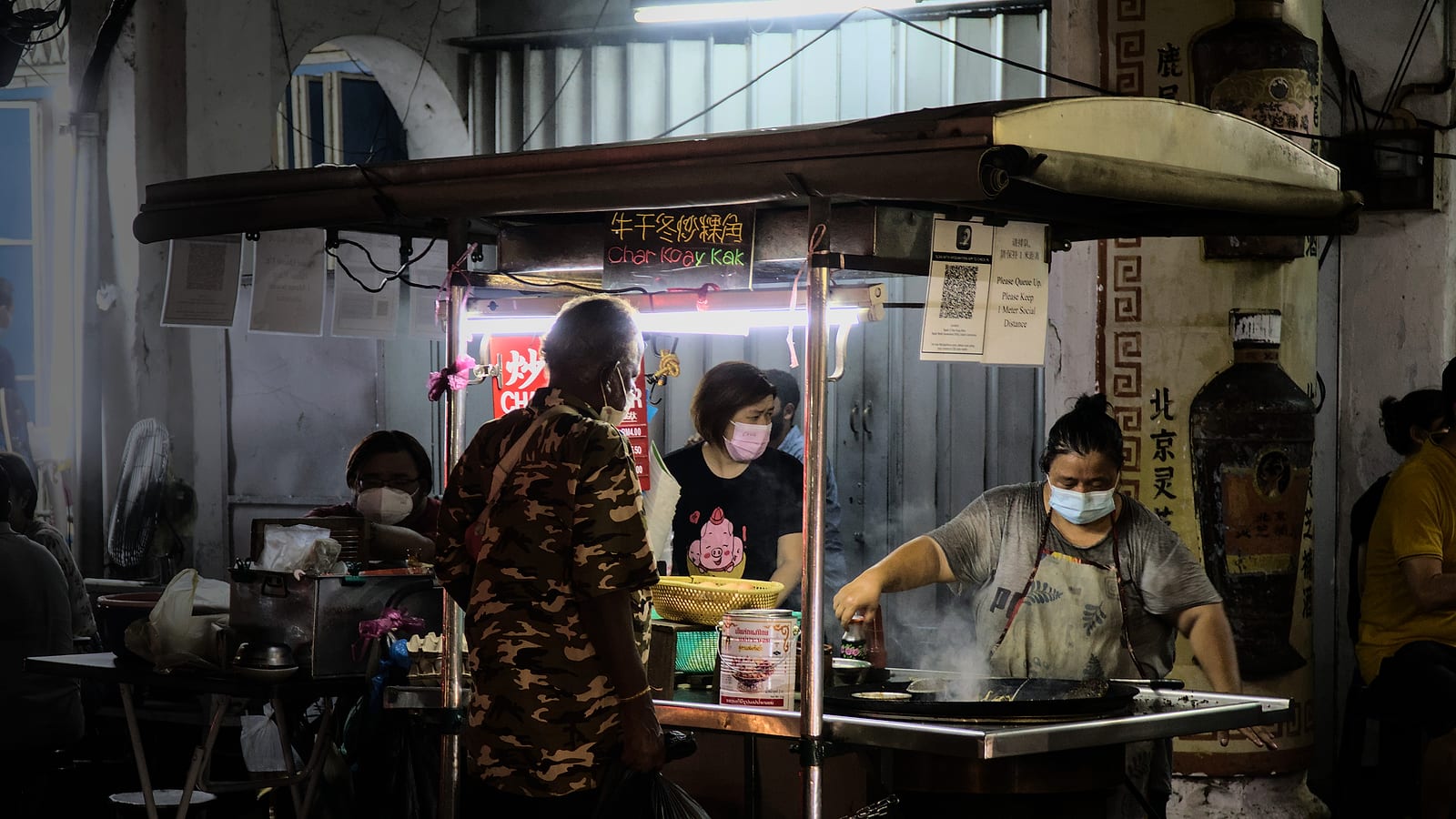
Choon Heng Kopitiam
George Town
Since 1960, Choon Heng has perfected the art of breakfast kopitiam culture. The soft-boiled eggs are cooked to exact timing — yolk runny, whites just set. Traditional recipes and preparation methods unchanged for decades. Simple, authentic, and deeply rooted in Penang culture.
Atmosphere:
Local-focused, simple wooden furniture, standing bar, breakfast rush culture
Must Try:
Traditional Kopitiams
Established kopitiams from the 1970s onwards that maintain traditional preparation methods while bringing some updates. These balance authenticity with a slightly more comfortable environment, making them accessible to both locals and visitors.
Kopi House
George Town
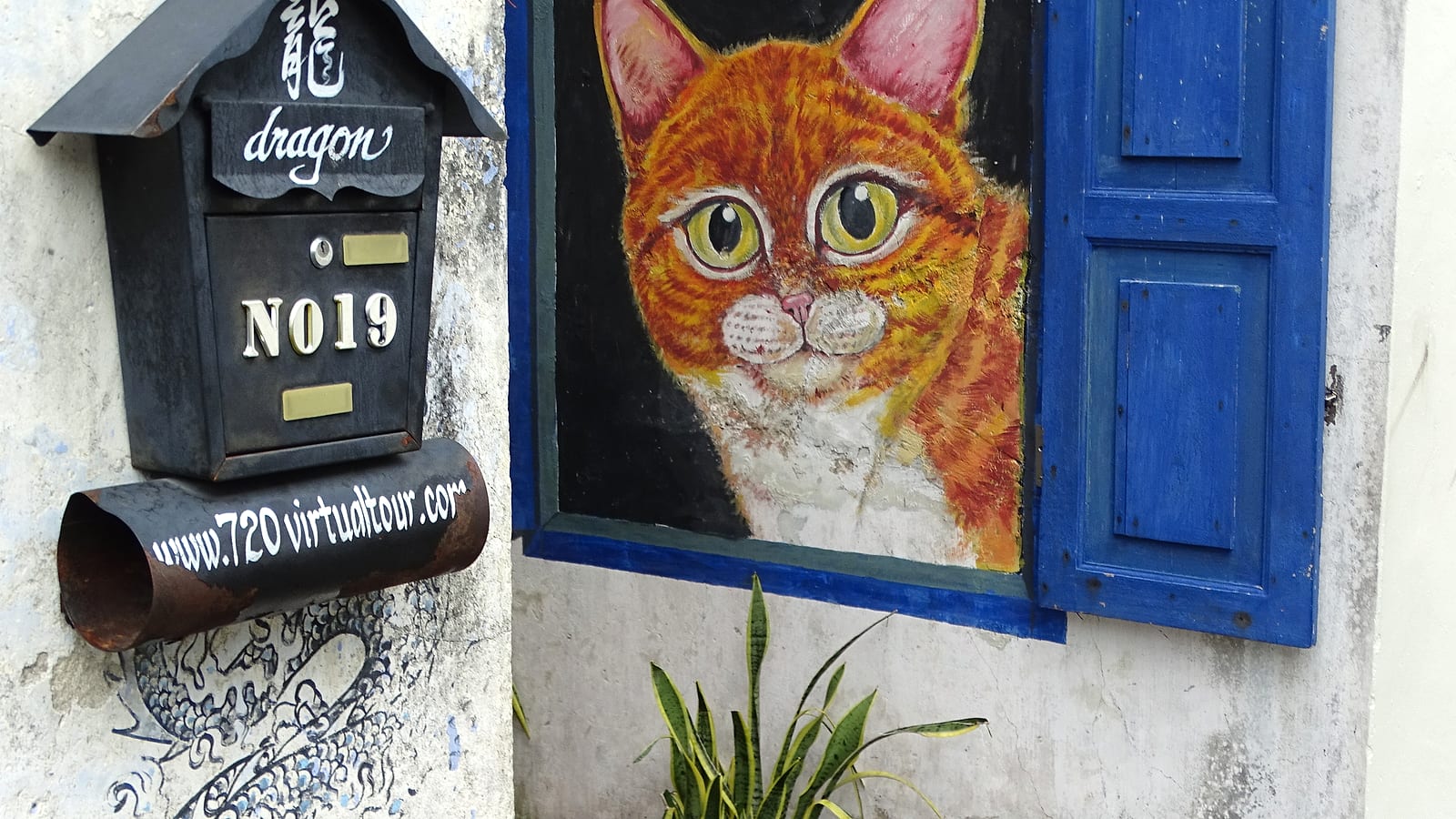
Long-standing kopitiam maintaining traditional recipes and service style. The kopi is made with hand-poured technique over cloth filters. Breakfast sets come with eggs, toast, and drinks. The interior retains 1970s charm with old-style chairs and marble-top tables.
Must Try:
Ya Kun Kopitiam (George Town)
George Town
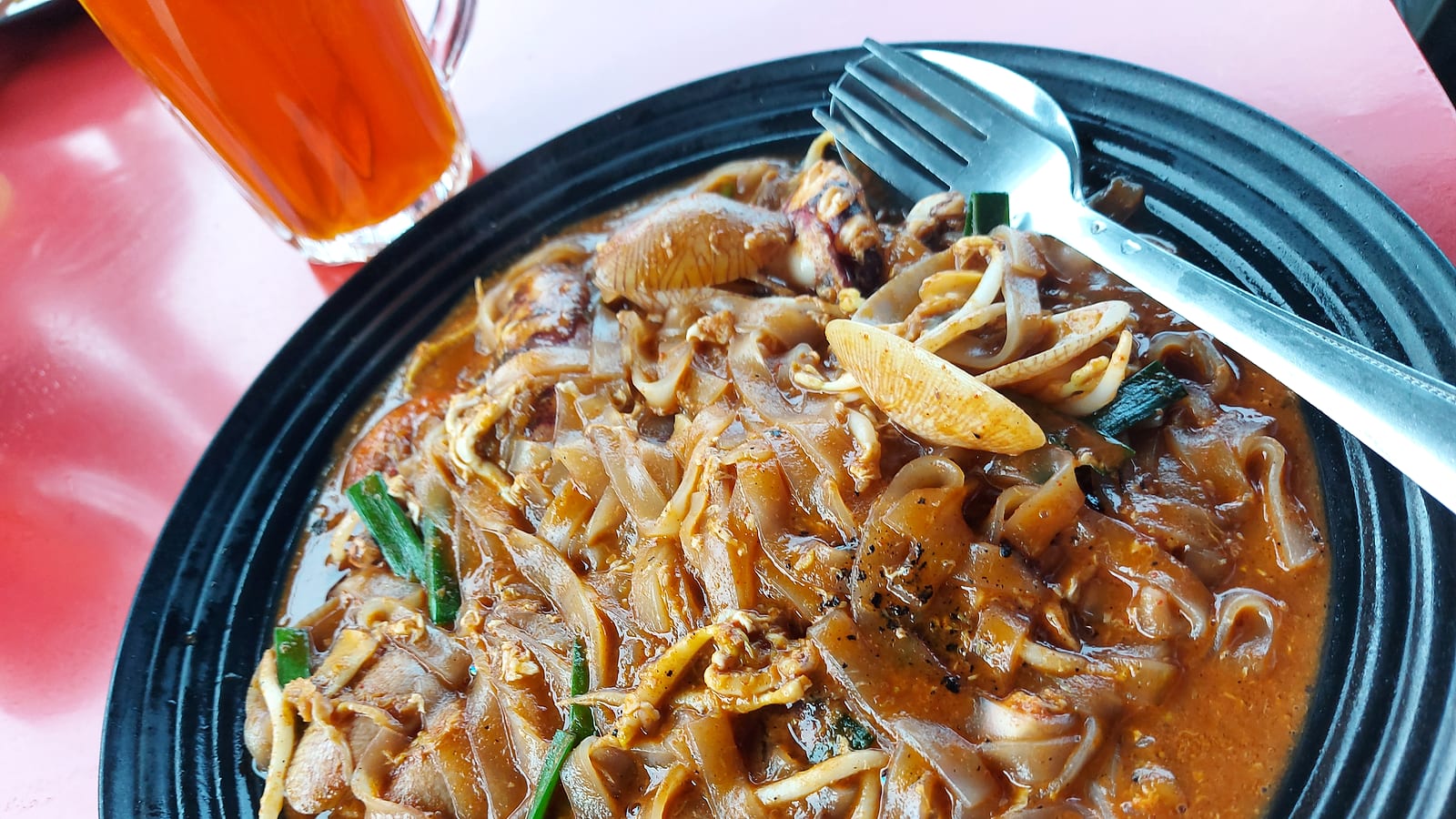
Ya Kun is a well-known Singapore chain that brought professional kaya toast culture to Penang. While newer than heritage kopitiams, it maintains traditional preparation methods. Kaya toast (coconut jam and butter on crispy toast) is perfectly executed. Less rustic but reliable.
Must Try:
Macalister Lane Kopitiam Cluster
George Town
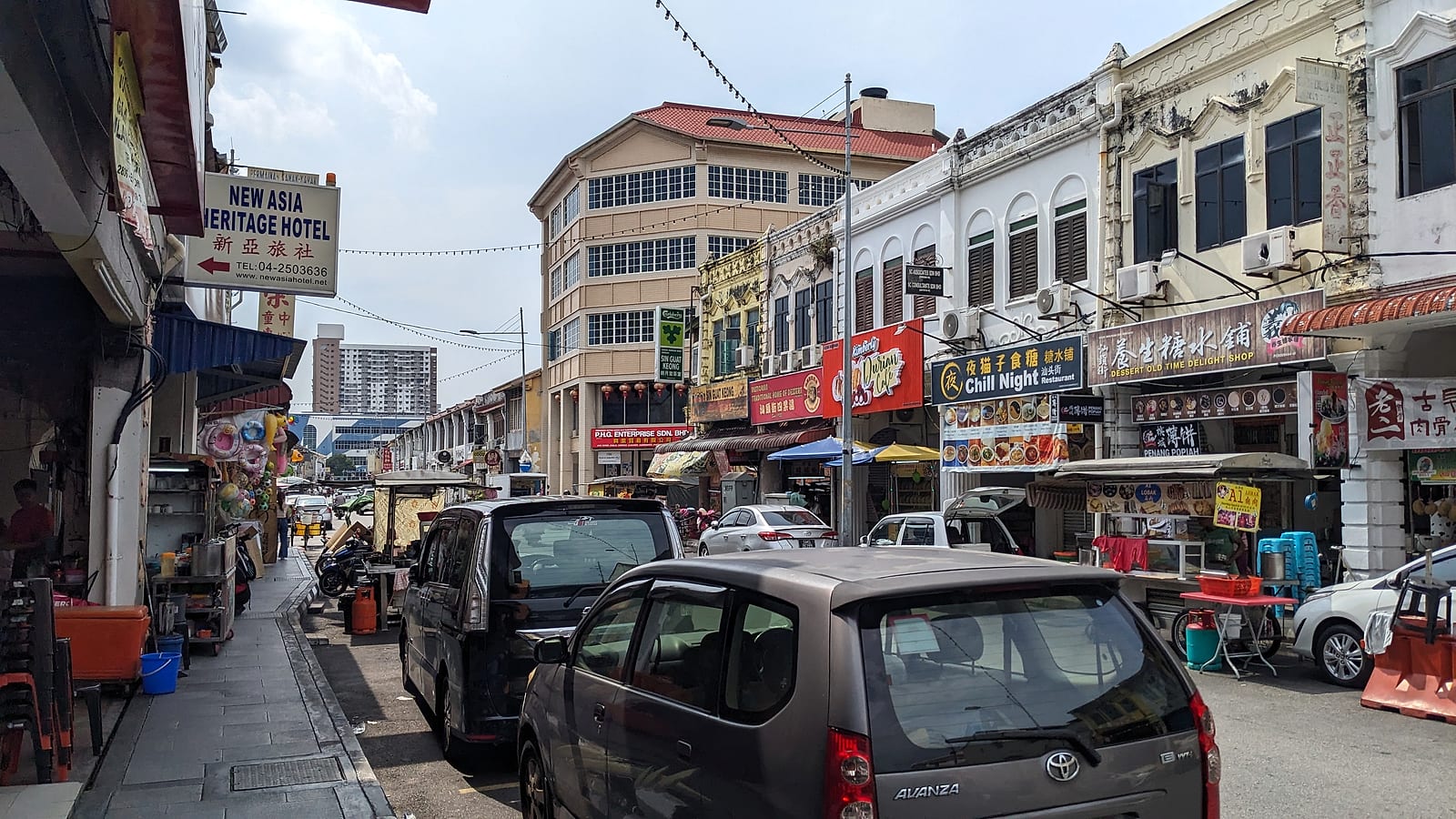
Macalister Lane has several heritage kopitiams within walking distance, making it a kopitiam hopping destination. Each with slight variations in coffee blend and preparation. A single visit can experience different coffee styles from different establishments. Perfect for coffee enthusiasts.
Must Try:
Modern Kopitiams & Cafes
Contemporary cafes that bring specialty coffee craftsmanship while respecting kopitiam traditions. These offer comfortable seating, longer hours, and modern amenities while maintaining authentic coffee and breakfast culture.
Coffee Club
Gurney Drive
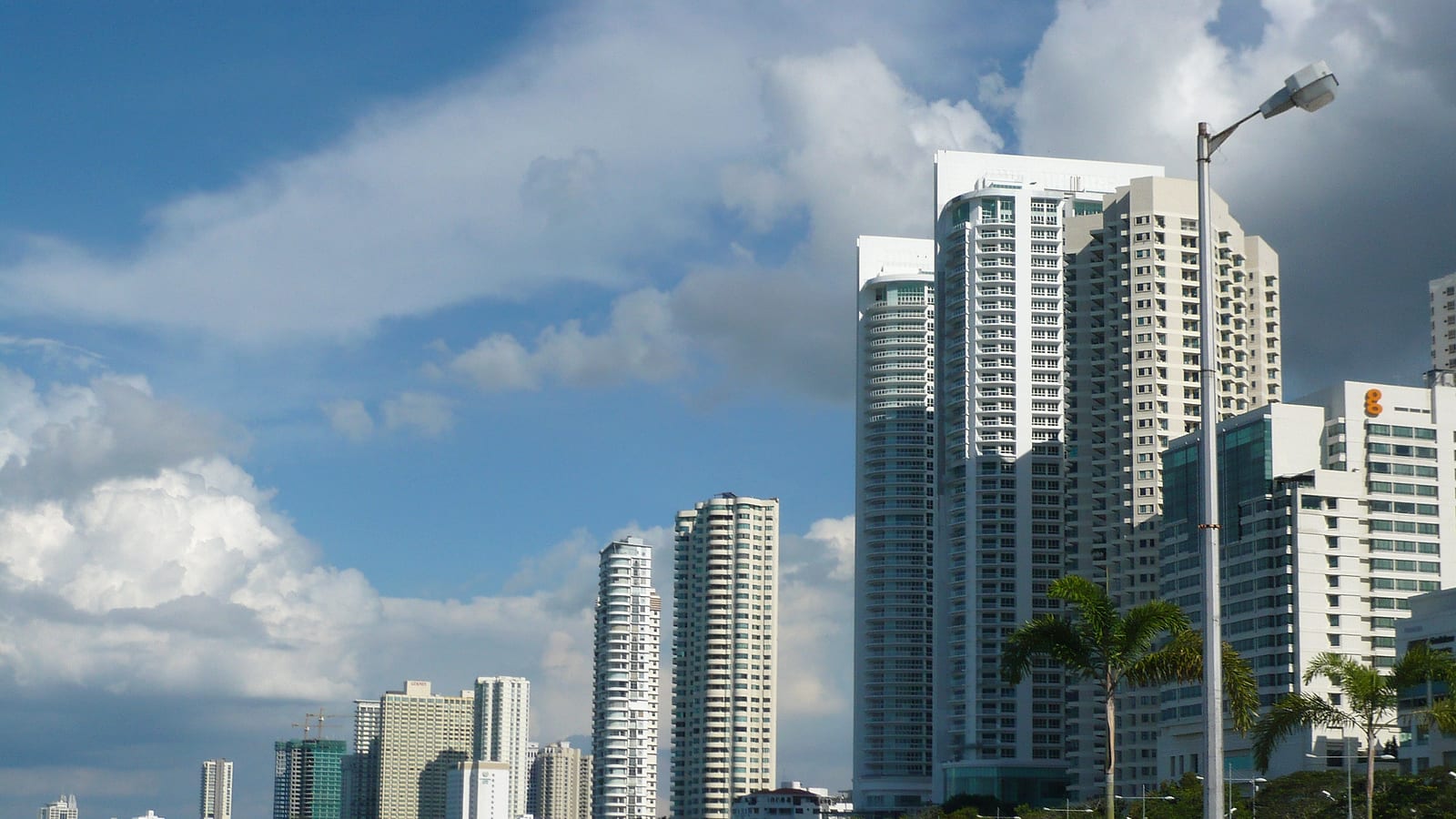
Modern kopitiam bringing specialty coffee culture to Penang while maintaining traditional breakfast items. Espresso machine serves alongside traditional hand-pour coffee. Modern ambiance but respect for traditional kopi culture. Bridge between old and new.
Must Try:
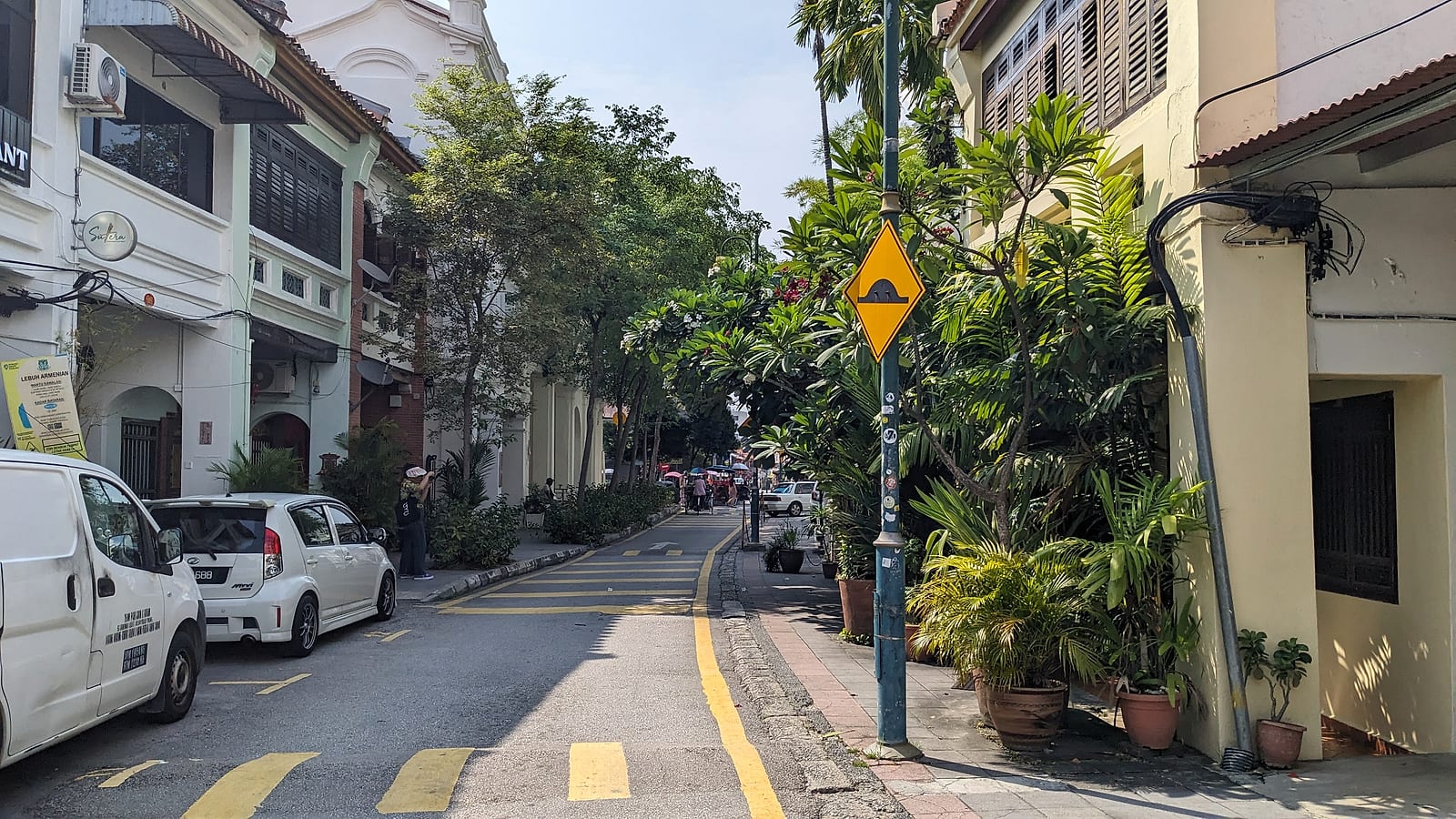
Penang Heritage Cafe
George Town
Designed as a modern-heritage hybrid. Serves traditional kopi prepared with specialty coffee techniques. Interior celebrates Penang's heritage with historical photos and artifacts. Serves both traditional kopitiam breakfast and modern cafe fare.
Must Try:

Craft Coffee Batu Ferringhi
Batu Ferringhi
Contemporary cafe with beachfront location and specialty coffee focus. Single-origin beans sourced from Penang and Malaysian farmers. Modern brewing methods (pour-over, siphon) showcase coffee quality. Bridges coffee craftsmanship with kopitiam tradition.
Must Try:
Komachi Coffee Studio
Georgetown Heritage Zone
Japanese-influenced modern kopitiam bringing different coffee culture perspective. Combines Japanese coffee craftsmanship (precise temperature, grind size) with Malaysian kopitiam breakfast. Matcha lattes and Japanese toast sets sit alongside traditional kaya toast.
Must Try:
How to Order Coffee (Kopi)
Coffee Drinks:
Kopi: Coffee with condensed milk + evaporated milk (white, sweet)
Kopi-o: Black coffee without milk (strong, bitter)
Kopi-c: Coffee with just condensed milk (lighter than regular kopi)
Kopi-peng: Iced coffee (pour over ice)
Kopi-o-peng: Iced black coffee
Tea Drinks:
Teh: Tea with condensed milk (similar to kopi formula)
Teh-o: Black tea without milk
Teh Tarik: Pulled tea (frothy, aromatic, signature drink)
Teh-peng: Iced tea
Other Options:
Milo Ais: Iced chocolate malt drink (popular with kids)
Nescafe Ais: Instant coffee over ice (modern, quick)
Freshen Up (orange juice): Fresh juice in traditional kopitiams
Sweetness Levels (Ask For):
"Satu" (one sugar), "Dua" (two sugars), "Kurang manis" (less sweet), or "Tanpa gula" (no sugar)
Traditional Kopitiam Breakfast Items
Egg Dishes:
- Telur Setengah Masak (Half-boiled eggs): Soft-boiled with runny yolk, dipped in soy + pepper sauce
- Telur Mata Sapi (Sunny-side up): Fried egg, served with white pepper
- Telur Goreng (Fried eggs): Crispy edges, served with soy sauce
Toast Varieties:
- Roti Bakar (Butter Toast): Toasted bread with butter, charcoal smoky flavor
- Kaya Toast: Butter toast with kaya (coconut-egg jam), sweet and rich
- Roti Telur (Toast with Egg): Egg sandwich on butter toast
Breakfast Sets:
Typical breakfast set (RM 4-6 / $0.85-1.30): Coffee + soft-boiled eggs + butter toast with kaya + sometimes small glass of orange juice
Frequently Asked Questions
What is a kopitiam?
Kopitiam (from Hokkien "kopi" = coffee, "tiam" = shop) is a traditional Malaysian coffee shop culture. They serve coffee, tea, and simple breakfast items. Kopitiams are informal gathering spaces central to Malaysian social life, serving strong coffee and soft-boiled eggs.
What is the difference between kopi and kopi-o?
Kopi = coffee with condensed milk and evaporated milk (white). Kopi-o = black coffee without milk. Kopi-c = coffee with milk but less sweet. The traditional method is hand-pouring through cloth filters.
Why are soft-boiled eggs served with kopi?
Soft-boiled eggs are a traditional Malaysian kopitiam breakfast pairing. The runny yolk is mixed with soy sauce and white pepper, creating a savory complement to the bitter, sweet coffee. This tradition dates back to British colonial influence on Malaysian coffee culture.
What is kaya toast?
Kaya toast is crispy buttered toast spread with kaya (coconut and egg jam), traditionally paired with soft-boiled eggs and coffee. It's a Southeast Asian breakfast staple, combining sweet, savory, creamy, and crispy textures.
When do kopitiams open and close?
Traditional kopitiams open early (6-7am) for breakfast and typically close by 2-3pm, as they focus on morning business. Modern cafes stay open longer (8am-6pm or later). Peak times are 7-9am for breakfast.
Kopitiam Etiquette & Tips
- 1Arrive Early: Peak breakfast times are 7-9am. Later times mean fewer drinks and food items available.
- 2Order at Counter: Point to what you want or say your drink preference. Payment is at the end.
- 3Casual Dress OK: Kopitiams are unpretentious. Morning workout clothes are fine.
- 4Standing Room Culture: Heritage kopitiams have no comfortable seating. Stand at high tables or wooden stools.
- 5No WiFi/Phones: Heritage kopitiams may not have WiFi. Embrace the unplugged experience.
- 6Budget-Friendly: Expect RM 3-8 ($0.65-1.70) for a full breakfast with drink.