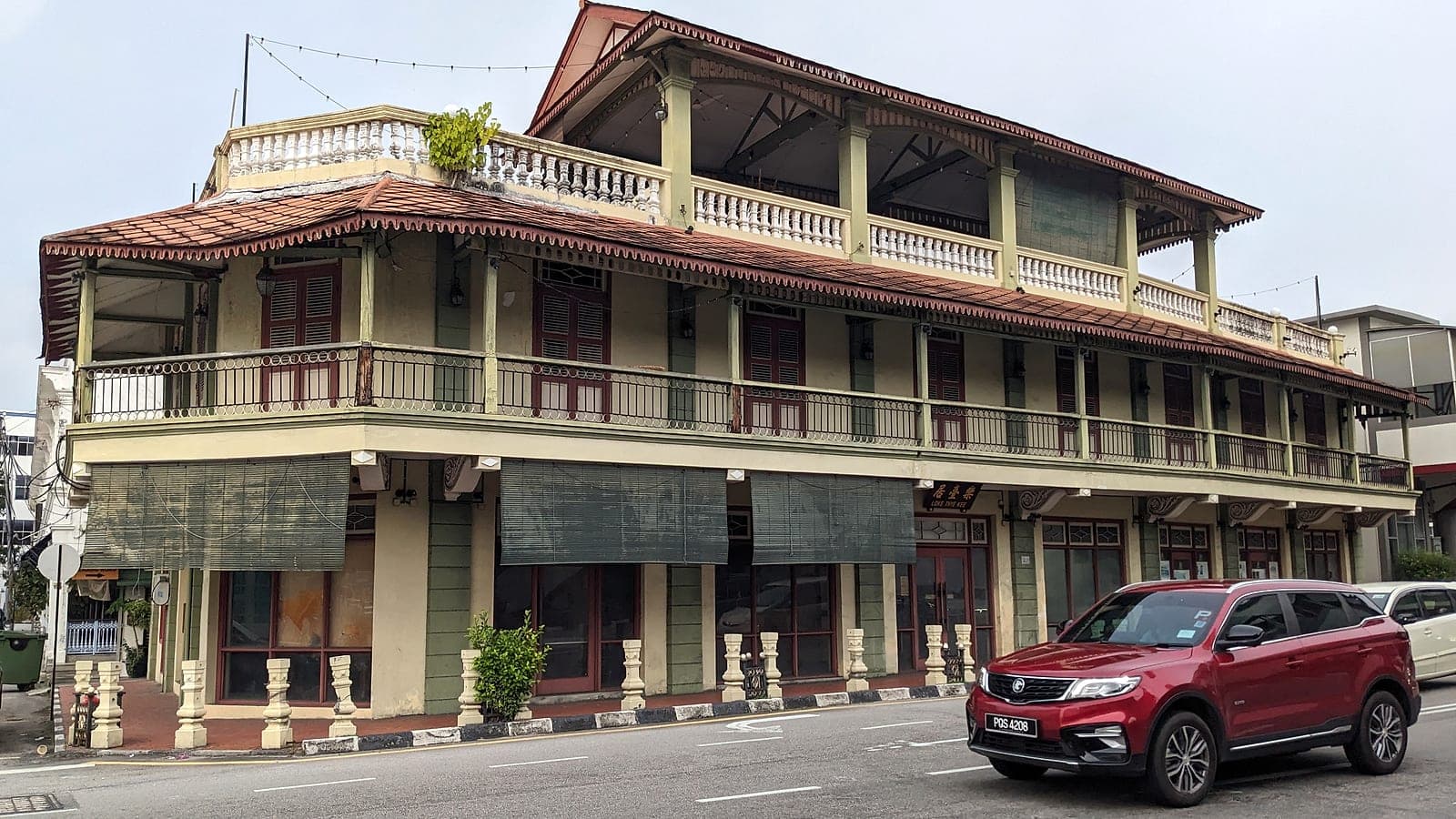
Penang Declared a Free Port — 1786
Francis Light declared Penang a duty-free port in 1786, attracting merchants from across Asia and laying the foundation for the multicultural city that became a UNESCO World Heritage Site.
Weeks after landing, Francis Light made a commercial decision that would define Penang for the next two centuries: he declared it a free port, levying no customs duties on goods entering or leaving. In an era when every regional port extracted heavy tolls, this was revolutionary. Merchants who had been paying duties at Malacca, Riau, and Aceh diverted their cargoes to Penang almost overnight. Junks arrived from Fujian carrying porcelain and silk; prahus from Bugis communities brought spices and textiles; Indian merchants from Madras and Calcutta set up shop along the seafront. The free port policy attracted the waves of Chinese, Tamil, Malay, Arab, and European settlers whose descendants built the shophouses, clan jetties, temples, mosques, and colonial buildings that are now a UNESCO World Heritage Site. The policy held for 150 years and only ended during the Japanese occupation. When it was reinstated after the war, Penang's commercial position was already eroded by Singapore — but the multicultural city the free port created has endured.
Insider Tips
- 1The free port legacy is visible in George Town's clan jetties — remnants of the trading communities that arrived in the 1800s
- 2The Penang Peranakan Mansion on Church Street shows how wealthy Straits-born Chinese merchants lived at the height of the free port era
- 3Armenian Street (Lebuh Armenian) was named after Armenian merchants who settled here following the free port declaration
- 4The Chew Jetty and other clan jetties at Weld Quay represent the waterfront settlements that grew directly from free port trading communities
Related Events
Kek Lok Si Temple Founded — 1891
Founded 1891
Kek Lok Si, Malaysia's largest Buddhist temple, was founded in 1891 by Abbot Beow Lean on a hillside in Air Itam. Construction spanned decades; the 30-metre Kuan Yin statue was added in 2002.
Penang Street Art — Ernest Zacharevic Murals, 2012
2012
In 2012, Lithuanian artist Ernest Zacharevic painted interactive murals in George Town that went globally viral. The street art programme transformed the UNESCO heritage zone into one of Asia's best outdoor art destinations.
Cheong Fatt Tze Mansion (Blue Mansion) Built — 1897
Built 1897–1904
Built between 1897-1904 by one of Asia's richest men, the Blue Mansion on Leith Street blends Qing dynasty architecture with Scottish ironwork and English stained glass. A UNESCO Award-winning restoration turned it into a boutique hotel.
When
1786
🏛 Historical event — 1786
Add to Calendar
Where
George Town (historic commercial district)